REVIEW · CUSCO
Full day Machu Picchu departing from the city of Cusco
Book on GetYourGuide →Operated by Seven Routesof Peru · Bookable on GetYourGuide
Machu Picchu takes your breath. This full-day run from Cusco is built to make the hard parts feel simple, with smooth rail-to-bus-to-citadel timing. I especially like the small-group size (up to 15) and the guided history portion that turns ruins into a story you can follow. The one real catch: it’s a long, packed day where timing and documents matter a lot.
Here’s the vibe: you start with a hotel pickup, ride the Sacred Valley by train, then get your guided visit at Machu Picchu before free time and the return to Cusco. You also need to plan ahead for tickets, because only a limited number of people can enter each day. If your reservation isn’t far enough in advance, the plan can shift toward an overnight in Aguas Calientes.
In This Review
- Key points to know before you go
- Why Machu Picchu From Cusco Feels Worth the Effort
- Price and Logistics: What $410 Really Covers
- Cusco Hotel Pickup to Ollantaytambo: The Smooth Start
- Inca Rail Voyager to Aguas Calientes: Scenic, but Stay Focused
- Aguas Calientes Transfer: Getting on the Bus to the Citadel
- Machu Picchu Entrance, Photo Stop, and the Guided Visit (About 3 Hours)
- Using Your Free Time Like a Pro (So You Don’t Miss the Views)
- Aguas Calientes Lunch Break and Shopping (About 1.5 Hours)
- Train Back to Cusco: The Long Day’s Final Stretch
- Who This Machu Picchu Day Trip Fits Best
- The Planning Detail That Can Make or Break the Trip
- Should You Book This Machu Picchu Day Trip?
- FAQ
- How long is the full-day Machu Picchu experience from Cusco?
- What’s included in the price?
- How far in advance do I need to reserve Machu Picchu tickets?
- What are the main steps of the itinerary?
- What should I bring for the day?
- What’s the group size and guide language?
Key points to know before you go
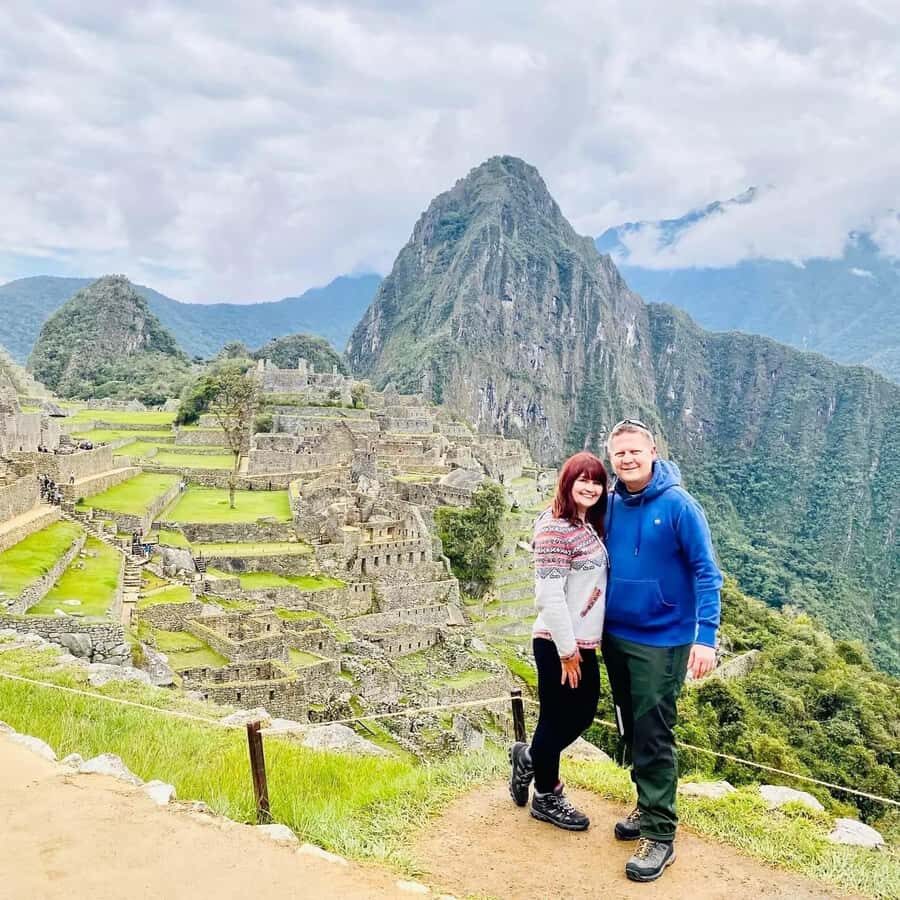
You’ll handle less of the logistics. Pickup, transfers, trains, entrance, and the citadel buses are included.
Reservation timing is everything. High season sells fast, and you’re expected to book at least two months ahead.
Guide time is real, not rushed. Expect a guided visit of about three hours plus your own exploring time.
Aguas Calientes is your lunch and legs stretch. You get about 1.5 hours there for lunch, break time, and shopping.
Communication keeps the machine running. They ask for your WhatsApp number and a passport photo for ticketing.
Why Machu Picchu From Cusco Feels Worth the Effort
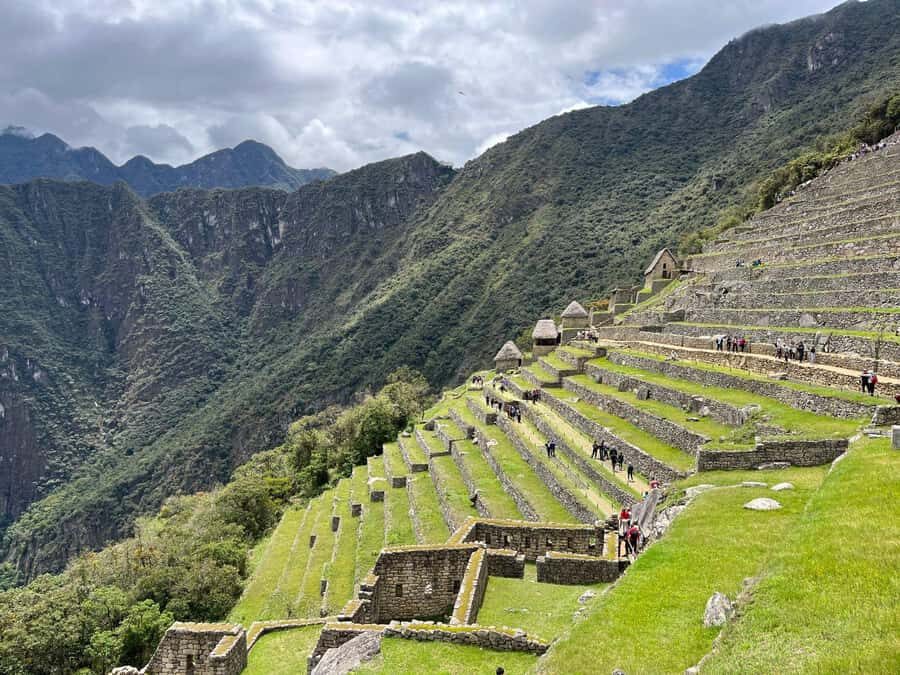
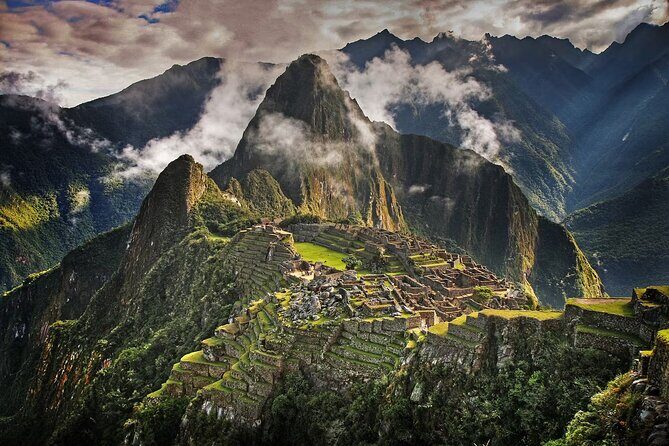
A full-day Machu Picchu trip is the closest thing to a “controlled sprint” you can do while still seeing the main event properly. You’re not left guessing about trains, bus logistics, or which steps come next. The day is built around the reality that Machu Picchu runs on strict entry limits and timed access.
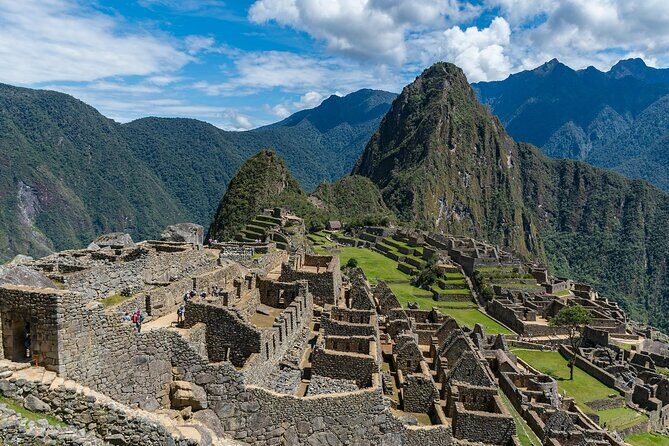
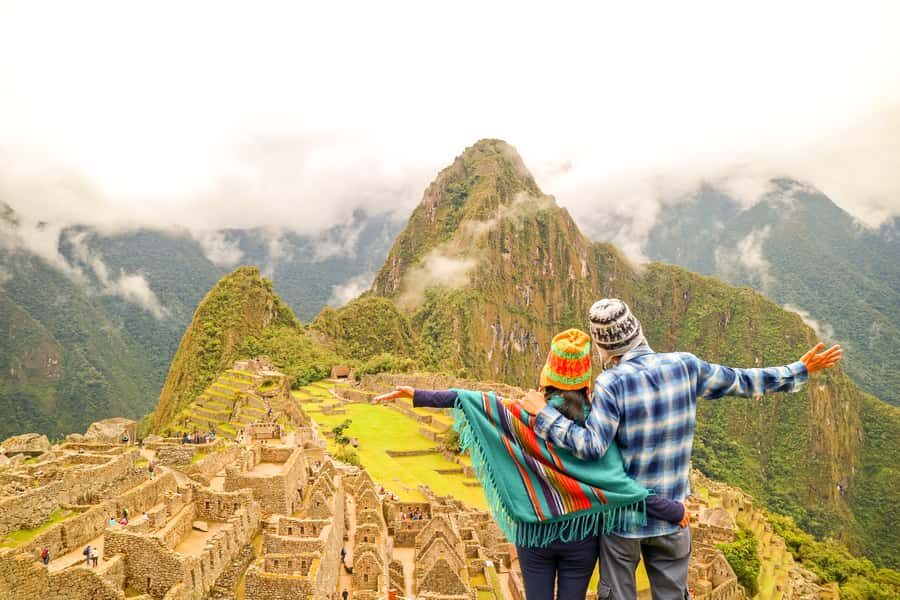
What I like most is that the experience is split into two modes: first the guided portion at the citadel, then your own time to wander the viewpoints and photo spots. That balance matters. A guided walk helps you understand what you’re looking at. Independent time lets you react to what hits you personally, whether that’s the terraces, the stonework, or the views.
The other big plus is the small group. Up to 15 people means you’re less likely to feel like you’re glued to a crowd at every turn. You’ll still move as a group, but it tends to feel manageable rather than chaotic.
The main drawback is also obvious once you do the math: 17 hours is long. You’re starting in Cusco and coming back to Cusco the same day, so plan your energy like it’s an all-day hike.
You can also read our reviews of more city tours in Cusco

Price and Logistics: What $410 Really Covers
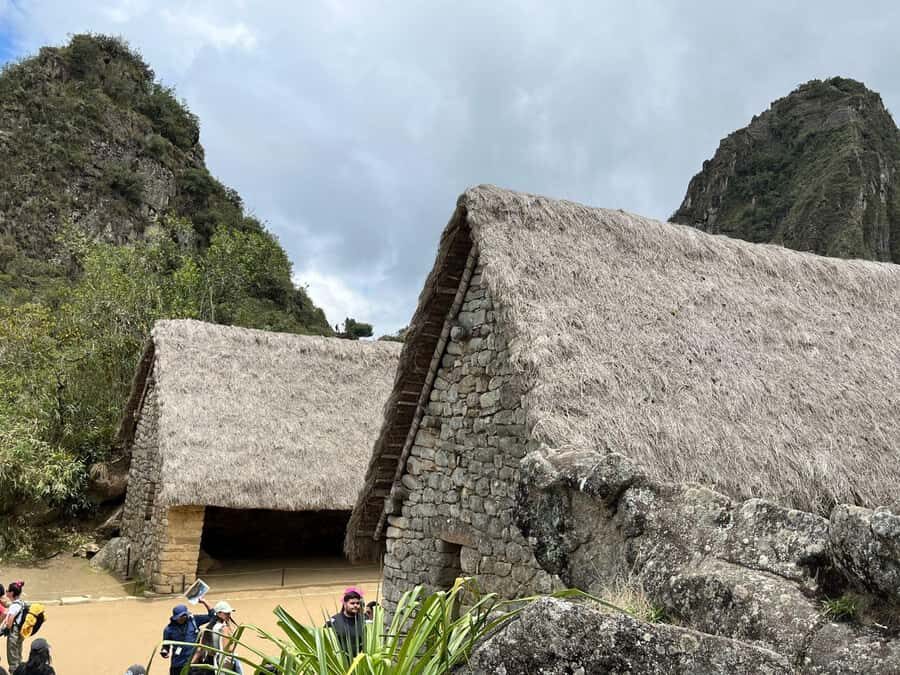
At $410 per person, you’re paying for more than a train ticket. You’re paying for a bundle: hotel pickup, all transfers, Machu Picchu entrance, the guided service, train tickets in Voyager service, and the bus up and down via Consetur.
That sounds like a lot of line items. But it’s exactly what makes the day easier. Machu Picchu isn’t just “go and arrive.” You’re dealing with multiple legs: van to Ollantaytambo, train to Aguas Calientes, bus up to the citadel, then the return sequence. When someone else coordinates that, you lose a big stress factor.
Still, you’re not buying a carefree fantasy. You’re buying structure. And structure needs your cooperation—especially because your passport details are used for ticketing. If you delay sending what they ask for, your day can get unnecessarily complicated.
For value-minded travelers, here’s how I’d think about it: if you’d rather not spend time comparing train times, figuring out how entry tickets and bus timing connect, and coordinating your own transfers, the price starts to make sense fast.
Cusco Hotel Pickup to Ollantaytambo: The Smooth Start
Your day begins with pickup from your hotel in Cusco. The instructions are specific: you should wait in the hotel lobby, or on the second floor if you’re staying in an Airbnb. The driver looks for you using your reservation details (first and last name).
Then it’s about two hours by van to Ollantaytambo. This is one of those stretches where you can settle in and let the day roll forward. The goal is simple: get you into position for the train without you having to wrestle with local timing.
What to watch for: this isn’t a “sleep-in” departure. You’re committing to a long day, and pickup time starts that commitment early. If you like a slower start to travel days, this may feel like a lot.
Inca Rail Voyager to Aguas Calientes: Scenic, but Stay Focused
From Ollantaytambo, you board the Inca Rail in Voyager service for about two hours. This is a highlight for many people because the Sacred Valley route gives you a steady stream of landscape views as you move toward Aguas Calientes.
One practical tip: bring your camera, and also bring a little patience. Train rides are more relaxing than driving yourself, but the timing is still tight. Enjoy the views, but keep an eye on the next step—because your window for Machu Picchu access is the whole point of this itinerary.
When you arrive in Aguas Calientes, the day pivots from “ride and relax” to “bus and timeline.” That transition is normal here.
Aguas Calientes Transfer: Getting on the Bus to the Citadel
After the train, staff assist with getting you onto the bus going up to Machu Picchu. The drive time is about 40 minutes.
This portion is important because it sets you up for the guided visit. If you arrive thinking you’ll mostly figure things out on your own, the bus-to-citadel stage can reset your expectations. You’re entering a managed arrival flow, and that’s a good thing.
Also, remember: this is a day-trip framework. You don’t have unlimited flexibility. The bus schedule and your citadel entry time drive everything else.
You can also read our reviews of more tours and experiences in Cusco




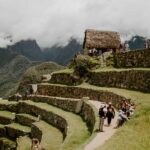
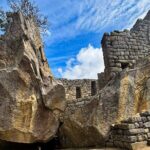
Machu Picchu Entrance, Photo Stop, and the Guided Visit (About 3 Hours)
At Machu Picchu, the sequence goes like this: photo stop, then visit, then a guided tour with history, followed by free time.
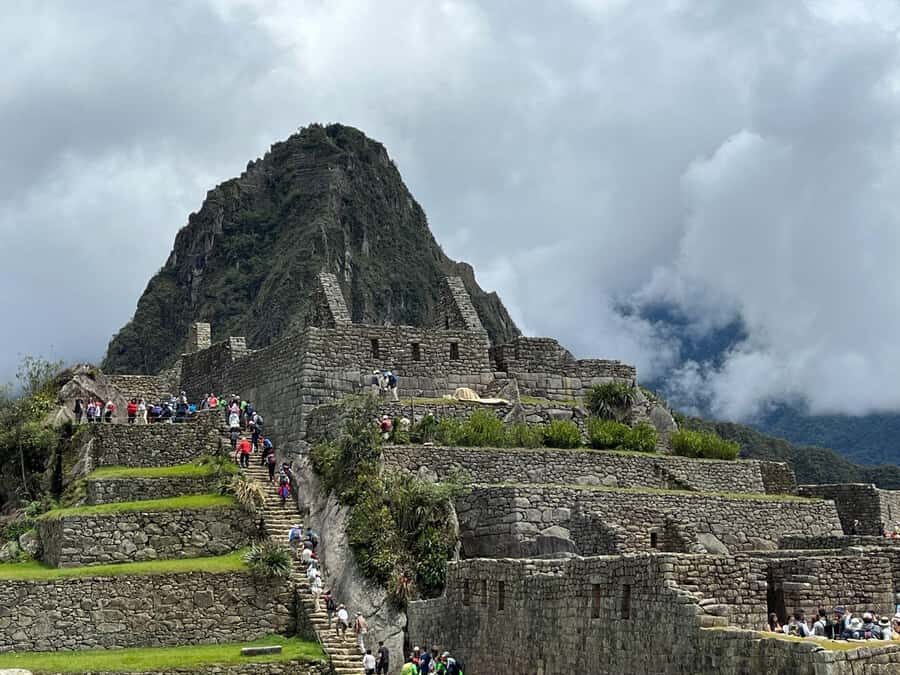
The guided portion is about three hours, which is exactly long enough to learn the basics and still leave energy for your own walking. A good guide turns Machu Picchu from “amazing stones” into “I get why this place was built here.” You’ll hear explanations of the site’s mysteries and background, shared in the official guide format (Spanish or English).
You also get a walk component built in. Expect to move through the key areas with your guide, and be ready for stairs and uneven stone. You can absolutely take breaks when you need them, but don’t plan on standing around for long during the guided portion.
One note worth respecting: only 4,500 people are allowed to enter Machu Picchu per day. That’s why reservations matter so much. If you haven’t planned ahead, your experience may need to adjust.
Using Your Free Time Like a Pro (So You Don’t Miss the Views)
After the guided visit, you get free time to explore on your own for roughly 3.5 hours total in the citadel segment (including the guided and walking time described in the plan).
This is where you can tailor the day. If your goal is photos, you’ll want to spend time near viewpoints and key perspectives. If your goal is understanding, you can go slower and revisit spots your guide explained.
I recommend a simple strategy:
- First, follow the guide’s path and learn the layout.
- Then pick one or two areas you want to linger at.
- Finally, don’t rush out at the first opportunity. Give yourself time to absorb what you’re seeing from slightly different angles.
If you’re worried about timing, the itinerary is designed so you still make it down by bus and back toward Aguas Calientes without losing the main experience.
Aguas Calientes Lunch Break and Shopping (About 1.5 Hours)
After the guided and free time at the citadel, you descend by bus back to Aguas Calientes in about 40 minutes. Then you get break time plus lunch and about 1.5 hours of free time.
This window is useful. It’s not just about eating. It’s also when you reset—bathroom break, quick recharge, maybe a small bit of shopping for souvenirs.
Bring cash, since the tour notes cash as something to have with you. And keep your pace realistic. You’ll have a train ride later, so don’t spend your last hour trying to browse every shop in town.
Train Back to Cusco: The Long Day’s Final Stretch
From Aguas Calientes, you board the train back to Ollantaytambo for about two hours. Then there’s another van ride back to Cusco for about two hours, with arrival back at your hotel.
This last stretch is where fatigue shows up. Your brain will be full by then, which is a good thing. It means you’ll remember the big moments even when your legs start complaining.
Practical advice: keep water in mind, and don’t schedule anything important right after your return to Cusco. This isn’t a “grab a quick dinner and go party” kind of day.
Who This Machu Picchu Day Trip Fits Best
This full-day format makes the most sense if you:
- Have the time for a long day (17 hours)
- Want guided context without losing your chance to wander
- Prefer a small group (up to 15) over a large tour herd
- Want hotel pickup and a tightly managed transport flow
It’s also best for travelers comfortable with the planning expectations. The operator stresses advance planning because tickets can sell out quickly, especially May to November. They also ask you to provide a phone number with WhatsApp so they can share key service details, and they request a photo of your passport for ticketing.
Not a fit if you need wheelchair access. The plan is also not suitable for people over 95 years, based on the stated limits.
If you’re traveling with limited patience for strict schedules, this might feel intense. If you like structure, it’s a big win.
The Planning Detail That Can Make or Break the Trip
Here’s the unglamorous truth: Machu Picchu is a reservation game. The daily entry cap is 4,500 people, and you’re asked to reserve at least two months in advance.
During high season (May to November), tickets sell fast. If you don’t book far enough ahead, the full-day service can shift. The plan notes that if reservations aren’t made in advance, you may need an option that includes one night in Aguas Calientes.
Communication matters too. They contact you for details and passport photos, because train tickets and entry tickets are made using passport information. So if your passport details change, or you’re slow to respond, you can end up losing time to follow-ups.
In plain terms: be ready with your documents and respond quickly when they message. It keeps the day smooth, and it reduces chances of last-minute confusion.
Should You Book This Machu Picchu Day Trip?
Book it if you want Machu Picchu without building your own transport puzzle. The combination of hotel pickup, Inca Rail Voyager, guided history, included Machu Picchu entrance, and the bus up/down is the kind of packaging that saves you energy and nerves. For many people, the guided three-hour block plus free time afterward is the sweet spot.
Skip it or think twice if you hate long days, dislike tight schedules, or you’re not ready to meet the planning expectations (advance reservation and document submission). Also, be honest with yourself: this is not built for people who need wheelchair access.
If you’re ready to plan—and you want a guided, organized day—this is a strong option for experiencing Machu Picchu efficiently from Cusco.
FAQ
How long is the full-day Machu Picchu experience from Cusco?
The duration is 17 hours, from hotel pickup through your return to Cusco.
What’s included in the price?
It includes hotel pickup in Cusco, transfers and tourist transportation, an official guide (Spanish or English), Inca Rail train tickets in Voyager service, Machu Picchu entrance, the Consetur bus up and down, permanent assistance, taxes, and return to your hotel. Food and gratuities are not included.
How far in advance do I need to reserve Machu Picchu tickets?
You need to reserve at least two months in advance. High season (May to November) sells out quickly. If reservations aren’t made in advance, the service can require an overnight in Aguas Calientes.
What are the main steps of the itinerary?
You’ll start with pickup in Cusco, travel by van to Ollantaytambo, take the train to Aguas Calientes, ride the bus to Machu Picchu for a guided visit plus free time, return by bus to Aguas Calientes for lunch and break time, then take the train back to Ollantaytambo and the van to Cusco.
What should I bring for the day?
Bring your passport and a camera. The tour also notes that you should have cash.
What’s the group size and guide language?
The group is limited to 15 participants. The live guide is available in Spanish or English.