REVIEW · CUSCO
Sacred Valley and Maras and Moray Full Day with Small Group Tour
Book on Viator →Operated by Rainbow Mountain Cusco Agency · Bookable on Viator
Salt pans and Inca terraces, all in one day. This Sacred Valley and Maras salt pans full-day tour pulls together Pisac, Ollantaytambo, Chinchero, Moray, and Maras in a tight route, with a private guide and your own transport so you can keep moving without wasting time.
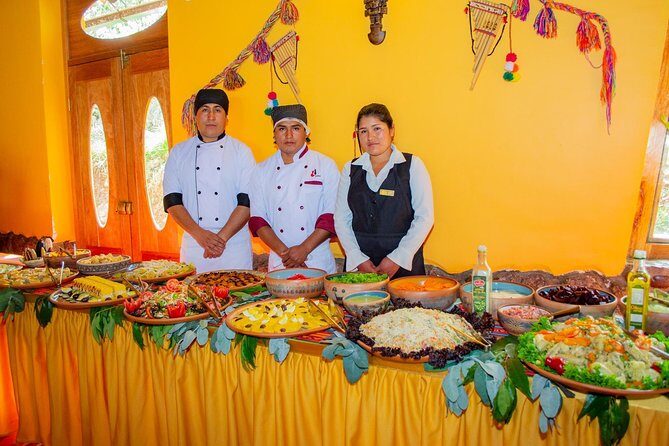
What I really like is the pacing and the human touch: you get a guide who can explain what you’re looking at in plain terms, and you’re not stuck in long waits with strangers. I also like the included lunch buffet (vegetarian option available) plus water and snacks, which makes the day feel manageable at altitude.
One thing to plan for: several major sites charge extra entry, including the Cusco tourist ticket and the salt mines, so your total budget will be higher than the headline price. Also, expect uneven stone paths and stairs at ruins, even with helpful guidance.
In This Review
- Key highlights at a glance
- A smart day-plan for Cusco: Sacred Valley plus the salt mines
- Private guide energy: you’ll spend less time guessing
- Price and value: what $135 covers (and what to budget)
- Stop 1: Sacred Valley time near Pisac and the Inca farm belt
- Stop 2: Salinas de Maras salt mines and the centuries of work
- Stop 3: Moray’s circular terraces (and why they’re so weird)
- Stop 4: Ollantaytambo ruins plus an old town grid
- Stop 5: Chinchero’s market, myth, and the big Inca wall
- Stop 6: Urubamba as the valley hub
- How to make this day feel good (not rushed)
- Who this tour is best for
- Should you book it?
- FAQ
- FAQ
- How long is the Sacred Valley and Maras and Moray full-day tour?
- Is pickup from Cusco included?
- What’s included in the price?
- Do I need to pay entrance fees at the sites?
- Is this a private tour or a shared group tour?
- What is the cancellation policy?
Key highlights at a glance
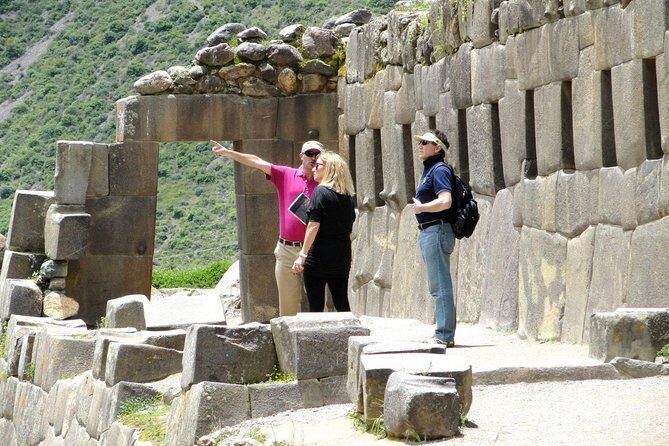
- Private guide plus private transport: you control the pace more than on bus tours
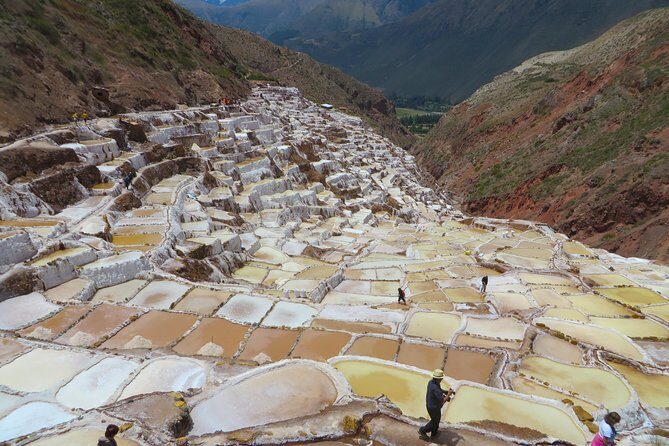
- Maras Salt Mines (Salineras de Maras): thousands of tiny pools run through centuries of salt-making
- Moray’s circular terraces: Inca engineering with terraced depressions and steep drop-offs
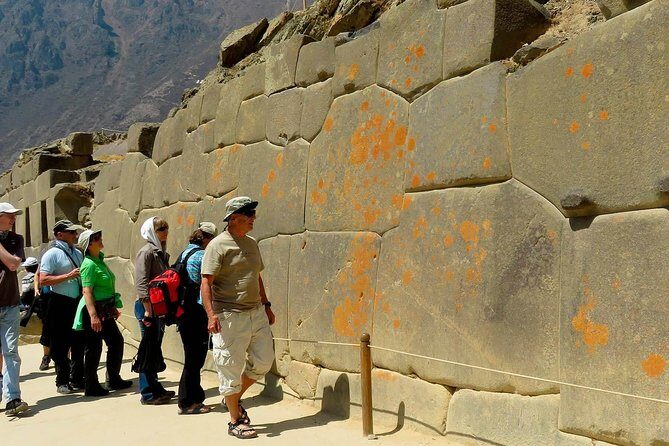
- Chinchero market and plaza: local rhythm, mud-brick houses, and a huge Inca wall with niches
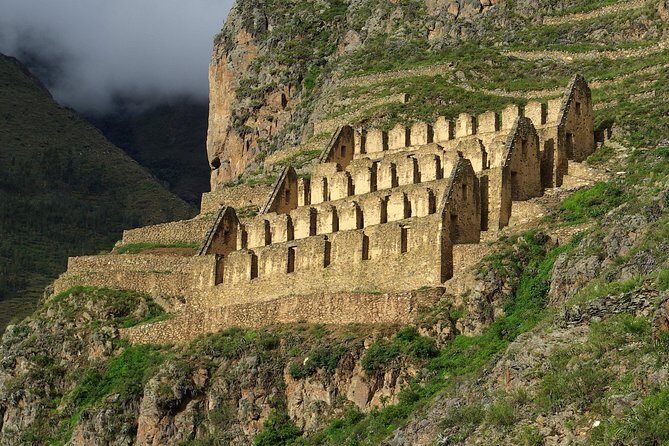
- Ollantaytambo ruins and old town feel: fortress terraces plus an Inca-style grid of cobblestones
A smart day-plan for Cusco: Sacred Valley plus the salt mines
If you only have one day outside Cusco, this route does a lot of the right things. You start in the fertile Sacred Valley, then you pivot to two places that feel like they could be totally different worlds: Moray’s experimental terraces and the patchwork salt pools of Maras.
The key value here is the “connected” feel. Sacred Valley is where the Incas farmed and organized life. Moray and Maras show how they also tested, engineered, and used natural resources. Put together, it reads like a single story, not a scatter of random stops.
You can also read our reviews of more tours and experiences in Cusco
Private guide energy: you’ll spend less time guessing
This is a private tour/activity, meaning it’s just your group, with a private guide and vehicle. That matters in Cusco, where roads can be slow and timing matters. You’ll get pickup offered, and you’ll be traveling in English with a guide who’s there to translate the big picture for you on the spot.
The best part is not just facts. A good guide helps you look. You’ll likely know what you’re seeing at each ruin, what the site was for, and what to notice while you’re standing there. In at least some departures, guides like Patricia have been praised for being calm with mobility concerns and for making family moments feel special, not rushed.
One practical point: because this is a single-day loop, your guide’s ability to keep you on schedule is a real part of the experience. The tour’s success depends on that flow, so picking a calm, efficient guide helps you get more out of each stop.
Price and value: what $135 covers (and what to budget)
At $135 per person, you’re paying for a full-day package that includes:
- Private guide and private transport
- Lunch buffet (vegetarian option included)
- Water and snacks
- Mobile ticket
Not included are the extras that many people forget to price in:
- Cusco tourist ticket for archaeological sites: 20 PEN per person
- Salt mines entrance (Salineras de Maras): 20 PEN per person
- Tips
So is it good value? Yes, if you would otherwise be piecing together transport, a guide, and lunch. The day is built around multiple sites, and the included lunch plus snacks reduce your risk of spending the day hungry or paying for meals on the fly.
If you want the simplest budget, plan on the tour price plus about 40 PEN for the two paid components listed above, plus tips.
Stop 1: Sacred Valley time near Pisac and the Inca farm belt
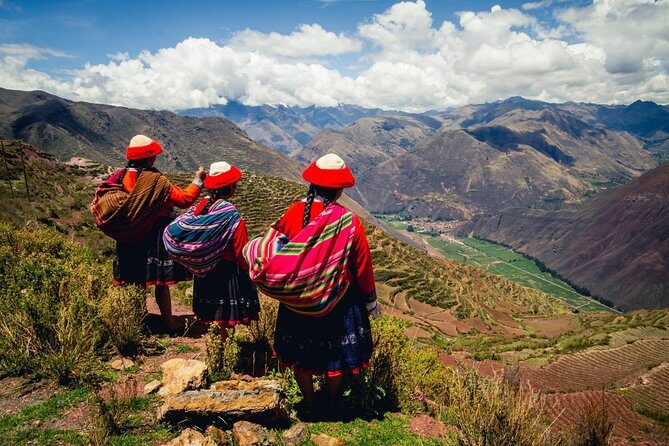
You’ll spend about 2 hours in the Sacred Valley area, with time that typically connects to the major Inca-era stops in that zone. This is the broad region stretching roughly 60 kilometers, where Andean farmland and Inca organization became the backbone of daily life.
Pisac is a standout reference point here. It’s known for a Sunday handicraft market and also for the hilltop Inca citadel feel—stonework high above the valley floor. If your day happens to align with a Sunday, you might catch a more local market mood than you’d find in the biggest tourist hubs. Even if you don’t, the views and the sense of how the Incas used elevation for control and agriculture are the point.
A nice benefit of doing Sacred Valley as a structured first stop is rhythm. You start with bigger “wow” views and easier momentum, then later you move into the more specific technical sites like Moray and the salt pools at Maras.
Stop 2: Salinas de Maras salt mines and the centuries of work
Moray and Maras are where people start to remember this day as more than ruins. The salt mines at Salinas de Maras are different: thousands of small, stepped pools cover the mountainside.
You’ll have about 1 hour here, and it’s worth using that time to look closely. The salt pans are worked across eras—pre-Inca, Inca, colonial, republican, and modern times. Today they’re administered by the local Andean community, which owns the salt produced from the mine.
What makes this stop meaningful is the “human continuity.” You’re not just seeing stone architecture. You’re seeing a resource system that has been managed for centuries, with the community still central to how it runs.
The drawback to plan for is simple: the salt mines aren’t a sit-and-watch museum. Expect walking on uneven ground and getting close to the pools. If your group includes someone with limited mobility, your guide can help you choose the most comfortable viewing paths, but you should still prepare for some level of uneven footing.






Stop 3: Moray’s circular terraces (and why they’re so weird)
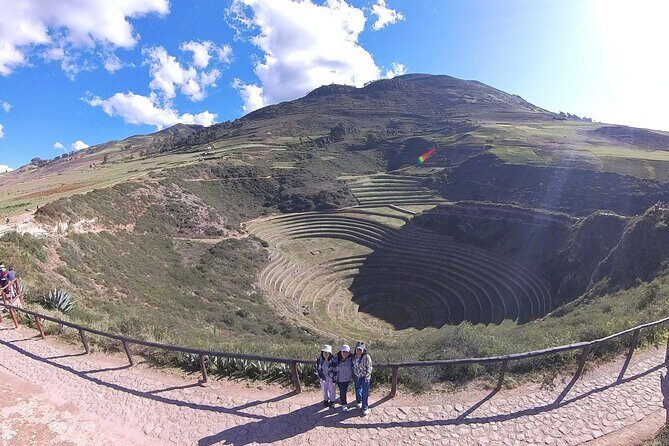
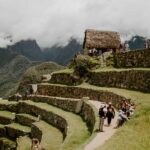
Moray is an archaeological site about 50 kilometers northwest of Cusco, at roughly 3,500 meters. It’s famous for terraced circular depressions—Inca ruins that look like someone carved bowls out of a hillside.
You’ll spend about 1 hour here. The largest depression is roughly 30 meters deep, and the overall arrangement is striking even before you fully understand it. The point of the site is its unusual design: multiple terrace rings descending in a way that suggests planning and experiment-like thinking.
A practical consideration: Moray sits high and can feel cool or exposed depending on conditions. It’s not a long climb for most visitors, but the steps and uneven surfaces can be tiring if you’re already adjusting to altitude.
Stop 4: Ollantaytambo ruins plus an old town grid
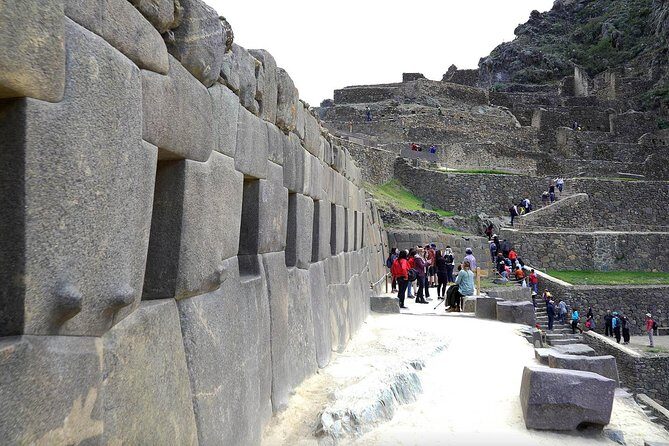
Ollantaytambo is where the day gets dramatic again. You’ll have about 1 hour here, set along the Urubamba River with snow-capped mountains in the backdrop.
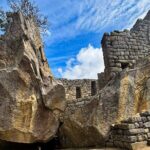
The main ruins are a massive Inca fortress with stone terraces on a hillside. Within the complex, two named highlights are:
- The Sun Temple
- The Princess Baths fountain
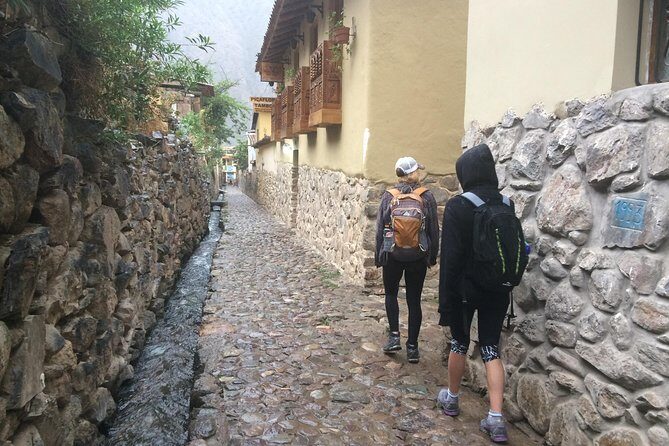
After you take in the fortress terraces, you’ll also experience the village’s older core: an Inca-era grid of cobblestoned streets and adobe buildings. Even if you’re not chasing photos, this part matters because it shows how Inca planning still shapes the feel of everyday places.
The main drawback to note is time. With only about an hour, you’ll want to move efficiently: pick your must-see elements, and let your guide point out what’s easy to miss. If your group loves slow strolling, this stop might feel a bit compressed.
Stop 5: Chinchero’s market, myth, and the big Inca wall
Chinchero is about 30 kilometers from Cusco, at around 3,765 meters, on windswept plains. You’ll get about 1 hour here, which is just enough to take in views over the Sacred Valley and to get a feel for local life.
Chinchero’s Sunday market is known for being less tourist-oriented than the bigger Pisac market. If your timing lines up with Sunday, you might see more of a normal rhythm—people doing their business in traditional dress, while colorful local crafts and food show up as part of the day, not a performance.
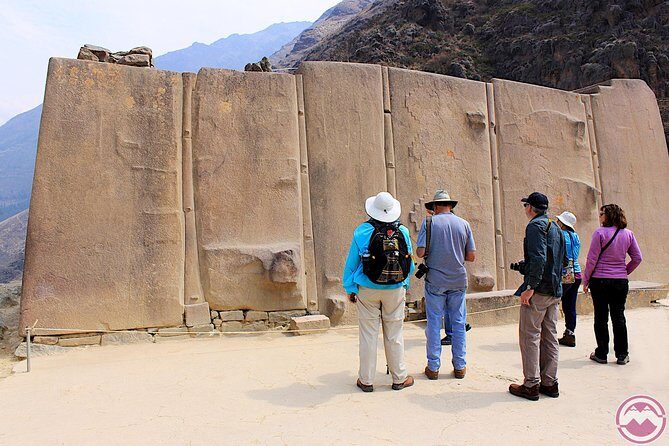
There’s also a mythic angle that makes the place memorable: Chinchero is believed to be the mythical birthplace of the rainbow. You’ll also see Inca-era remnants, including a massive stone wall in the main plaza with ten trapezoidal niches.
The village still has agricultural terraces in use, and the construction of the wall and many other ruins are attributed to Inca Tupac Yupanqui. Your guide should be able to connect those details to what you’re actually seeing on the ground.
Practical note: with a high elevation site and winds, plan layers. Even if the sun is bright, you can feel the chill.
Stop 6: Urubamba as the valley hub
Urubamba rounds out the day with about 2 hours. It’s a busy transportation hub on the Urubamba River, surrounded by rugged mountains. That “hub” feel is useful because it gives you a place where life in the valley feels more modern and practical, not only ancient ruins.
Urubamba is also described as a jumping-off point for Maras Salt Mines. And nearby, Moray’s concentric terraces are part of the same broader system you’ve just seen.
Even if you don’t have time for adventure activities like hang-gliding, paragliding, or rafting, knowing they’re popular here helps you understand why locals and visitors treat this region like an outdoor playground. During the 2-hour stop, you can use the time for rest, a quick snack, and repositioning for the final drive back.
How to make this day feel good (not rushed)
This is an 8-hour full-day tour in a high-altitude region, with multiple ruins and at least a couple of sites that are paid extras. Your comfort is mostly about preparation.
Here’s what I’d focus on:
- Wear shoes with solid traction for cobblestones and uneven paths
- Bring a light layer for Moray and Chinchero, where elevation and wind can bite
- Bring cash (or confirm how you’ll pay) for the Cusco tourist ticket and the salt mine entrance
- If you’re traveling with mobility needs, tell your guide early so they can adjust routes and pacing
Your lunch buffet plus water and snacks help a lot. Still, I suggest you plan to take it slow at the paid sites first, then enjoy later. The best experiences at Moray and the salt mines come from looking, not sprinting.
Who this tour is best for
This works especially well if you:
- Want a one-day sampler of Sacred Valley plus the most distinctive add-ons (Moray and Maras)
- Prefer a private guide who can explain what you’re seeing
- Value included food and time-saving transport
- Have a mix of interests: ruins, local markets, and a living resource like salt
It may not be your best match if you:
- Want zero walking on uneven ground
- Hate paying extra on top of the tour price for site entrances
- Are looking for a totally unstructured day with lots of free time
Should you book it?
Yes, I think you should book this if your goal is to use your Cusco days well and see the key Inca-area highlights without turning your schedule into a stressful puzzle. The included guide, private transport, and lunch buffet make the day feel planned, not improvised.
I’d book it sooner rather than later because it’s commonly reserved about 2 to 3 months in advance. If you do book, budget for the additional entry fees (Cusco tourist ticket and the salt mines), and pack for high-elevation walking.
FAQ
FAQ
How long is the Sacred Valley and Maras and Moray full-day tour?
It runs about 8 hours.
Is pickup from Cusco included?
Pickup is offered.
What’s included in the price?
You get a private guide, private transport, a lunch buffet (vegetarian option included), plus water and snacks.
Do I need to pay entrance fees at the sites?
Yes. Archaeological site entrances require the Cusco tourist ticket (20 PEN per person), and the salt mines entrance is an additional 20 PEN per person. Some stops are listed as free, but those two charges are specifically noted as not included.
Is this a private tour or a shared group tour?
This private activity is set up so that only your group participates.
What is the cancellation policy?
You can cancel for free up to 24 hours before the experience starts for a full refund. Less than 24 hours before start time is not refunded.