REVIEW · CUSCO
Salkantay Trekking to Machu Picchu 4D/3N
Book on Viator →Operated by MACHU PICCHU VIAJES PERU · Bookable on Viator
Salkantay hits you fast. This 4D/3N Salkantay-to-Machu Picchu trek blends big mountain walking with an organized support system, including horses, trekking poles, and oxygen for altitude help. I love the way the route swings from dramatic high passes (around 4600 m) down toward cloud forest, and I also like the one-night stay in a geodesic dome near Loreta La Plata. One thing to consider: even with logistics handled, the hike includes long stretches and serious altitude, so you’ll want a steady pace and a good attitude.
A big reason this tour works for many people is the human touch. In the feedback, guides such as Juan Carlos (and sometimes Carlos) stand out for being patient with changing conditions, and the food team (including chef Edwin) gets credit for keeping energy up with hot drinks and solid meals, not just survival snacks. It’s also set up as a private experience for your group, so you’re not stuck with a random pace that doesn’t match yours.
In This Review
- Key things that make this trek worth your time
- Why Salkantay instead of the Inca Trail?
- Price and logistics: what $750 buys (and what it doesn’t)
- Day 1: From Cusco to Soraypampa, plus Humantay Lagoon
- Day 2: The pass at 4600 m, cloud forest descent, and the dome night
- Day 3: Coffee plantation, Intihuatana, and the walk to Aguas Calientes
- Day 4: Machu Picchu bus, 3-hour guided tour, and your free exploring window
- Support that actually helps: horses, pack limits, poles, and first aid
- Where you sleep: cabañas, ecolodge, geodesic dome, and Aguas Calientes 3
- Who this trek fits best (and who should think twice)
- If you want to get the most from it: practical preparation
- FAQ
- FAQ
- How long is the Salkantay trek to Machu Picchu?
- Is pickup from Cusco included?
- What’s included for meals and drinks?
- What kind of lodging do you get?
- Is Machu Picchu admission and guiding included?
- What is the cancellation policy?
- Should you book this Salkantay-to-Machu Picchu 4D/3N tour?
Key things that make this trek worth your time
- Salkantay instead of the crowds: a classic alternative route to reach Machu Picchu with major views and fewer “must-do” lines.
- Real support at altitude: oxygen, first aid, horses, and a 7 kg max carried pack strategy.
- One geodesic dome night: an atmospheric night in Loreta La Plata after your big day on the pass.
- Machu Picchu with a guided 3-hour tour: then time to wander on your own after the main highlights.
- Coffee stop + Intihuatana: small cultural and historical detours that break up the last push.
- Transport built in: transfers to trailheads plus a return train connection to Ollantaytambo and back to Cusco.
Why Salkantay instead of the Inca Trail?
If you’re choosing between Inca Trail and Salkantay, the trade-off is the vibe. Inca Trail is the famous checklist trek. Salkantay is the rugged “mountains first” route that still lands you at Machu Picchu.
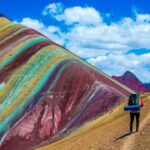
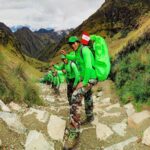
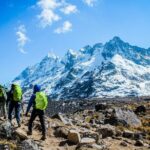
On this 4-day plan, you’ll climb high enough to feel the altitude in your lungs (the highest point is the Salcantay Humantay pass at about 4600 m), then you’ll descend through terrain that shifts fast: alpine views, then cloud forest conditions, then back down toward the Urubamba River corridor. That pattern is one of the best parts for many people because your days keep changing. It’s not just another long uphill grind.
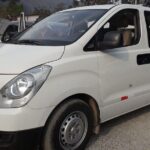
Also, the logistics are done in a way that matters. You start from Cusco with pickup, you reach the trail starting area by private transport, and the day-by-day rhythm is paced so you can focus on walking and acclimatizing instead of managing details.
You can also read our reviews of more hiking tours in Cusco
Price and logistics: what $750 buys (and what it doesn’t)
$750 per person sounds like a lot until you break down what’s handled for you. This price includes professional guiding in English and Spanish, entrance to both the Salkantay route and Machu Picchu, transfers from Cusco, and all the major meals across the trek (plus hot drinks like tea and coffee).
It also covers lodging at multiple altitude levels:
- Cabañas in Soraypampa (one night)
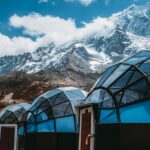
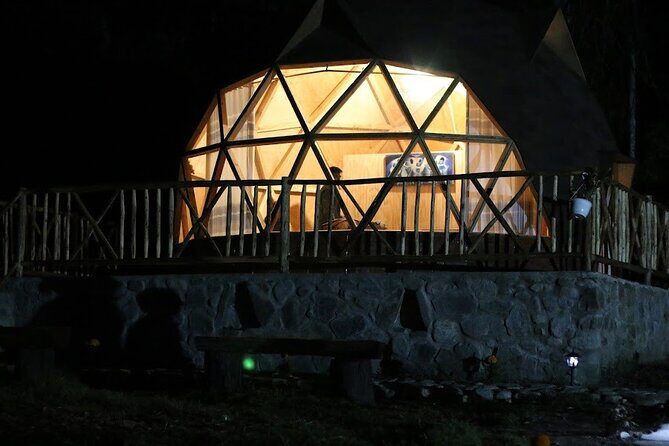
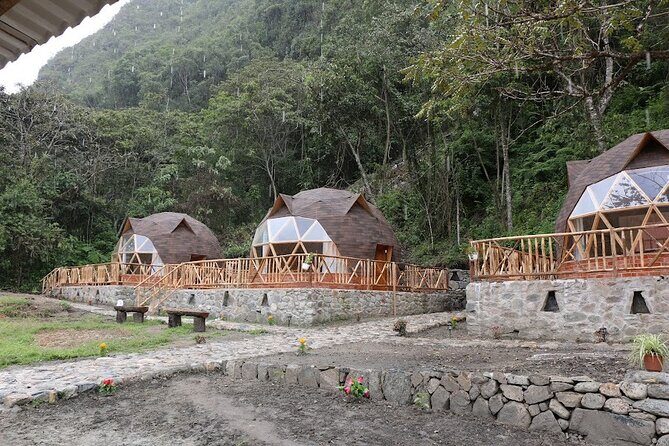
- a night in geodesic domes in Loreta La Plata
- a 3 hotel night in Aguas Calientes
Then there’s the part that often costs extra in DIY plans: the return train to Ollantaytambo plus private transport back to Cusco, and the Machu Picchu bus day with a guided walkthrough inside the citadel.
What you should budget separately:
- Breakfast on the first day and lunch on the last day are not included.
- Dinner and lunch on trekking days are included, but your meals on your final midday in the Machu Picchu area are the one place you’ll likely pay out of pocket.
If you want the comfort of a guided, mostly “all-in” trek that still feels like a real expedition, the value here is mostly in reduced stress plus real altitude support.
Day 1: From Cusco to Soraypampa, plus Humantay Lagoon
Your day starts with pickup in Cusco and a drive toward Mollepata, arriving for breakfast before you move onward to the trail starting point near Challacancha. Then you’ll switch gears: equipment prep, horses taking the bulk of gear, and the walk begins toward Soraypampa at around 3850 m.
This first hiking day is about getting yourself into the groove. You’re high, but you’re not yet at the hardest altitude wall. You’ll reach Soraypampa for lunch and set up for the night, with time to take in the valley canyon views.
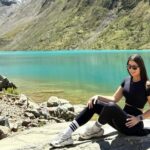
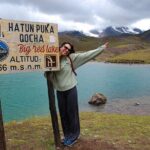
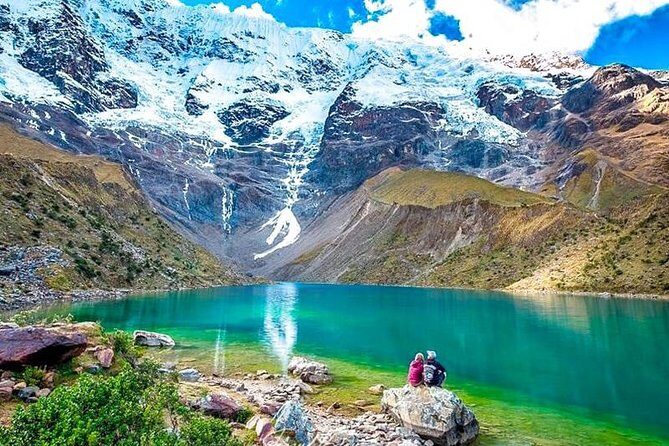
A highlight option that many people enjoy is the shorter hike to Humantay Lagoon (around 1.2 hours) at about 4200 m. It’s not just a pretty stop. It’s also a great reality check for altitude: you’ll feel the air, you’ll see the scenery, and you’ll understand why the next day is the heavy one.
Practical note: the first day includes shops and toilet facilities at Mollepata, which is helpful when you’re trying to keep everything simple before your hike day rhythm takes over.
Day 2: The pass at 4600 m, cloud forest descent, and the dome night
Day 2 is the day your effort actually earns its name. After breakfast in camp, you start walking across Pampa Salcantay and head through sections near the glacier area (with the route described as going along the left side of glacier Humantay beside Salcantay).
Then comes the high point: the Salcantay Humantay pass at about 4600 m around noon. You’ll likely feel it. Even if you’re fit, altitude makes walking slower and breathing louder. This is where the tour’s support system matters, since oxygen and a first aid kit are included, and you’re moving with a guide who can help manage pace.
After a rest and lunch in the Huayracmachay area, you start descending for about four hours down into Selva Alta, also described as cloud forest. The route then takes you toward Chaullay at about 2900 m around late afternoon.
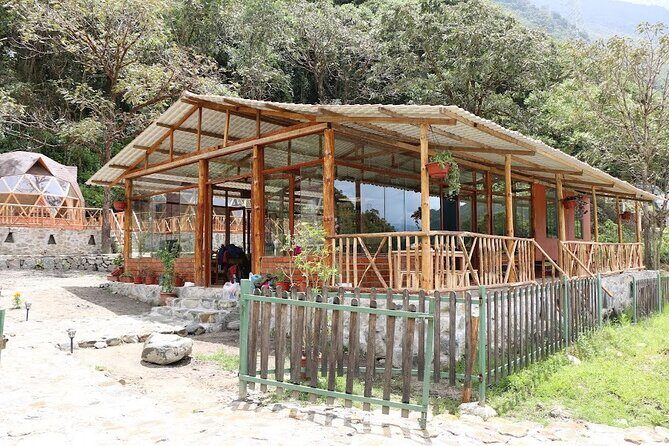
Here’s a thoughtful feature: you can decide whether you want to keep hiking or take transport to your next lodging at the Ecolodge Majestic area called Loreta La Plata. That decision is a smart “manage your energy” tool after the pass day.
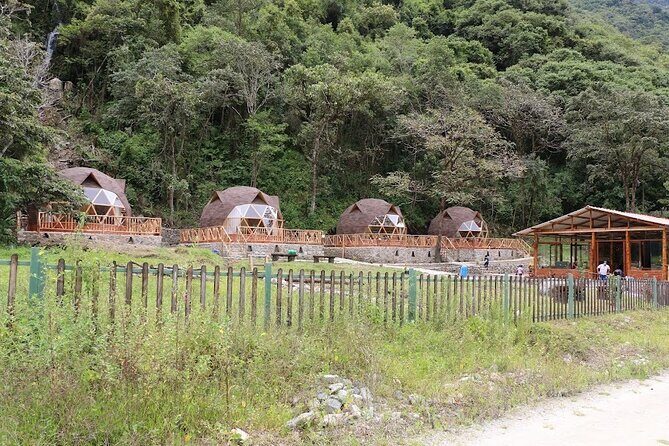
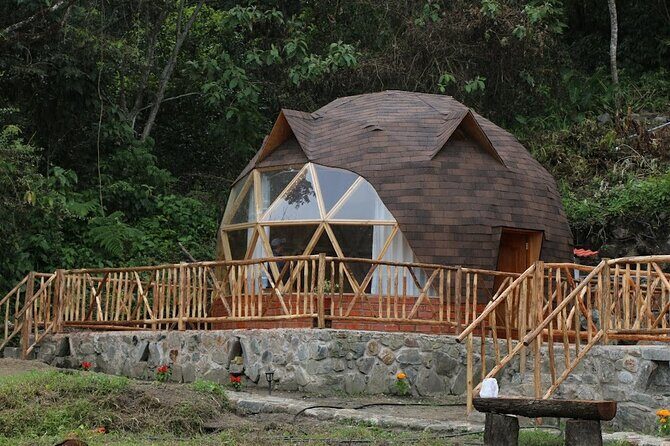
Dinner at the lodge comes before the night in a geodesic dome. That one night is a nice reward because the weather and the sense of open-air mountain sky can feel very different from hotel stays in the lowlands. It’s also a real break from the tent-style camping vibe you may expect on treks.
Day 3: Coffee plantation, Intihuatana, and the walk to Aguas Calientes
This is a calmer day compared to Day 2, but it’s still active. After breakfast, you’ll visit a coffee plantation close to the ecolodge to learn about cultivation, harvesting, and processing. Then there’s a coffee tasting session, and you’ll also pass other crop plantations like coca, coffee, tea, and banana as part of the learning route.
After lunch, you drive about 90 minutes to Hydroelectric Power Plant (around 1900 m). From there, you start the walk along the train tracks and the Urubamba River. This is one of the most satisfying types of hiking because it’s less about climbing and more about steady progress with variety in your surroundings.
On the way, you’ll visit Intihuatana, an ancient Inca sundial site. It’s a good cultural moment during the approach to Machu Picchu because you’re not only thinking about the destination—you’re also seeing Inca-era traces in the region you’re moving through.
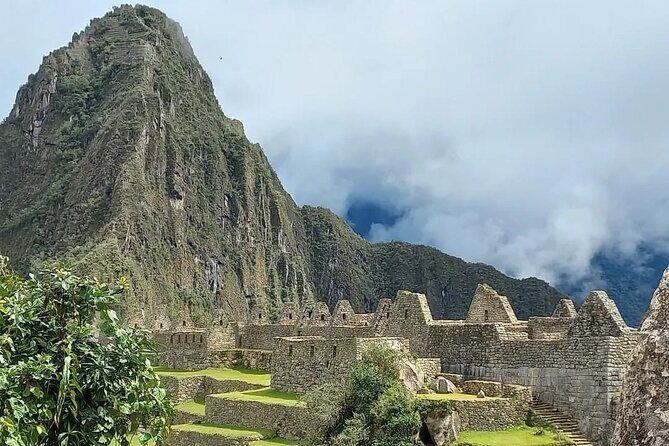
By the time you get views of Machu Picchu and Wayna Picchu from the route, the whole trek starts to feel real in a way that previous days can’t fully match. You’re still moving, but your mind is already arriving.
Day 4: Machu Picchu bus, 3-hour guided tour, and your free exploring window
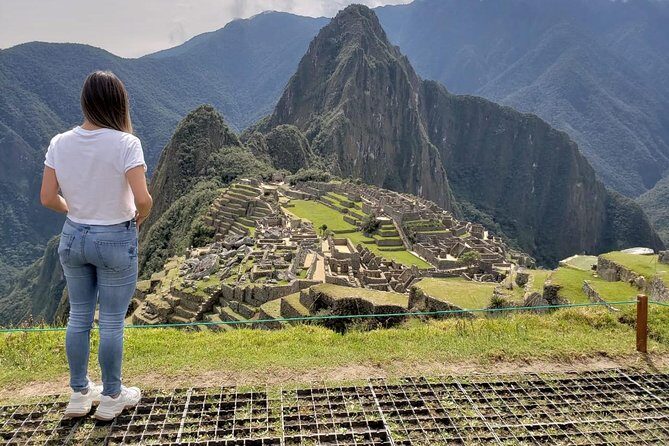
After breakfast, you ride the tourist bus up to Machu Picchu. Once inside, you’ll have a 3-hour guided tour of the Inca city, walking through key areas like the Temple of the Sun, the central plaza, and the stepped terraces.
A practical tip here: a guided circuit is worth it on Machu Picchu because it connects the dots quickly. With the guide leading, you’ll spend less time guessing what you’re looking at and more time enjoying it.
After the guided portion, you’ll get time to explore on your own. This is important. Machu Picchu is one of those places where you want to pause, find your own viewpoints, and take photos that match your pace, not the group’s.
Once you’re done, you bus back down to Aguas Calientes, then have time to eat lunch at town restaurants (lunch isn’t included). After that, the trek continues with the return train to Ollantaytambo, followed by private transportation back to Cusco and transfer to your hotel.
If you’re the type who hates rushed endings, plan to stay flexible with your last-day energy. The walking stops, but the day still has movement.
Support that actually helps: horses, pack limits, poles, and first aid
A lot of trekking companies say they provide support. This one provides support in ways you’ll feel on the trail.
You travel with horses and horsemen for gear, and there’s a 7 kg maximum per person carried strategy. That matters because it keeps you from turning the trek into a weight-carrying contest.
You also get trekking poles for the route. On uneven stone and steep descents, poles can be the difference between controlled steps and painful knees.
Then there’s the less glamorous but crucial stuff: oxygen and a first aid kit are included. At altitudes above 4000 m, this kind of preparation is exactly what you want to see in a well-run trek.
Finally, drinking water is supported by boiled water after breakfast so you can refill bottles. That’s small, but it affects comfort all week.
Where you sleep: cabañas, ecolodge, geodesic dome, and Aguas Calientes 3
Sleep quality is part of success on any trek, and this tour spreads your nights across different settings.
Day 1 night is at cabañas in Soraypampa, which helps with recovery without forcing a full tent-camping routine right from the start.
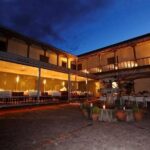
Night 2 is the standout: geodesic domes in the Loreta La Plata area. The dome format can feel more protected than open camping while still giving you the night-sky feeling people look for on mountain treks.
Night 3 is a 3 category hotel in Aguas Calientes. That’s a welcome reset after trekking and a good buffer day before Machu Picchu. It also gives you a chance to dry gear and refuel without thinking about campsite logistics.
Who this trek fits best (and who should think twice)
This tour is aimed at people with at least moderate physical fitness. The route includes long hiking days and high altitude walking, including the pass around 4600 m. Even with horses and a support team, you still need to be comfortable walking several hours a day.
It also makes sense if you want:
- a guided trek with English and Spanish support
- the convenience of transfers, entrance fees, and return train included
- a Machu Picchu day that blends a guided highlight circuit with your own exploring time
Think twice if you:
- know you struggle at high elevation (or you get sick easily with altitude)
- expect a short, easy walk. This is a trek, not a stroll.
- want completely flexible hiking lengths. There are options like vehicle transfer on Day 2, but the core schedule is still active.
The tour has a minimum of 2 people per booking, and it’s a private activity in the sense that only your group participates.
If you want to get the most from it: practical preparation
You’ll enjoy this trek more if you treat the altitude like it’s the main event, even though the views are the obvious headline.
I’d plan for:
- slow, steady effort on ascent days (especially Day 2)
- bringing comfortable hiking footwear you trust
- packing a day bag that’s easy to access when you’re trying to keep going without digging through gear
Also, since the route includes multiple sleep environments and early starts, keep your essentials simple: water bottle, light layers, and a plan for staying warm as temperatures drop at elevation.
One more small but useful detail: the tour recommends bringing your original passport, which matters for official access.
FAQ
FAQ
How long is the Salkantay trek to Machu Picchu?
It’s listed as 4 days (about 4 days total), with 3 nights on the route and then the Machu Picchu day.
Is pickup from Cusco included?
Yes. The tour includes pickup from your hotel in Cusco, plus private transportation to the trek starting area.
What’s included for meals and drinks?
The tour includes breakfasts (3), lunches (3), dinners (3), and hot drinks like tea and coffee. It also includes boiled water after breakfast so you can refill water bottles. Breakfast on the first day and lunch on the last day are not included.
What kind of lodging do you get?
You sleep in cabañas in Soraypampa, geodesic domes in the Loreta La Plata area, and a 3 hotel in Aguas Calientes.
Is Machu Picchu admission and guiding included?
Yes. Entrance to Machu Picchu is included, and you’ll take a 3-hour guided tour inside the citadel, plus time to explore on your own.
What is the cancellation policy?
You can cancel up to 3 days in advance of the experience for a full refund, and changes made less than 3 full days before the experience start time aren’t accepted.
Should you book this Salkantay-to-Machu Picchu 4D/3N tour?
If your goal is Machu Picchu with less hassle and more mountain time, I think this is a strong choice. The value comes from the package feel: guiding, entrance fees, transfers, lodging in multiple key locations, and built-in support like horses, trekking poles, and oxygen.
Book it if you’re ready for altitude and long walking days, but you want the confidence of a team handling the heavy logistics. Skip it (or choose a different style) if you’re expecting a gentle walk, or if high elevation usually knocks you out fast.