REVIEW · CUSCO
Inca Trail hike 4 days to Machu Picchu with panoramic Train
Book on Viator →Operated by Ultimate Trekking · Bookable on Viator
Four days later, Machu Picchu hits hard. This trek gives you the classic Inca Trail build-up—then lands you at Machu Picchu with a guide and a panoramic train ride back to Cusco. You’ll sleep in camp with tents, eat well thanks to a chef, and follow an English-speaking team from KM 82 to the ruins.
What I like most is the way the trip handles the hard parts for you: you get tents, meals, porters, and a chef, so your pack stays reasonable with a personal porter for up to 7 kilos. I also like the Machu Picchu rhythm—meeting the day early for the Sun Gate walk and then a guided visit before you branch out on your own time.
One thing to consider: this is an altitude and stamina test. You’ll cross high ground (including Dead Woman’s Pass at about 4,215 m), plus the start is early, and the itinerary assumes moderate fitness and good weather.
In This Review
- Key things to know before you go
- Getting on the trail: Cusco pickup at 4:30am and what that means
- Day 1 from KM 82 to Ayapata: first ruins, first camp view
- Day 2: Dead Woman’s Pass (about 4,215 m) and the hardest day
- Day 3: cloud-forest walking to Wiñay Wayna, plus a calmer finish
- Day 4: Sun Gate sunrise, a guided Machu Picchu walk, and the way back
- What you’re really paying for: value beyond the headline price
- Food, tents, and the porter system: the hidden heart of the trek
- Tickets, optional climbs, and how not to lose a day
- Weather and altitude: what can actually make or break your experience
- Who should book this Inca Trail and who should think twice
- Should you book this trip?
- FAQ
- How early is pickup on the first day?
- Where does the trek start, and how do I get there?
- What language are the guides?
- What is included in the price for the trek itself?
- Are meals included all four days?
- Do I need to bring a sleeping bag or mattress?
- Is the group large?
- Are vegetarian or vegan meals available?
- Do I need separate tickets for Huayna Picchu or Machu Picchu Mountain?
- What happens if the weather is bad?
- Should you book this trip?
Key things to know before you go
- Tents + chef + porters are included, so you’re hiking, not running a campsite.
- Small group size (max 16) with professional English-speaking guides.
- Day 4 starts at checkpoint opening (5:30 am) for the Sun Gate sunrise moment.
- Panoramic Vistadome train takes you back after Machu Picchu.
- Last-day lunch isn’t included, so budget for that meal.
- Huayna Picchu / Machu Picchu Mountain are optional but require advance ticket booking.
Getting on the trail: Cusco pickup at 4:30am and what that means
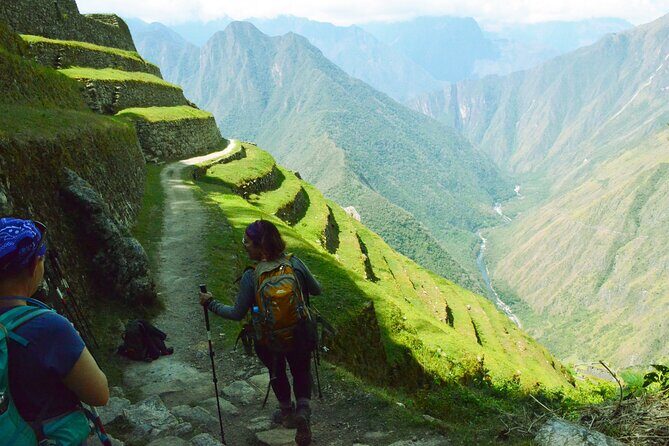
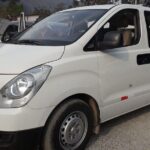
Your day starts fast. The pickup window is typically around 4:30 am (varies by where you’re staying), and the team drives you to KM 82 to begin the hike. That early start matters because it helps you get moving while your body is still adapting from Cusco altitude and before fatigue stacks up.
The practical bonus is that you don’t spend time hunting transport or figuring out meeting points in the dark. You’re also set up with mobile tickets, and you get an English-speaking guide throughout. For many people, the smooth logistics are part of the value: you’re buying time and energy back.
Group size is capped at 16 travelers, so you’re not buried in a huge herd. You still move at a hiking pace, but the day-to-day feels more like a team than a bus tour.
You can also read our reviews of more hiking tours in Cusco
Day 1 from KM 82 to Ayapata: first ruins, first camp view
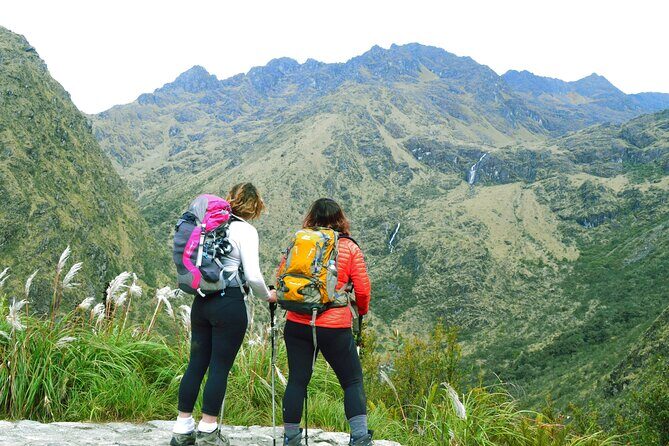
Day 1 is a gentle on-ramp to the Inca Trail. After breakfast at KM 82, you start with a relatively easy two-hour walk to the first Inca site stop: Patallacta. Then you hike about another two hours to Hatunchaca, where lunch is waiting.
After that, you continue for roughly another two hours to your first campsite at Ayapata, arriving around 5:00 pm. That pacing is intentional: you’re building rhythm without burning yourself out on day one.
A few numbers help you set expectations. You’ll cover about 13.5 km / 8 miles in roughly 8 hours, with a moderate difficulty level. Camp altitude is listed around 3,300 m (10,826 ft), so this is still thin air, but it’s not the pass-day stress that comes later.
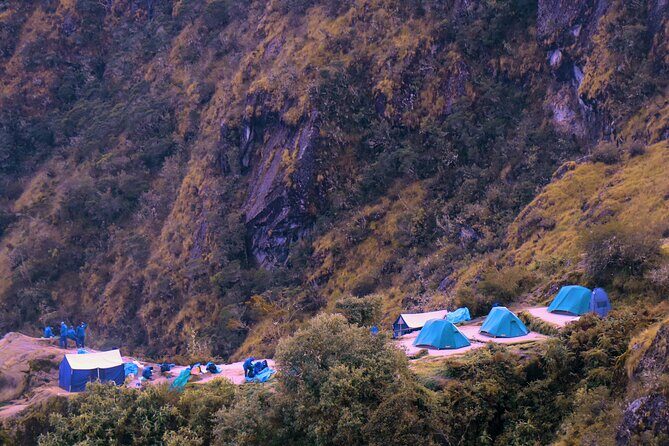
What makes Day 1 feel meaningful is the blend of walking and early Inca context—your first real “wait, this is real” moment comes before you even reach the big names people talk about. And then you get a rest period with mountain views before dinner, which is when camp setup really pays off. Tents, chef service, and porter logistics are part of why you arrive ready to relax.
Day 2: Dead Woman’s Pass (about 4,215 m) and the hardest day
Day 2 is the one most people brace for. You wake up with coffee or coca tea, eat breakfast, then start the uphill push that leads to Dead Woman’s Pass at about 4,215 m / 13,829 ft. This section is described as a 4-hour trek uphill, and it’s the toughest time on the itinerary.
At the summit, you pause to appreciate the quiet and the altitude. Then you descend for about 2 hours to lunch. That structure matters: you get a break after the climb, and the schedule helps you avoid the common mistake of racing uphill and crashing downhill.
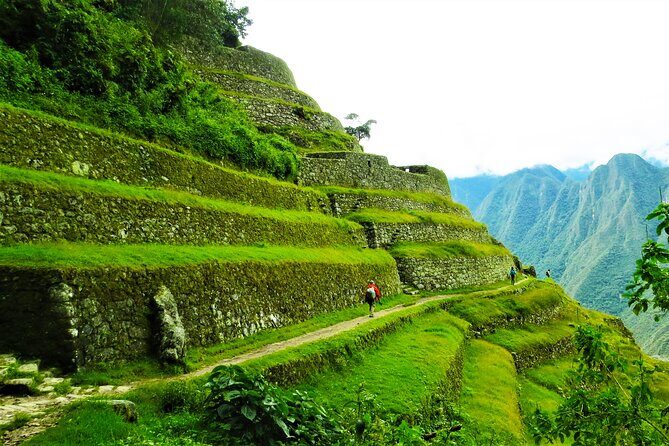
After lunch, you tackle a second pass that’s described as easier—about 2 hours climbing—and you stop to explore Inca sites along the way, including RuncuRaccay and Sayacmarca. By the time you reach Chaquicocha for the second campsite (around 3,600 m / 11,811 ft), you’ve done the big vertical work.
The day finishes with an advantage you’ll notice when you’re tired but wired: the campsite is a great place to stargaze. When the sky clears, it’s one of those “I earned this” moments—especially since you’re so high.
Distance is about 16 km / 9 miles, and the day runs around 10 hours, labeled moderate to difficult. If you’re the type who needs to keep moving steadily, this day will suit you. If you panic at steep climbs, go slow and let the guide help you pace.
Day 3: cloud-forest walking to Wiñay Wayna, plus a calmer finish
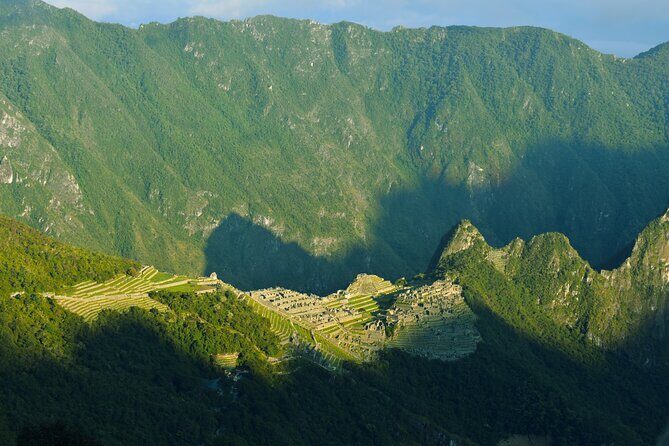
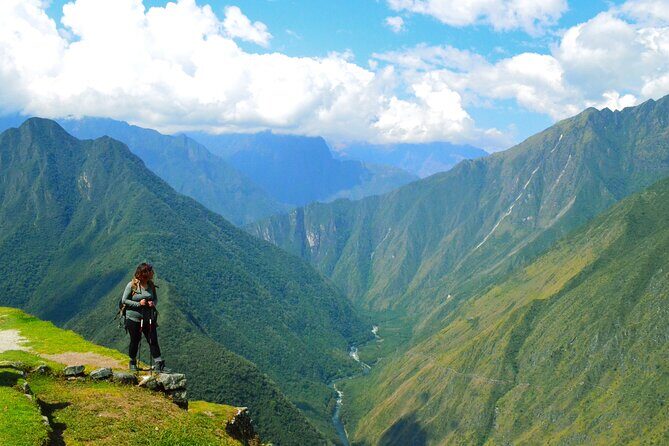
Day 3 is a shift. Instead of focusing on the highest pass, the route becomes more varied and lighter on the schedule. You’ve got about a 5-hour walk to the final campsite, and the day is described as passing through multiple ecosystems, including a cloud forest feel.
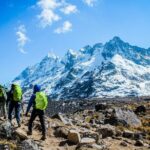
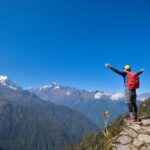
One highlight here is the viewpoint energy—you get panoramic views of Salkantay Mountain along the way. Even on days that aren’t the “highest altitude,” that kind of view is what makes the Inca Trail feel more than just exercise.
You’ll also visit key Inca stops:
- Phuyupatamarca, often referred to as the City in the Clouds
- Intipata, known for terraces of the Sun
You’re scheduled to reach the campsite around 1:00 pm, eat lunch, and then enjoy free time to rest. Later, you visit Wiñay Wayna. After that, you return for tea and dinner, and there’s a note that there’s a special surprise.
This is the day where camp comfort matters most, because you arrive earlier than the previous days. Even if you’re excited for Machu Picchu, use that built-in downtime. It’s how you set up a better Day 4 morning.
The numbers: roughly 10 km / 6 miles over about 6 hours, and the itinerary labels the difficulty easy. Don’t interpret “easy” as “effortless.” It just means the climb load is lower than pass day.
Day 4: Sun Gate sunrise, a guided Machu Picchu walk, and the way back
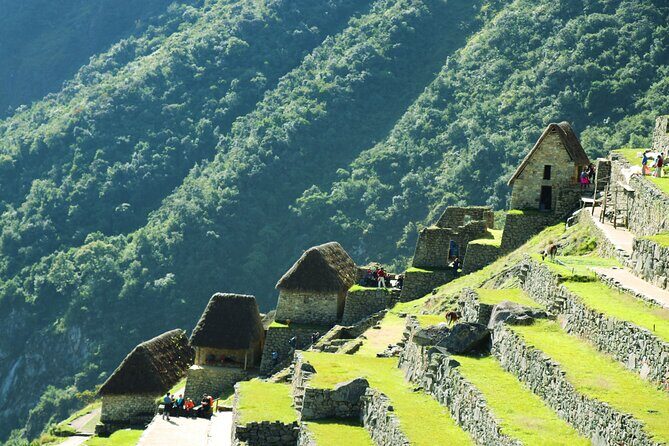
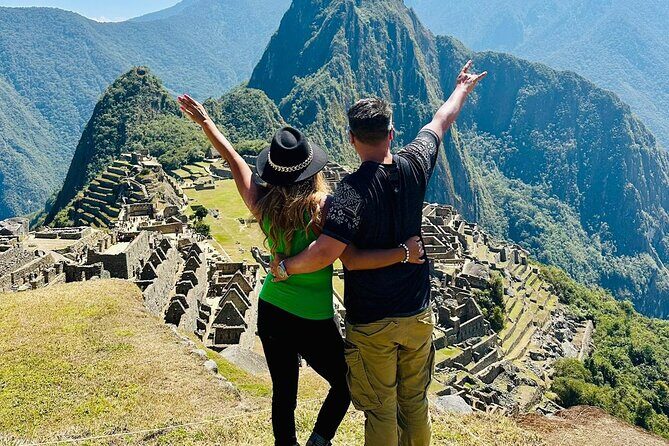
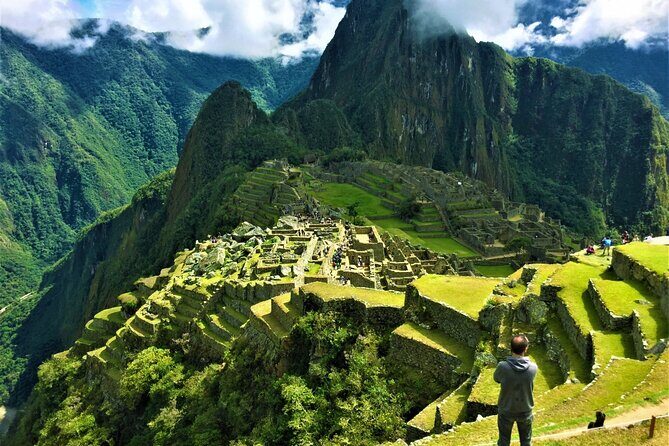
Day 4 starts early for a reason: you go to the checkpoint and wait until it opens at 5:30 am. You then walk about 1 hour to the Sun Gate. This is your sunrise moment—watch the light hit Machu Picchu from the higher viewpoint.
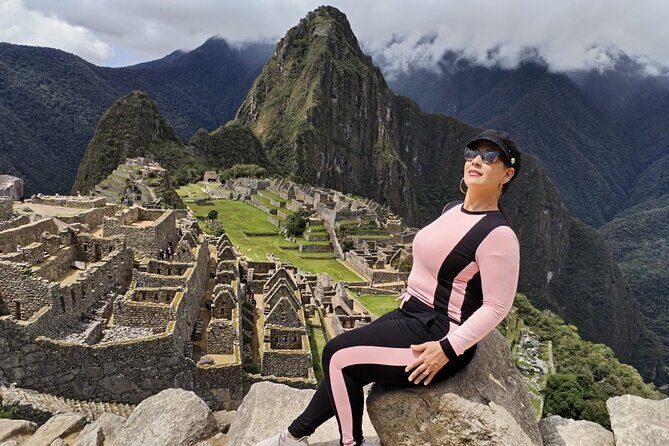
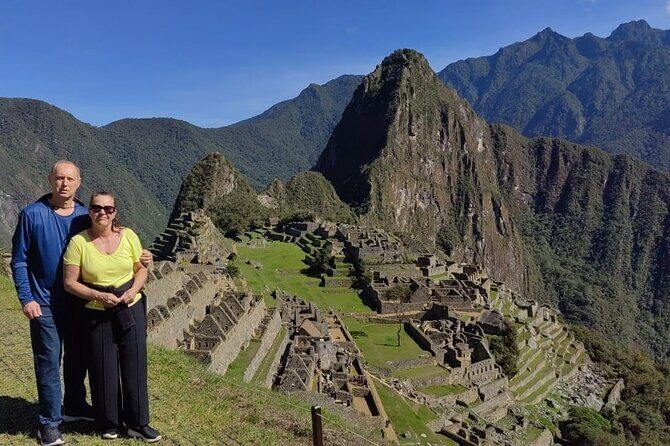
After that, you descend for about 1 hour to the ruins area. Your guide provides a 2-hour guided tour of Machu Picchu, which helps you understand what you’re seeing—how the sites connect, why certain structures matter, and what the layout meant.
Then comes your flexibility. After the guided portion, you’re free to explore on your own or try a climb:
- Huayna Picchu
- Machu Picchu Mountain
The key detail is that those mountain tickets must be booked far in advance. If you didn’t arrange that, no problem—you can still have a full day inside Machu Picchu and around the main areas.
For the logistics after your visit, your guide explains how to take the bus back to Aguas Calientes for lunch (lunch isn’t included) and then how to take the train and bus back to Cusco. The TreXperience team meets you off the train and returns you safely to your hotel.
The “panoramic” part of this experience isn’t just marketing. The included Vistadome panoramic train gives you a chance to decompress on the ride back, with mountain views as the backdrop.
You can also read our reviews of more tours and experiences in Cusco

What you’re really paying for: value beyond the headline price
At $799 per person, you’re not just paying for a trail. You’re paying for a whole support system to make the trek possible without a heavy pack and without running camp operations.
Here’s what’s included:
- Transportation throughout the trek (including airport transfers)
- Porters to carry food and equipment
- Chef to prepare all meals (except last day lunch)
- Professional English-speaking tour guides
- 4-man tents for every 2 people
- Vistadome panoramic train to return
- Personal porter for up to 7 kilos
- All taxes included
- Machu Picchu entry is handled as part of the included experience (last day shows admission as free)
What that means for you on the ground: you spend less time managing gear, less time boiling water, less time setting up, and less time worrying whether your “base camp plan” will work. That shifts your focus to hiking, acclimating, and taking breaks the right way.
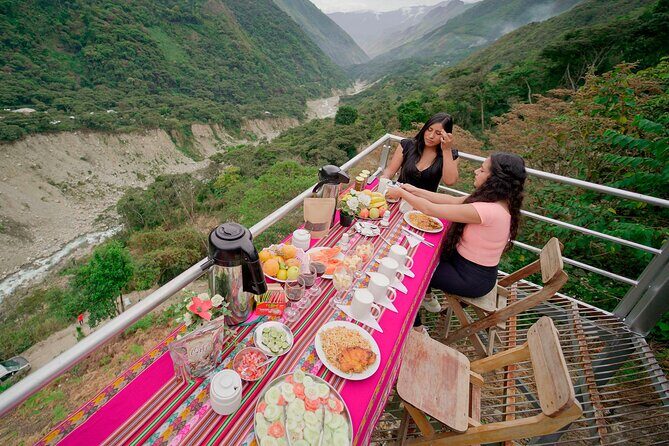
And the meals are a major part of why this trek feels civilized. The chef prepares breakfast, lunch, and dinner on the trail. Vegetarian and vegan options are available if you request them at booking. In one recent run, the kitchen was described as going above expectations for vegetarian needs, with extra care so diets didn’t feel like a compromise.
Food, tents, and the porter system: the hidden heart of the trek
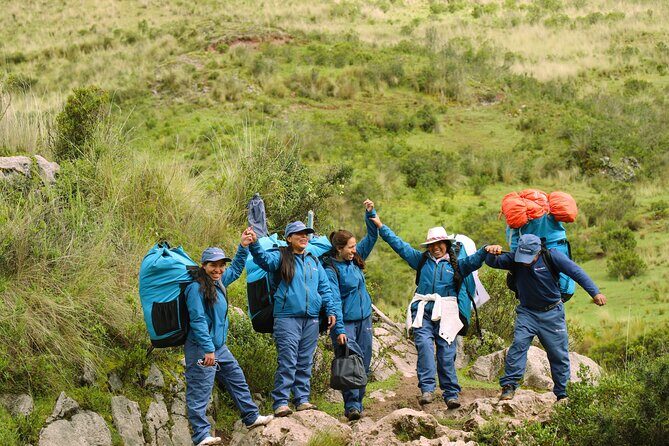
If you want the most practical reason to choose a guided Inca Trail program, it’s this: you’re riding the work of a team.
You’ll camp in tents (4-person tents for two people). The operation includes tents and a sleeping setup, but sleeping bags and inflatable mattresses aren’t included—you can rent them through the provider. Trekking poles can also be rented.
The porter-to-hiker setup can be impressive, especially with a group capped at 16. In one example group size, the support team included a large number of porters plus chefs and guides, which helps explain why camp seems ready when you arrive. Porters carry cooking and dining equipment too, so meals happen even when you’re miles from anywhere.
Bathrooms are another real-world detail. During the first half of the hike, there are basic toilet setups provided by locals, and they typically operate as pay toilets (think small cash). If you hate digging for coins, bring small denominations ahead of time and assume you’ll need a bit of cash on trail.
One more small but useful hint: if rain affects trails and camps, your route may adjust. Your goal still stays the same—get to Machu Picchu—but the exact campsite stops can change depending on conditions, like campsite closures.
Tickets, optional climbs, and how not to lose a day
Machu Picchu can be a ticket puzzle if you wait too long. The tour includes what you need for the main visit, and then offers optional upgrades via summit tickets.
- Huayna Picchu: optional, book in advance
- Machu Picchu Mountain: optional, book in advance
If you want the mountain climb, treat your booking date as part of your trip plan. No last-minute heroics here.
Also, expect buses and a short transit day flow after your ruins time. Your guide explains the bus route to Aguas Calientes for lunch and then how to get back to Cusco by train and bus. It’s a good system for people who don’t want to problem-solve in the middle of a high-stress day.
Weather and altitude: what can actually make or break your experience
This trek requires good weather. If the experience is canceled due to poor weather, you’ll be offered a different date or a full refund. That matters because rain can affect trail conditions and campsite availability.
Altitude is the other variable. Cusco sits high, and the itinerary climbs into the pass zone around 4,200 m. The program expects travelers with at least moderate physical fitness. You don’t need to be an athlete, but you do need to be willing to walk steadily while your breathing works differently.
What I recommend before you go:
- Plan an acclimatization window in Cusco if you can.
- Hydrate and take breaks when your guide suggests it.
- Go slower than you think on pass day. Speed rarely helps on steep altitude sections.
If you’re prone to getting overwhelmed by physical discomfort, choose a steady pace early. Day 2 is where you’re most likely to notice altitude stress, so pacing and rest are not optional.
Who should book this Inca Trail and who should think twice
This tour is a great fit if you want:
- The classic 4-day Inca Trail structure with multiple Inca sites along the way
- Expert guidance in English
- A “less logistical headache” approach thanks to porters and a chef
- A sunrise experience at Sun Gate
- Time after the guided tour to explore Machu Picchu at your own pace
It’s less ideal if:
- You want a relaxed, slow walk. Day 2 is still tough.
- You don’t want early starts (the checkpoint opening drives an early morning).
- You’re not willing to handle altitude and variable weather conditions.
For families: there’s an example of a 10-year-old completing the trek with this type of guided support, which suggests it can work if the child is comfortable hiking. Still, you’ll need to judge your group’s fitness honestly.
Should you book this trip?
Book it if you want an Inca Trail experience that’s focused on the trail and Machu Picchu, not on campsite logistics and meal planning. The value comes from the included support—tents, chef, porters, and transport, plus the Vistadome panoramic train—and that’s what keeps the trip feeling like a journey instead of a chore.
Hold off (or ask lots of questions) if you’re worried about altitude, you’re sensitive to early mornings, or you haven’t planned ahead for optional mountain tickets. For most people, the smartest move is simple: acclimate well in Cusco, pack smart for cold nights at altitude, and pace yourself on pass day.
If you do those things, you’ll be set up for the big payoff: a sunrise at the Sun Gate, a guided understanding of Machu Picchu, and four days that feel like real Inca Trail time.
FAQ
How early is pickup on the first day?
Pickup is typically between 4:30 am and 5:00 am, depending on where you’re staying in Cusco or the Sacred Valley.
Where does the trek start, and how do I get there?
The tour starts at KM 82, and the team drives you there as part of the included transportation from Cusco.
What language are the guides?
The guides are English speaking.
What is included in the price for the trek itself?
You get transportation, porters (including food and equipment), a chef to prepare meals, tents, admission tickets, and the panoramic Vistadome train back. Most meals on trail are included.
Are meals included all four days?
Breakfast, lunch, and dinner are included on the trek days. On the last day, lunch is listed as not included (breakfast is included).
Do I need to bring a sleeping bag or mattress?
Sleeping bag, inflatable mattress, and trekking poles are not included, but they can be rented from the provider.
Is the group large?
The maximum group size is 16 travelers.
Are vegetarian or vegan meals available?
Yes. Vegetarian and vegan options are available if you tell the provider at booking.
Do I need separate tickets for Huayna Picchu or Machu Picchu Mountain?
Yes. Those optional climbs require tickets booked in advance.
What happens if the weather is bad?
This experience requires good weather. If it’s canceled due to poor weather, you’ll be offered a different date or a full refund.
Should you book this trip?
Book it if you want the Inca Trail done the comfortable way—supported by porters, a chef, and included transport—while still getting the real hiking days and a sunrise at the Sun Gate. If you’re fit enough for Day 2’s pass and you’re ready for early mornings and altitude, this is a strong value. If you’re unsure about the passes or you’re hoping to wing optional summit tickets, plan ahead or consider a different itinerary.