REVIEW · CUSCO
4 Day Inca Jungle Trail with Capsule & Machu Picchu
Book on Viator →Operated by Inca Jungle en Capsulas · Bookable on Viator
A ride on two wheels, a day on the river, and then Machu Picchu at sunrise. That mix is why the Inca Jungle Trail with capsule is such a strong alternative to the classic Inca route. You’ll bounce from high-altitude passes to the jungle edge, sleep in a cliff-hanging glass dome, then finish with a guided Machu Picchu visit.
I love how the days feel purpose-built: every morning pushes you toward the next big moment, and the activities are clearly tied to the geography as you move from Cusco toward Aguas Calientes. I also like that the tour is packed but organized, with a bilingual professional guide and included meals that keep you from constantly hunting for food and time.
One possible drawback: this is not a sit-and-smile trip. You’ll be at altitude (the Málaga Pass is about 4,500 meters) and you’ll hike and raft, so you’ll want moderate fitness and a mindset for early starts.
In This Review
- Key things to know before you go
- Cusco to the jungle edge: why this itinerary works
- Day 1: Málaga Pass biking, Huamanmarca lunch, and Vilcanota rafting
- Practical note for Day 1
- Day 2: Inca Trail hike to Santa Teresa, Quellomayo by the river, and Cocalmayo hot springs
- Day 3: Capsule dome breakfast, Tibetan bridge, zip lining, and the train town of Aguas Calientes
- What to expect on the hike into Aguas Calientes
- Day 4: Sunrise Machu Picchu, guided time inside the sanctuary, and back to Cusco
- Price and value: is $750 a fair deal?
- Fitness level and reality checks (so you’re not surprised)
- When this tour is a great match
- Small details that can make a big difference
- Should you book the 4 Day Inca Jungle Trail with capsules?
- FAQ
- What is the starting location for this tour?
- Do you offer hotel pickup?
- What time does the tour start?
- Is the tour offered in English?
- What activities are included besides Machu Picchu?
- Where do you stay overnight?
- Are meals included?
- Is Machu Picchu visit guided?
- What kind of rafting is it?
- What fitness level do I need?
Key things to know before you go
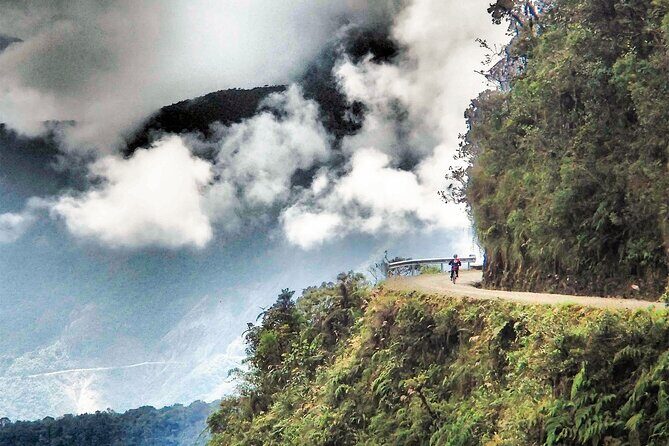
- Málaga Pass then downhill biking: you start high, then ride into the valleys.
- Class III and IV rafting on the Vilcanota: real rapids, not just a float.
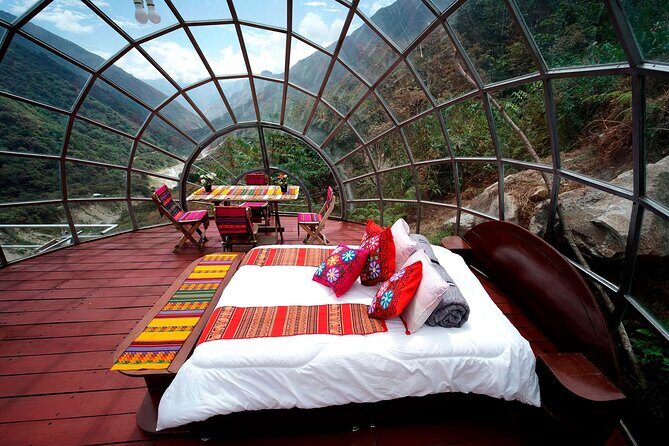
- Cocalmayo hot springs + suspended glass dome capsule: a unique sleep setup above the river.
- Tibetan bridge (150 m long, 200 m up): a serious crossing before more adventure.
- Machu Picchu with sunrise timing: a guided early visit from Aguas Calientes.
Cusco to the jungle edge: why this itinerary works
This tour does a smart thing: it doesn’t treat Machu Picchu as a one-day add-on. Instead, it builds momentum for four straight days, each one shaped by altitude and terrain. Starting in Cusco means you begin with the high-Andes feel. Then you work your way down through valleys until jungle life takes over.
That “downhill” feeling is part of the charm. Your body will feel the change, too. You’ll go from thin air near the Málaga Pass to warmer, wetter conditions as you get closer to Santa Teresa and the river systems around the Vilcanota.
You can also read our reviews of more tours and experiences in Cusco

Day 1: Málaga Pass biking, Huamanmarca lunch, and Vilcanota rafting

Your day starts with hotel pickup around 7:00 a.m. in Cusco, then a drive up to the Málaga Pass (about 4,500 meters). This is the high point of the journey. Expect the air to feel thinner—plan to take it slow, drink water, and treat your first moments at altitude like a warm-up.
At the pass, your guide performs a brief Inca ceremony, then you’re off for the downhill biking. The bike portion runs about three hours, aiming you toward Huamanmarca, an archaeological site. You arrive around 1:30 p.m. and then you get lunch—right when you’re ready for it. After that, the day changes gear again with rafting.
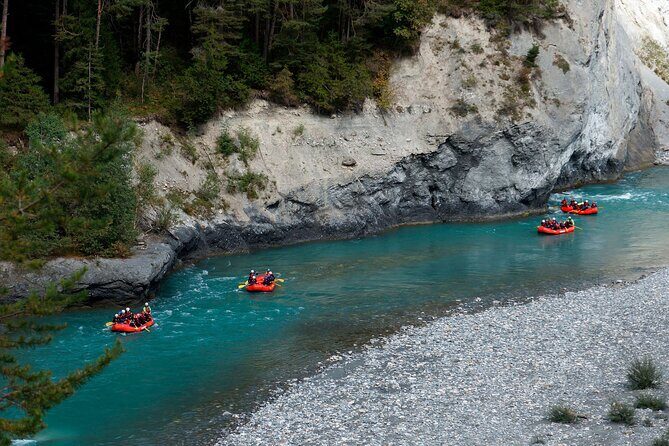
The rafting is on the rivers where Salkantay and Urubamba meet to form the Vilcanota River. You’ll run Class III and IV rapids, which is the kind of grade that needs focus, teamwork, and calm instructions. If you’ve only done easy rafting before, this is a meaningful step up—but it’s also one of the most memorable parts of the route because it’s tied directly to the region’s river power.
You finish Day 1 in Santa María at a tourist lodge, with time to recover before the longer hike days ahead.
Practical note for Day 1
Bring patience for the travel time. This is an active itinerary, but it still depends on roads, river access, and timing.
Day 2: Inca Trail hike to Santa Teresa, Quellomayo by the river, and Cocalmayo hot springs
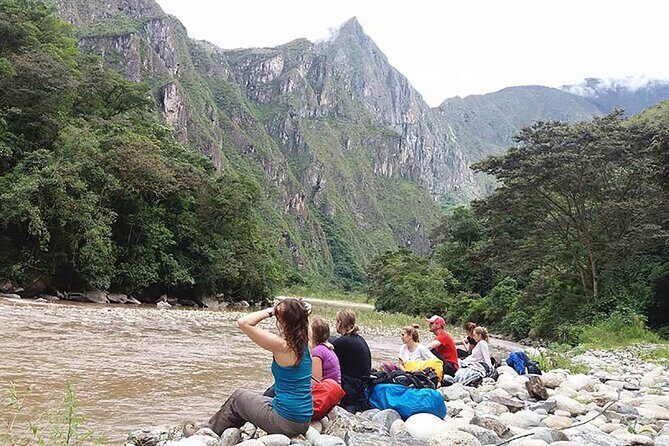
Day 2 starts with a hike toward Santa Teresa, and the first stretch is a workout. The first two hours are a continuous ascent through dense jungle vegetation, with views of the Salkantay snow-capped peak and the Santa Teresa Valley. The route includes rest stops where your guide talks about local flora and fauna—use those breaks wisely, because you’re gaining elevation while the jungle tests your pace.
After the climb, you descend along the Inca Trail until Quellomayo, where lunch is served by the river. Then you hike again for about two hours to reach Cocalmayo hot springs. This is a smart placement for the soak: you’ve done hours of leg work, so soaking after the hike is less of a luxury and more of a reset.
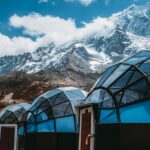
Then comes the overnight hook. You head to the capsule hotel in Santa Teresa, described as glass domes suspended on the mountainside—about 500 meters above the river. It’s the kind of sleep setup that changes how you experience the night. You get comfort, privacy, and big views, and the idea of stargazing from your bed is exactly what people remember.
Day 3: Capsule dome breakfast, Tibetan bridge, zip lining, and the train town of Aguas Calientes

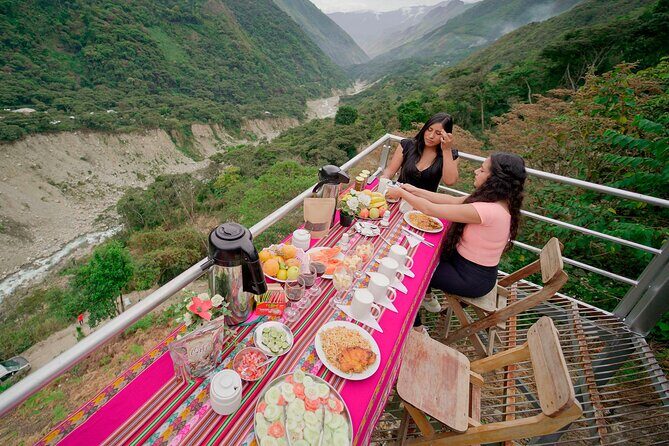
You start Day 3 with a local breakfast on the terrace of the Capsule Dome Restaurant. It’s a small detail, but it fits the theme: you’re not just passing through Santa Teresa. You’re living in the place for a moment before it moves you onward.
Then you jump into more big-adrenaline activities. First is crossing the Tibetan suspension bridge, which is over 150 meters long and about 200 meters above the ground. Next comes zip-lining or canopy tours, run with experienced mountain guides. This isn’t just about thrills; it also helps break up the hiking rhythm so you don’t feel like you’re doing the same effort all day.
After the adventure, you transfer about one hour to the Hydroelectric Station area, arriving around 12:00 p.m. for lunch. Then you hike roughly three hours to Aguas Calientes, reaching town around 5:30 p.m. That timing matters because Machu Picchu day starts early, so you want enough evening recovery.
Dinner and rest are included in your comfortable accommodations in Aguas Calientes.
What to expect on the hike into Aguas Calientes
You’ll likely feel it in your calves and knees after two active days already. The upside is that you’re close to the finish line, and Aguas Calientes makes it easy to be ready for sunrise.
Day 4: Sunrise Machu Picchu, guided time inside the sanctuary, and back to Cusco

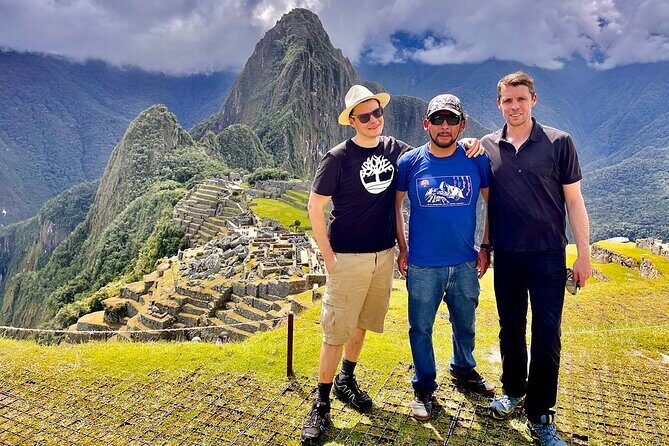
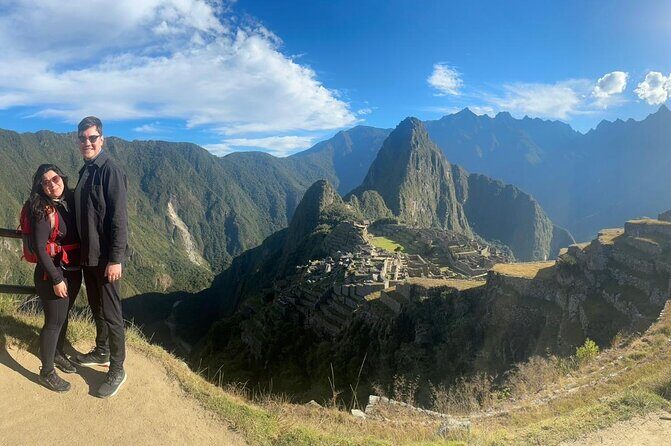
Day 4 is the payoff day. You’ll wake up very early to catch sunrise over Machu Picchu. Your guide accompanies you at all times during the visit, and the guided tour is about two hours.
A guided visit changes how you experience Machu Picchu. It helps you connect what you’re seeing—temples, terraces, city layout—to what it meant in Inca life, without you needing to decode everything yourself while time is limited.
After the guided tour, you descend back to Aguas Calientes, then you return to Cusco the same day. The tour length is listed around 4 hours for Day 4, but your day still starts extremely early, so plan for an early night on Day 3.
Price and value: is $750 a fair deal?
At $750 per person, you’re not buying just a hike. You’re paying for multiple guided adventure components plus the capsule sleep experience, and that shifts the value equation.
Here’s why it can feel worth it:
- Lots of included activities: biking, rafting, zip lining (or canopy), hot springs, plus a guided sunrise visit to Machu Picchu.
- Guides and safety support: you get professional bilingual guidance and instruction during the active segments.
- Meals are largely handled: three breakfasts, three lunches, and three dinners are included. You’re less likely to blow your budget on last-minute meals while tired.
What might make the price feel high for some people is the early-morning schedule and physical effort. If you’re hoping for a lighter experience, you might decide you’d rather spend less on a more relaxed itinerary. But if you want the “several adventures in one package” style, the included components are the point.
Fitness level and reality checks (so you’re not surprised)
The tour is listed for people with moderate physical fitness. That’s fair, but it helps to interpret it in practical terms.
- You’ll be at 4,500 meters early on Day 1, where exertion can feel harder.
- You’ll bike downhill for hours, then raft Class III/IV rapids later that day.
- Day 2 and Day 3 include significant hiking time, not just short walks.
Also, plan for the fact that this is a private tour/activity, meaning your group’s pace and schedule are more tightly managed. That’s a benefit if you like focused attention, but it also means you should show up ready.
When this tour is a great match
This is a strong fit if you:
- Want an active route to Machu Picchu, not a single-file hiking day
- Love the idea of sleeping in a suspended glass dome capsule
- Prefer a plan where most logistics and meals are handled for you
- Feel comfortable with early starts and long travel days
You’ll also like it if you’re chasing a more “lived-in Peru” feeling. The day-to-day mix includes archaeological stops and jungle-zone activity, plus time built around local environments like river valleys and hot springs.
Small details that can make a big difference
A few items from the experience description and the adventure style matter more than they sound.
- Pace control from guides: the itinerary repeatedly includes breaks, instruction, and guided transitions. That’s how you stay safe and avoid burning out too early.
- Hot springs timing: Cocalmayo is placed after a long hike segment. You’re less likely to treat it like a quick stop and more likely to actually feel better afterward.
- Machu Picchu sunrise focus: early timing is a key part of the tour’s identity, and it means your energy matters.
Some departures also include local stops for food culture, like coffee farm experiences. Even when those moments are brief, they help the trip feel more than a checklist.
Should you book the 4 Day Inca Jungle Trail with capsules?
I’d book it if you want a high-energy, guided route that combines multiple adventure styles and ends with a sunrise Machu Picchu visit. The value is strongest if you like the idea of packing a lot into four days without having to plan meals, gear, or between-activity timing.
I would hesitate if you’re injury-prone, easily spooked by heights, or want Machu Picchu with a slower schedule. The Tibetan bridge is high, the rafting is real, and the hiking adds up across consecutive days.
If your goal is a more “classic” Inca Trail vibe with fewer adrenaline elements, you might choose something else. But if your dream includes biking, rafting, and sleeping under the night sky in a glass dome capsule, this itinerary is built for that.
FAQ
What is the starting location for this tour?
The tour starts in Cusco, Peru. Your ticket redemption point is Cusco.
Do you offer hotel pickup?
Yes. Pickup is offered, and the guide will identify themselves at the hotel reception to begin the tour.
What time does the tour start?
The meeting start time is listed as 4:30 am.
Is the tour offered in English?
Yes, it is offered in English.
What activities are included besides Machu Picchu?
The included activities are full biking equipment, rafting, zip line, hiking, and a capsule hotel night. You’ll also cross a Tibetan suspension bridge.
Where do you stay overnight?
You sleep at a tourist lodge on Day 1 (in Santa María) and at a suspended capsule hotel in Santa Teresa on Day 2. On Day 3, you stay in accommodations in Aguas Calientes.
Are meals included?
Yes. The tour includes three breakfasts, three lunches, and three dinners. The not-included items are the first breakfast and the last day lunch and dinner.
Is Machu Picchu visit guided?
Yes. A guide accompanies you at all times during your Machu Picchu visit, for about two hours.
What kind of rafting is it?
It includes rafting with Class III and IV rapids on the rivers that form the Vilcanota River.
What fitness level do I need?
You should have a moderate physical fitness level.