REVIEW · CUSCO
Heidi Sacred Valley and Machupicchu (2 Days)
Book on Viator →Operated by Heidi Travel EIRL · Bookable on Viator
Machu Picchu is the easy part here. This 2-day run ties together the Sacred Valley’s real work-life places—mudbrick villages, salt mining, and Inca farming experiments—then lands you at Machu Picchu with a guided visit and set train-and-bus timing. You’ll follow a Sacred Valley circuit before you even think about the citadel views.
What I like most: you get a bilingual English/Spanish guide with Machu Picchu guidance, and the big logistics are handled (Expedition train plus the bus up and down), so you aren’t piecing the day together yourself. One thing to watch is the cost stack: the price is $579, but some meals and accommodation aren’t included, and there’s also a Sacred Valley entrance fee listed separately.
In This Review
- Key things to know before you go
- The Sacred Valley-to-Machu Picchu rhythm (and why it matters)
- Cusco morning pickup: start early, stay central
- Chinchero: rainbow myth, Inca stone niches, and a church worth stopping for
- Maras salt pans: 6,000 pools, 500+ years of work
- Moray: the Inca’s circular crop lab and the idea of microclimates
- Urubamba: practical pit stop with good timing
- Ollantaytambo: cobblestone living ruins and the last stop before the train
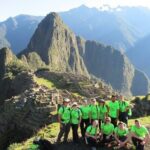
- Machu Picchu day: train, bus up, two hours guided, then your camera time
- What’s included vs. what you’ll likely pay out of pocket
- How much you’ll enjoy this tour (based on the kind of travel you like)
- Should you book Heidi Sacred Valley and Machupicchu?
- FAQ
- Where is the pickup for this tour?
- What time does the tour start?
- What languages are the guides offered in?
- Is Machu Picchu entrance included?
- Are the train and bus tickets included?
- How long is the Machu Picchu visit with the guide?
- What meals are included, and what costs extra?
- What is not included besides meals?
Key things to know before you go
- Small group (max 15) makes the pacing feel manageable instead of chaotic
- Bilingual guide (English & Spanish) keeps explanations clear at each stop
- Machu Picchu includes entrance + a set guided visit (about 2 hours), then you get free time
- Train + bus are included using the Ollantaytambo ⇄ Aguas Calientes route
- Salt pans + Inca farming experiments are the star pair in the Sacred Valley
The Sacred Valley-to-Machu Picchu rhythm (and why it matters)
This tour is built around a simple idea: don’t treat Machu Picchu as a one-stop photo mission. You start in the Sacred Valley, where you can actually read how the Incas (and earlier cultures) shaped the land—terraces, water control, and even salt production. It makes the big moment at Machu Picchu feel earned, not random.
Logistically, you’re also set up for less stress. Morning pickup in Cusco’s historic center starts the day off in a clean, organized way. Then the tour moves place to place—Chinchero, Maras, Moray, Urubamba, and Ollantaytambo—before it hands you off to Machu Picchu day two with train and bus already mapped out.
The main trade-off is time on the road. Sacred Valley drives take effort, and you should expect a packed feel, especially on day one.
You can also read our reviews of more tours and experiences in Cusco
Cusco morning pickup: start early, stay central
The tour starts at 7:00 am, with pickup from your hotel in Cusco’s historic center. That detail matters more than it sounds. If you’re staying outside the historic center (or in a private residence not covered by pickup), you could lose this convenience and end up handling part of the day yourself.
Starting early also helps with Machu Picchu timing later. Your day two plan depends on catching the right train and the bus window to the citadel.
If you like a clean plan and clear handoffs, this model works well: you’re picked up, guided between sites, and then guided again on Machu Picchu day.
Chinchero: rainbow myth, Inca stone niches, and a church worth stopping for
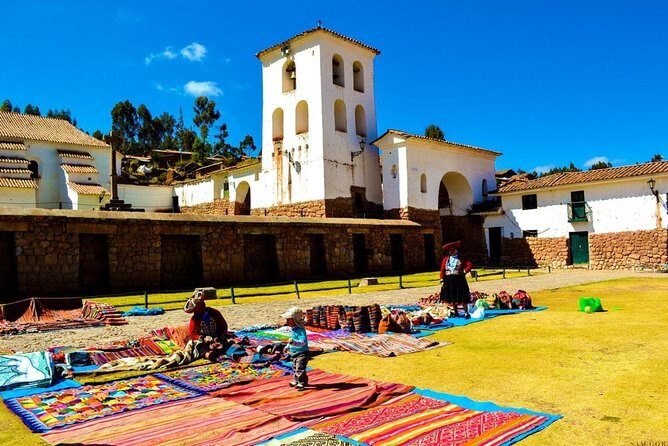
Chinchero sits high up on Anta’s windswept plains at about 3,765 meters, roughly 30 km from Cusco. From here, the views can feel wide and sharp—Cordillera Vilcabamba and Salkantay in the distance are the kind of backdrops that make you understand why people lived on these ridges.
This stop earns its time in two ways:
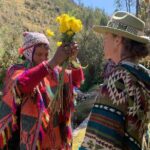
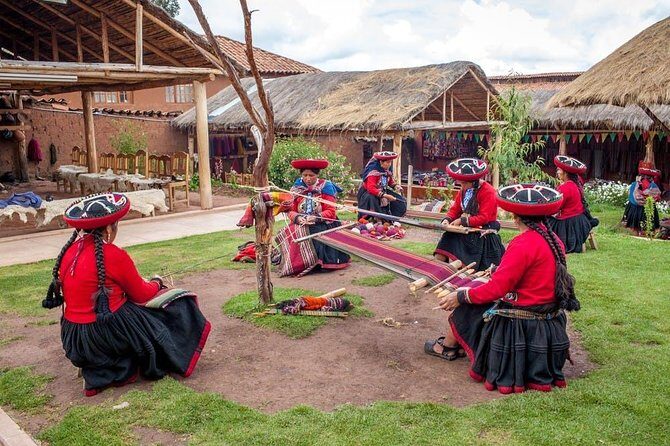
- A living community vibe. You’re not just looking at ruins. You’re moving through a small village where locals still handle everyday life in traditional dress.
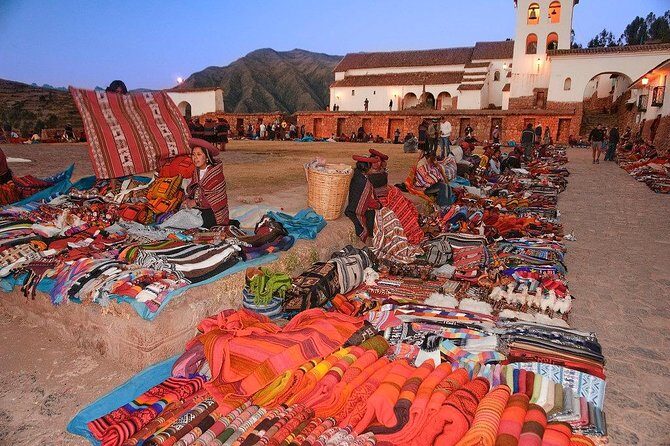
- Inca layers you can actually see. In the main plaza, an adobe colonial church rests on foundations tied to an earlier Inca temple or palace. The church interior has floral and religious designs, and the plaza includes a massive stone wall with ten trapezoidal niches.
There’s also a Sunday market angle. Chinchero’s market is described as less tourist-oriented than Pisac, which is exactly what you want if you’re after real texture rather than souvenir noise.
Practical note: entry is listed as free with about 45 minutes allotted, so don’t plan to linger forever. If you’re serious about photography, keep an eye on time and choose your best vantage points early.
Maras salt pans: 6,000 pools, 500+ years of work
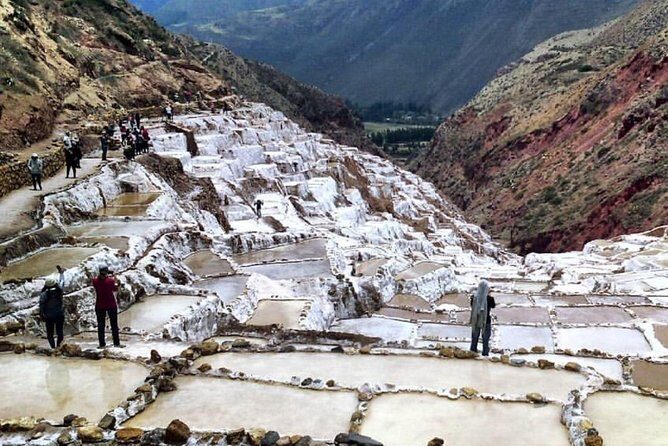
Maras is where the Sacred Valley turns practical. You’re seeing a process—salt harvesting—that’s been practiced for centuries. These are the Salineras de Maras: thousands of shallow pools carved into the mountain side, where brine evaporates and leaves salt crystals behind.
Here’s what makes this place more than a pretty hillside:
- There are said to be over 6,000 salt pans near Maras.
- Each pan is small—about 13 square feet or less and less than 1 foot deep.
- The process is cycle-based: brine is channeled into the pans, water evaporates, then local workers scrape crystals, and once a pan is harvested it’s refilled.
The tour info also highlights a long timeline. It’s believed the Wari civilization built earlier versions, and the Inca expanded the system because the salt was valuable. Today, local community members have exclusive mining rights to the salt pans near Maras.
Expect a short stop—about 1 hour—with entry listed as free on the tour’s side. You might also see a low-cost guided exploration option for the site (listed at 10 soles), and you can buy Andean salt afterward as a souvenir if you want.
One consideration: this isn’t a quiet, museum-style experience. It’s a working landscape, and you’ll likely be walking around uneven ground and viewing the pools from areas that can feel crowded on busy days.
Moray: the Inca’s circular crop lab and the idea of microclimates
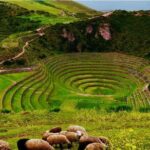
Moray is about 4.5 miles from Maras and roughly 39 miles from Cusco. The headline feature is its circular terraces—agricultural steps built with retaining walls and an irrigation system. The terraces go down as deep as about 330 feet, which is a wild number until you’re standing there and looking into the bowl-shape design.
Why Moray matters is the intention behind it. The terraces were used to create microclimates—small temperature and growing-condition differences—so farmers could experiment with crops. In other words: this is not just an impressive ruin. It’s a farm lab, designed to test and adjust.
The tour lists admission as included here, and the time slot is about 1 hour. That hour can feel like a quick glance at something deep, so keep your questions simple: how does the irrigation feed the terraces? why the circular shape? how did the Inca use depth to change conditions?
If you like farming history and engineering, Moray usually becomes one of those stops that sticks with you long after Machu Picchu day.

Urubamba: practical pit stop with good timing
Urubamba is a busy, unadorned hub—more “how we get around” than “look at this ancient site.” The tour doesn’t position it as a major historical stop, and that’s consistent with what you’ll feel on the ground: it’s a base area with hotels and tour traffic, located in lower altitude foothills near snowy peaks.
So what’s the value of stopping here? It’s timing and context. You’re transitioning from terrace-and-salt stops toward the final gateway town—Ollantaytambo—which feeds the train schedule for Machu Picchu.
Expect about 1 hour, with entry listed as free. If you’re hoping for an all-day wandering vibe, Urubamba isn’t the stop for that. It’s more like a breather and a location marker: you’re moving closer to the rails.
Ollantaytambo: cobblestone living ruins and the last stop before the train
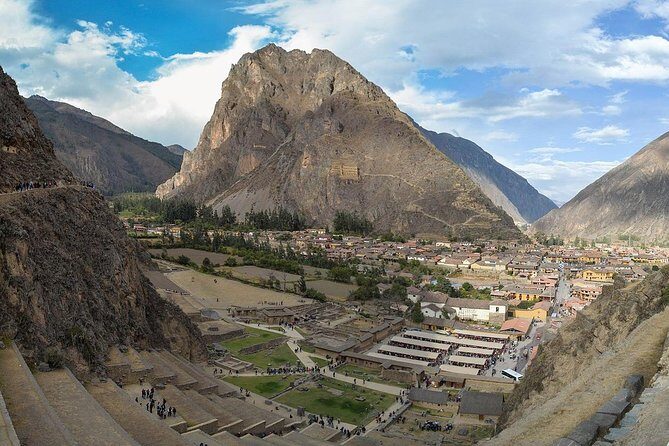
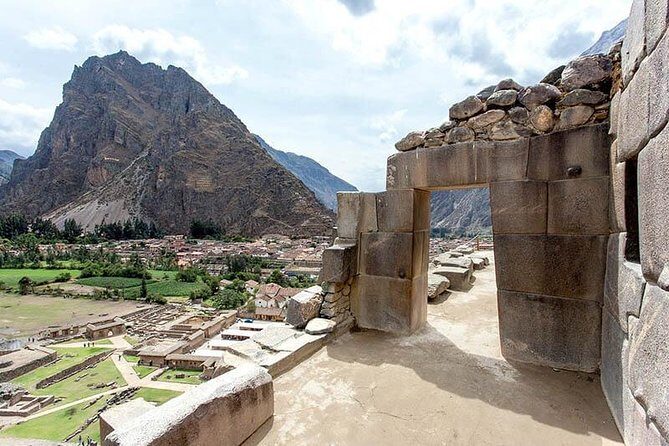
Ollantaytambo is one of the Sacred Valley towns I’d recommend even if you weren’t continuing to Machu Picchu. It’s about 60 km from Cusco, and it’s described as a strong surviving example of Inca architecture.
The details that make it feel special are:
- The town is called Ollanta locally, with a population just over 2,000.
- Streets are narrow and cobblestoned, and the area is described as continuously inhabited for 700 years.
- It sits as the “end of the road” point in the valley, right before you get on the train.
That continuity matters because it changes your mindset. Instead of seeing ruins that look abandoned, you’re seeing stones built for living, then adapted across centuries.
This stop is allotted about 8 hours on the tour information, and admission is listed as free. That long window makes it more likely you’ll have time to slow down, shop a bit, and get oriented for day two.
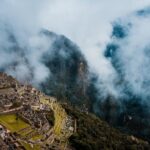
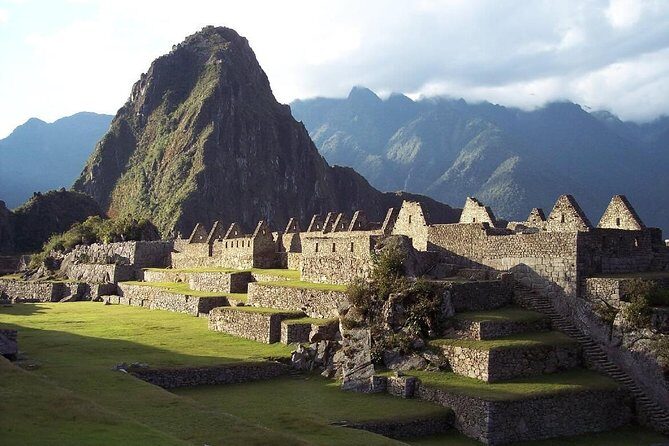
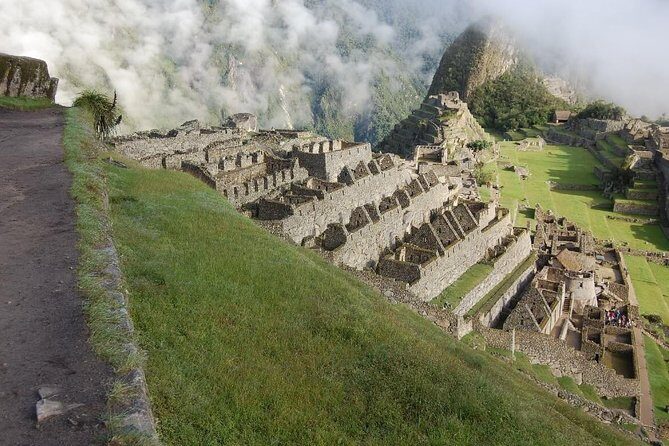
Machu Picchu day: train, bus up, two hours guided, then your camera time
Day two is the heart of the trip, but it’s also where good planning shows.
You transfer from your lodging area in Ollantaytambo to the station in which your ida train is addressed for the first hours of morning. Once you arrive in Aguas Calientes, the guide meets you and directs your walk up to the bus, then you head up to Machu Picchu.
At the citadel:
- You enter and get about 2 hours of guidance.
- After guidance, you have free time to photograph, record videos, and take in the site at your own pace.
When the visit ends, you go back down to Aguas Calientes (the tour info calls it “Hot Waters”), where you can lunch. Then you return to the station and take your Expedition train back on the route Hot Waters (Aguas Calientes) ⇄ Ollantaytambo. You’ll wait for the return transportation back toward Cusco.
The practical beauty of this setup is that your hardest timing challenges are already handled:
- Train ticket is included.
- Bus up and down is included.
- Machu Picchu entrance is included.
- You don’t need to coordinate guide meeting points alone.
The main consideration is simply energy. Machu Picchu day is long even when logistics are good. Your best bet is to go in with the mindset of: guide time for structure, free time for your own rhythm.
What’s included vs. what you’ll likely pay out of pocket
The listed price is $579 per person for about 2 days. It includes a lot of the expensive, scheduling-sensitive pieces:
- Breakfast
- Lunch
- Machu Picchu entrance
- Expedition train ticket (Ollantaytambo → Aguas Calientes → Ollantaytambo)
- Bus (Aguas Calientes → Machu Picchu → Aguas Calientes)
- Bilingual guide (English & Spanish)
That’s solid value because train tickets plus Machu Picchu entry plus the bus are usually the items that blow up budgets or create last-minute stress.
Now the extras you should plan for:
- Meals: listed as $50 per person (and it also lists a $35 Machu Picchu lunch).
- Sacred Valley entrance fee: listed as PEN 70 per person, even though some specific stops are described as free entry.
- Accommodation: listed as $45 per person.
Because those costs are itemized, you can budget more accurately. Just don’t assume “tour price” equals “everything except souvenirs.” You’ll still need money for food between scheduled meals and for lodging.
How much you’ll enjoy this tour (based on the kind of travel you like)
This is a good match if you want:
- A guided introduction to the Sacred Valley that explains what you’re seeing, not just where to stand
- A structured Machu Picchu visit with set guidance time, then breathing room to photograph
- A smaller group size (max 15), which usually means easier questions and less waiting
It may be less ideal if you prefer total freedom. This plan uses specific stops and tight transitions—especially with the train-bus rhythm on day two—so spontaneity is limited.
If you’re a solo traveler, this style can feel reassuring. The tour information and past feedback emphasize care for comfort and responsiveness, and the group size helps you feel less exposed while still getting personal attention.
Should you book Heidi Sacred Valley and Machupicchu?
I’d book it if your top goal is to see the main Sacred Valley “why this works” stops—Chinchero, Maras salt pans, Moray, Ollantaytambo—and then do Machu Picchu with guide context and included entry/trains. The strongest value is that the hard logistics are handled, while you still get real time at important places.
I’d hesitate if you’re trying to squeeze costs tightly or you hate paying extra for meals and lodging. Also, if you want to roam long stretches on your own, this tour’s schedule will feel too structured.
If you like clear plans, good pacing, and meaningful stops before the big one, this looks like a smart, practical choice for a 2-day Peru hit.
FAQ
Where is the pickup for this tour?
Pickup is offered from hotels within the historic center of Cusco. Pickup isn’t included for private residences such as Airbnb or hotels outside the historic center.
What time does the tour start?
The start time is 7:00 am.
What languages are the guides offered in?
The tour includes a bi-lingual guide in English and Spanish, and the tour is offered in English.
Is Machu Picchu entrance included?
Yes. Machu Picchu Entrance is included.
Are the train and bus tickets included?
Yes. The tour includes the Expedition Train Ticket (Ollantaytambo–Aguas Calientes–Ollantaytambo) and the Bus (Aguas Calientes–Machu Picchu–Aguas Calientes).
How long is the Machu Picchu visit with the guide?
You get about 2 hours of guidance at Machu Picchu, followed by free time to photograph and record videos.
What meals are included, and what costs extra?
Breakfast and lunch are included. The tour also lists additional meal costs (including lunch in Machu Picchu) as not included.
What is not included besides meals?
Accommodation is not included (listed as $45 per person), and a Sacred Valley entrance fee of PEN 70 per person is listed as not included.