REVIEW · CUSCO
Cusco: Moray, Maras Salt Mines, and Chinchero Weavers Tour
Book on GetYourGuide →Operated by Machupicchu Adventour · Bookable on GetYourGuide
Sacred Valley farms meet real Inca engineering. This 6-hour Cusco tour strings together Chinchero textiles, Moray’s terrace system, and the Maras Salt Mines, with big mountain views along the way and a good bilingual guide at the center of it all. You get a mix of culture and hands-on learning, without committing to a full day of transit.
Two things I especially like: the engineering you’ll see at Moray at 11,318 feet, and the way the guide ties it to how people actually worked the land. The terraced layout and irrigation design make the place feel logical, not just scenic.
One possible drawback: it’s a tight schedule. You’ll have short windows at Chinchero, Moray, Maras Village, and Salineras, so if you want long, slow wandering time, you may feel a bit rushed—especially when altitude already makes you move at a calmer pace.
In This Review
- Key Points You’ll Care About
- Cusco to the Sacred Valley: a smart half-day mix of farming, salt, and textiles
- Chinchero Weavers: Quechua textiles and plant-based color work
- A practical shopping tip (so you don’t regret it)
- What to watch for with language
- Moray’s Inca terraces: how the irrigation system makes sense of the views
- The best way to enjoy Moray
- Time reality check
- Maras Village: colonial-era buildings in a stone-thin setting
- What you should expect on the ground
- Salineras Salt Mines (Salineras): 3,000 pools and salt production that still matters
- Why Salineras is so memorable
- Timing reality check
- Transportation, altitude, and how to make the day feel easy
- Altitude tip that actually helps
- What group size means for your experience
- Price and value: what $14 covers, what costs extra, and if it’s worth it
- Who gets the best value here
- How good guiding changes everything (and why it’s the core of this tour)
- Is this the right Cusco tour for you?
- Should you book: Moray, Maras Salt Mines, and Chinchero Weavers Tour?
- FAQ
- How long is the Cusco Moray, Maras, and Chinchero tour?
- Where does the tour pick up and where does it end?
- Are entrances to Moray and the Salineras Salt Mines included in the price?
- What languages are available for the live tour guide?
- How big is the group?
- Does the tour include transportation?
- What should I bring for the day?
Key Points You’ll Care About
- Chinchero weavers with natural dye plants and a real look at the Quechua tradition
- Moray terraces at 11,318 feet where the irrigation system explains Inca farming logic
- Maras Village colonial architecture with thin-stoned building styles in a compact setting
- Salineras Salt Mines with 3,000 small pools tied to pre-Inca salt origins
- Small group size (up to 12) plus bilingual guiding in English and Spanish
Cusco to the Sacred Valley: a smart half-day mix of farming, salt, and textiles
This tour works when you want a “greatest hits” feel for the Sacred Valley, but you still like details. In about 6 hours, you’ll move through four distinct places: Chinchero for weaving, Moray for Inca agriculture, Maras Village for colonial-era textures, and Salineras for salt production that still continues today.
The pacing is tour-style, not slow travel. Each stop has a guided element plus time to look around and take photos. That can be a plus if you’re on a schedule, and a minus if you’re the type who wants to sit with one place for a long time.
Also, this is high altitude country. Chinchero is listed at 3,762 meters, and Moray sits even higher than Cusco feels at first. So bring your patience as well as your sunscreen.
You can also read our reviews of more tours and experiences in Cusco.



Chinchero Weavers: Quechua textiles and plant-based color work
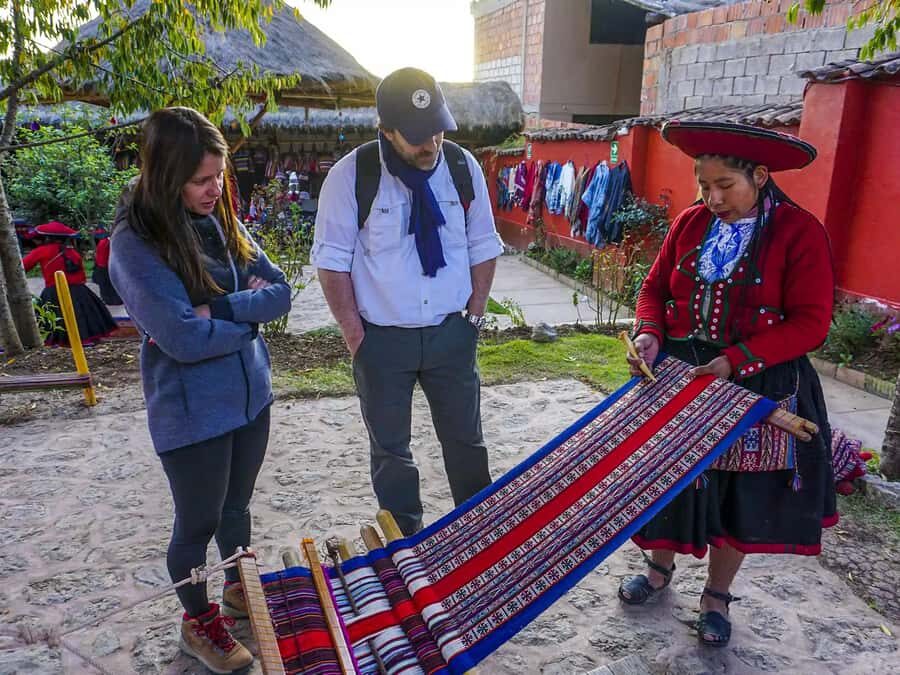
Chinchero is where the tour starts to feel personal. The district is known for continuing the Quechua tradition, and your visit includes a weaving workshop where you can see how artisans work. The standout learning point is the use of natural plants to extract colors for Andean art. It’s the kind of explanation that makes the final product easier to understand, especially when you’re standing there watching the process.
You’ll also get a break and a photo stop before you settle into the workshop visit. There’s time set aside for shopping and walking in the district. That matters because many people come to Chinchero with one of two goals: learn, or buy something. This tour caters to both, but it’s smart to treat shopping time like a separate activity with its own rules.
A practical shopping tip (so you don’t regret it)
Since there is shopping time and workshop visits are part of the plan, you’ll want to be clear about what you’re purchasing. If textiles are the main reason you booked, ask straightforward questions in person about materials and craftsmanship. Don’t feel shy. A short, polite confirmation can save you from disappointment later.
What to watch for with language
Your guide is bilingual (English and Spanish). That’s generally good for understanding the history at every stop. One small downside can be that switching languages back and forth can make it harder to tune in for long speeches. If you’re sensitive to that, just plan to catch the main ideas and use your questions to fill in any gaps.
Moray’s Inca terraces: how the irrigation system makes sense of the views
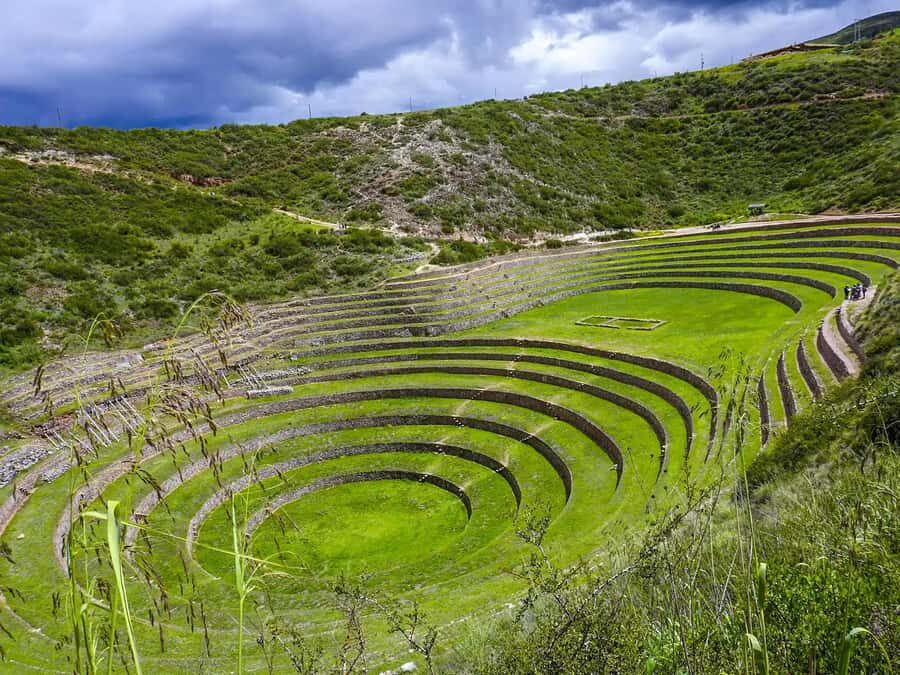
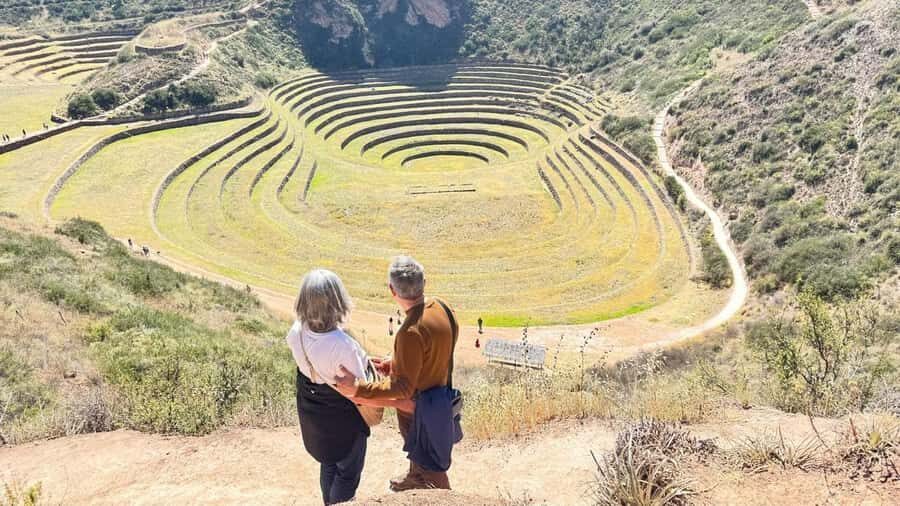
Moray is the reason this itinerary feels like more than a bus ride. You’ll arrive for photo stops and a guided tour with time for sightseeing and walking. Moray’s terraced landscape sits at 11,318 feet, and the big takeaway is how the irrigation system shaped the experience of farming here.
What makes this stop click is the way the terraces read like an engineered “tool.” From a distance, it looks like a dramatic bowl in the terrain. Up close, you can start to see how people could control water and microclimates using terraces. The guide’s explanations matter here, because you’ll otherwise treat the site like scenery. With the right framing, it becomes a working system.




The best way to enjoy Moray
Move slow on the walkways. Altitude and stairs can wear you out quickly. Take your photos, yes, but also spend a few minutes just looking at the pattern. The terraces aren’t random. They follow a logic.
Time reality check
You’ll have about 40 minutes at Moray. That’s enough for a guided orientation and the main viewpoints, but not enough to do a “slow archaeology day.” If this is a top priority for you, come ready to focus and ask the guide one good question.
Maras Village: colonial-era buildings in a stone-thin setting
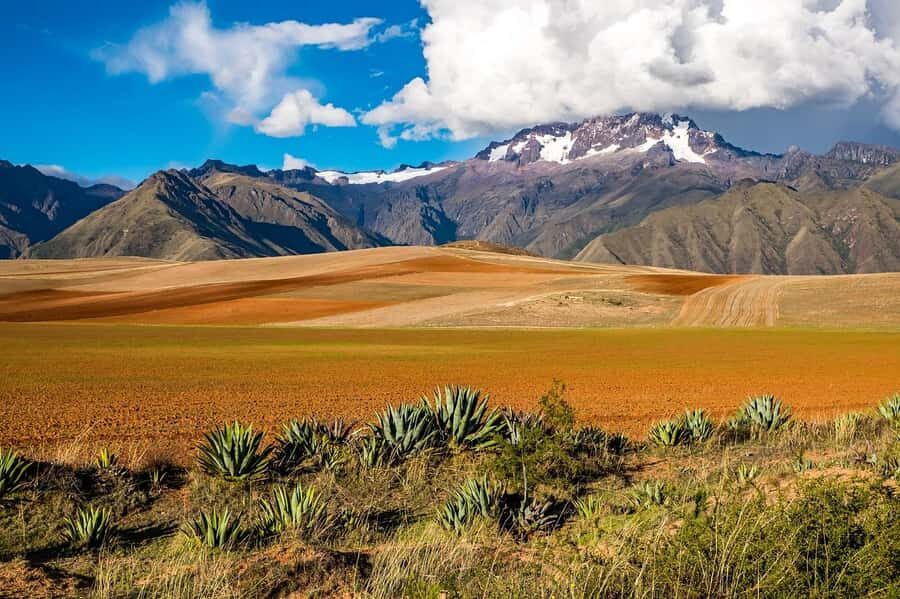
Next up is Maras Village, with a stop that includes viewing preserved colonial architecture and thin-stoned buildings. This is a different vibe than Moray. Instead of Inca engineering, you’re seeing how the region’s built environment evolved and how locals built in a high-altitude setting.
The value here is contrast. Moray helps you understand how the Incas manipulated land and water for agriculture. Maras Village helps you see later layers of history and everyday life in the Sacred Valley.
What you should expect on the ground
This isn’t a massive complex where you’ll spend hours. Think of it as a short, meaningful stop. You’ll have time to look around, take photos, and absorb the architecture as part of the broader story.
Salineras Salt Mines (Salineras): 3,000 pools and salt production that still matters
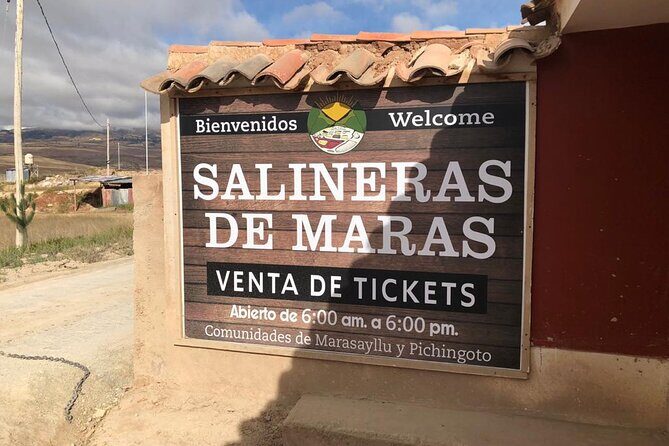
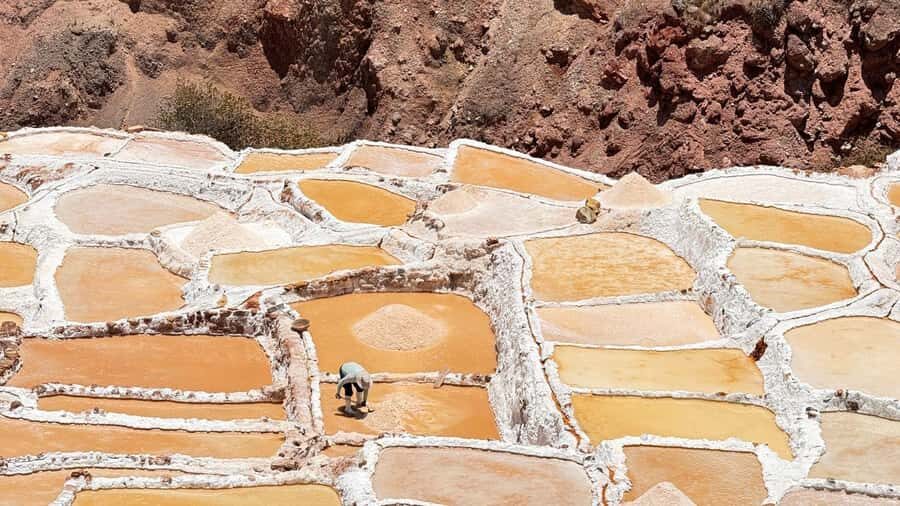
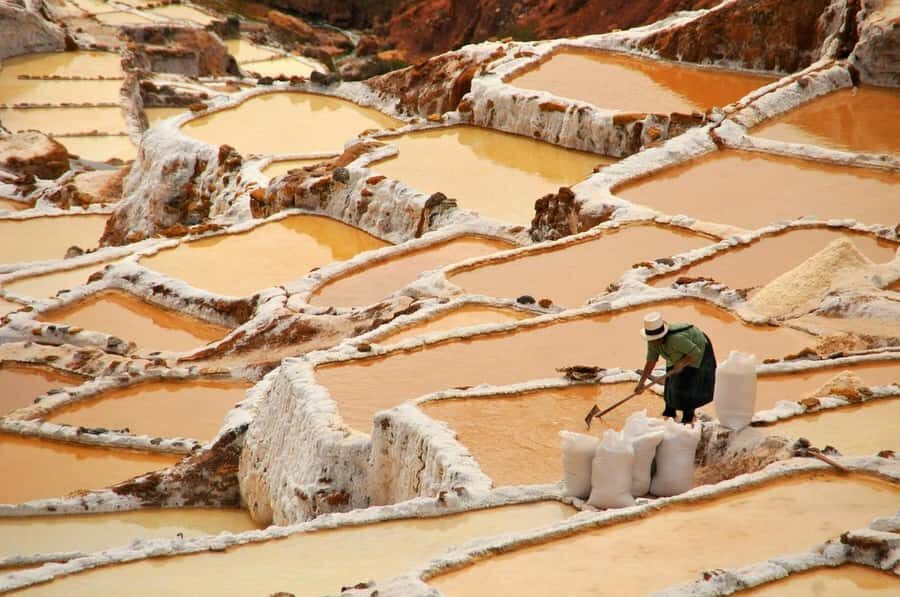
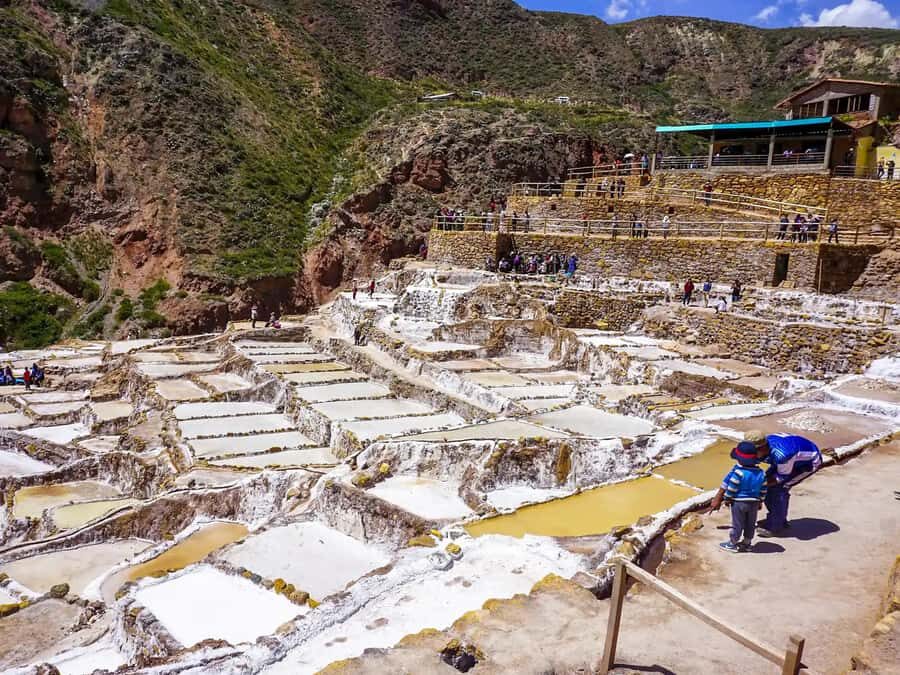
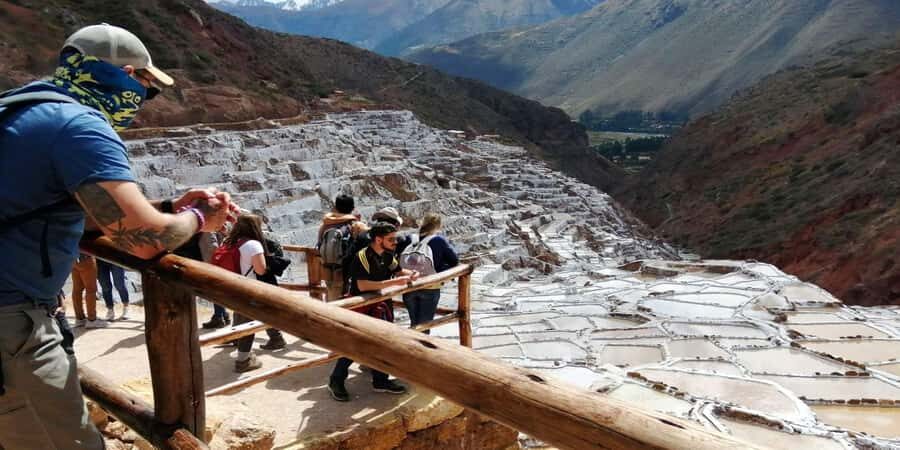
Now for the “wow, that’s a lot of pools” moment. The Salineras Salt Mines are described as comprising 3,000 small pools. Your visit includes photo stops, a guided tour, and time to explore and walk around.
The key context that makes this salt site more than a visual spectacle is its timeline. The site dates back to pre-Inca times, and salt production continues today. You’re not just looking at ruins. You’re seeing a long-running industry still functioning in the landscape.
Why Salineras is so memorable
The geometry is what grabs you. From one angle, it looks organized. From another, it looks almost chaotic. But the pools create a living pattern of extraction.
Timing reality check
Like Moray, the salt mines stop is about 40 minutes. That’s enough to get the big views, understand the basics of salt production from the guide, and take photos. It’s not enough for long photography sessions or slow, in-depth roaming. Wear shoes you can trust because walking surfaces can be uneven.
Transportation, altitude, and how to make the day feel easy
This tour runs for 6 hours total and includes bus/coach time between the stops. The itinerary shows a sequence that keeps you moving: Cusco to Chinchero, then on to Moray, then Maras Salt Mines, and back to Cusco.
Altitude tip that actually helps
You’re going from Cusco to places around 3,762 meters (Chinchero) and higher terrain at Moray. Don’t “race” the climbs and stairs. Slow steps feel boring in the moment, but they prevent you from feeling wiped out early.
Bring the basics:
- Comfortable shoes for walking and uneven ground
- Sun hat and sunscreen because high UV is real
- Camera so you can capture terrace patterns and pool grids
- Cash since entrances are not included
What group size means for your experience
Small group (up to 12) usually means you get more personal attention and a guide who can keep track of everyone. In a place like Moray or Salineras, that matters because you’re moving between viewpoints.
Price and value: what $14 covers, what costs extra, and if it’s worth it
The headline price is listed at $14 per person, which feels like a bargain for four major stops and guided transportation. But the big financial detail is that entrance fees are not included.
You should budget extra for:
- Archeological sites: $19 or 70 soles
- Salt Mines: $6 or 20 soles
So your total day cost can land noticeably higher than $14 once you add entrances. Still, the value often holds because you’re paying for more than a ride. You’re paying for a bilingual guide, structured timing, and the context that turns terraces and salt pools into something you can explain later.
Also note: the tour includes pickup from your hotel, but it does not include hotel drop-off. Your finish point is Plaza Regocijo, so plan for a short walk or local transport afterward.
Who gets the best value here
This tour is ideal if you want guided explanations and you want to hit multiple sites efficiently. If you’re the type who hates structured schedules, you might do better renting your own transport and moving at your own pace. But if your time in Cusco is limited, this kind of route is efficient in a good way.
How good guiding changes everything (and why it’s the core of this tour)
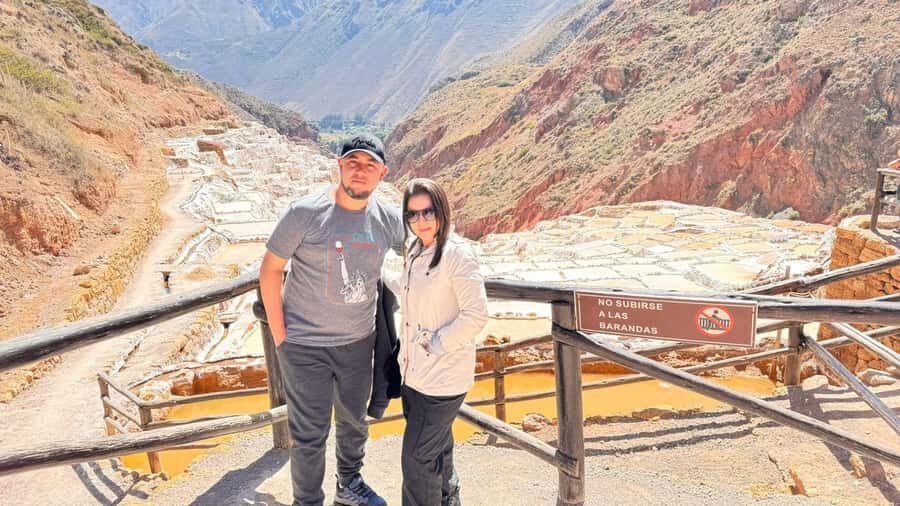
The strongest praise connected to this experience is the guide quality. One guide named Víctor stood out for extensive knowledge and empathy with the group. That kind of guiding matters in Peru, because the sites can feel more powerful when someone explains what you’re seeing and why it mattered.
There’s also a practical note: some people can find nonstop talking tiring, especially when a guide switches between English and Spanish frequently. That doesn’t mean the guiding is bad. It means your comfort with language pacing matters. If you’re the type who wants short explanations and quiet time, consider that in advance.
Is this the right Cusco tour for you?
You’ll likely be happy booking this tour if:
- You want Chinchero + Moray + Maras Salt Mines in one compact day
- You like learning in a guided format and using your time efficiently
- You care about how textiles are made and how color is extracted from plants
- You’re traveling with a small group vibe (up to 12 people)
You might want to think twice if:
- You plan to spend most of your day shopping or photographing without being guided
- You dislike schedules where each site is brief
- You have your heart set on a specific named workshop experience and want zero variation. In Chinchero, there is both workshop time and shopping time, so confirm details when you book.
Should you book: Moray, Maras Salt Mines, and Chinchero Weavers Tour?
If your goal is a high-value half-day snapshot of the Sacred Valley, I’d say yes, with one condition: go in prepared for extra entrance fees and short stop times. The itinerary hits the big three (textiles, Inca terraces, salt production), and the best part is how a good bilingual guide helps you connect the dots.
For most people, it’s the right kind of structured day: enough time to see the patterns, hear the explanations, and still have energy for Cusco afterward at Plaza Regocijo. Just slow down on the altitude, wear solid shoes, and treat shopping in Chinchero as a decision you want to make calmly, not quickly.
FAQ
How long is the Cusco Moray, Maras, and Chinchero tour?
The tour lasts about 6 hours.
Where does the tour pick up and where does it end?
Pickup is from your hotel in Cusco. The tour finishes at Plaza Regocijo, and hotel drop-off is not included.
Are entrances to Moray and the Salineras Salt Mines included in the price?
No. Entrance to the archaeological sites is listed as $19 (70 soles) and Salineras Salt Mines entrance is listed as $6 (20 soles).
What languages are available for the live tour guide?
The guide is bilingual, offering English and Spanish.
How big is the group?
The tour is limited to a small group of up to 12 participants.
Does the tour include transportation?
Yes. It includes transportation by bus/coach during the itinerary.
What should I bring for the day?
Bring a passport, comfortable shoes, sun hat, camera, sunscreen, and cash.