REVIEW · CUSCO
Cusco City Tour: Sacsayhuaman Koricancha Tambomachay Cathedral
Book on Viator →Operated by Machupicchu Latin America · Bookable on Viator
Cusco in half a day, with a plan. What I like most is the chance to see Qorikancha up close and then head to Sacsayhuaman, where the stone feels almost impossible. The other big win is a small group (up to 15), so your guide can actually answer questions. One catch: the advertised price does not include the site entry tickets, so you’ll want to budget for that before you go.
I also like the way this runs on a real schedule—hotel pickup before 1:30pm and back around 5:30pm, so you still have energy (and daylight) for dinner plans. The only drawback to keep in mind is the pace: you’re hitting six major stops, and each one is allotted a short visit, so you may feel rushed if you like to linger.
In This Review
- Key Points You Should Know Before You Go
- Price and Entrance Fees: The Real Cost of This Half-Day
- What the 4.5-Hour Schedule Feels Like (And Why It Matters)
- Starting Around Plaza de Armas: Getting Oriented Fast
- Qorikancha (Temple of the Sun): The Stop That Usually Wins People Over
- Cusco Cathedral: Murals and Art After the Inca Stops
- Sacsayhuaman: The Inca Capital and Those Massive Stones
- Q’enqo, Puka Pukara, and Tambomachay: Three Stops With Different Personalities
- Q’enqo (About 30 Minutes)
- Puka Pukara (About 20 Minutes)
- Tambomachay (About 30 Minutes)
- Small-Group Size: Why Max 15 People Helps (Even With a Tight Schedule)
- Guide Quality and Pacing: The Human Variable
- Practical Tips: Cash, Shoes, and Passport Info
- Should You Book This Cusco City Tour?
- FAQ
- What’s the price and duration?
- Is hotel pickup and drop-off included?
- Does the tour include entrance fees?
- How much should I budget for entrance fees?
- What’s the group size?
- What language is the tour offered in?
- What information do I need when booking?
- Is the tour refundable if plans change?
Key Points You Should Know Before You Go
- Hotel pickup and drop-off mean less hunting around Cusco with a map and a time limit
- Small-group size (max 15) keeps the tour more personal than the big-bus style
- Entrance fees are separate unless you choose the all-inclusive upgrade
- You’ll cover six Incas sites/landmarks in one guided loop
- You get water included, which is a small but helpful detail in Cusco
Price and Entrance Fees: The Real Cost of This Half-Day
The headline price is $19.99 per person, and it does include some real value: a professional guide, transport, hotel pickup/drop-off, and one bottle of water. That’s a solid deal for getting around and having someone explain what you’re seeing.
But here’s the part you need to plan for: the standard option does not include entrance fees. If you don’t pick the all-inclusive upgrade, you should expect to pay site entry tickets in cash (125 Peruvian soles). Add gratuity if you want to tip your guide. This is the difference between a cheap-looking listing and the amount you’ll actually spend in the afternoon.
If you hate surprises, this is where the all-inclusive upgrade can be worth it. It’s not about paying more for the sake of paying more—it’s about smoothing out the day so you’re not juggling money at multiple stops. If you’re fine with cash and want to keep the base cost lower, the standard option works well as long as you budget ahead.
You can also read our reviews of more city tours in Cusco
What the 4.5-Hour Schedule Feels Like (And Why It Matters)
This tour runs about 4 hours 30 minutes. Pickup happens a little before 1:30pm, and you’re back at your hotel around 5:30pm. That timing is practical. You avoid the early-morning rush, and you still end with enough daylight to plan a simple meal.
The pace is the trade-off. You’ll cover six stops and spend most of your time on short, guided segments. It’s not a slow wandering tour. You’ll do plenty of walking between viewpoints and temple areas, then hop back on the bus for the short outbound leg toward Sacsayhuaman and the later inter-site transfers.
Also, Cusco altitude is a real factor. Even though each stop is relatively short, you’ll still be outdoors and moving. Wear comfortable shoes and take breaks when you can. If you’re prone to getting winded, keep your expectations realistic: you’re doing a focused loop, not a slow day of hiking.
Starting Around Plaza de Armas: Getting Oriented Fast
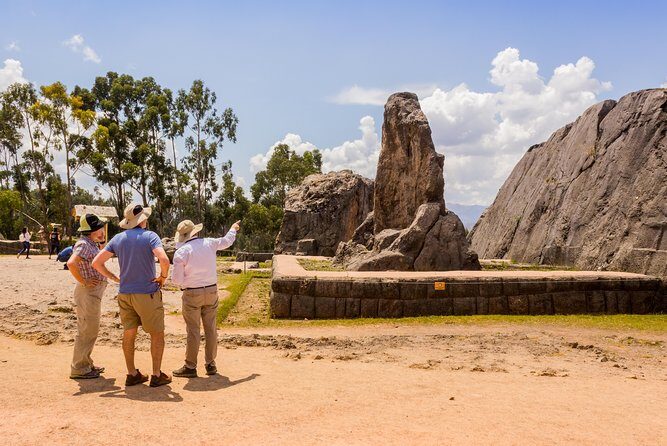
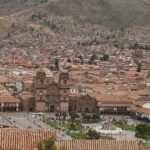
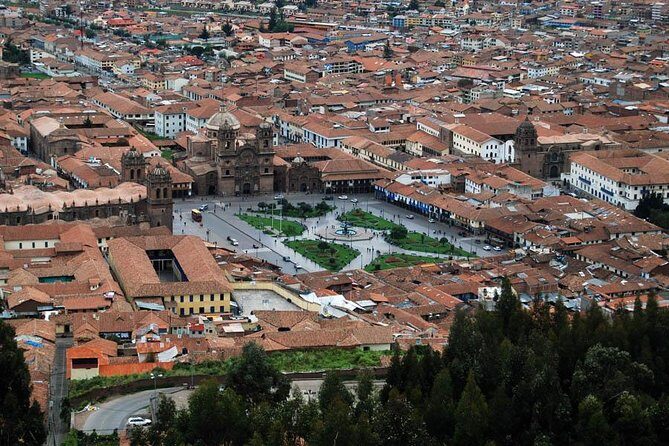
Your route begins in the historic core, with a stop near Plaza de Armas. From there, you’ll walk with your guide to an ancient Inca church area, and you’ll hear how the Inca Empire grew and how its story fits into what you see in Cusco today.
This first segment is more than a warm-up. It helps you understand why the next stops matter. Cusco can feel layered—Inca foundations under later Spanish-era influence—and a good guide can help you connect the dots fast.
A heads-up: some portions of the day involve waiting briefly and moving between sites. If your goal is deep reading and long photo sessions at every corner, keep it in check. The schedule is designed to show you “the important highlights” with enough context to make them click.
Qorikancha (Temple of the Sun): The Stop That Usually Wins People Over
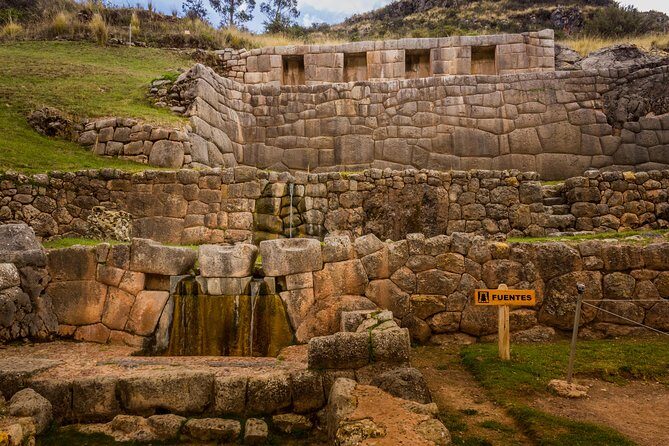
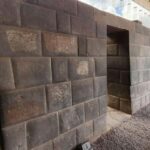
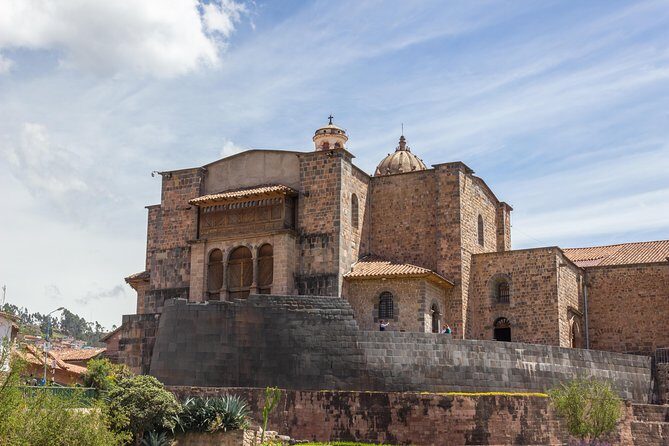
Next up is Qorikancha, known as the Temple of the Sun. This is one of the most important places in the Inca world, and your visit is about 30 minutes.
What I find most compelling here is the way the architecture tells a story. You’re not just looking at ruins—you’re looking at design choices. The temple’s setting and structure are meant to impress, and the tour notes a high altar made of bronze, which is the kind of detail that makes your photos feel more meaningful.
Also, Qorikancha is the kind of site where you’ll notice details once your guide points them out. Even if you’re not a stone-nerd, the explanation typically makes the layout and purpose easier to understand.
If you only had time for one Inca temple stop in a half day, this is usually the one people feel most strongly about. Plan to show up alert, because this is not the stop where you want to be late or distracted.
Cusco Cathedral: Murals and Art After the Inca Stops
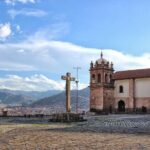
After Qorikancha, you’ll head to the Cusco Cathedral for about 40 minutes. This is a contrast stop in the best way: art and painted interiors after Inca architecture.
The tour highlights paintings and murals, and that matches what you’ll likely see once you’re inside. It’s not just decorative. It’s part of how Cusco’s story was reshaped over time, and the guide can help you connect that to what you saw outside.
One practical consideration: cathedral visits can feel slower because you’re inside and people naturally pause to stare upward. That’s fine, but it also eats time. If you’re someone who rushes, use your time wisely—look first for the broad murals, then narrow in on what catches your eye.






Sacsayhuaman: The Inca Capital and Those Massive Stones
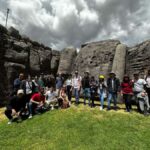
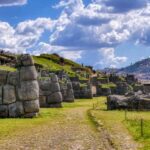
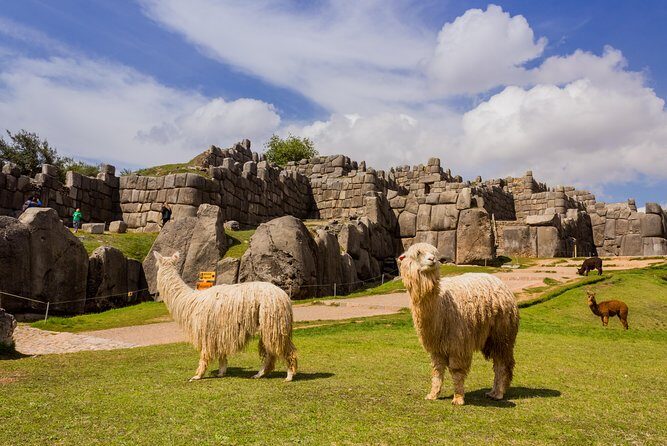
Then you’ll travel by bus about 20 minutes just outside the city to reach Sacsayhuaman, the historic capital area of the Inca Empire. Expect about 40 minutes there.
This is where the scale hits you. The tour notes monoliths weighing as much as 200 tons, and once you’re staring at how those stones were placed, it’s hard not to feel a little speechless.
Your guide will tell you the historical context, but the site does most of the work on your brain. Even when explanations vary from guide to guide, the physical presence stays the same. You don’t need to memorize dates to understand why people were impressed.
If you want photos, do it with intention. Some spots are easy, but getting the best angles can mean walking a few minutes to better sightlines. Don’t burn all your time at the first viewpoint.
Q’enqo, Puka Pukara, and Tambomachay: Three Stops With Different Personalities
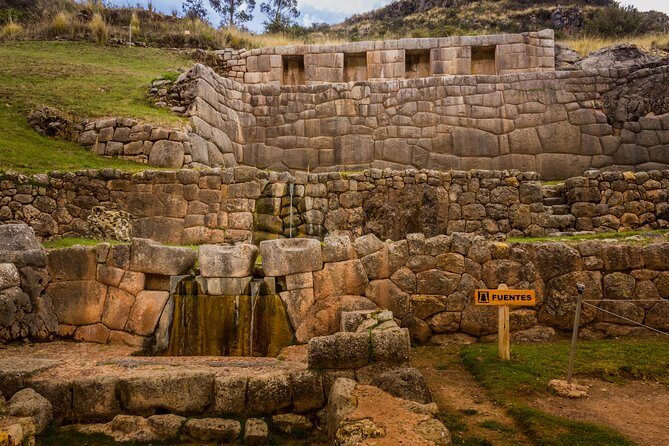
The last part of the tour moves into three more Inca-era sites, each with a shorter time window.
Q’enqo (About 30 Minutes)
Q’enqo is described as a ceremonial center carved into natural rock. About 30 minutes here is enough to understand the core idea: this wasn’t random stone. It was shaped for ritual and meaning.
If you’re the type who likes to connect a place to how people used it, this stop usually works well. The carvings and form tend to make the explanation click.
Puka Pukara (About 20 Minutes)
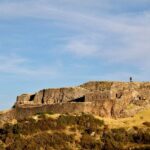
Then you’ll visit Puka Pukara, a complex described as an Inca fortress with a reddish color. Your time is about 20 minutes—short, but not useless.
Since it’s brief, aim to get the “big picture” quickly. Look at the structures and think fortress layout, not museum detail. If you expect a long deep study, you may feel shortchanged. If you treat it as a highlight stop, it works.
Tambomachay (About 30 Minutes)
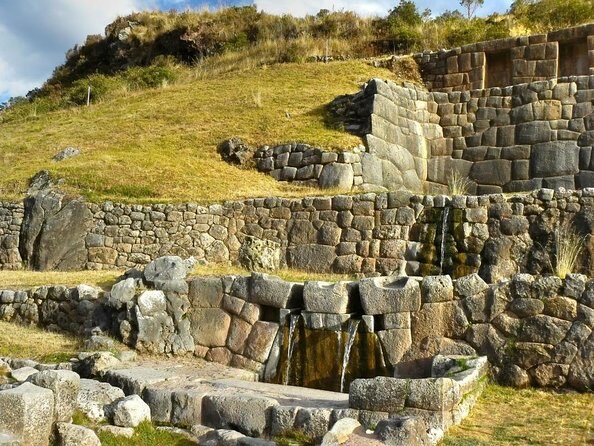
Finally, you’ll reach Tambomachay for about 30 minutes. This is described through the Quechua meaning of its name: underground cavity. The tour also notes that Inca nobility came here to rest and relax.
Tambomachay often feels like a breather after faster, higher-energy sites. It’s a chance to slow your eyes down and let the setting settle. If your legs feel heavy by this point, this stop can still feel satisfying because it’s not only about stone blocks—it’s about the idea of place and use.
Small-Group Size: Why Max 15 People Helps (Even With a Tight Schedule)
The tour caps at 15 travelers, which is a big deal in Cusco. Smaller groups usually mean fewer delays at each stop. It’s easier for your guide to keep track of who’s present and where you are in the line.
That said, the day is still structured for speed. Even with a small group, you’re visiting a lot. I’ve also seen the operator adjust timing after feedback—one note indicates groups have been tightened to around 10 people with an extra hour added to give more breathing room. If that update is in effect when you go, take it as good news: you’ll have a better chance to actually enjoy each stop instead of sprinting between them.
Guide Quality and Pacing: The Human Variable
A good guide can turn a checklist tour into a story tour. This one is designed around giving you context as you move through Inca sites and then switch to the cathedral for the art-and-era contrast.
There’s also a real human variable: pacing. One account praised a guide named Roger for being friendly and prompt at pickup, which matters because a smooth start makes the rest of the afternoon feel calmer. Another note complained that the guide talked a bit too much and that this affected how completely the group covered all scheduled spots.
Here’s my practical advice: if you’re the kind of person who hates rushed small talks, ask one or two focused questions early (not during the middle of a moving section). If your guide is long-winded, you’ll at least steer the day with a few specific interests—like how Sacsayhuaman relates to Inca power or what the bronze altar detail means at Qorikancha.
Practical Tips: Cash, Shoes, and Passport Info
This tour is straightforward, but there are a few details you should take seriously:
- Bring cash for entrance fees if you don’t choose the all-inclusive upgrade. The standard entrance ticket amount is listed as 125 soles in cash.
- Have your passport details ready at booking: name, number, expiry, and country are required for all participants. This matters for site access.
- Wear comfortable shoes. Even without long hikes, you’re moving around uneven ground and ancient stone areas.
- Plan around the 1:30pm pickup. Eat earlier, and expect the tour to run until roughly 5:30pm.
- Bring a light layer. Cusco afternoons can shift, and you’ll be outside enough that temperature swings matter.
- Water is included—you still may want a small extra snack if you’re prone to low energy late in the day, but food is not included.
Also, you’ll get a mobile ticket, and pickup can be from hotels and Airbnbs.
Should You Book This Cusco City Tour?
Book it if you want:
- A guided highlights tour that hits major Cusco/Inca sites in one afternoon
- Hotel pickup and drop-off, so you’re not sorting logistics with altitude fatigue
- A small-group experience that’s more personal than mass tours
Skip it or consider the all-inclusive upgrade if you:
- Hate paying entrance fees in cash or want everything handled up front
- Need long stop times (this tour uses short visit windows to fit six sites)
- Prefer a slower pace where you can read and photograph without time pressure
If you’re visiting Cusco for the first time and you want your bearings quickly, this can be a strong first-day or mid-trip anchor. Just go in knowing it’s a fast, focused loop—and budget the entrance tickets so the day stays enjoyable, not stressful.
FAQ
What’s the price and duration?
The tour costs $19.99 per person and runs about 4 hours 30 minutes.
Is hotel pickup and drop-off included?
Yes. Pickup and drop-off are included, and you can be picked up from hotels and Airbnbs.
Does the tour include entrance fees?
No. Entrance fees are not included in the standard option. An upgrade is available if you want entrance fees handled.
How much should I budget for entrance fees?
The standard entrance fees are listed as 125 Peruvian soles in cash if you don’t select the all-inclusive option.
What’s the group size?
The tour is limited to a maximum of 15 travelers.
What language is the tour offered in?
The tour is offered in English.
What information do I need when booking?
You need passport details for each participant: name, number, expiry, and country.
Is the tour refundable if plans change?
Cancellation is free if you cancel at least 24 hours before the experience’s start time for a full refund. Changes inside 24 hours aren’t accepted.