REVIEW · CUSCO
Cusco: 4-Day Salkantay Trek to Machu Picchu, Panoramic Train
Book on GetYourGuide →Operated by TreXperience · Bookable on GetYourGuide
Salkantay hits you in the lungs fast. This 4-day trek from Cusco to Machu Picchu pairs glamping tents with a guided climb to the Salkantay Pass at 4,630 m. I like that the day-to-day plan feels tight and practical—early starts, food on schedule, and guides who keep everyone moving at the right pace.
One watch-out: the second-night stay at Collpapampa huts can be hit-or-miss, and at least one recent booking flagged issues like warm shower extras and basic sanitation. If you’re someone who really cares about bathroom comfort, budget some flexibility and keep your expectations grounded.
In This Review
- The standouts: what makes this trek feel worth it
- Cusco to Machu Picchu, with the hard part in the middle
- Day 1: Cusco to Humantay Lake, then Salkantay glamping basecamp
- Day 2: Salkantay Pass (4,630 m), cloud forest, and Collpapampa huts
- Day 3: Lucmabamba Pachamanca, coffee making, and the way to Aguas Calientes
- Day 4: Machu Picchu sunrise, guided exploration, then panoramic train home
- Ticket circuits note (so you’re not surprised)
- Meals, Pachamanca, and coffee: the food is part of the schedule
- Who actually makes it work: the guide and chef team
- Price and logistics: what you’re paying for
- What to pack (and what to skip) for this specific route
- Altitude and comfort tips that matter
- Who this trek suits best (and who should think twice)
- Should you book the TreXperience Salkantay Trek package?
- FAQ
- What’s the highest point on the Salkantay portion?
- How big is the group?
- What train do I take back to Cusco?
- Are Machu Picchu tickets included?
- What type of lodging do you use each night?
- What meals are included?
- What’s included for trekking comfort?
- What do I need to bring?
The standouts: what makes this trek feel worth it
- Salkantay Pass (4,630 m) as the headline: you get the big altitude moment without it turning into a chaotic free-for-all.
- Glamping + huts + a real hotel: you get comfort where it matters (sleep and recovery), not just “survive outside” energy.
- Pachamanca barbecue in Lucmabamba: underground-cooked food that feels more like culture than a tourist stop.
- Coffee farm + making your own espresso: it’s hands-on, and it gives you a story you can actually repeat.
- Vistadome or 360° train back to Cusco: you trade legs for views on the way home.
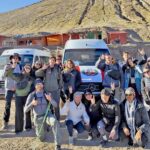
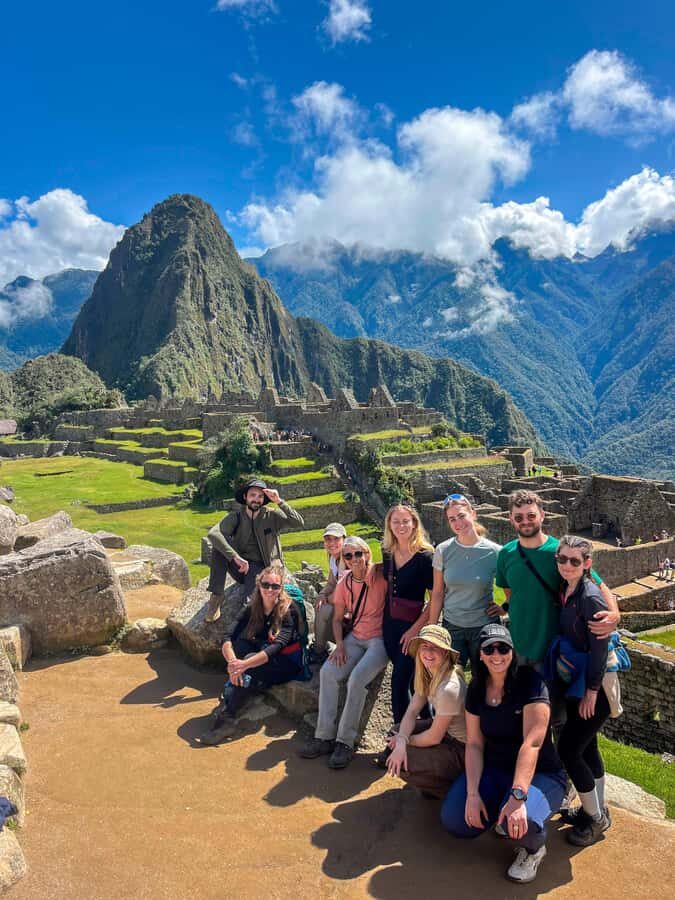
- Small group (max 16): you’re not swallowed by the crowd, which helps on early mornings and in Machu Picchu’s circuits.
Cusco to Machu Picchu, with the hard part in the middle
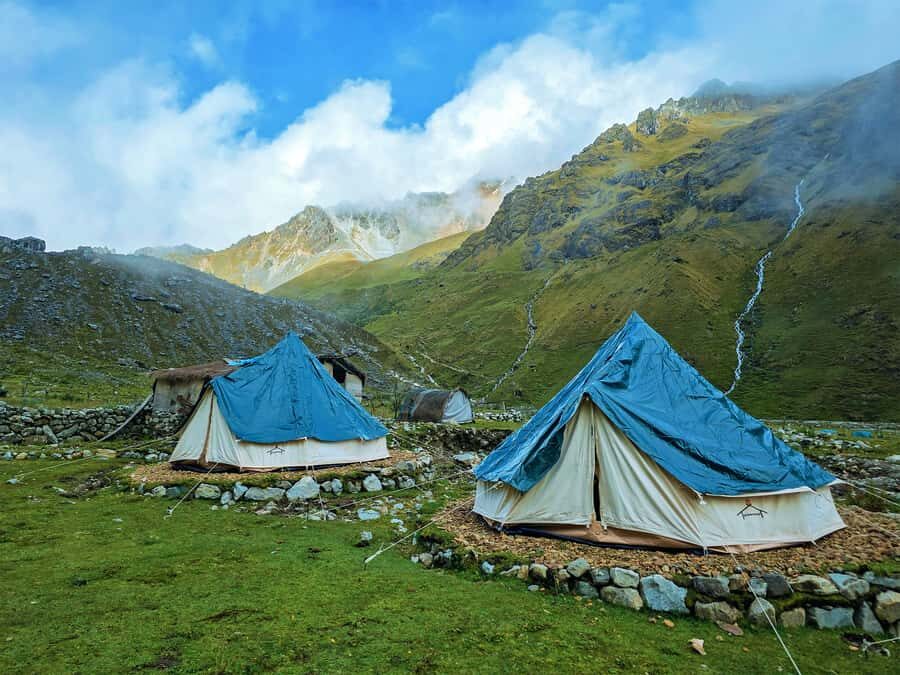
This trek works because it does not treat Machu Picchu like the whole trip. Yes, you’ll get that sunrise bus and guided circuit at the citadel. But the real payoff is the road there: mountain passes, cloud forest changes, and a couple of cultural stops that slow the day down just enough to feel human again.
The package is also smart about recovery. You’re not sleeping in the same rough setup every night. You start with glamping at Salkantaypampa, then move to Andean huts at Collpapampa, and finally land in a 3-star hotel in Aguas Calientes with breakfast. That mix helps you handle altitude better, because the body can actually reset.
Price-wise, $552 per person is not cheap. What makes it reasonable is that it bundles the hiking logistics, hotel stays for two nights (plus breakfast at the Aguas Calientes hotel), trail meals, and the train return. In other words, you’re paying for the parts that tend to explode in cost when you piece them together yourself—planning, transport, and site tickets.
You can also read our reviews of more hiking tours in Cusco
Day 1: Cusco to Humantay Lake, then Salkantay glamping basecamp
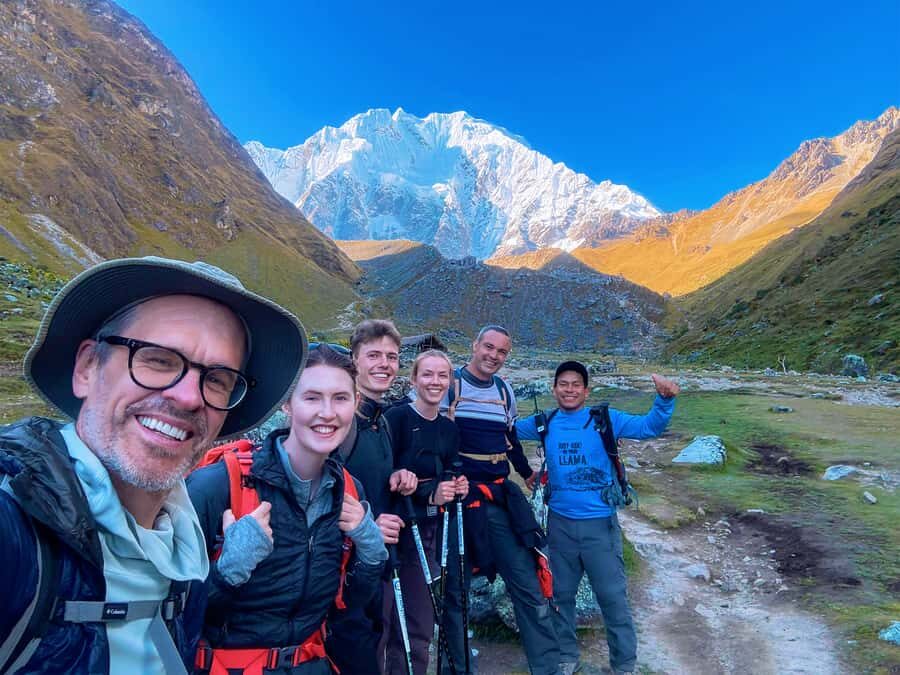
Your day starts early—pickup from the Cusco Historic Center at 4:30 a.m. If you’ve never done altitude hiking, this is one of those moments where “early” becomes “necessary.” The route leaves Cusco through Andean valleys, then heads to Mollepata for breakfast before you reach Challacancha, where the trek begins.
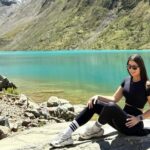
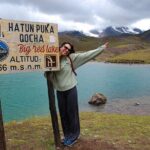
You walk toward Humantay Lake, which is known for that bright turquoise look and the way the surrounding peaks frame the water. This is the kind of first day that can feel gentle on paper (starting trek time-wise) but still wakes up your legs quickly at altitude. Expect big views, steep moments, and plenty of photo stops because you’ll want proof you’re actually up there.
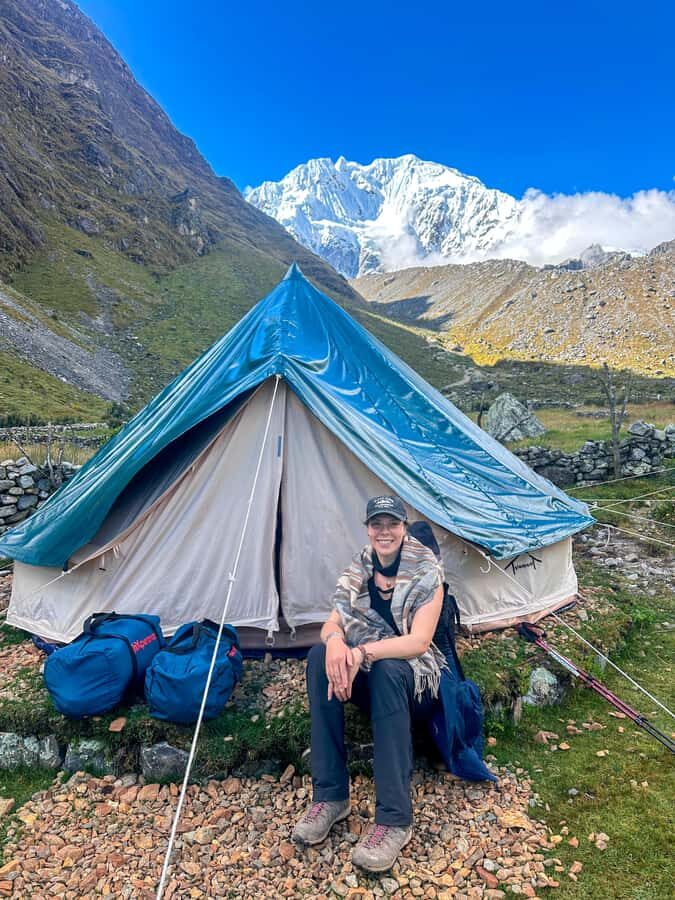
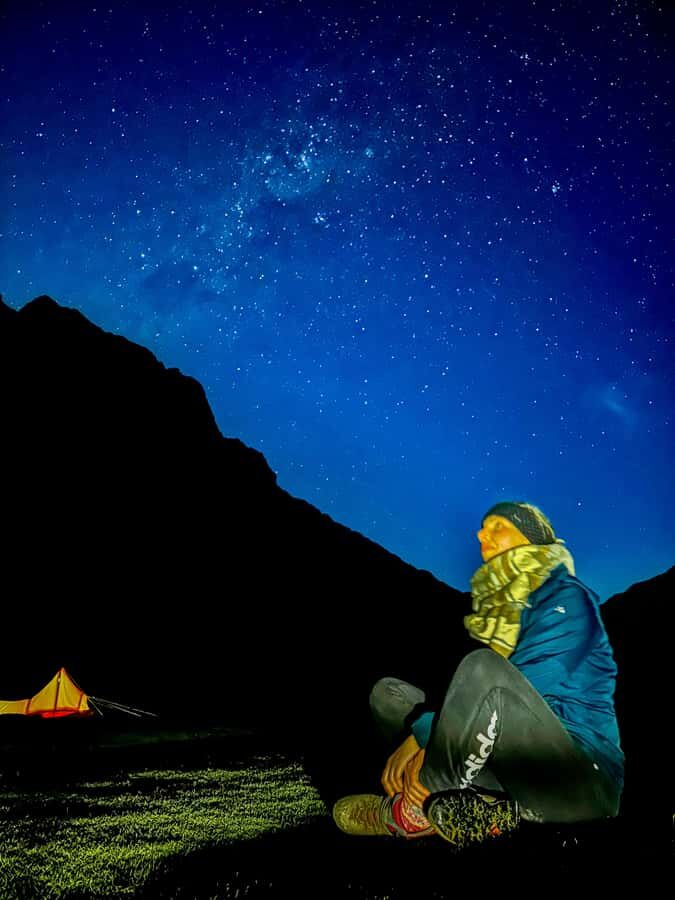
Lunch happens in Soraypampa, and then you keep going to the Salkantaypampa glamping camp. This is where the tour earns points with comfort. You’re not just dropping onto a cot and calling it done. At camp you get your tent setup, a warm dinner, and a quiet night under the Andes with that star-filled sky feeling you only get when you’re away from city lights.
My practical take: Day 1 is about pacing and breathing. Start steady. Don’t sprint the first views. You want your legs to feel good enough to enjoy Day 2’s real climb.
Day 2: Salkantay Pass (4,630 m), cloud forest, and Collpapampa huts
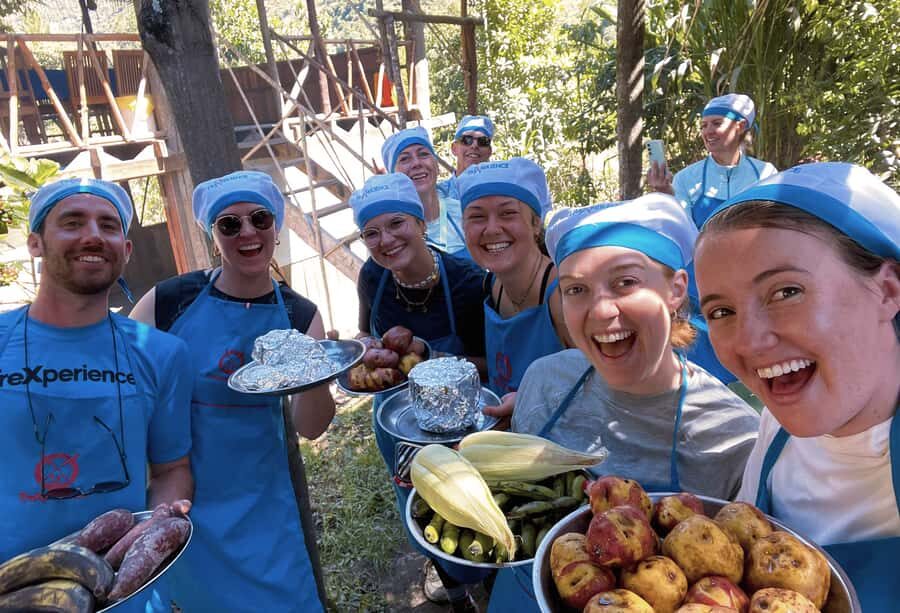
If Day 1 is the warm-up, Day 2 is the headline. After waking at the glamping basecamp, you’ll start with coffee or coca tea at your tent, then eat breakfast before the push up.
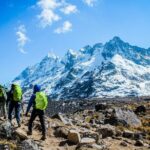
You hike about 2 hours to the Salkantay Pass (4,630 m / 15,190 ft)—the highest point of the trek. This is the moment you came for. Even if you’ve traveled in Peru before, this kind of altitude forces a slower rhythm: short steps, steady breathing, and lots of looking around because the view is the reward.
After that high point, you descend for around 3 hours to Wayracmachay for lunch. Then the scenery shifts again: another 3-hour hike into cloud forest. This is a nice contrast day—flowers, orchids, and hummingbirds are specifically part of the scenery you can expect here. It’s a reminder that Peru isn’t one environment. It changes as fast as your legs can carry you.
By evening you reach Collpapampa for rest in cozy Andean huts. This is where you should know there can be uneven comfort. Some bookings were happy with the overall experience, but at least one flagged that this second-night setup (including hygiene and shower conditions) wasn’t as good as the rest. If you’re sensitive to that kind of detail, plan to bring a little patience and your best travel mood.
My practical take: Hydrate early and often. Altitude turns “I’ll drink later” into “I regret that.” Also, keep your rain gear accessible. Day 2 can bring mist and damp air in higher zones.
Day 3: Lucmabamba Pachamanca, coffee making, and the way to Aguas Calientes
Day 3 is where the trek stops being only physical and becomes cultural and tasty. You start with breakfast, then hike about 3 hours to Lucmabamba.
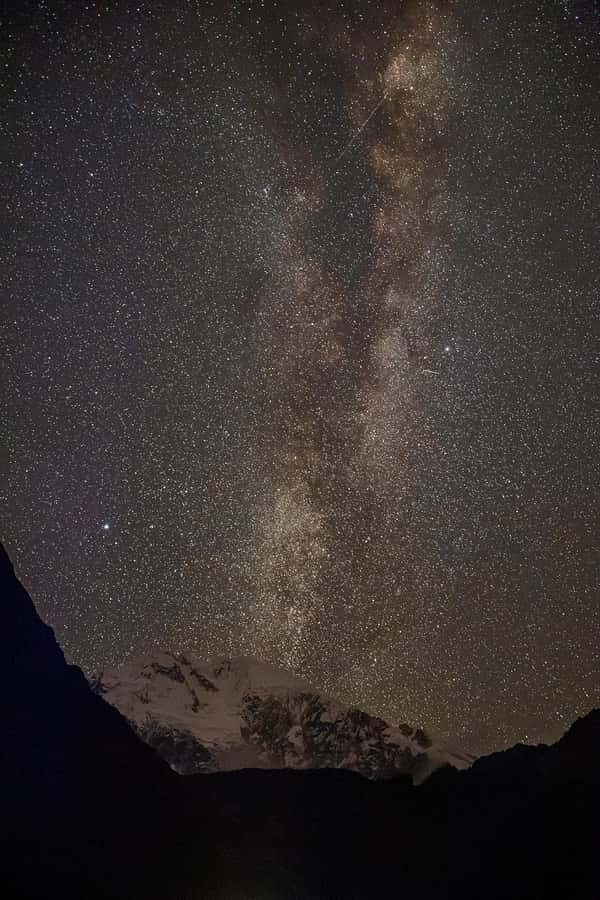
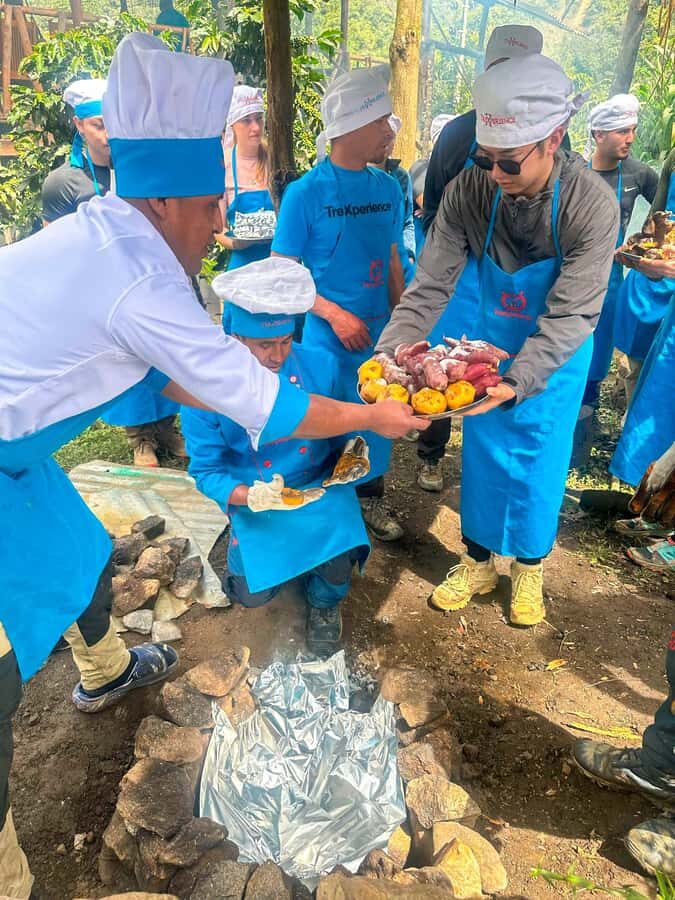
The highlight here is Pachamanca, an Andean barbecue where food is slow-cooked underground with hot stones. It’s not a quick cookout; it’s a tradition with real process. And because it’s tied to the environment and the cooking method, it feels more meaningful than a generic meal break.
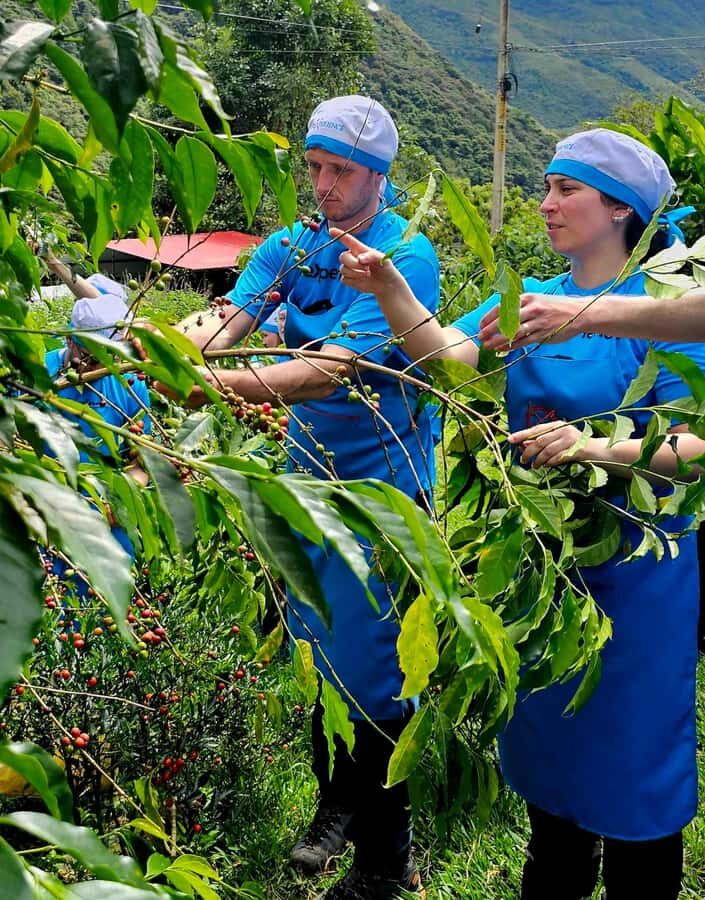
Right after, you visit a local coffee farm. You’ll learn the bean-to-cup process, then get to prepare your own freshly brewed espresso. I like this stop because it gives you something tangible to take home: the story of how coffee travels from plant to cup, and the taste you helped make.
After lunch and activities, you travel to Hidroeléctrica, then hike about 3 hours to Aguas Calientes. This is one of those practical transitions days: you use transport to break up distance, then finish with a walking approach that still keeps you connected to the region.
In Aguas Calientes, you check into a 3-star hotel for the night, with breakfast included. You’ll have dinner time in town (your schedule gives you space for it), then you rest so you’re ready for Machu Picchu early.
From guide moments I’ve learned to watch for on treks like this: the best teams help you manage that last “we’re close” day. A good crew keeps bags organized, updates you clearly, and makes sure you’re not scrambling for the train/bus timing at the end.
Day 4: Machu Picchu sunrise, guided exploration, then panoramic train home
On Machu Picchu day, you’ll rise early to catch one of the first buses. The reward is sunrise over the surrounding mountains—cold, bright, and worth it even if you’d rather sleep. Your timing matters here, and the tour is built around getting you into the site early.
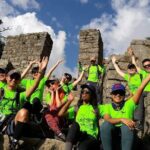
Then you get a guided exploration of the citadel lasting about 2–3 hours. A guide turns the place from “wow, ruins” into “I get what I’m looking at.” In this type of tour, the best guides I’ve seen (and this one has several mentioned across bookings) connect the site to Inca life, mountain geography, and why the layout matters. Some groups have specifically mentioned guides like Filio and José/Josè for careful pacing and strong answers.
After the guided time, you head back to Aguas Calientes for lunch. That last-day lunch is not included, so plan for a meal you can choose rather than being locked into one menu.
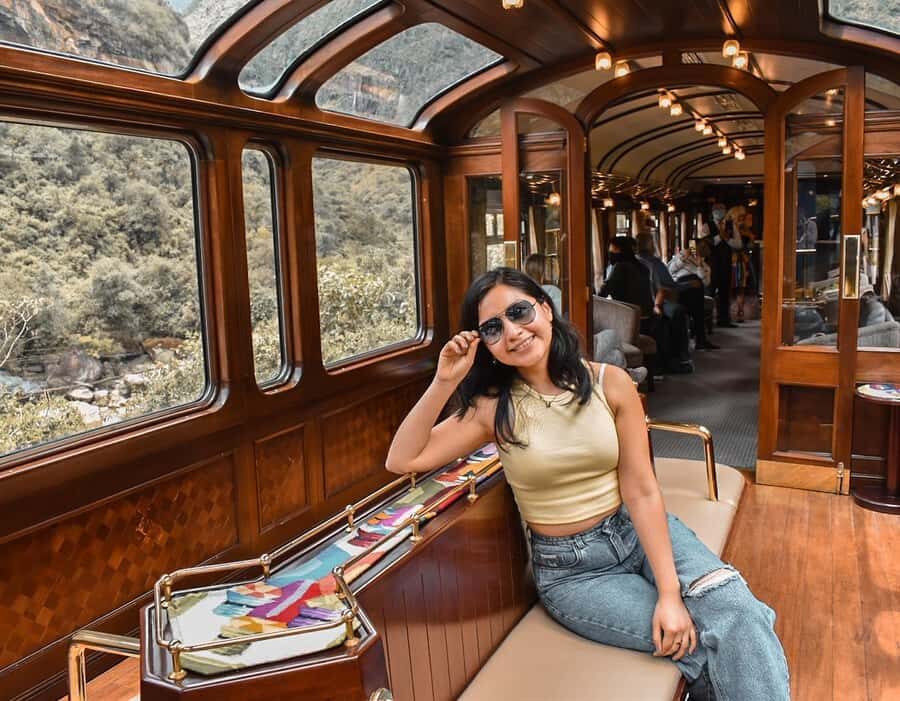
Finally, you return to Cusco by train: Vistadome or 360° panoramic. This is a smart way to end. Instead of just grinding back on foot, you get time to sit, look out the window, and let the trip land on you. When you arrive in Cusco, the team transfers you to your hotel.
You can also read our reviews of more tours and experiences in Cusco
Ticket circuits note (so you’re not surprised)
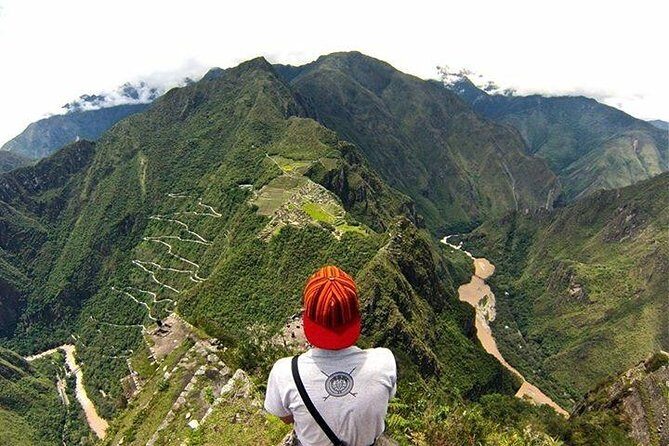
The tour includes Circuit 2 by default. If that circuit is sold out, you’ll be assigned Circuit 1 or 3. Optional add-ons like Huayna Picchu or Machu Picchu Mountain require advance ticket booking, and those tickets aren’t included.
Meals, Pachamanca, and coffee: the food is part of the schedule
One reason this trek gets repeat praise is the food setup. The itinerary includes trail meals every day: 3 breakfasts, 3 lunches, and 3 dinners, plus water and daily snacks. That matters more than it sounds. When you’re trekking high, your appetite comes and goes—but you still need calories.
The Pachamanca day is one of the best examples of “food as culture.” You’re not only eating; you’re watching the underground cooking tradition in action and learning what makes it different.
Coffee also lands well because it’s not just tasting. You get training on the process and then make your own espresso. On tough days, coffee becomes motivation, not just caffeine.
Who actually makes it work: the guide and chef team
Across recent experiences, a recurring theme is the human side of the trek: guides who stay patient, explain what you’re seeing, and keep everyone informed. Names mentioned include Alex (with a chef team led by Felix in one booking), José/Josè, Evangelino, Zenobio, Filio, Dionissios, Alberto, Roger, William, and Ismael.
Also worth noting: one booking highlighted that the team selected a higher campsite on the challenging second day to help with altitude adaptation. That’s the kind of behind-the-scenes decision that can make the day feel more manageable.
Price and logistics: what you’re paying for
At $552 per person for a 4-day package, the value comes from the bundle:
- Entrance tickets for the Salkantay trek and Machu Picchu, with a professional guide
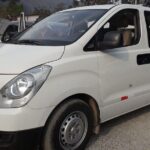
- Pickup and drop-off in Cusco, plus return transfer
- Two nights of lodging on the trek (glamping + huts)
- A 3-star hotel night in Aguas Calientes with breakfast
- Trail meals and daily snacks
- Train back to Cusco (Vistadome or 360°)
Where you can feel the cost is in what’s not included:
- Lunch on the last day in Aguas Calientes
- Huayna Picchu tickets (book ahead)
- Machu Picchu Mountain add-on (book ahead)
- Trekking gear like a sleeping bag and air mattress (rentals may be available)
My advice: if you’re trying to compare “cheaper trek” options, watch what those cheaper deals quietly exclude—guides, entrance tickets, or the comfort upgrades that reduce stress.
What to pack (and what to skip) for this specific route
The tour provides essentials like a duffle bag (up to 7 kg / 11 lb), pillow, sleeping pad, rain poncho, and hand towels. But you’ll still want your own gear for comfort and safety.
Bring:
- Passport (required for booking)
- Comfortable shoes and hiking shoes
- Sunglasses, sun hat, sunscreen
- Rain gear
- Change of clothes, comfortable clothes
- Insect repellent
- Flashlight
- Toiletries, tissues or hand sanitizer
- Cash (handy for town meals)
Not allowed includes weapons or sharp objects, plus smoking and alcohol and drugs.
Altitude and comfort tips that matter
This route reaches serious altitude (the pass is 4,630 m). The tour includes a satellite phone, first-aid kit, and oxygen tank, which is exactly what you want to see on the safety side. Still, you’ll make your own success by moving carefully:
- Wear your sun protection early; high altitude sun can hit harder than you expect.
- Keep rain gear ready. Even when it seems dry, mountain weather shifts quickly.
Who this trek suits best (and who should think twice)
This tour is built for people who can handle a multi-day hike and the altitude that comes with it. It’s not suitable for:
- Pregnant women
- People with back problems
- People with mobility impairments
- People with heart problems
- Wheelchair users
It’s a good fit if you want a guided trek with structured meals, small-group pacing (max 16), and a smooth finish at Machu Picchu with a train ride back.
If you’re new to international trekking, you’ll likely appreciate the clear planning and the fact that you’re not juggling tickets, timing, and transport alone.
Should you book the TreXperience Salkantay Trek package?
I’d book it if you want a classic Salkantay-to-Machu Picchu route but with real comfort upgrades: glamping on night one, a real hotel in Aguas Calientes, plus a guided Machu Picchu visit and a scenic train return. The included meals, coffee farm activity, and Pachamanca add enough culture to keep the days from feeling like just effort.
I’d hesitate only if you’re very sensitive to basic lodging details—because the Collpapampa hut night has drawn criticism about shower and sanitation in at least one recent booking. If that would ruin your mood, you can still do the trek, but you might want a different comfort level.
FAQ
What’s the highest point on the Salkantay portion?
The trek reaches the Salkantay Pass at 4,630 m / 15,190 ft.
How big is the group?
This tour is limited to a small group of up to 16 participants.
What train do I take back to Cusco?
You return by either the Vistadome or the 360° panoramic train.
Are Machu Picchu tickets included?
Entrance tickets for Machu Picchu are included. The optional add-ons like Huayna Picchu are not included and must be booked ahead.
What type of lodging do you use each night?
You’ll have 1 night glamping at Salkantay Camp, 1 night in Andean huts at Collpapampa, and 1 night in a 3-star hotel in Aguas Calientes (with breakfast).
What meals are included?
The tour includes all meals on the trail: 3 breakfasts, 3 lunches, 3 dinners, plus water and daily snacks. Lunch on the last day in Aguas Calientes is not included.
What’s included for trekking comfort?
You get a duffle bag (up to 7 kg / 11 lb), pillow, sleeping pad, rain poncho, and hand towels.
What do I need to bring?
Bring your passport, hiking shoes/comfortable shoes, sunglasses, sun hat, sunscreen, rain gear, change of clothes, insect repellent, flashlight, and toiletries.