REVIEW · CUSCO
Sacred Valley Complete Tour (Full Day)
Book on Viator →Operated by Happy Gringo Tours · Bookable on Viator
This day starts early, but it pays off fast. You’ll get a small-group run through the Sacred Valley’s key sights—so you can watch the scenery roll by instead of fighting bus timetables—while a bilingual guide explains what you’re seeing in plain language and connects it to Inca life.
Two things I really like: the limited group size (max 15) keeps the day from feeling like a cattle call, and the guide support is built into the experience with a bilingual professional who can steer your attention toward what matters. If your guide is Happy Gringo Jorge, and your driver is Paul, you’re likely to get both solid history and a calm, safe feeling on the road.
One possible drawback: expect a long day (about 13 hours) and a packed route. The time pressure can make it hard to linger for photos, and the audio/mic can be tough to hear from time to time.
In This Review
- Key highlights worth planning around
- Sacred Valley in One Long Day: what the 6:30 a.m. start really means
- Chinchero’s royal hacienda and Inca walls: the story begins layered
- Maras Salt Mines: 3,000 wells of brine gravity and work
- Moray terraces: the Inca farming experiment you can actually picture
- Urubamba lunch: a buffet built for options, not fine dining
- Ollantaytambo: the Inca complex that protected the empire’s heart
- Pisac market and terraces: views, walking, and photo breaks
- Price and tickets: does $55 really cover the day?
- Small-group comfort: bilingual guide time, plus an audio reality check
- How to enjoy each stop without feeling rushed
- Who should book Sacred Valley Complete Tour?
- Should you book it? My decision guide
- FAQ
- What time does the tour pick you up in Cusco?
- How long is the Sacred Valley Complete Tour?
- What’s included in the price?
- What tickets do I need to pay separately?
- How many people are on the tour?
- What happens if the weather is poor?
Key highlights worth planning around
- A full Sacred Valley sweep in one day with the major stops, not just one region
- Chinchero’s Inca and colonial layer-cake right at the start
- Maras Salt Mines plus Moray terraces—salt extraction and an Inca farming experiment
- Urubamba buffet lunch with 30+ traditional options during the middle stretch
- Ollantaytambo’s defensive Inca complex and real town streets for a change of pace
- Pisac’s market and archaeological views before you roll back to Cusco
Sacred Valley in One Long Day: what the 6:30 a.m. start really means
The tour pickup runs from 06:30 to 07:00 a.m., and the day is listed at around 13 hours total, with return time around 19:30. That early start is not for drama—it’s for daylight and fewer slowdowns. The tradeoff is simple: if you’re hoping for a leisurely morning, you’ll need to set expectations before you go.
The upside is that you’ll cover multiple elevations and multiple “moods” of the Sacred Valley without switching tours. Round-trip transport is included via standard tourist vans, so you’re not charting logistics between stops. You’re also not stuck figuring out where to stand for photos, since the guide will get you to the right areas as you go.
The one thing you should do mentally is treat this as an overview day. You’ll learn a lot, but you won’t get equal time at every corner. If your top priority is slowing down and photographing, this can feel like a sprint.
You can also read our reviews of more tours and experiences in Cusco
Chinchero’s royal hacienda and Inca walls: the story begins layered
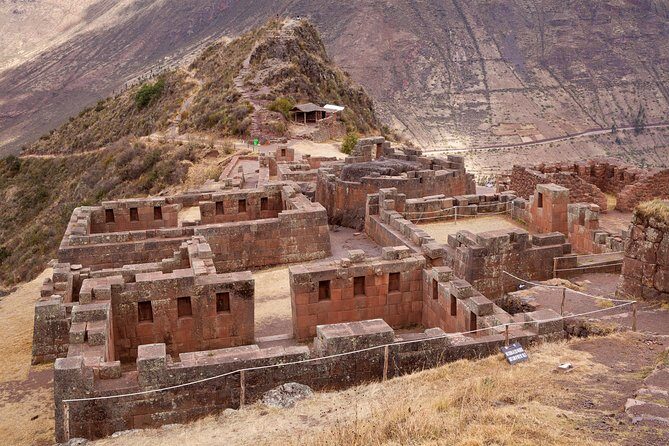
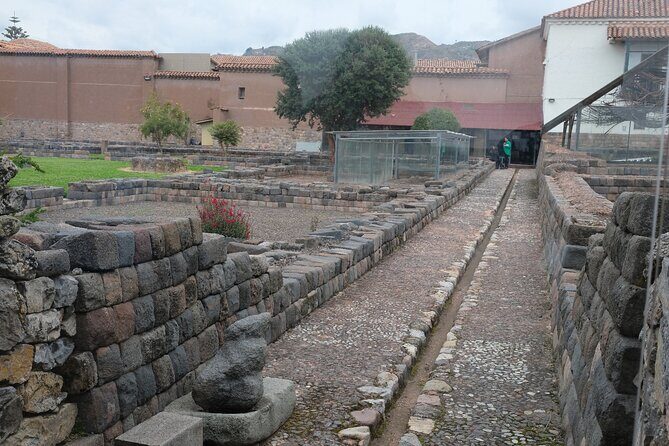
You start in Chinchero, where the morning visit focuses on a royal hacienda area linked to Tupac Inca Yupanqui and a colonial temple built on Inca foundations. That detail matters. You’re not just seeing ruins—you’re seeing how Spanish-era structures often grew from earlier Inca spaces, which helps you understand why the region still feels layered rather than frozen in time.
Chinchero also includes chances to spot Inca walls around the main square area, plus the feel of a living village. The stop is about 45 minutes, with admission listed as free for this segment. In practice, that means you’ll likely be moving quickly through the key viewpoints and then walking back into the square atmosphere.
What I’d watch for here: when the guide points out where the Inca work stops and the colonial work begins. That “build-on-top-of” concept is a great way to start the day, because it sets you up to read other sites later.
Maras Salt Mines: 3,000 wells of brine gravity and work
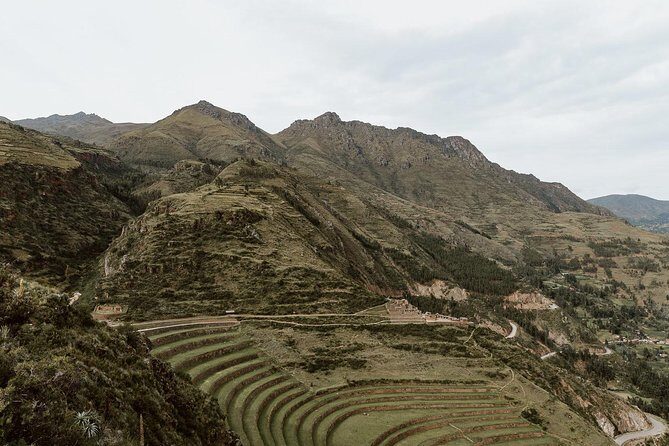
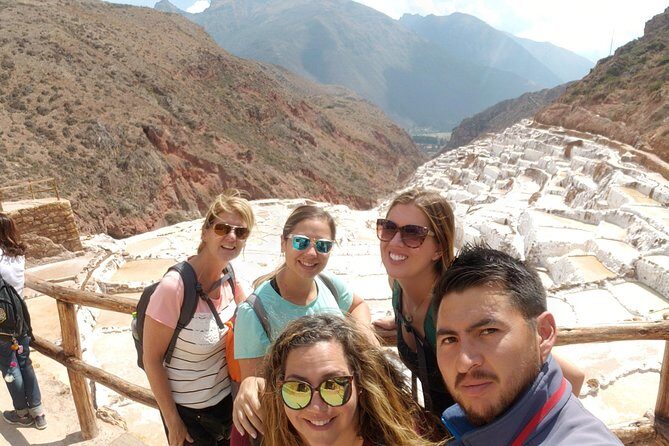
Next comes Maras, about 52 km from Cusco at an altitude of roughly 3,380 m. The famous part is the Salinas de Maras salt mines, made up of around 3,000 small wells (each about 5 m²). You’ll learn that salt is harvested by extracting brine from an underground spring, then letting the water dry so salt remains in the basins.
This is one of the most “real-world” stops on the day. You’re seeing a centuries-old production system still tied to labor and process, not only monumental architecture. If you like agriculture, industry, and how people adapt land for food and economy, this hits.
The visit is about 1 hour, and admission for the salt mines is listed as extra. So if you’re trying to keep costs predictable, plan for that ticket separately.
One practical note: this is also where altitude can start to feel noticeable for some people. If you tend to get winded, pace yourself inside the salt flats and don’t rush your breathing while taking photos.
Moray terraces: the Inca farming experiment you can actually picture
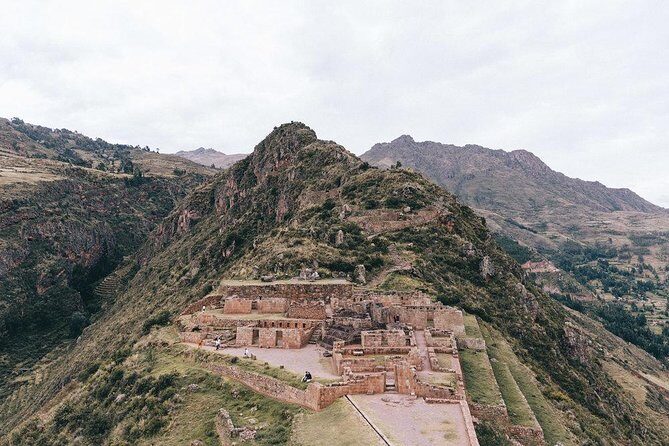
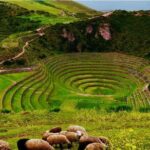
Then you head to Moray, an archaeological group of terraces and circular platforms. The terraces are arranged in ways that make them easy to visualize as an “experiment zone”—and that’s exactly how it was described: an Inca agricultural experimental center where studies helped adapt plants to different ecosystems.
Moray’s circles are especially interesting because they aren’t flat. The overlapping rings widen as the terraces rise, and the total depth is listed at about 150 m. That shape helps you understand how microclimates could be created by changing exposure and temperature.
Your time here is about 2 hours in the broader schedule including lunch, but the site focus is typically within that mid-day block. The big thing is that Moray gives you a break from the more defensive or market-focused stops. It’s about science-in-practice and how people tested crops.
If you want good photos, stand where you can see ring edges. From some angles, the circles read as a simple set of bowls; from others, you get that stepped depth.
Urubamba lunch: a buffet built for options, not fine dining
Lunch happens as a buffet style meal in a tourist restaurant in Urubamba, and the meal is included. The listing calls out more than thirty varieties of traditional Peruvian food. That means you’ll likely find familiar textures even if you’re picky—rice, stews, vegetables, grilled items, and a mix of flavors.
Buffets can be hit-or-miss on tours, but the structure here makes sense: you get a proper pause halfway through a long day. If you have dietary restrictions, do your best to scan options quickly rather than waiting for someone to translate every dish. If you’re sensitive to spice, pick one or two safer items first, then expand.
Also, if you were hoping for “quiet” lunch time, you may still feel a bit of momentum. The bus schedule keeps moving. It’s a good idea to use lunch not only for calories, but for a quick reset: slow down your breathing, hydrate, and save your energy for Ollantaytambo and Pisac.



Ollantaytambo: the Inca complex that protected the empire’s heart
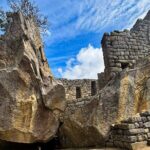
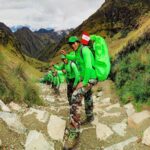
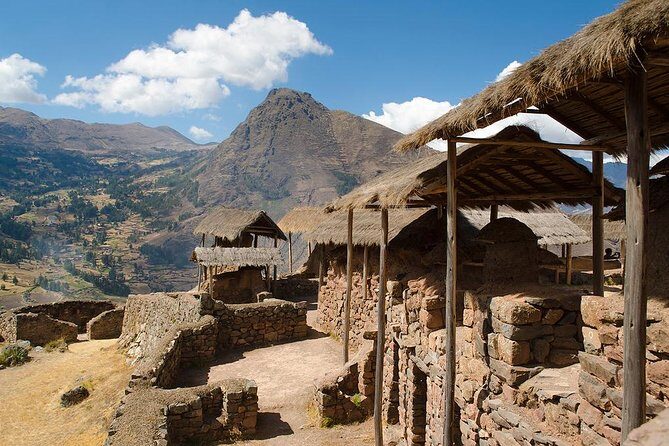
In the afternoon, you’ll reach Ollantaytambo, starting with the Inca archaeological complex built to guard and protect against invasions. That defensive purpose shows up in how the structures are positioned and how the site reads as a controlled entry and vantage point.
After the complex, you’ll have time to walk the streets of the town. This is one of the best moments for “feel” because you shift from standing in front of stone to moving through a living place with a long memory. You can get a clearer sense of how this military, religious, and cultural center functioned in the Inca Empire.
The allotted time is about 2 hours. That’s enough to see the key parts, but not enough if your favorite hobby is wandering without a clock. If you care about photography, arrive mentally ready: pick a few target angles and prioritize them over impulse shots.
This is also where the tour can feel slightly rushed if the group is moving quickly between photo stops. If you’re photo-focused, I’d plant yourself in a good spot for a few minutes and let the group rhythm come to you.
Pisac market and terraces: views, walking, and photo breaks
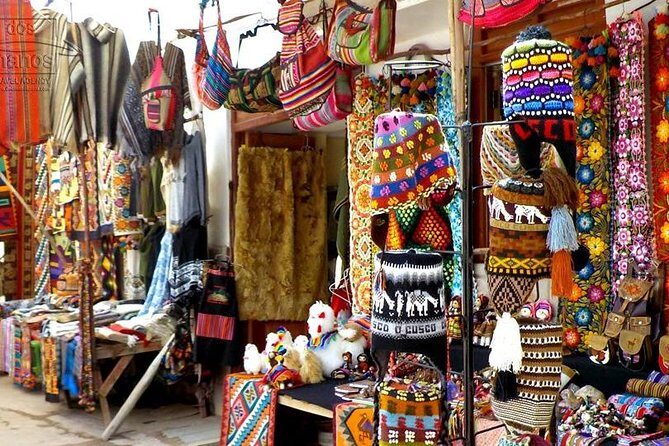
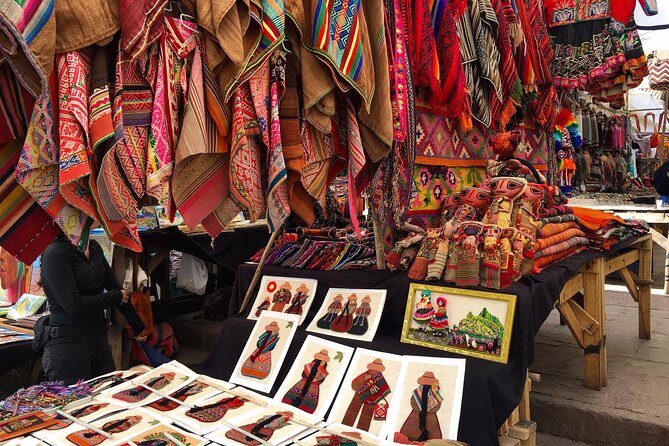
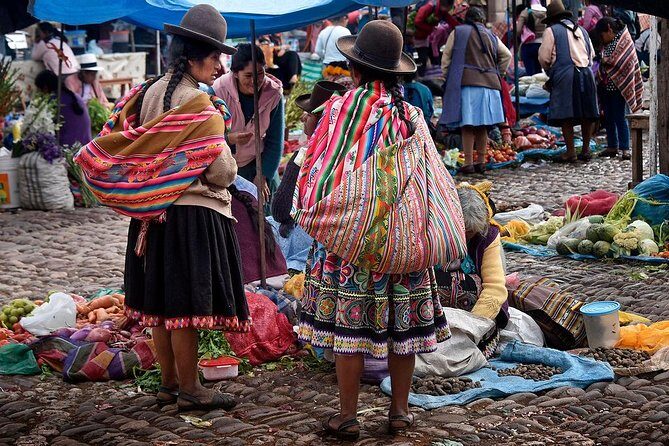
Your final major area is Pisac, starting with the local market. Markets can be a big part of the Sacred Valley experience, and Pisac is one of the spots where you’ll see locals trading daily items. Even if you don’t plan to buy much, the market gives the day a human pulse.
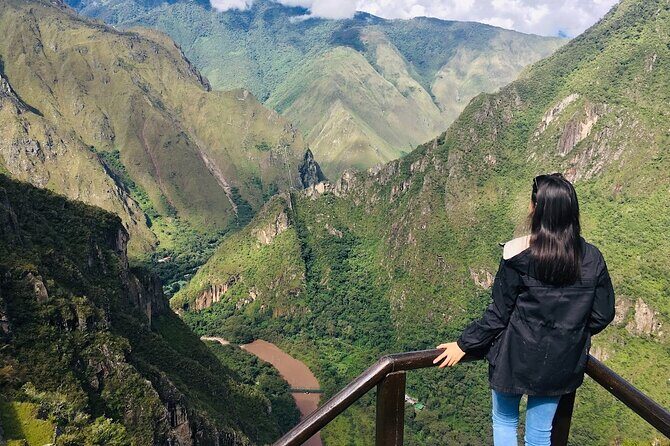
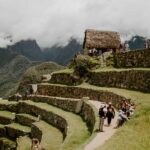
Then you ascend to the archaeological complex at Pisac. Here you’ll see agricultural terraces, cemeteries, and other “real Inca constructions,” plus a viewpoint where you can get photo-friendly looks over the Andes and the Sacred Valley.
Admission for these segments is listed as extra, but the stop flow is designed to end on scenery. You’ll get viewpoints, terrace structure, and a chance to feel the scale of the valley before returning to Cusco.
The drive back puts the day into “wrap” mode, with arrival around 19:30. If you get motion sickness, this is worth noting earlier in the trip too—long van hours can add up.
Price and tickets: does $55 really cover the day?
The headline price is $55 per person, and that includes a lot of practical value: round-trip transport, a bilingual professional guide, and pickup between 06:30 and 07:00, plus a buffet lunch with more than thirty traditional choices.
What’s not included is the cost of site entry. You should budget extra for:
- Inca sites ticket: listed as $18.00 per person
- Salt mines ticket: listed as $6.00 per person
There’s also another mention of ticket costs in soles for the relevant places (70 soles and 20 soles). Either way, plan on paying at least one ticket line before you start exploring.
So what’s the value math? If you only look at $55, it feels cheap. If you add entrance fees, the day becomes a mid-range full-day sightseeing package. Still, the included guide time and transport are a big part of what you’re paying for—especially on a route that stitches together multiple towns and archaeological zones with minimal hassle.
I think this tour makes financial sense if:
- you don’t want to arrange separate tickets and transport on your own
- you’re comfortable with a full day and want the main hits
- you want a guide to explain how the sites connect
If you prefer slow travel, you might decide the entrance fees aren’t worth it unless you can also enjoy lingering at the places that feel most meaningful to you.
Small-group comfort: bilingual guide time, plus an audio reality check
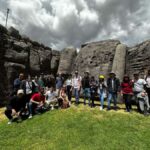
The max group size is 15 travelers, which is a major quality lever on a long route. In a smaller group, it’s easier to ask questions and regroup when a stop gets crowded. You’re also less likely to lose track of the guide.
The guide is bilingual and is meant to interpret Inca culture and history as you go. One detail that stands out: the day’s pacing relies on listening while driving. If the microphone/auditory setup is weak or noisy in the van, you can miss explanations during the road segments.
I also like that this tour emphasizes guidance over self-navigation. You don’t have to figure out where the Inca walls are in Chinchero or which terrace lines matter at Moray. You just follow, look, ask, and take photos at intentional moments.
If you’re the type who wants to fully absorb every detail, I’d come prepared with a light reading goal: pick three questions you want answered by the end of the day, like how the salt mines relate to the Inca economy or how terraces could act as climate testing.
How to enjoy each stop without feeling rushed
This tour works best if you travel with a flexible rhythm. Here’s how I’d set yourself up so you’re not constantly chasing time.
First, decide which places are your top two. For me, the “must slow down” pair would be Ollantaytambo and Moray, because they reward attention to structure and meaning. Then treat the other stops as chapters, not the whole book.
Second, bring small comforts. Even though the lunch is included, you may want snacks for the ride because the day runs long. The itinerary is designed to fit a lot into one day, and that means your body will want extra fuel and hydration.
Third, use photo strategy. Instead of trying to capture everything, pick a location and shoot in bursts. Standing longer in fewer spots often produces better photos and less stress when the van calls you back.
Who should book Sacred Valley Complete Tour?
This is a great fit if you’re:
- visiting Cusco for the first time and want a one-day orientation to the Sacred Valley
- the kind of traveler who likes history explained with context while still wanting real-world sights
- happy with a small group and guided timing
- looking for a practical, safe way to cover several sites without juggling transport
It’s less ideal if you:
- hate feeling rushed and need long quiet time at each site
- prefer to explore markets slowly and browse without “clock pressure”
- are very sensitive to listening challenges from vehicle audio systems
If you want a slower, deeper archaeological experience, you’ll likely enjoy a multi-day approach later. But if you’re short on time, this gives you a strong foundation.
Should you book it? My decision guide
Book it if you want the Sacred Valley’s highlights in a single day with a guide, transport, and lunch taken care of. I like that the day mixes architecture (Chinchero, Ollantaytambo), science/agriculture (Moray), and economic history (Maras salt mines). That mix makes it feel more like understanding a place than just checking boxes.
Don’t book it if your vacation style is pure wandering with minimal structure. This is structured, it’s long, and it’s designed to hit several sites. You’ll come away with a lot of impressions, not endless time.
My best advice: choose the tour with eyes open. If you treat it as a well-paced sampler and plan your two “slow-down” priorities, you’ll end the day tired in the good way—thinking about how Inca life shaped both the land and the economy around it.
FAQ
What time does the tour pick you up in Cusco?
Pickup is between 06:30 and 07:00 a.m., with the start time listed as 6:30 a.m.
How long is the Sacred Valley Complete Tour?
The duration is listed as about 13 hours, with return around 19:30.
What’s included in the price?
Round-trip transport in tourist-class vans, pickup from your hotel, a bilingual professional guide, and a buffet lunch with more than thirty varieties of traditional Peruvian food.
What tickets do I need to pay separately?
Tourist tickets are not included. Inca sites are listed as $18.00 per person, and the salt mines are listed as $6.00 per person.
How many people are on the tour?
The tour has a maximum of 15 travelers.
What happens if the weather is poor?
This experience requires good weather. If it’s canceled due to poor weather, you’ll be offered a different date or a full refund.
If you want, tell me your travel dates and what you care about most (ruins, markets, photos, or history), and I’ll help you decide if this one-day format matches your style.