REVIEW · CUSCO
From the Sacred Valley Chinchero, Maras, Moray and Ollantaytambo
Book on Viator →Operated by Highlanding Travel in Friendship · Bookable on Viator
Seven in the morning beats the crowds. This private Sacred Valley route stacks Chinchero, Maras, Moray, and Ollantaytambo into one smooth day, with a bilingual guide and pickup/drop-off from your base. You’re not just “checking boxes” either: you get hands-on craft time, salt-mines views, and a real sense of how the Incas (and later colonizers) shaped this region.
I especially love two parts. First, the textile demonstration in Chinchero: you’ll see how alpaca wool is spun and woven, and how plant-based dyes turn into color you can actually recognize. Second, the day’s pacing—even though the schedule is full, it doesn’t feel like you’re sprinting. With Mihai and driver Rodrigo, the visits have breathing room and the guide explains what you’re seeing in a way that sticks.
One consideration: most of the big archaeological stops have entrance fees not included, so you’ll want to budget cash on hand. Also, it’s about 10 hours with a moderate fitness level, so plan for walking and a bit of climbing at Ollantaytambo.
In This Review
- Key highlights that make this route worth your time
- A full Sacred Valley day, starting at 7:00am
- Chinchero textiles: natural dyes and alpaca wool that you can actually picture
- Chinchero archaeological complex: Inca terraces plus colonial layers
- Salinas de Maras: 4,000+ ponds, pink salt, and big views
- Moray’s circular terraces: how microclimates become a farming tool
- Ollantaytambo’s Sun Temple and terraces: massive stones with an astronomical angle
- Lunch at Ollantaytambo: Andean gourmet, not just a sandwich
- Archaeological Park: Sun Temple, astronomy alignment, and resistance energy
- Price and entrance fees: what you’re really paying for
- Pacing, comfort, and how the guides shape the experience
- Should you book this Sacred Valley route?
- FAQ
- What time does the Sacred Valley tour start?
- How long is the tour?
- Is this tour private?
- What’s included in the price?
- What entrance fees should I budget for?
- Does lunch include drinks?
Key highlights that make this route worth your time
- A start time that actually helps: pickup and a 7:00am start to maximize daylight and keep the day manageable.
- Chinchero textiles with real process: spinning, weaving, and dyeing natural fibers (the alpaca focus is great).
- Salt ponds you can see from all angles: over 4,000 ponds at Salinas de Maras, plus info on different salt qualities and pink salt.
- Moray’s “science” terraces: circular platforms used to experiment with microclimates for crop success.
- Ollantaytambo’s Sun Temple big-stone scale: massive stones up to 70 tons, aligned with astronomical events.
- Lunch that doesn’t feel like an afterthought: an Andean gourmet lunch with multiple starter and main options, plus vegetarian choice.
A full Sacred Valley day, starting at 7:00am
This is a private Sacred Valley tour out of Cusco, built around a classic loop: Chinchero → Maras Salt Mines → Moray → Ollantaytambo. You meet at 7:00am and spend about 10 hours on the road and in sites. That early start matters here. You’ll spend more time looking at details and less time fighting low-energy crowd chaos.
The team setup is simple and helpful: a bilingual guide (English/Spanish) and a driver with private transportation. The tour includes guided visits at every listed stop, plus pickup and drop-off service. You’re basically paying for one organized day where someone else handles the timing, the route, and the explanations—so you can focus on the places.
One small but important planning note: the price is listed per group (private tour style), but you still pay entrance fees per person for several sites. More on that in the money section.
You can also read our reviews of more tours and experiences in Cusco.
Chinchero textiles: natural dyes and alpaca wool that you can actually picture
Chinchero starts the day in a way I like: you’re not immediately faced with ruins. You’re invited into the craft side of the region, at the Textile Interpretation Center. Your stop is about 30 minutes, and it’s listed as ticket free.
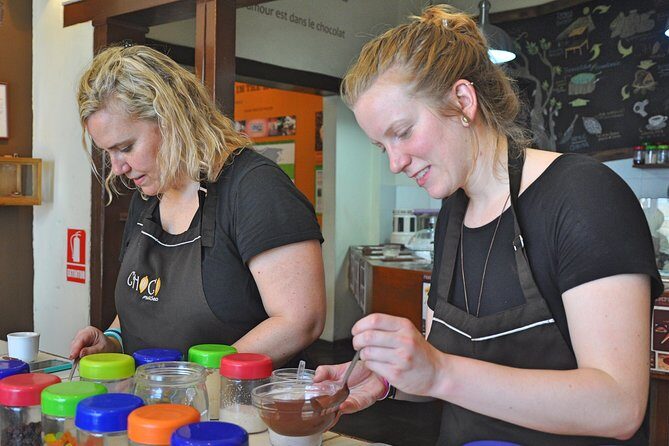
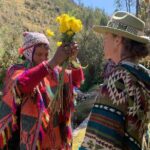
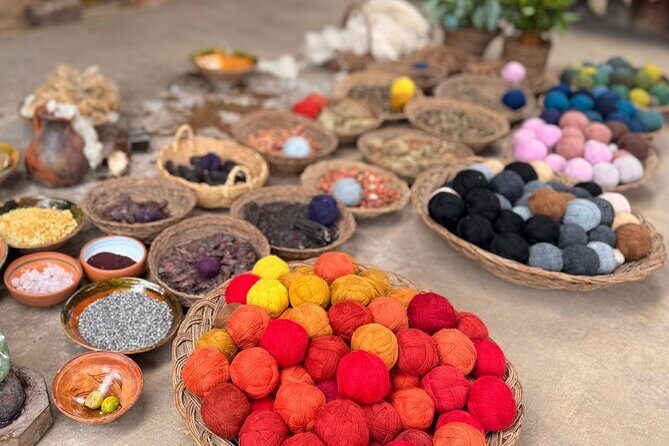
Here’s what makes this part more than a quick show-and-tell. You’ll watch skilled local artisans demonstrate the process of spinning and weaving traditional fibers, and you’ll learn how plant-based dyes create color. The focus on alpaca wool is especially useful because it’s the “why” behind so many of the textiles you’ll see later—what material is used, how it’s processed, and how color happens.
If you like to buy a souvenir that feels connected to real skill, this is one of the best places for it. You may have the chance to purchase one-of-a-kind textiles. Just use the same common sense you’d use anywhere: take your time, compare, and don’t feel pressured to buy in a hurry.
Possible downside: if you’ve already done a lot of textile workshops in Peru, this may feel familiar. But the craft emphasis here is still a strong way to warm up before archaeological stops.
Chinchero archaeological complex: Inca terraces plus colonial layers
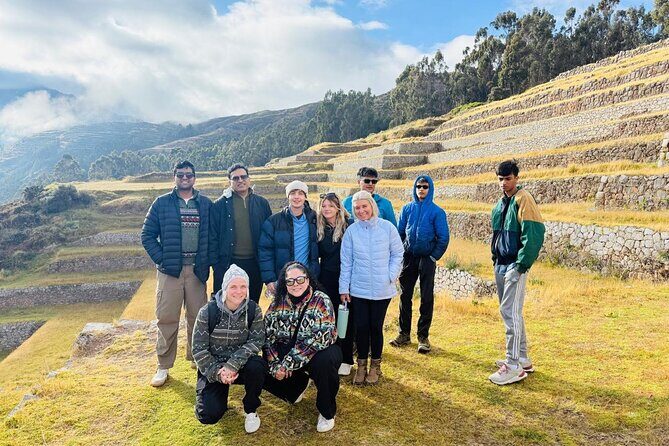
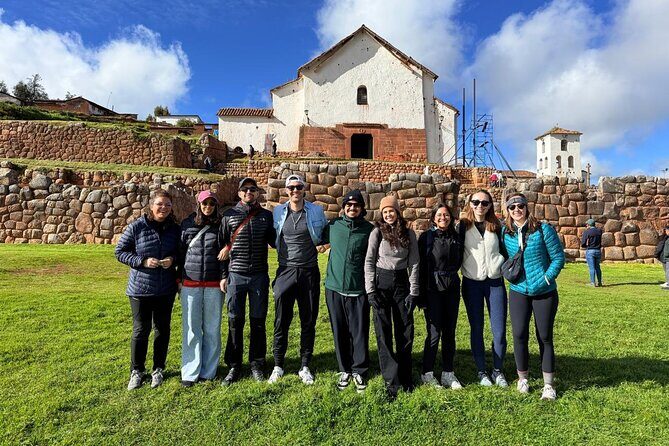
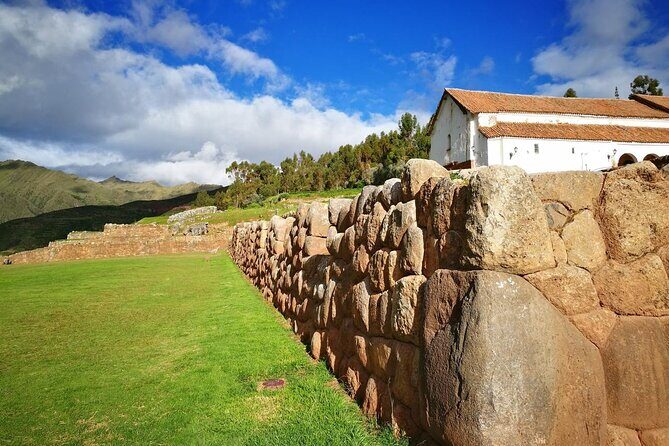
After textiles, the tour moves to the Complejo Arqueologico Chinchero, about 40 minutes, with an entrance fee not included.
This is where the region gets layered in a way that helps you understand Peru beyond one era. You’ll explore the remains of Tupac Inka Yupanqui’s resting palace, which now functions as a colonial temple. The site also connects to the broader story of the colonial inquisition context—something you’ll likely only get if your guide points out the shifts in meaning as buildings and uses changed.
What I find practical about this stop is how it teaches you to “read” Chinchero. You’ll see Inca agricultural terraces and water systems, which show engineering that was meant to work over time. And you’ll notice colonial architecture added later during colonization, so the site feels like a timeline you can walk through.
If you’re short on patience for ruins, this part can still work because the guide ties construction style and location to real purpose: farming, water control, and later religious/political use.
Salinas de Maras: 4,000+ ponds, pink salt, and big views

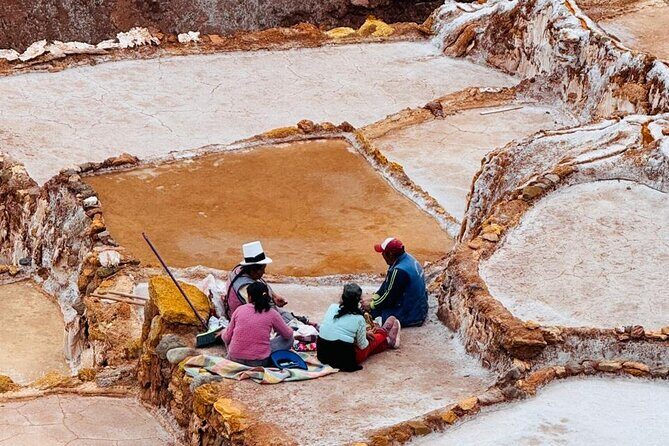
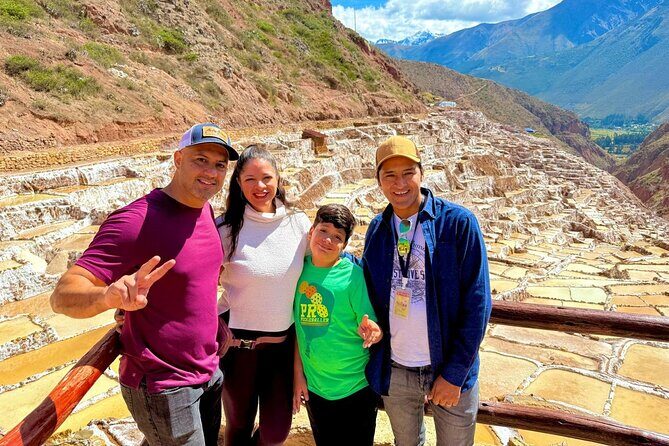
Next comes one of the Sacred Valley’s most photogenic stops: Salinas de Maras. The visit is about 45 minutes. Entrance fees are not included (budget for the salt mine fee separately).
This place is visually intense fast. You’re looking at a network of over 4,000 salt ponds used since pre-Inca times. If you’ve ever wondered how a famous “product” becomes physical, this is the answer. You’ll learn about the artisanal salt extraction process, and you’ll get pointers on how to identify the three different qualities of salt produced in the area.
The guide also shares why some people care about the pink salt specifically, including references to its healing properties. You don’t need to treat that as a miracle claim; instead, think of it as part of the local knowledge and reputation around the salt.
Practical tip: bring something to protect from sun and wind. The pans are bright, and the area can feel exposed. Also, wear shoes with grip. You might be on uneven ground while you hunt for angles.
Drawback? Not everyone loves this stop if they prefer “museums and stones.” Salinas is about views and working landscapes, not polished stone temples. But if you want the Sacred Valley’s most unusual visual texture, this is the stop to prioritize.
Moray’s circular terraces: how microclimates become a farming tool
After the salt ponds, the tour heads to Maras Moray (about 30 minutes). Entrance fees are not included.
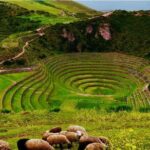
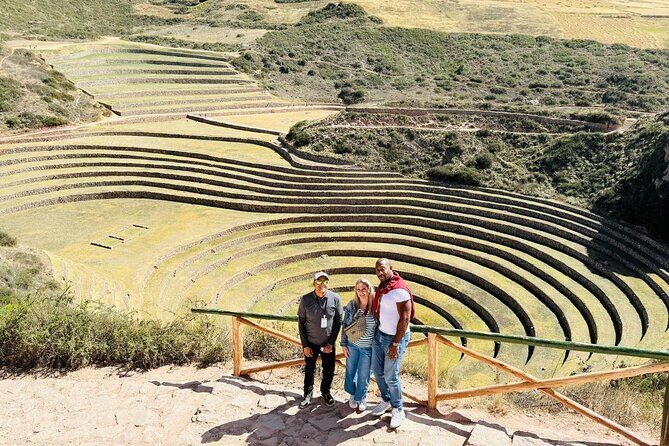
Moray is the Sacred Valley’s quiet “science project.” You’ll see circular terraces created to experiment with microclimates—basically, controlling conditions so different crops have better chances. The guide explains how the Incas cultivated various species on these terraces, using the shape and elevation to tweak temperature and other growing factors.
Here’s why I like Moray even if you’re not a “science person.” It gives you a concrete reason for Inca engineering beyond symbolism. You can stand there and picture how they learned from the land, tested conditions, and optimized agriculture.
The possible drawback is time. At 30 minutes, you won’t have a long stroll for deep wandering. But if your guide uses the time well (and this one typically does), you’ll leave with a clear mental model of what Moray is.


Ollantaytambo’s Sun Temple and terraces: massive stones with an astronomical angle
The day closes at Ollantaytambo with two linked experiences: lunch first, then the Archaeological Park Ollantaytambo.
Lunch at Ollantaytambo: Andean gourmet, not just a sandwich
Lunch is about 1 hour and is included. Drinks during lunch are not included, so plan for water or whatever you like separately.
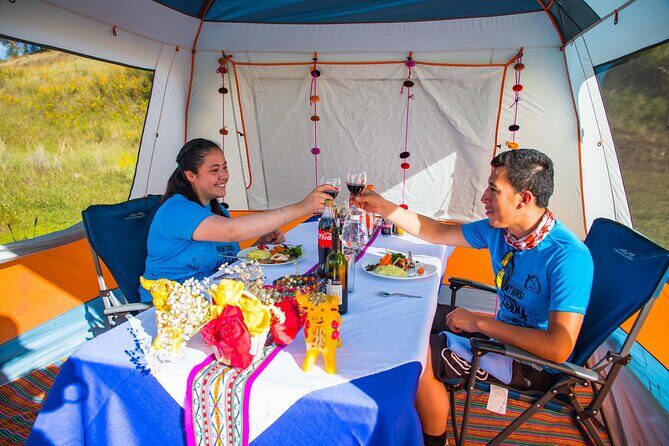
The menu options are specific enough to help you decide. Starters can include fresh avocado stuffed with quinoa or a quinoa soup. Main dishes include wood-fired trout, grilled chicken in mushroom sauce, or Lomo Saltado. There’s also a vegetarian pizza option for a lighter choice.
I like this lunch setup because it’s not vague. You can usually find something that matches your tastes, and it’s still local enough to feel like part of the day—not a travel-industry token meal.
Archaeological Park: Sun Temple, astronomy alignment, and resistance energy
After lunch, you visit the Archaeological Park Ollantaytambo (ticket fee not included). The stop is about 1 hour.
The Sun Temple at Ollantaytambo is the headline. It’s built with massive stones weighing up to 70 tons each, and it’s aligned with astronomical events. That star alignment theme is a great reminder: the Incas weren’t just building for today—they were planning for the sky, the calendar, and the seasons.
You’ll also see large terraces used for agriculture and defense. Ollantaytambo was a key military, religious, and administrative center in the Inca Empire, and it played an important role in the resistance against the Spanish conquistadors.
And yes, expect some walking at this site. The tour includes time for you to reach higher viewpoints, and that adds a moderate physical demand. If you’ve got solid baseline mobility, you should be fine. If stairs are a problem, take slower steps and don’t hesitate to ask your guide for pacing.
Price and entrance fees: what you’re really paying for
On paper, the cost might look like a lot at first glance: $182.75 per group for about 10 hours. But remember: it’s private transportation, a bilingual guide (English/Spanish), guided visits to every listed stop, pickup and drop-off, and lunch.
That’s a lot of value bundled into one day. Many “Sacred Valley” experiences splinter into pieces—transport here, guide there, lunch somewhere else. This one keeps it together.
Now the part you should plan for: entrance fees are not included for key sites.
- For Chinchero, Moray, and Ollantaytambo: 70 PEN per person
- For the Salt Mines: 20 PEN per person
So your total “all-in” cost depends on the number of people in your group and how many sites you count as paid entrances. But as a planning habit, budget those fees so there are no surprises mid-day.
Drinks during lunch are also not included. Lunch is included, and the menu choices are real, but you’ll likely want to buy your own beverages.
Finally, it helps that this tour is booked in advance. It’s listed as being booked about 54 days on average, so if your dates are fixed, booking earlier tends to be smarter.
Pacing, comfort, and how the guides shape the experience
A big reason this tour earns such strong marks is that it doesn’t turn into a rushed stampede. The schedule is busy on purpose—you’re hitting several major sites—but the way the day is managed is the difference between feeling tired and feeling satisfied.
In particular, the guide team matters. Mihai and driver Rodrigo are mentioned for strong planning and calm control of the day. The best part of that kind of guiding is timing. You’ll be given enough time at each stop to notice things like:
- how textiles are made (not just what they look like),
- how water systems and terraces work in Chinchero,
- how salt extraction varies by salt quality,
- how Moray’s layout relates to microclimate control,
- and how Ollantaytambo’s architecture connects to astronomy and defense.
If you want an “authentic feel,” private guiding helps. In a small group (or just your party), questions come up naturally. And your route can fit your pace as long as it stays within the set itinerary blocks.
Comfort-wise, this is a long day with early pickup, so bring your usual Peru day kit: sun protection, a layer for temperature swings, and water. The tour provides the structure; you provide the comfort items.
Should you book this Sacred Valley route?
Book it if you want one well-run day that covers the Sacred Valley’s main stories: crafts and textiles, Inca engineering, salt production, microclimate farming experiments, and Ollantaytambo’s big-stone, sky-aligned Sun Temple.
Skip it (or adjust expectations) if:
- you hate early starts and long days,
- you want free time to roam without stopping on a schedule,
- or you’d rather do just one site in depth instead of four to five major stops.
For most people—especially first-timers who want a strong overview with enough detail to remember—the value is clear. Add in the included lunch with multiple main options, plus a dedicated bilingual guide and private transportation, and you’ve got a day that feels planned rather than chaotic.
FAQ
What time does the Sacred Valley tour start?
The meeting time is 7:00am, with pickup and drop-off service included.
How long is the tour?
The tour runs about 10 hours (approx.).
Is this tour private?
Yes. It’s a private tour/activity, and only your group participates.
What’s included in the price?
Private transportation, a bilingual tour guide (English/Spanish), guided visits to all listed sites, pickup and drop-off service, and an Andean gourmet lunch are included.
What entrance fees should I budget for?
Entrance fees are not included. Plan for 70 PEN per person for Chinchero, Moray, and Ollantaytambo, plus 20 PEN per person for the Salt Mines.
Does lunch include drinks?
Lunch is included, but drinks during lunch are not included.