REVIEW · CUSCO
Classic Salkantay Humantay Lake Trek to Machu Picchu 5 Days
Book on Viator →Operated by Peruvian Culture Tours · Bookable on Viator
Salkantay starts before your brain wakes up. This Classic Humantay Lake-to-Machu Picchu trek moves you through high Andean views, cloud forest, and then down into the jungle, with an official guide at your side and plenty of included food and transport. Two things I really like: the Humantay Lake payoff on Day 1 and the way the route is paced with real stops (not just endless walking). One possible drawback: the trip begins around 4:00 a.m. pickup, so if you’re counting on sleep, plan your life accordingly.
What makes this version of Salkantay feel extra practical is the support details that matter at altitude: your guide carries an oxygen tank and there’s a first-aid kit on hand. In the reviews, the founder-guide David is called out by name for being hands-on, careful, and seriously prepared, which is exactly what you want when you’re heading up to the Salkantay pass at 4,620m. Still, you need a strong fitness level; this isn’t a stroll, and some days run long.
In This Review
- Key highlights worth caring about
- Leaving Cusco at 4:00 a.m.: the cold-start reality of Salkantay
- Mollepata to Soraypampa: breaking the trek into manageable steps
- Humantay Lake climb: 3 hours up, and a guide who’s carrying oxygen
- Afternoon in Soraypampa: tea time, rest, and getting your legs back
- Salkantay pass day at 4,620m: the high point is the point
- Wayraqmachai to Chaullay: lunch near Amazon edges and overnight cabins
- Cloud forest to tropical domes: La Playa and the jungle feel
- 5:00 a.m. in the coffee world: Lucmabamba morning and Llactapata views
- Machu Picchu morning: buses, control points, and a 3-hour guided walk
- Back to Cusco via Ollantaytambo: train ride and door-to-door transport
- Price and value: what $595 buys you (and what to watch)
- Who this trek fits best (and who may feel it’s too much)
- Practical tips you’ll thank yourself for
- Should you book it?
- FAQ
- What time does pickup happen in Cusco?
- How many travelers are on this trek?
- Is Machu Picchu exploration guided?
- What do I need to enter Machu Picchu?
- What safety support is included for altitude hiking?
- Are meals included?
- Is free cancellation available?
Key highlights worth caring about
- Humantay Lake on the first trek day: big views, photo time, and an organic lunch with Salkantay Mountain views.
- Oxygen + first-aid support: your guide carries oxygen for safety and comfort at altitude.
- Small group size (max 8): easier logistics and a more personal pace than big-group treks.
- Cultural stops along the way: Apachetas and a short Pacha Mama ceremony with plant leaves.
- Day 3 drops into tropical terrain: cloud forest to jungle trails, plus optional hot springs.
- Guided Machu Picchu circuit: a 3-hour guided tour after you pass control points.
Leaving Cusco at 4:00 a.m.: the cold-start reality of Salkantay
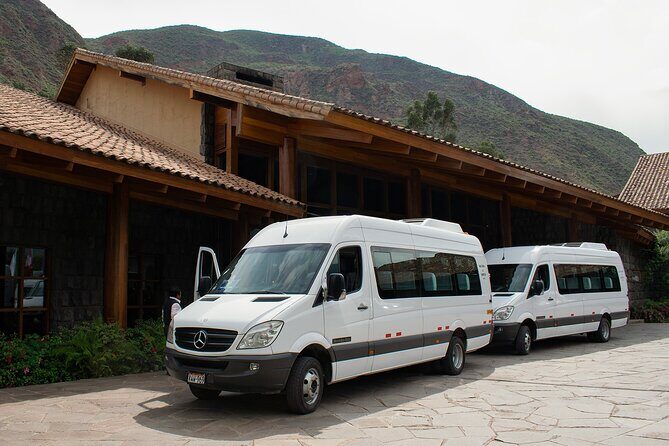
Your day starts before sunrise. You’ll be picked up from your Cusco accommodation around 4:00 a.m., then head by private van toward Mollepata. The ride is about 2.5 hours, and the idea is simple: you want daylight for the first climbs and enough time to enjoy the scenery instead of rushing through it.
I like the private-transport approach here because it reduces stress. When you’re dealing with early hours and altitude later, the last thing you need is waiting around with half a plan. You’ll stop in Mollepata for breakfast, then continue by van for another stretch toward the hiking area near Soraypampa.
This also sets expectations for the whole trek. You’re not just hiking; you’re living on a mountain schedule. If you prefer “slow travel,” this may feel intense. But if you want momentum and good logistics built in, it works.
You can also read our reviews of more hiking tours in Cusco



Mollepata to Soraypampa: breaking the trek into manageable steps
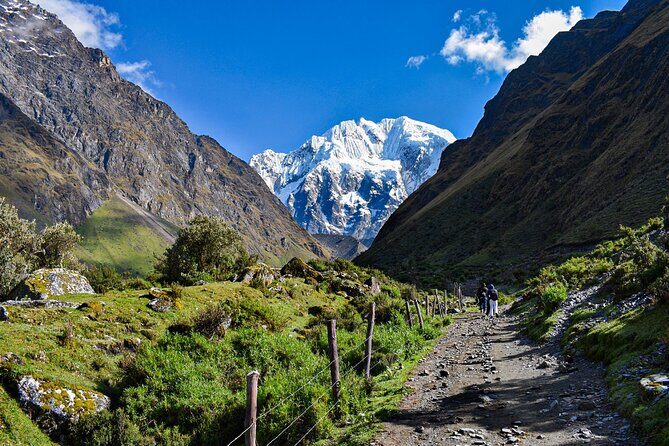
Once you reach the Mollepata area, the timing is designed to give you fuel before the big work begins. There’s time for breakfast, then you keep moving by van toward Soraypampa, with mountain views along the way.
This is a clever way to start: it’s not “walk immediately from the bus door.” You get a break, you eat, and then you begin the climb. On a trek like Salkantay, that matters. A tired stomach makes altitude feel worse.
The route also gives you a taste of what you’re coming for: towering peaks and open Andean air before the hiking starts in earnest.
Humantay Lake climb: 3 hours up, and a guide who’s carrying oxygen
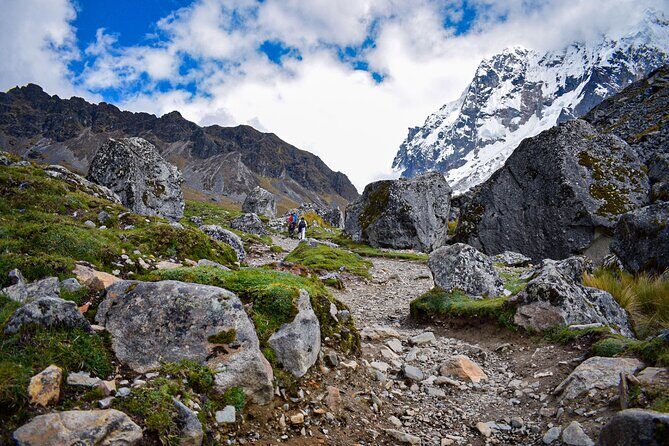
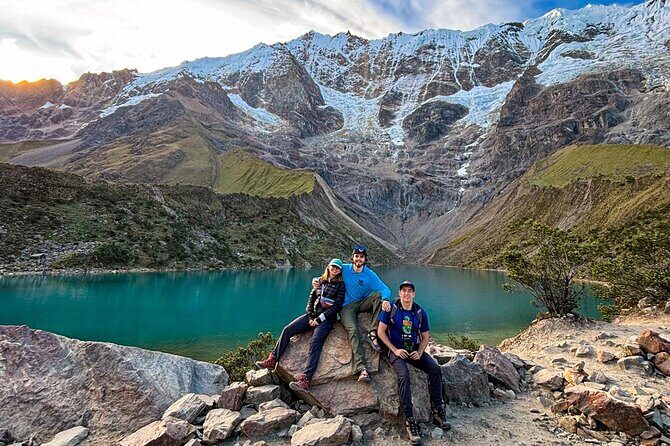
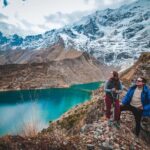
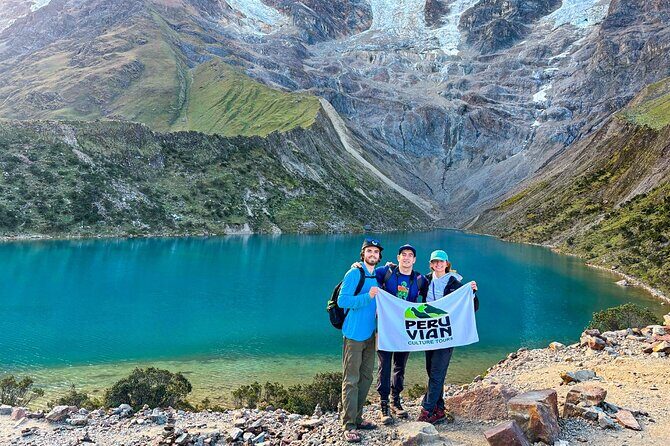
From Soraypampa, your hike to Humantay Lake begins. The climb is about 3 hours and reaches around 4,200m at the lake. Along the way, you’ll look for Salkantay Mountain and Humantay summit views, plus native flora and fauna. There’s a good chance of seeing llamas, and with luck, condors.
I appreciate that the hike is paired with a safety mindset. Your official guide stays with the group at all times and carries an oxygen tank. That doesn’t mean you’ll need it, but it’s a comfort when you’re going to real altitude points later.
When you arrive at Humantay Lake, you get free time to explore and take photos. Then your guide explains the Humantay region—so you’re not just snapping pictures, you’re understanding what you’re seeing. After that, you descend to the lunch point.
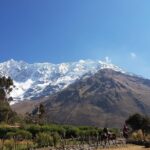
Lunch is a highlight: an organic meal with spectacular Salkantay Mountain and Humantay Mountain views. This is one of the reasons I’d pick this trek version. A lot of treks feed you, sure. But here you’re eating with a view that feels earned.
Afternoon in Soraypampa: tea time, rest, and getting your legs back
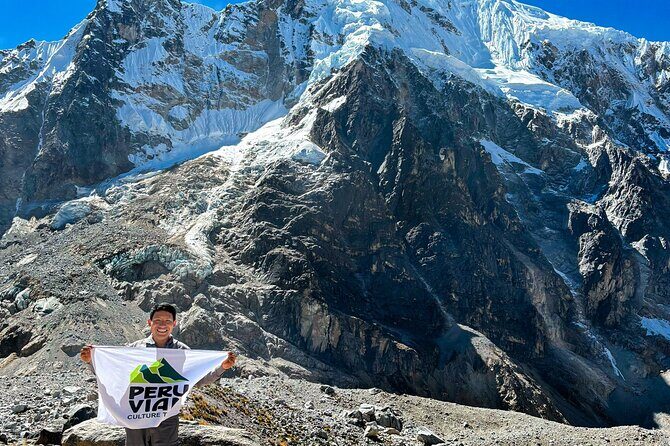
After lunch, you still have time in the Soraypampa area. Expect time to relax and enjoy the surrounding peaks. The afternoon includes tea time, dinner, and rest in the Andean setting.
This matters more than it sounds. Day 1 is a mix of altitude and early hours, so you need recovery before the next pass. The trek’s structure doesn’t try to cram everything into one day. It gives you a real landing spot.
If you’re the type who keeps moving even while tired, try to resist. Let your body catch up. The next day’s route climbs to 4,620m.
Salkantay pass day at 4,620m: the high point is the point
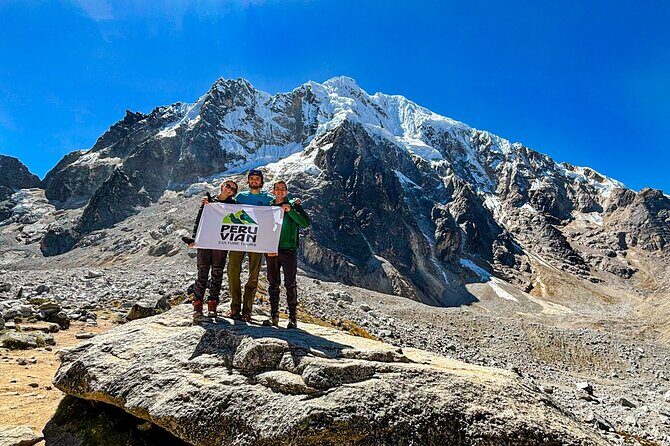
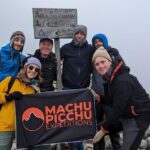
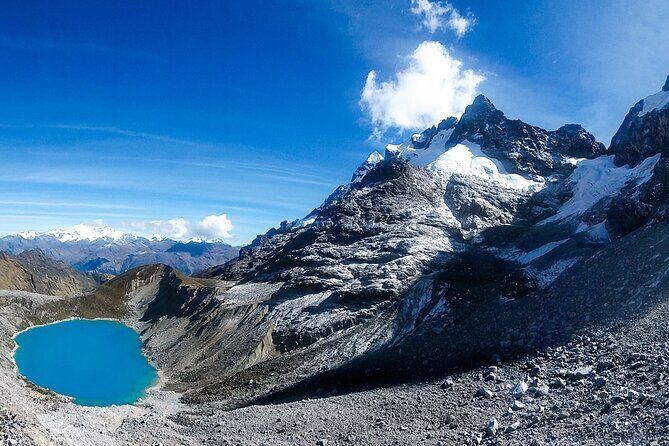
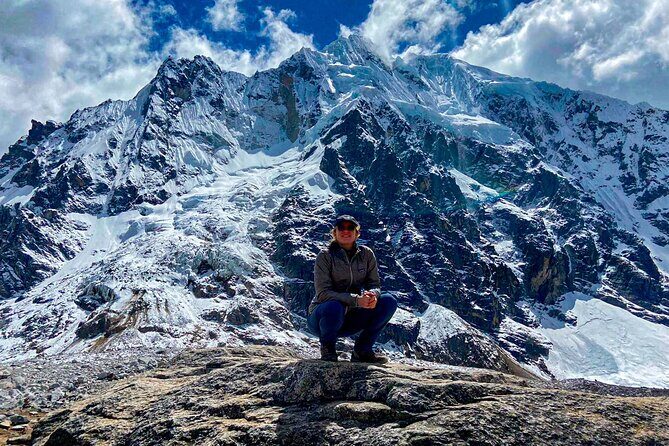
Breakfast comes first on the Salkantay pass day. Then you start the trek toward Abra Salkantay, which sits at about 4,620m, the highest point of this classic route.
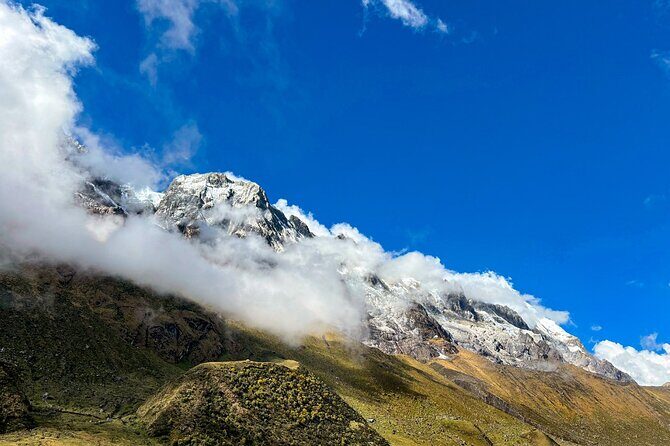
This section is where altitude becomes more than a number. You may notice slower steps, heavier breathing, and a need to pace yourself. The good news is that your guide knows the terrain and keeps the group supported. Along the route, you’ll observe llamas and alpacas, birds like the Salkantay condor, and Andean scenery.
You’ll also encounter stone mounds called Apachetas. Your guide explains them, and you’ll do a short ceremony with plant leaves to honor Pacha Mama, asking Mother Nature to take care of you during the trek.
Then the focus shifts: you descend for about 3 hours to the Wayracmachay area.
I like that this day includes meaning, not just effort. The ceremony and the Apachetas make the mountains feel tied to people, not just rocks you pass through.
You can also read our reviews of more tours and experiences in Cusco
Wayraqmachai to Chaullay: lunch near Amazon edges and overnight cabins
After descending, lunch happens at the Wayraqmachay point, described as being near the edge of the Amazon jungle in the Cusco region. After lunch, you continue walking for about 4 hours until you reach Chaullay camp.
Chaullay is where the trek starts changing character. You’re now in an area associated with more cloud forest influence, and you’ll have a chance to look for hummingbirds and other species of birds, small mammals, and reptiles. Then you get tea time and dinner.
Overnight is in Chaullay Andean cabins. The comfort level here is a big plus, because Day 2 can be long and Day 3 starts early. Having cabins instead of rough setups makes it easier to recover and sleep.
Cloud forest to tropical domes: La Playa and the jungle feel
Day 3 starts with breakfast in Chaullay and a departure around 6:00 a.m. Then you move into deeper immersion of cloud forest and toward the jungle.
The trek route pushes you through tropical jungle trails, including narrow paths with waterfalls and fertile valleys filled with plant life. You might spot native orchids and medicinal plants, and there’s mention of Peruvian hummingbirds. You’ll also pass local family farms where you taste fresh granadilla.
After an organic lunch, you get a short coffee experience: a 35-minute organic coffee tour and tasting. If you’ve ever wondered why coffee tastes better after you’ve been hiking for hours, this is part of the answer.
Then you reach the jungle campsite in tropical domes. There’s also an optional visit to nearby hot springs. After that, you get tea time and dinner.
This day is one of the most exciting shifts. You go from big Andean altitude views into warm, humid terrain. That change can feel like a reward after the pass day.
5:00 a.m. in the coffee world: Lucmabamba morning and Llactapata views
On Day 4, you wake up around 5:00 a.m. You’ll have a coca drink and breakfast with tropical fruits. Then you’ll continue after saying goodbye to the chef and kitchen assistant (which is a nice touch; it makes the food feel like part of the trek, not just fuel).
The day includes a Lucmabamba Coffee Experience, about 1 hour. Then the route turns toward Llactapata. You’ll walk through tropical forest and coffee plantations, then arrive at Llactapata’s archaeological center for a panoramic view of Machu Picchu, Huayna Picchu, Huchuy Picchu, and the surrounding valleys and ravines.
This is one of those “stop and look” moments. You’re not inside the main site yet, but you’re seeing it like a map coming to life.
After that, you descend toward Aguas Calientes. The route includes a stop at the Hydroelectric dam (about 2 hours), lunch there, and then 3 hours of walking along a flat railway path until you reach Aguas Calientes.
In Aguas Calientes you’ll have dinner and an explanation for your Machu Picchu tour the next day. Then you sleep in town, because tomorrow is the big one.
Machu Picchu morning: buses, control points, and a 3-hour guided walk
Machu Picchu opens at 6:00 a.m. Your day begins with breakfast at the hotel in Aguas Calientes. Your guide explains restrictions, which matters because Machu Picchu isn’t “wander anywhere.” It’s controlled to protect the site.
You have two ways to reach the sanctuary:
- Take the bus from Aguas Calientes up to Machu Picchu, or
- Walk uphill for about 1.5 hours.
At the control points, you need your Machu Picchu entrance ticket and a personal passport. Then the tour includes a 3-hour guided Machu Picchu visit.
The guide covers major Inca architecture and hydraulic engineering, plus key areas including classic photo spots and the main gate to the urban sector. You’ll visit major stops like the Temple of the Sun, the Royal Tomb, the Intiwatana sundial, the Temple of the Three Windows, the central square, Sacred Rock, craft areas, and the Temple of the Condor.
I like guided structure here. Machu Picchu can feel overwhelming if you don’t know what you’re looking at. A good guide helps you connect the buildings, engineering, and landscape features into one story.
After the tour, you head back to Aguas Calientes and plan lunch. The timing tip is straightforward: take the bus down about 2 hours before your train departs. Go to the train station about 35 minutes before departure.
Back to Cusco via Ollantaytambo: train ride and door-to-door transport
Your route continues with the train back to Ollantaytambo. Then a representative of Peruvian Culture Tours meets you there. You’ll travel by private transport back to Cusco with about a 2-hour door-to-door service.
This part is one reason I’d choose a package like this: it reduces the last-day stress. Machu Picchu days can get messy fast if you’re juggling buses, tickets, and timing. Here, the plan is already built in.
Price and value: what $595 buys you (and what to watch)
At $595 per person, this trek isn’t cheap, but it’s also not just a “walk and good luck” deal.
You’re getting:
- Private transport during the trip
- An official guide with the oxygen tank and first-aid kit
- A duffle bag limit of 4 kilos carried by horses for your personal gear
- Meals listed as breakfast (5), lunch (4), and dinner (4)
- Train ticket return Aguas Calientes to Ollantaytambo
- A one-way bus ticket to Machu Picchu
- A group capped at maximum 8 travelers
- A guided Machu Picchu tour
That mix is where the value comes from: transport, safety support, food, and the ticket/timing pieces that can otherwise derail your experience.
What to watch for is also simple: you still need to be ready for early starts and serious walking, plus you must have what Machu Picchu requires at the gate (entrance ticket and passport). If your Machu Picchu logistics aren’t sorted the way you expect, ask early—don’t assume.
Who this trek fits best (and who may feel it’s too much)
This tour is best for people with strong physical fitness and real willingness to hike at altitude. You should expect long walking days, early mornings, and the need to pace yourself from the pass down to the jungle.
It also fits well if you like your days structured but not rushed. The trek includes free time for photos at key spots like Humantay Lake, plus guided explanations at cultural and archaeological points.
If you want a mostly flat, low-effort trip, this isn’t it. If you hate mornings before dawn, you’ll count the hours until sleep becomes legal again.
On the upside, the small group size (max 8) helps keep the experience from feeling like cattle. It also tends to make it easier for your guide to manage comfort, pace, and attention.
Practical tips you’ll thank yourself for
You’ll be at high altitude, then moving into warmer jungle terrain. Pack like you’ll layer. Mornings are cold up high; later days can feel warm and damp.
Bring:
- A daypack for your essentials (water, layers, camera)
- Layers you can shed as you descend
- Comfortable hiking shoes with good grip
- A water plan you’re comfortable with (the trek is described with unlimited water and snacks in review accounts, but still follow your guide’s instructions)
Also: don’t treat the oxygen tank like a gimmick. It’s there for a reason. If you feel altitude symptoms, tell your guide right away and slow down.
Should you book it?
I’d book this trek if you want a classic Salkantay experience that hits the big sights—Humantay Lake, the Salkantay pass, jungle trails, and a guided Machu Picchu visit—while keeping logistics and safety support tight.
I’d think twice if you:
- Struggle with early wake-ups and long hiking days
- Are unsure about altitude comfort
- Prefer independent travel with fewer guided constraints inside Machu Picchu
If you’re in the middle—curious, fit enough, and ready to let the mountains run the schedule—this is a strong choice.
FAQ
What time does pickup happen in Cusco?
You’re picked up from your accommodation around 4:00 a.m. for the start of the trek.
How many travelers are on this trek?
The group is capped at a maximum of 8 travelers.
Is Machu Picchu exploration guided?
Yes. You’ll have a 3-hour guided Machu Picchu tour after you pass the control points.
What do I need to enter Machu Picchu?
You need Machu Picchu entrance tickets and a personal passport to pass the control points.
What safety support is included for altitude hiking?
Your official guide carries an oxygen tank, and there’s a first-aid kit including an emergency oxygen bottle.
Are meals included?
Yes. The trip includes breakfast (5), lunch (4), and dinner (4), plus snacks and tea/meal times during the days as described.
Is free cancellation available?
Yes, you can cancel for a full refund up to 24 hours in advance. If weather causes cancellation, you’ll be offered a different date or a full refund.