REVIEW · CUSCO
City tour : Qoricancha, sacsayhuaman, qenqo, tambomachay
Book on Viator →Operated by Tour Machu picchu best · Bookable on Viator
Cusco can feel like a lot at once, and this route keeps it organized. You’ll cover major Inca power points in about 5.5 hours, moving from stonework to sacred spaces with a guide and transport.
What I like most is the focus on Sacsayhuaman’s big granite construction and the way Qorikancha connects the Inca world to what happened after Spanish arrival. The main thing to plan for is that you’ll still pay separate entry fees at several stops, so check your budget before you go.
In This Review
- Key Highlights I’d Prioritize
- Price and Logistics: What You Get for $15
- Meeting Up in Cusco: Easy Start, Clear End
- How the Pace Works: 5.5 Hours, Five Stops
- Sacsayhuaman: Granite Fortifications and City Protection
- Q’enqo: Ritual Space Built Into Limestone
- Puka Pukara (Puca Pucara): Red Fortress and Defense Systems
- Tambomachay: The Inca Bath and Water-Cult Clues
- Qorikancha: Cusco’s Main Temple and the Spanish Aftermath
- Transportation and Group Size: Why It Feels Manageable
- The Guide Factor: Ivan’s Professionalism Is the Difference-Maker
- What to Bring (So the 5.5 Hours Don’t Feel Tough)
- Who This Tour Fits Best
- Should You Book This Cusco Inca Sites Tour?
- FAQ
- How much does the Cusco city tour cost?
- How long is the tour?
- What’s included in the price?
- Are entrance tickets included?
- Is the tour offered in English?
- What is the cancellation policy?
Key Highlights I’d Prioritize
- Small group size (max 18), which helps you actually hear the guide without yelling over everyone
- Professional guide + tourist transportation included, so you spend less time figuring out logistics
- Timed site visits (~30 minutes each), a good format if you’re short on time in Cusco
- Sacsayhuaman for dramatic military architecture built from large granite blocks
- Qorikancha for the most important Inca temple site, later heavily destroyed under colonization
- English option (plus a mobile ticket), making this easier to use day-to-day
Price and Logistics: What You Get for $15
At $15 per person, this tour sits in the “good value” zone for Cusco sightseeing. The math matters: you’re not paying that $15 and then scrambling for everything. Transport and a professional guide are included, which can be the difference between a smooth morning and a stressful one.
The catch is simple: the visit includes the guide-led route and the walk-and-look time, but you pay archaeological entrance fees separately. The total ticket cost listed is:
- Partial entry ticket for the four archaeological centers: 70 soles
- Entrance ticket to Qorikancha: 15 soles
So think of it as two parts:
1) You pay for the guided circuit and transport up front
2) You pay entrance fees on top, directly related to what you’re walking into
Duration is also practical: about 5 hours 30 minutes. That’s enough time to see a lot without turning your day into a full-on all-day grind.
One more planning detail: this one is often booked about 13 days in advance, so if you’re traveling in a busy window, booking early is smart. You’ll also get a mobile ticket, which is handy when you’re juggling altitudes, buses, and day plans.
You can also read our reviews of more city tours in Cusco
Meeting Up in Cusco: Easy Start, Clear End
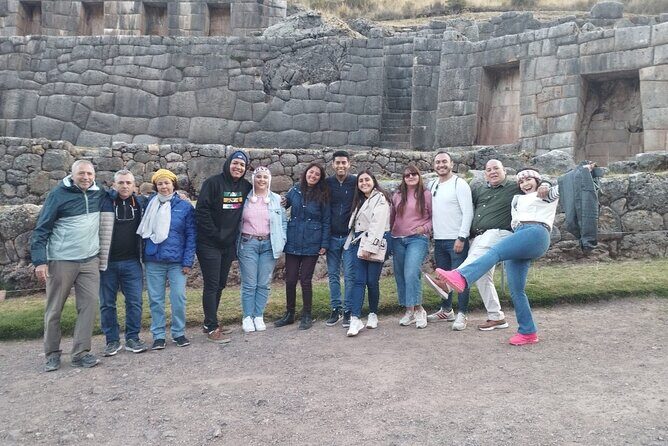
The tour starts and ends at the same meeting point, listed as F2MC+8F (Cusco, Peru). That matters because it reduces the “where do we meet again?” problem, especially when you’re tired after walking around Cusco’s historic streets.
It’s also noted as near public transportation, which is useful if you want flexibility. If you’re staying somewhere that’s easy to reach by bus or shared transport, you’re less locked into one transfer plan.
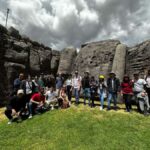
The group is capped at 18 travelers, and the tour runs in English. That combination is a big deal in Cusco: small groups move faster, but still give you room to ask questions without feeling like a crowd-control experiment.
How the Pace Works: 5.5 Hours, Five Stops
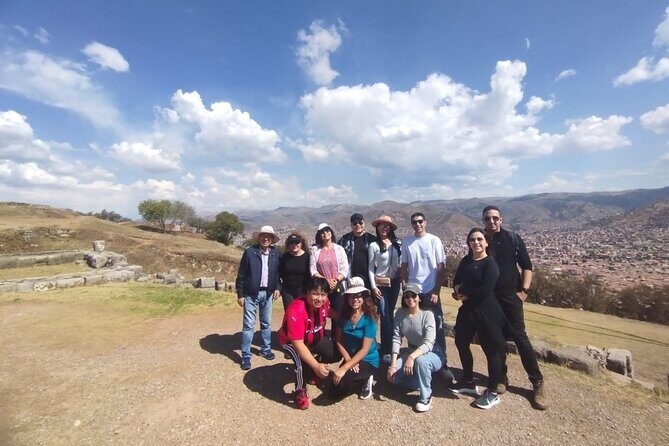
Each main stop is roughly 30 minutes. That’s not a long time at each location, but it’s a workable structure: you’re there to see the key features, get the context from the guide, and move on before Cusco turns the afternoon into a foggy, tired blur.
If you like going deep at one site, this may feel a bit quick. If you want an efficient overview of major Inca landmarks, this format fits well. The big win is coverage. You’ll leave with a clearer sense of how Inca Cusco was organized—fortress, ritual spaces, defense works, water culture, and then the main temple.
Sacsayhuaman: Granite Fortifications and City Protection
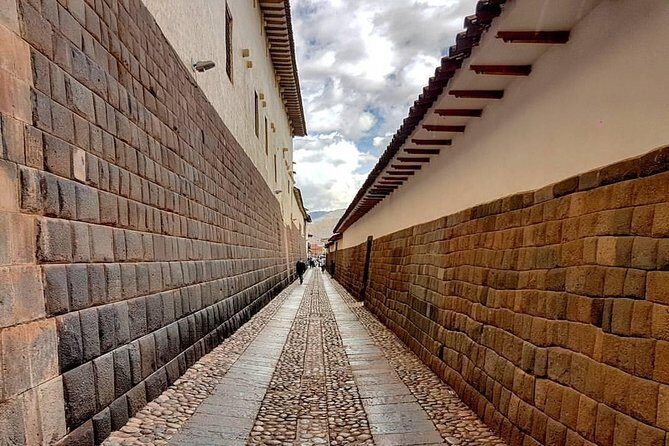
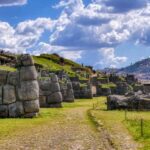
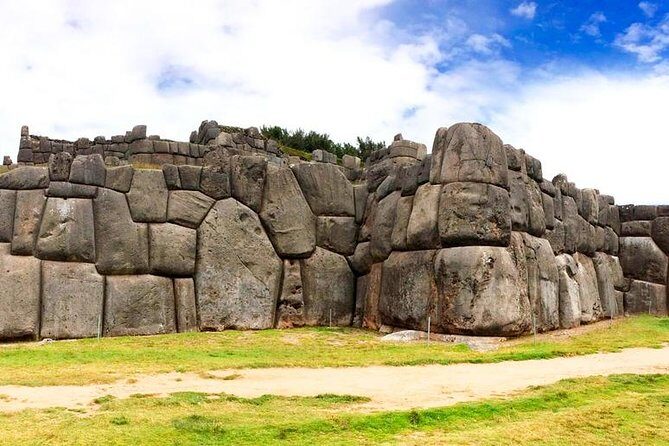
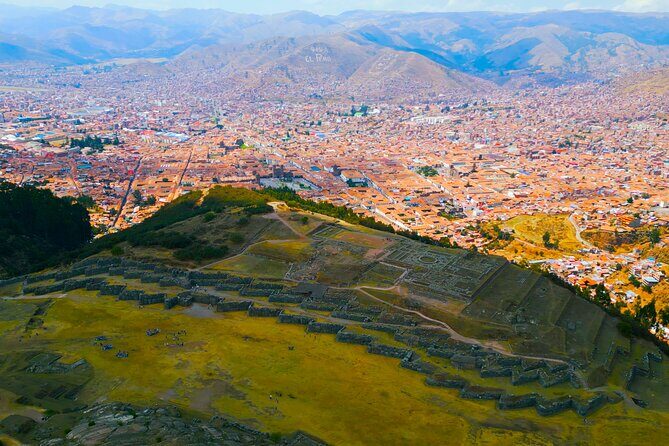
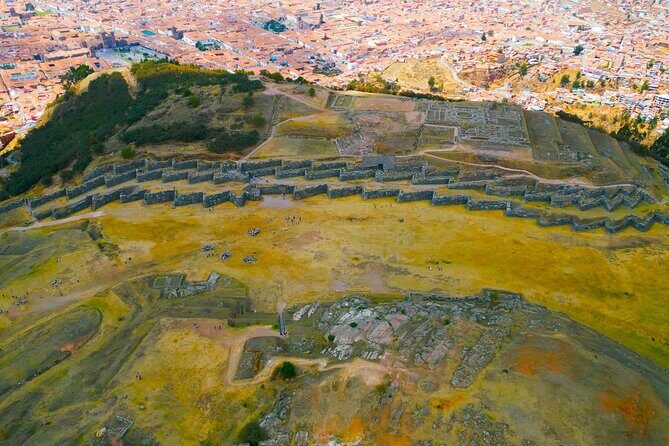
Sacsayhuaman is your first major wow-factor. The site is described as an example of Inca military architecture—a fortress-like structure built with large blocks of granite and dedicated to protection of Cusco.
Why this stop works for you:
- You get a tangible sense of Inca planning. This isn’t just “cool ruins”; it’s built to function.
- The granite scale helps you understand why these places take time to study. Even with a short visit, the engineering impression lands fast.
What to watch for during your time here: pay attention to the sheer block size and the layout feel. A 30-minute visit won’t turn you into an expert, but it’s long enough to notice that this is defensive architecture, not random stone piles.
Admission isn’t included for this stop, so plan on paying the site entry fees separately. Still, the guide-led context is the kind of thing that makes the entrance cost feel worth it.
Q’enqo: Ritual Space Built Into Limestone
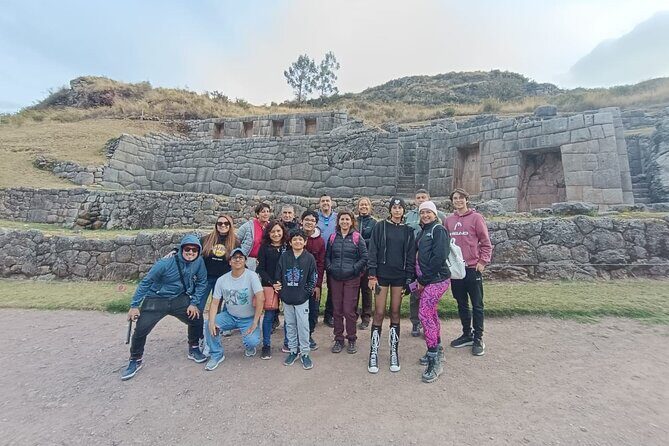
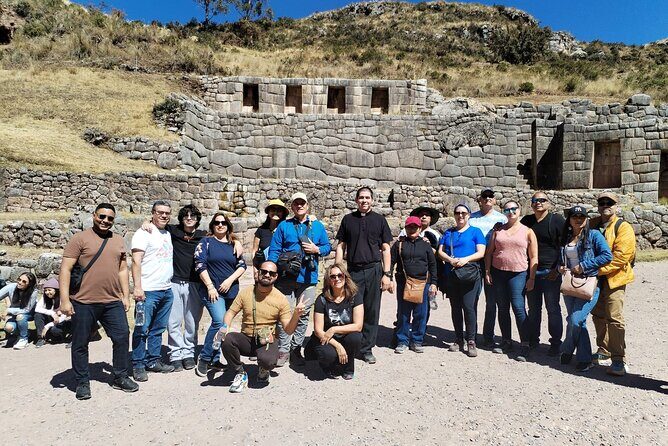
Next up is Q’enqo, a ritual center built on a unique limestone rock outcrop. The description also mentions underground galleries and a semicircular amphitheater.
This is the stop that usually changes how people see the Inca: it’s not only about power and defense. It’s also about ceremony and place-making.
Here’s what you’ll likely appreciate in a short visit:
- The idea of building a ritual space right into the rock. The site isn’t separate from the mountain—it’s part of it.
- The semicircular amphitheater clue. Even without a long stay, the shape points you toward how gatherings might have been staged.
Drawback to consider: because your time is limited, you’ll need to choose what you focus on. If you’re the type who loves reading every label and exploring side areas, you may want to add a separate visit later. If you’re happy with a guided overview, Q’enqo is a strong use of time.
Admission is again not included here, so keep that budget in mind as the tour moves from site to site.




Puka Pukara (Puca Pucara): Red Fortress and Defense Systems
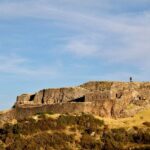
Then comes Puka Pukara (also spelled Puca Pucara), described in Quechua as red fortress. The key point is purpose: it’s a military construction with stairways, terraces, and large walls, part of the defense system for the Inca capital.
Even with 30 minutes, this stop gives you a useful “connect-the-dots” moment. You’ve already seen fortress energy at Sacsayhuaman. Now you see another piece of the defense puzzle—less about one huge structure and more about functional staging, movement, and control.
What I’d do in your time here:
- Look for how stairs and terraces create usable paths and levels.
- Keep the “defense system” framing in mind. It makes the design choices feel logical, not decorative.
Again, entrance tickets aren’t included for this stop, so the separate fees keep stacking if you don’t plan.
Tambomachay: The Inca Bath and Water-Cult Clues
Tambomachay is also known as the Inca Bath, and the tour description points to a specific theme: a place connected to the cult of water and the ruler’s worship.
This is one of the nicer changes of pace from purely military or ceremonial stonework. Even if you don’t know the details, the “water” framing gives you a lens to interpret what you’re seeing.
How to get more from this stop:
- Think about why water would matter in a sacred context. Even when you only get a brief visit, the guide’s explanation should connect the site’s purpose to the Inca worldview.
- Use your guide’s direction to notice the features that relate to that water-cult idea.
Because the tour runs on tight timing, don’t expect a long sit-and-stare session. Expect a clear explanation and a chance to take photos and move on with context.
Admission isn’t included here either, so budget for that in advance.
Qorikancha: Cusco’s Main Temple and the Spanish Aftermath
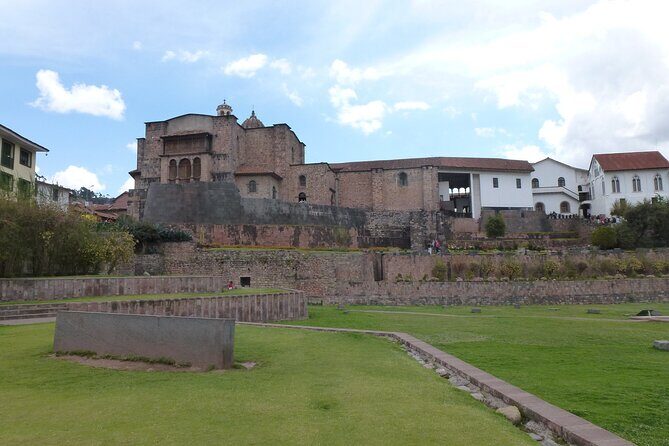
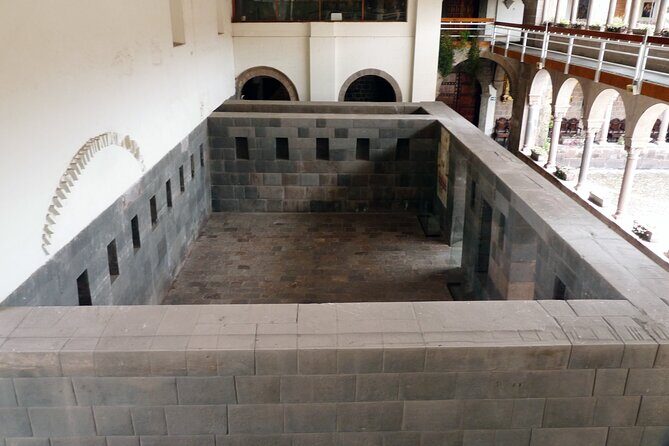
You end with Qorikancha (often spelled Qoricancha in English). The description is very direct: it was the most important temple during the Inca Empire, and it was later almost completely destroyed by the Spanish during colonization.
This stop is emotional in a different way than the others. The site isn’t just impressive; it carries a story of cultural disruption. If you’ve been thinking about Inca architecture as skill, here it becomes a reminder of how fragile dominance can be when a new power arrives.
Why this last stop can stick with you:
- It ties together the tour’s themes: sacred space, imperial importance, and then the hard break of history.
- Because it’s last, you’re more likely to remember what you learned earlier about the Inca’s use of stone and place.
Admission isn’t included for Qorikancha. The extra listed cost is 15 soles, separate from the partial ticket for the other sites.
Transportation and Group Size: Why It Feels Manageable
This tour is built around practical on-the-ground comfort: tourist transportation is included, and the group is limited to 18 travelers. In Cusco, that’s not a small thing.
A smaller cap can mean:
- You’re less stuck waiting as people get lost in the corners.
- You can follow the guide’s explanation without constant repeat requests.
- The day stays moving, which helps when you’re trying to see multiple Inca sites in one stretch.
English availability helps too. If you speak English comfortably, you won’t feel like you’re getting only half the story.
The Guide Factor: Ivan’s Professionalism Is the Difference-Maker
The reviews you shared highlight a strong point: guide Ivan gets called out for being espetacular and ótimo, plus genuinely kind and attentive with clear site knowledge. That matters because on archaeological tours, the stones are only half the experience.
A good guide helps you:
- Understand what you’re looking at beyond the obvious
- Notice the features that matter (military layout, ritual geometry, water symbolism)
- Ask questions and get straight answers without wasting time
Even when the tour time is limited to about 30 minutes per stop, a guide like Ivan can turn a quick visit into a memorable one by focusing you on the right details.
What to Bring (So the 5.5 Hours Don’t Feel Tough)
The data doesn’t list gear requirements, but Cusco mornings and historic sites have a way of making comfort matter. I’d suggest you prepare like this is a walking-heavy day:
- Wear comfortable shoes (stone is stone)
- Bring a light layer; weather can shift
- Carry water and a simple snack if you’re sensitive to appetite changes during altitude
Also, since entry tickets are not included, have cash ready for the 70 soles partial ticket and the 15 soles for Qorikancha. Having it sorted helps you avoid a last-minute scramble near the entrance.
Who This Tour Fits Best
This loop is a strong choice if you:
- Want a guided overview of five major Cusco-area Inca sites
- Have limited time and want efficient coverage in about 5.5 hours
- Like small-group sightseeing (max 18), where you can actually hear answers
- Prefer English interpretation and don’t want to piece together transport on your own
It may be less ideal if you:
- Want to spend long hours at one location
- Like fully independent exploring with zero structure
- Are hoping every entrance fee is included in the base price (it isn’t)
Should You Book This Cusco Inca Sites Tour?
If your goal is smart, efficient Cusco sightseeing—fortress to ritual to water culture to the main temple—this is easy to recommend. The base price is low for what you get, especially with transport and a professional guide included.
Just go in knowing the key trade-off: you’ll pay separate entrance tickets for the sites. If that fits your budget, you’ll likely find the route gives you a clear, organized sense of how Inca Cusco was designed and why these places mattered.
If you want one “first Cusco Inca sites” day to get oriented, this is a solid pick.
FAQ
How much does the Cusco city tour cost?
The price is listed as $15.00 per person.
How long is the tour?
The duration is about 5 hours 30 minutes.
What’s included in the price?
The tour includes a professional guide and tourist transportation.
Are entrance tickets included?
No. Partial entry tickets for four archaeological centers (70 soles) and Qorikancha entrance (15 soles) are not included.
Is the tour offered in English?
Yes. The tour is offered in English.
What is the cancellation policy?
You can cancel for free up to 24 hours in advance for a full refund. If you cancel less than 24 hours before the start time, you won’t get a refund.