REVIEW · CUSCO
City Tour in Cusco
Book on GetYourGuide →Operated by VIAGENS MACHU PICCHU SAC · Bookable on GetYourGuide
Cusco’s stone meets Spanish baroque in four hours. This half-day route strings together major Inca and colonial landmarks, then adds a high viewpoint and working water engineering to finish strong.
I particularly like the certified, multilingual guide setup and the simple way the tour covers Cusco’s top sights in a tight time window. I also love that it ends with Tambomachay’s oldest functioning water fountains, so the Inca story doesn’t stop at temples and walls.
One thing to keep in mind: confirm your guide language and exact pickup spot before you go. In one case, a Portuguese booking didn’t match the language used on the day, and the search for the meeting point caused stress—though the guide (Fernando) was described as helpful and polite.
In This Review
- Key highlights you’ll care about
- Why This 4-Hour Cusco City Tour Works
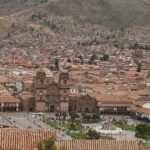
- Cusco Historic Center: Walking Between Two Eras
- Qorikancha and Cusco Cathedral: Sun Temple Foundations Under a Church
- Qorikancha (Temple of the Sun)
- Cusco Cathedral
- Sacsayhuaman: Megalithic Walls and the Fortress Mindset
- Qenqo: A Gloomy Ceremonial Center Carved Into Stone
- Puca Pucara: Cusco From Above in a Mountain View
- Tambomachay: Oldest Functioning Water Fountains and Inca Engineering
- Price and What You’re Actually Paying For ($20)
- Language, Pickup, and How to Avoid Hassle on Tour Day
- Who Should Book This Tour, and Who Might Not
- Should You Book This Half-Day Cusco City Tour?
- FAQ
- How long is the Cusco City Tour?
- What is the price?
- What stops are included on the tour?
- Is transportation included?
- Are admission tickets included?
- What languages are available?
- FAQ
- Is free cancellation available?
- Where will the tour end?
- Is the tour wheelchair accessible?
Key highlights you’ll care about
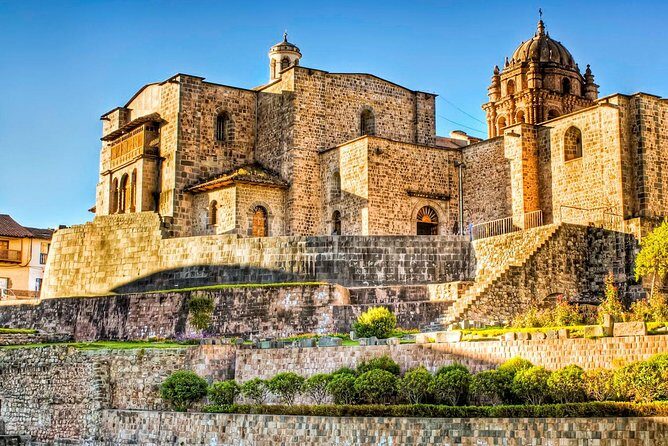
- Qorikancha (Temple of the Sun): Inca foundations topped with a Catholic church
- Cusco Cathedral: Colonial baroque built on an earlier Inca palace base
- Sacsayhuaman: Giant megalithic walls that show Inca building skill
- Qenqo: Carved ceremonial center linked to rituals and sacrifices
- Puca Pucara: Mountain viewpoint for Cusco from above
- Tambomachay: Still-working water fountains and irrigation channels
Why This 4-Hour Cusco City Tour Works
This tour fits a very real Cusco problem: you want the big sights, but you also don’t want to spend your whole day on transport and entry lines. In just 4 hours, you hit the core sites that first-time visitors usually aim for, plus two stops that show off Inca thinking beyond temples.
At $20 per person, the value comes from what’s included: a certified guide, roundtrip transportation to most hotels, an air-conditioned vehicle, and even a complimentary water bottle. That matters in Cusco, where mornings can feel brisk and afternoons can get tiring fast.
The trade-off is that admission tickets and meals aren’t included, so you should plan on a small extra budget on-site. If you come prepared with a little cash and snacks, you’ll keep the day moving without last-minute stress.
You can also read our reviews of more city tours in Cusco
Cusco Historic Center: Walking Between Two Eras
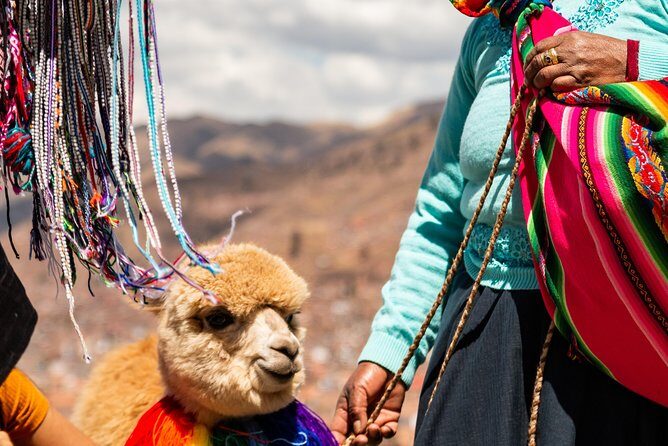
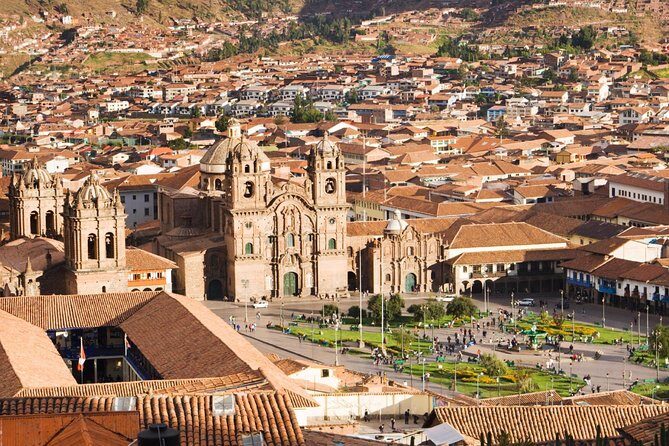
The tour starts by guiding you through Cusco’s historic core, where Inca building patterns and Spanish-era additions sit side by side. Even if you’re not a detail-spotter, you’ll feel the theme immediately: stonework isn’t just decoration here—it’s a record.
This kind of intro is useful because it gives you mental anchors. When you later see walls and foundations that connect to Inca palaces and temples, you’ll understand what you’re looking at instead of just snapping photos and moving on.
Practical tip: wear comfortable shoes. Cusco walking can be uneven, and the day has several stops where you’ll want to pause and look closely.
Qorikancha and Cusco Cathedral: Sun Temple Foundations Under a Church
Two of the tour’s biggest draws are Qorikancha and the Cathedral of Cusco, and they’re paired for a reason: they show how conquest reshaped sacred space.
Qorikancha (Temple of the Sun)
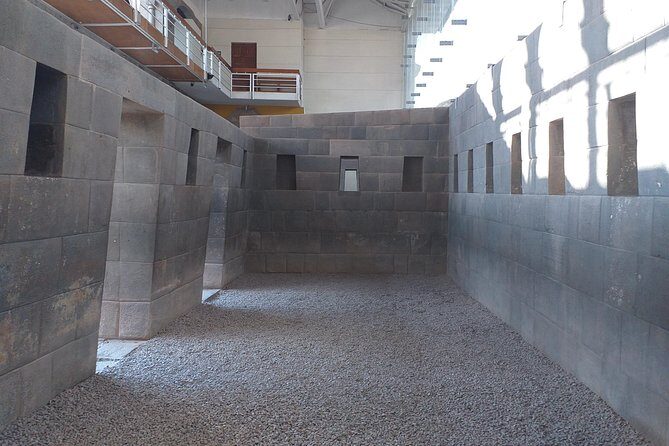
Qorikancha was the Inca spiritual heart tied to the Temple of the Sun. On this tour, you’ll see layered history because the Catholic church that now stands there was built atop the older Inca foundations. That contrast is the point. You don’t just learn the story—you see it in the architecture.
What I’d focus on while you’re there:
- How the Inca stone base conceptually supports what came later
- Where the site’s religious meaning shifts, but its importance remains
Also, expect that tickets are usually required for major sites like this. Since admissions aren’t included, build that into your timing and budget.
Cusco Cathedral
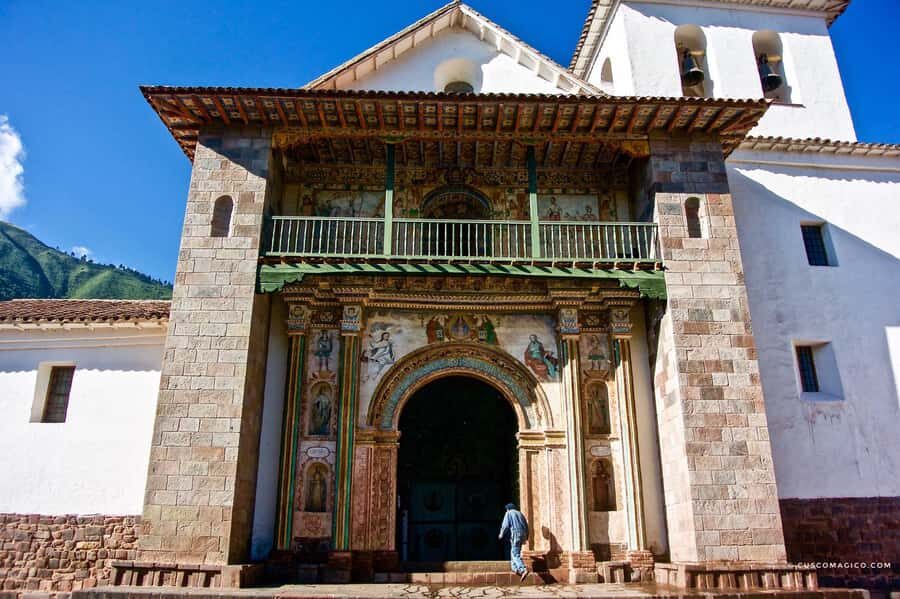
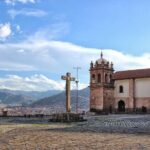
Next comes the Cathedral of Cusco, described as colonial baroque with roots anchored in an earlier Inca palace’s foundations. It’s a powerful match to Qorikancha because it continues the same theme: Spanish power didn’t erase the sacred map—it reused it.
If you like art and architecture, this stop is a nice change of pace after the more rugged feel of the Inca sites. If you’re more into construction engineering, you’ll still enjoy it because you can compare the weight and style of what’s underneath versus what’s built on top.






Sacsayhuaman: Megalithic Walls and the Fortress Mindset
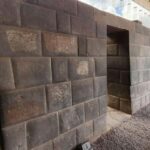
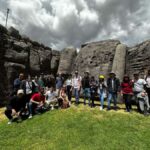
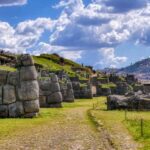
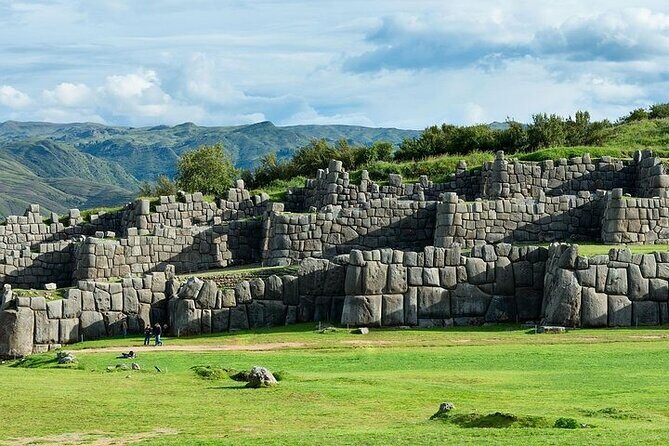
The tour takes you to Sacsayhuaman, a ceremonial fortress known for its massive megalithic structure. This is one of those places where words alone don’t do the job. The sheer scale tells you the Incas wanted their power seen from near and far.
Here’s what makes it memorable:
- The architecture feels deliberate, heavy, and strategic
- The stonework communicates organization and planning
- You get a sense of why Cusco mattered politically and spiritually
You’ll likely spend enough time to look across sections of wall and imagine how the site functioned. It’s also a good stop for photos, but keep an eye on the weather—wind can pick up in open high areas.
Qenqo: A Gloomy Ceremonial Center Carved Into Stone
Next is Qenqo, described as a gloomy ceremonial center. This stop is valuable because it moves you from grand fortress thinking into ritual space.
According to the tour description, Qenqo was a center where major rituals and sacrifices were believed to have taken place. You’re not expected to treat it like a modern museum exhibit. Instead, it’s more like a stone scene set for ceremonies—shaped for specific actions and beliefs.
What to do here:
- Look for the carved features and how the site is laid out
- Take a moment to notice the way the ground and rock form pathways and focal points
- Don’t rush; the atmosphere helps the meaning stick
Because it’s a more “stone-carving” type of visit, it can feel less dramatic than the big fortress visuals at first glance. But that’s why it’s on the route: it rounds out the Inca story.
Puca Pucara: Cusco From Above in a Mountain View
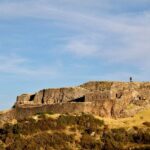
After Qenqo, the tour goes up the mountains to Puca Pucara to see Cusco from above. This is one of the most practical additions because it gives you orientation. Once you’ve seen Cusco at an angle, many of the places you visited make more sense in your head.
Why this viewpoint matters:
- It helps you understand the city’s setting
- It gives you a break from indoor or closely packed stops
- It’s a good “photo payoff” moment in the middle of a half-day
Bring a light layer if you’re sensitive to cold. Altitude and wind can be sneaky, even when the day starts out mild.
Tambomachay: Oldest Functioning Water Fountains and Inca Engineering
The final standout is Tambomachay, where you’ll learn about the Inca mastery of hydraulic engineering. The tour highlights the oldest functioning water fountains in the area and notes that the irrigation channels are still operational.
This stop is a smart way to end, because it reminds you the Incas were engineers, not just builders of temples. Water control was essential for daily life, agriculture, and the sustainability of a high-altitude city.
When you visit Tambomachay, focus on:
- How the irrigation channels guide water
- The trio of fountains and how they relate to the site’s function
- The idea of continuous use over centuries
If you love practical, real-world technology stories, this is the moment you’ll remember long after the cathedral details start blending together.
Price and What You’re Actually Paying For ($20)
At $20, this tour is priced like a true value option for Cusco’s top highlights—especially because transportation and guide time are included. You’re not just buying a list of stops. You’re buying the structure that makes those stops work in a single half-day.
Included:
- Professional certified tour guide (Spanish, English, or Portuguese; one bus per language)
- Roundtrip transportation to most Cusco hotels
- Air-conditioned vehicle
- Complimentary water bottle
Not included:
- Admission tickets
- Meals and drinks
- Gratuity (optional)
So the real value equation is this: if you’re willing to budget a bit for entry fees and bring simple snacks, you get a guided overview that would be harder to coordinate on your own—without the burden of figuring out routes and timing.
Language, Pickup, and How to Avoid Hassle on Tour Day

The tour is offered in Portuguese, Spanish, and English, and the description notes one bus per language. That’s good news for comprehension. Still, I’d treat this as a “confirm it” situation.
Here’s what to do:
- Confirm the language of the guide again the day before
- Double-check your exact pickup spot and when the vehicle arrives
- Keep your pickup instructions handy on your phone offline
The helpful part: even when there was confusion about pickup location, the guide Fernando was described as attentive and courteous. So once you’re on the right vehicle with the right language, the experience can feel smooth.
If you’re traveling with kids or want your party to follow explanations closely, this is even more important. A language mismatch turns a guided tour into a guessing game.
Who Should Book This Tour, and Who Might Not
This tour is best for:
- First-time Cusco visitors who want the biggest cultural hits in a short window
- People who like a guided explanation rather than wandering alone
- Travelers who want both Inca sacred sites and the engineering story of water at the end
It may not be ideal if you:
- Want long, slow time at each site for deep study
- Are very sensitive to extra entry fees (since admissions aren’t included)
- Prefer fully flexible pacing without a schedule
If you’re on a tight itinerary, this is a smart way to “learn the map” of Cusco quickly.
Should You Book This Half-Day Cusco City Tour?
I’d book it if you want an efficient, guided loop that links Inca foundations to colonial architecture, then finishes with two “less obvious” stops: a high viewpoint at Puca Pucara and working water engineering at Tambomachay. The $20 price works best when you treat entry fees as a separate, expected cost.
Before you go, do two quick things to protect your day: confirm guide language and confirm pickup location. If those are correct, you’ll get a solid overview that’s hard to replicate solo in the same time.
FAQ
How long is the Cusco City Tour?
The tour lasts 4 hours.
What is the price?
The price is $20 per person.
What stops are included on the tour?
You’ll visit Qorikancha and the Cathedral of Cusco, explore Sacsayhuaman, visit Qenqo, go to Puca Pucara for views, and finish at Tambomachay.
Is transportation included?
Yes. Roundtrip transportation to and from most Cusco hotels is included, using an air-conditioned vehicle.
Are admission tickets included?
No. Admission tickets are not included.
What languages are available?
The tour is available with live guides in Portuguese, Spanish, or English.
FAQ
Is free cancellation available?
Yes. You can cancel up to 24 hours in advance for a full refund.
Where will the tour end?
You’ll be dropped off at your accommodation or at Plaza de Armas, depending on what you prefer.
Is the tour wheelchair accessible?
Yes, the activity is wheelchair accessible.