REVIEW · CUSCO
From Cusco: Maras and Moray and Ollantaytambo Tour
Book on GetYourGuide →Operated by PVTravel · Bookable on GetYourGuide
Three big Inca stops, one efficient day. This Cusco Region route takes you through Moray’s circular agricultural terraces and then on to the Salineras salt evaporation pools with over 3,000 little ponds in view. It’s a good way to see more than just ruins; you also get the story behind how the Incas worked the land.
What I like most is the combo: unusual engineering at Moray, then a working landscape at Maras, then the built-up strength of Ollantaytambo. The only real drawback to plan for is that the ruins entrance fee isn’t included (it costs S/70.00 per person), so you’ll want cash and time to factor it in.
In This Review
- Why This Sacred Valley Route Works So Well
- Moray: Circular Terraces and the Inca Irrigation Puzzle
- Maras Salt Mines: 3,000+ Ponds Still Working Today
- Ollantaytambo Ruins: Inca Construction on the Urubamba Route
- Private Transportation and a Realistic 6-Hour Pace
- Price and Value: What $144 Covers (and What to Budget)
- What to Bring for Moray, Maras, and Ollantaytambo
- Who This Tour Fits Best
- Should You Book This Tour?
- FAQ
- FAQ
- How long is the Maras, Moray, and Ollantaytambo tour?
- Where does the tour start?
- Which sites are included?
- How long do you spend at each stop?
- Is the Salineras Salt Mine entrance fee included?
- Are the ruins entrance fees included?
- What languages is the guide available in?
- Does the tour include meals?
- Where will you be dropped off?
- What should I bring?
- Is this tour suitable for people with mobility impairments?
Why This Sacred Valley Route Works So Well
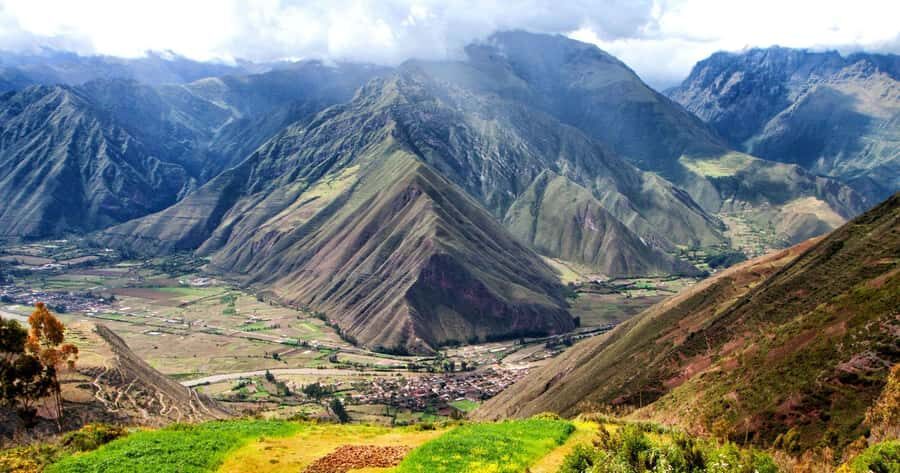
This is the kind of tour that fits real life. No long full-day commitment, but you still hit three signature stops in the Sacred Valley corridor. You get a private guide, hotel pickup in Cusco, and private transportation, so the day moves smoothly even if your first morning in Peru feels like a tiny blur.
The order is smart too. You start with Moray, where the terrain and terrace layout make more sense once a guide gives you the “look at this, then look again” explanation. Then Maras feels like a different world: less abstract, more visual, and still active today. Finally, you roll along the Urubamba River toward Ollantaytambo and wrap with the Inca-built ruins.
And yes, it’s short. That’s not a flaw here; it’s the point. You’ll be outdoors and walking at each stop, but the whole thing stays inside a 6-hour frame.
Moray: Circular Terraces and the Inca Irrigation Puzzle
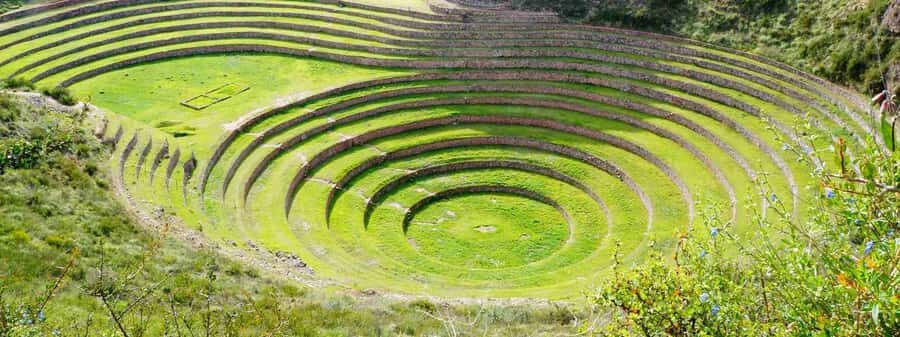
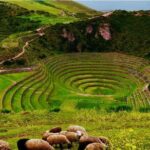
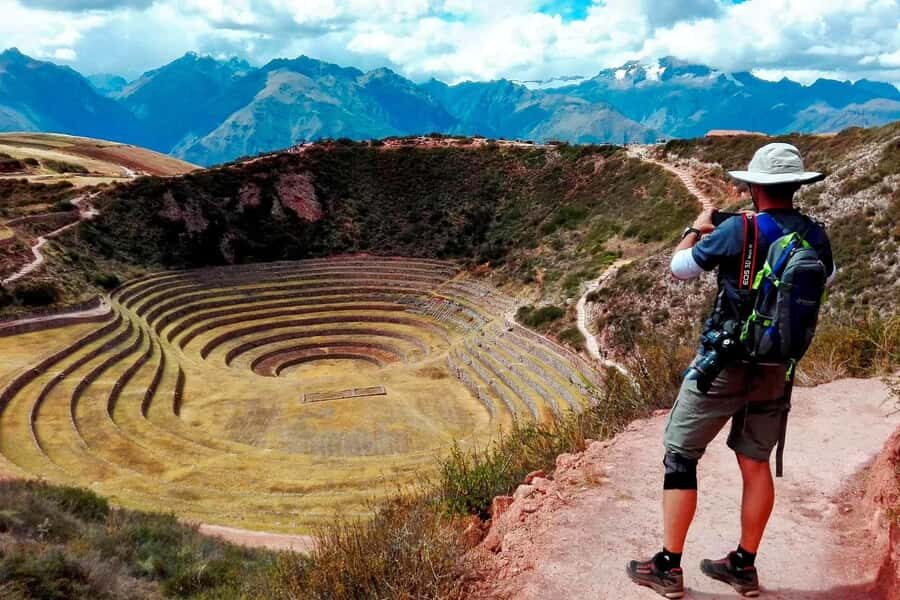
Moray is the stop most people remember because it looks weird in the best way. Instead of a straightforward fortress or temple, you get multiple circular terraces stacked like giant stone bowls. In a short guided visit (around 40 minutes), you’ll learn what made this site special: its terraces and the complex irrigation system that supports them.
What makes this worth your time is the perspective your guide gives you. From the outside, it’s easy to see shapes. From ground level, it becomes a lesson in how the Incas engineered farming to match tough conditions. The terraces aren’t just pretty geometry. You’re meant to understand how water and layout work together.
Practical note: Moray is a “pay attention to the details” site. If you spend most of the visit staring at your phone, you’ll miss the point. Give your guide a moment to explain what you’re looking at, then circle back to the terraces for your own visual check.
You can also read our reviews of more tours and experiences in Cusco.


Maras Salt Mines: 3,000+ Ponds Still Working Today
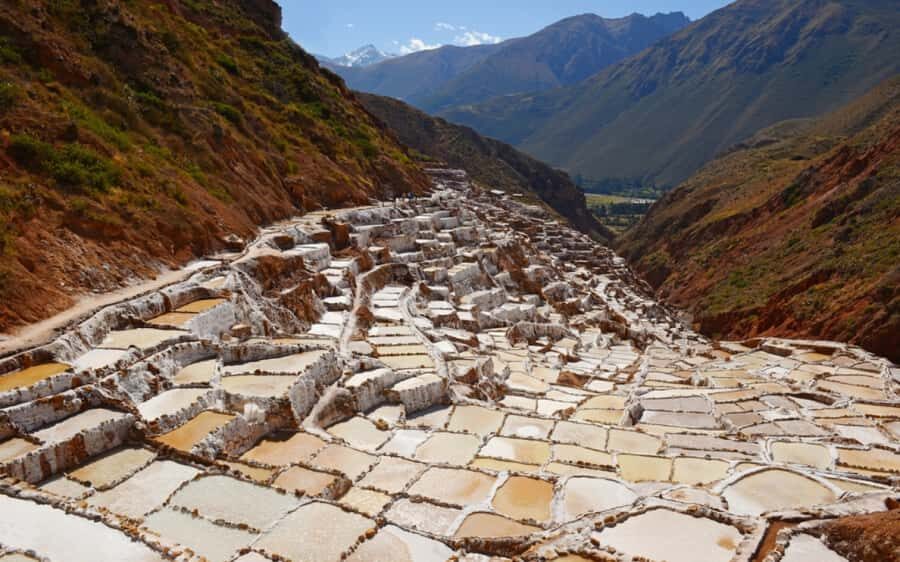
Maras is the sensory follow-up to Moray. Where Moray asks you to picture a system, the salt ponds at the Salineras Salt Mine show you the system.
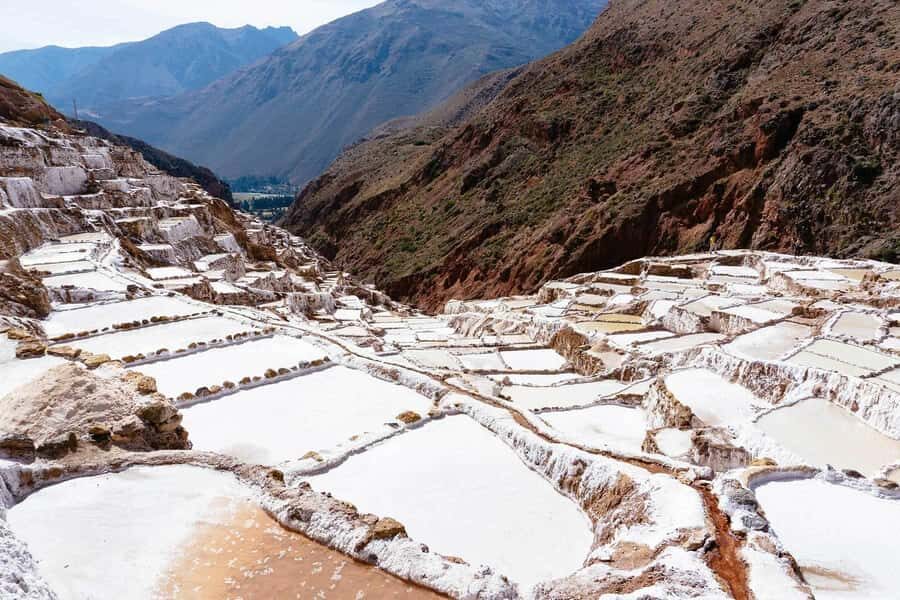
You’ll get a guided visit (about 40 minutes) and then time to take in the scale. The complex has more than 3,000 evaporation pools, and it’s still in use. That word still matters. This isn’t a set piece. It’s a working landscape where production happens right in front of you.
Even if you’re not a “salt nerd,” the visual effect is strong. Rows and rows of small pools create an organized patchwork. From up close, you can see how the surface changes with evaporation. The place also makes it easier to imagine how locals historically depended on the natural conditions here.
Logistics tip: since the salt mine entrance fee is included, you won’t have to handle that cost mid-day. You will want cash available for other items (like the separate ruins entrance fee later). Also, wear hiking shoes. The paths can be uneven, and your feet will do more than you expect for a short tour.
Ollantaytambo Ruins: Inca Construction on the Urubamba Route
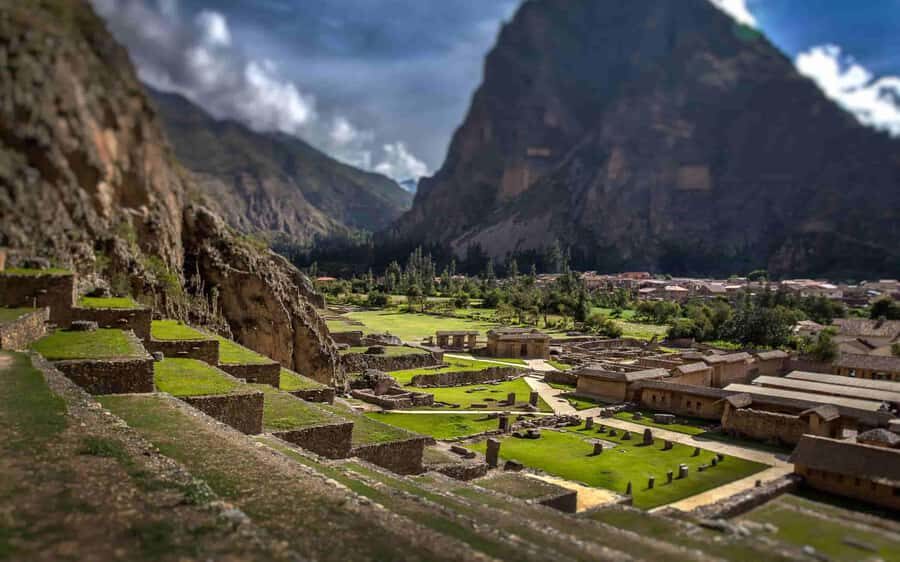
After Maras, you drive along the Urubamba River toward Ollantaytambo. That ride is not just travel time. It’s a small change of pace that helps you reset your brain after two very technical sites.
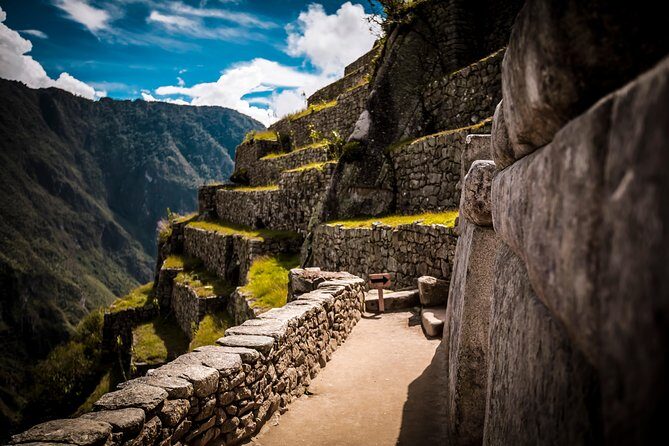
At Ollantaytambo, you’ll have about 1 hour for the ruins with your guide. Ollantaytambo is an important area of Inca construction, built during the height of Inca power. What you’ll feel here is the Inca style of building to last, not to impress for a day. The stonework and layout give you a sense of how the settlement functioned as a key foothold in the valley.
One practical catch: the entrance fee to the ruins is not included in the tour price. The info for this specific tour says it costs S/70.00 per person. If you have a Tourist Ticket, the ruins entrance can be included there instead. Either way, plan for it so the day doesn’t get awkward at the gate.
Private Transportation and a Realistic 6-Hour Pace

This tour is set up as a private group with private transportation. That matters more than it sounds. In the Sacred Valley, schedules can get tight, and public transport can turn a “quick stop” into a long detour. Here, you get pickup in Cusco and you’re not fighting timing.
The timeline is straightforward:
- Morning pickup in Cusco
- Guided stops at Maras and Moray
- Drive along the Urubamba River to Ollantaytambo
- Drop off in the afternoon at your hotel or train station in Ollantaytambo (and the tour details also note Cusco drop-off as an option)
The pacing is “look, learn, move on.” That’s ideal if you want the big hits without turning your legs into souvenir dust. It’s also a reason I think this works best for first-timers in the area, or for people who want a compact day before a heavier itinerary.
Who should take it slower? Anyone who struggles with walking or uneven terrain. This activity is listed as not suitable for people with mobility impairments, so choose something else if you need step-free routes.
Price and Value: What $144 Covers (and What to Budget)

At $144 per person for a roughly 6-hour private tour, the value mostly comes from how the day is packaged.
Here’s what you do get:
- Hotel pickup in Cusco
- Private transportation
- Private guide in English or Spanish
- Salt mines entrance fee included
- Drop off at your hotel or train station in Ollantaytambo (or Cusco, depending on the option)
Here’s what you don’t get:
- Meals
- Ruins entrance fee (S/70.00 per person), unless covered by a Tourist Ticket
To judge whether it’s a good deal for you, think about the “hidden costs” you’d have to cover on your own: guide time, transit time, and entry management between sites. If you’re paying for convenience and expert interpretation, this price makes more sense.
So my budgeting advice is simple: plan on the ruins entrance fee on top of the $144, and bring a little cash for that plus any drinks or snacks you want during the day. Also, since meals are not included, you’ll want a plan for what to eat before pickup or after you’re dropped off.




What to Bring for Moray, Maras, and Ollantaytambo
The tour gives a clear checklist. Don’t ignore it.
Bring:
- Warm clothing
- Hiking shoes
- Cash
Why these matter:
- Warm clothing helps because you’ll be outside for sightseeing at multiple stops.
- Hiking shoes protect you on uneven ground and on paths that aren’t designed for flip-flops.
- Cash matters for the ruins entrance fee at Ollantaytambo, since it’s not included in the base price.
Also, you’re getting picked up in Cusco and dropped off later, so keep your essentials easy to reach. You’ll want your shoes ready and your money accessible.
Who This Tour Fits Best
This is a strong match if you want:
- A short Sacred Valley day that still includes three major sites
- A private guide who can explain what you’re seeing
- The mix of practical site types: agriculture at Moray, a working production site at Maras, and monumental Inca construction at Ollantaytambo
It’s especially good if you’re the kind of traveler who likes understanding the “how” behind places, not just collecting photos. Moray is the clearest example. The salt ponds at Maras are the clearest follow-through.
If you’re traveling with limited stamina, reconsider. The tour is not suitable for mobility impairments, and the walking at each stop adds up.
Should You Book This Tour?

If you’re spending time in Cusco and want a smart, compact Sacred Valley day, I’d book it. The combination of Moray’s terrace-and-water story, Maras’s 3,000+ still-active salt pools, and Ollantaytambo’s Inca-built ruins gives you variety without eating your whole day.
But don’t ignore the one money item you’ll need to handle: the Ollantaytambo ruins entrance fee (S/70.00 per person) unless your Tourist Ticket covers it. If you budget that in, you’ll have a smooth afternoon.
FAQ

FAQ
How long is the Maras, Moray, and Ollantaytambo tour?
The tour lasts 6 hours.
Where does the tour start?
It starts with pickup from your hotel in Cusco.
Which sites are included?
You’ll visit Moray, Maras (including the Salineras Salt Mine), and the Ollantaytambo ruins.
How long do you spend at each stop?
Maras and Moray each include about 40 minutes of guided sightseeing, and Ollantaytambo includes about 1 hour.
Is the Salineras Salt Mine entrance fee included?
Yes, the salt mines entrance fee is included.
Are the ruins entrance fees included?
No. Entrance to the ruins is not included, and it costs S/70.00 per person. The information also notes that ruins entrance may be included on a Tourist Ticket.
What languages is the guide available in?
The guide is available in English or Spanish.
Does the tour include meals?
No, meals are not included.
Where will you be dropped off?
You’ll be dropped off at your hotel or train station in Ollantaytambo. The tour notes that drop-off can also be in Cusco, depending on the option.
What should I bring?
Bring warm clothing, hiking shoes, and cash.
Is this tour suitable for people with mobility impairments?
No, it is not suitable for people with mobility impairments.