REVIEW · CUSCO
Sacred Valley of the Incas and Machupicchu Tour from cusco
Book on Viator →Operated by WPeru-Travel · Bookable on Viator
A 3am start sounds wild, but it works. This Sacred Valley and Machu Picchu trip strings together the key stops in one smooth plan, with round-trip trains plus a guide so you spend less time figuring things out and more time looking around. I love how the day trip portion shows you the Inca way of using the land, then hands you over to the Machu Picchu portion ready to move. You’ll also get a night in Aguas Calientes, which makes the next-day summit visit feel calmer instead of rushed.
What I like most is the mix of hands-on culture and big-world sights: you’ll walk terraces at Chinchero and Moray, watch the salt harvest at Maras, and then cap it with a guided tour through Machu Picchu’s main areas. The second win is the organization: early pickup, train connections, and transportation that keeps the day running like clockwork. A possible drawback is that some site entrances in the Sacred Valley section require an extra ticket, so you’ll want to budget for that before you go.
In This Review
- Key Highlights at a Glance
- Early Train Days From Cusco: The Logic Behind the 3am Start
- Chinchero Terraces: Seeing Inca Farming Before the Big Names
- Moray: Circular Terraces That Make You Ask Why
- Salinas de Maras: The Salt Pans Still Doing Their Old Job
- Urubamba Buffet Lunch: A Necessary Reset
- Ollantaytambo: Inca Architecture Meets the Train Route
- Aguas Calientes Night: Hotel Rest Is Part of the Plan
- Machu Picchu Day: Bus to the Gate and a 2-Hour Guided Walk
- Price and Value: Where the $569 Is Actually Going
- Group Size, Timing, and Comfort: What the Pace Feels Like
- Who Should Book This Tour?
- Should You Book This Sacred Valley and Machu Picchu Tour?
- FAQ
- What time does the tour leave Cusco?
- Where is the meeting point?
- Is pickup from my hotel included?
- Does the price include Machu Picchu access?
- Will I have a hotel in Aguas Calientes overnight?
- Are the train tickets included?
- How long is the Machu Picchu guided visit?
- What sites are included in the Sacred Valley portion?
- What entrance fees are not included?
- What is the group size limit?
Key Highlights at a Glance
- A 3am departure from Cusco to catch the train to Aguas Calientes without losing your whole day
- Sacred Valley stops built around how the Incas used water and farming: Chinchero terraces, Moray’s circular set-ups, and Maras salt pans
- One-night hotel in Aguas Calientes so you’re not trying to do Machu Picchu in a single day
- A guided Machu Picchu visit of about 2 hours plus time for planning your best photos
- Small-group feel up to 30 travelers, which usually means less chaos than big buses
Early Train Days From Cusco: The Logic Behind the 3am Start
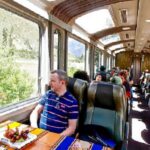
If you’re tempted to skip the earliest time, don’t. The tour leaves around 3am from the Plaza Regocijo meeting point, and that early push is what keeps the schedule realistic. You’ll ride to Ollantaytambo, then take the train toward Aguas Calientes. The train ride is about 2 hours, and yes, you’re trading sleep for time. But you also avoid the common headache of late starts and missed connections.
You’ll see the benefit most clearly once you’re already on the way. In the Cusco region, the day can get crowded fast—by leaving early, you get a smoother flow through the train and transfers. And the pacing matters because your first day is packed: multiple Sacred Valley stops, then an arrival late enough to rest before Machu Picchu day.
The only “watch-out” I’d flag is your energy planning. This isn’t a tour you casually join after a late night. If you tend to run on caffeine and stubbornness, you’ll be fine. If you need real sleep to function, make your evening calm and start hydrating early.
You can also read our reviews of more tours and experiences in Cusco.


Chinchero Terraces: Seeing Inca Farming Before the Big Names
Your first on-the-ground break from the travel rush comes at Chinchero, an archaeological complex known for its architecture and agricultural terraces. You’ll have about 45 minutes here, which means you should treat it like a fast but meaningful orientation stop—not a slow wander.
Why it’s worth your time: terraces aren’t just “pretty steps.” They’re evidence of how the Inca engineered the land to handle altitude and water. When you’re at Chinchero, it’s easier to connect the dots later at Moray and Maras. The whole Sacred Valley experience starts to feel less like random stops and more like one connected lesson in landscape management.
What to keep in mind: the entrance isn’t included for this stop. The tour includes a Sacred Valley general ticket option (BTG) listed as PEN 70. So if you want to avoid surprises at the gate, have that ticket idea sorted in advance.
Moray: Circular Terraces That Make You Ask Why
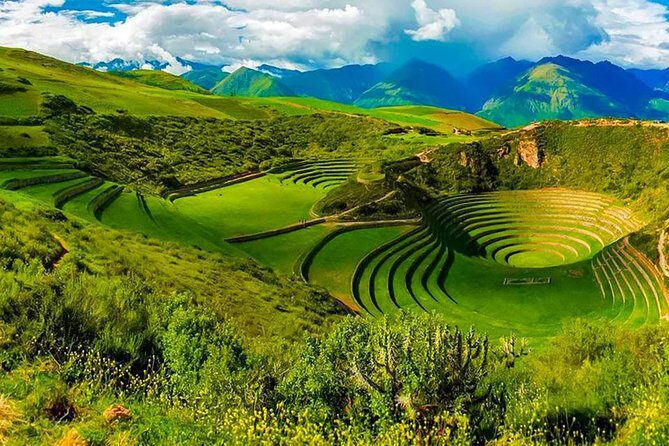
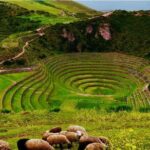
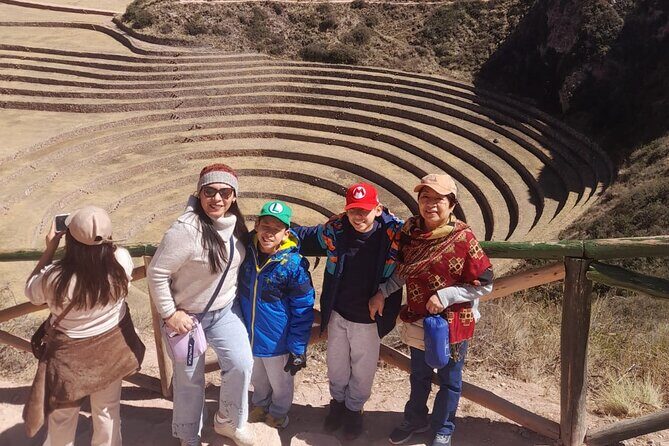
Next up is Moray, the Inca agricultural experimentation center. Expect about 45 minutes. Moray’s layout—terraces in a circular arrangement—makes people pause because it looks designed for study, not just farming.
The point of Moray is that the terraces reflect experimentation. Different levels create different micro-conditions, and that’s what made it useful as an Inca “testing ground.” Even if you don’t remember every detail, you’ll walk away with a stronger sense of how the Incas experimented with crops based on environmental variation.
Again, this is not “take your time all morning” territory. You’ll move through with your guide, and the value is in the explanation that links the stop to what you’ll see later.
Entrance isn’t included here either, so the same BTG ticket (PEN 70) consideration applies.
Salinas de Maras: The Salt Pans Still Doing Their Old Job
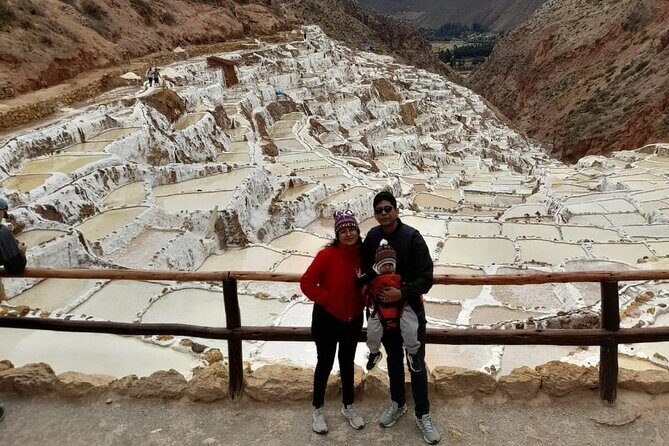
After Moray, you’ll head to Salinas de Maras, famous for its 4,000+ salt wells that local families extract using traditional, artisan methods. You get about 45 minutes for this stop, which is usually enough to see the way the system works and take photos without feeling like you’re sprinting.
What I like about Maras is that it doesn’t feel like a museum stop. You’re watching ongoing work, not only ruins. The visual is also different from the terrace-heavy vibe of the previous locations, so it keeps the day from blending together.
Practical tip: the light can be bright here, and you might want sunglasses and a good camera strap situation. If you’re not into photos, still go for the explanation—this is one of those places where a guide’s context turns a “pretty scene” into a story.
Entrance isn’t included, so the Sacred Valley BTG ticket (PEN 70) is part of the budget equation.
Urubamba Buffet Lunch: A Necessary Reset
Then comes the Urubamba buffet lunch, about 1 hour. This is the kind of break that makes the rest of the day work. Sacred Valley touring is interesting, but it’s also altitude plus walking plus steady moving. Lunch gives you a chance to eat without thinking, recharge, and keep your head clear.
The lunch is included, which is a real value point in a region where meals can vary a lot in price and quality. I also like that your day isn’t followed immediately by another transfer right after eating. You get a breathing pocket before Ollantaytambo.




Ollantaytambo: Inca Architecture Meets the Train Route
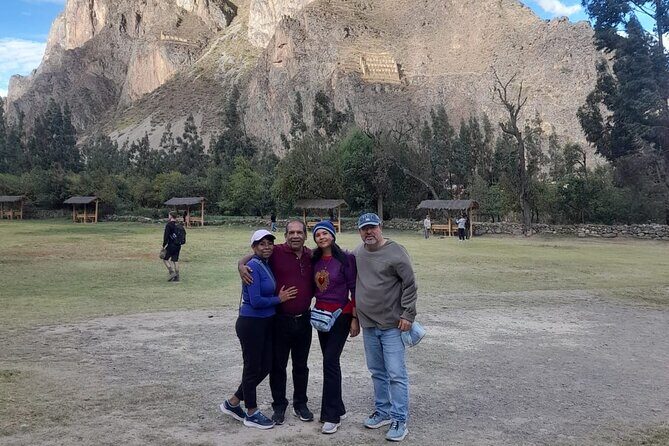
Ollantaytambo is the final big Sacred Valley stop on Day 1, with about 45 minutes. Here you’ll see impressive Inca architecture, including the Temple of the Sun, plus terraces, temples, and key Inca-era areas.
This stop matters because it bridges two worlds. On one side, it connects you to the Inca urban design. On the other, it’s the place where your train route starts shaping your journey into the Machu Picchu day.
A small timing note: 45 minutes is not “deep explore,” but it’s enough if you pay attention to what your guide points out. Ask questions if something clicks for you. Guides on this route often know where people miss the details, and a quick prompt can change your whole understanding of what you’re seeing.
Entrance is listed as free for this stop in the tour info, which helps with budgeting versus some of the other Sacred Valley sites.
Aguas Calientes Night: Hotel Rest Is Part of the Plan
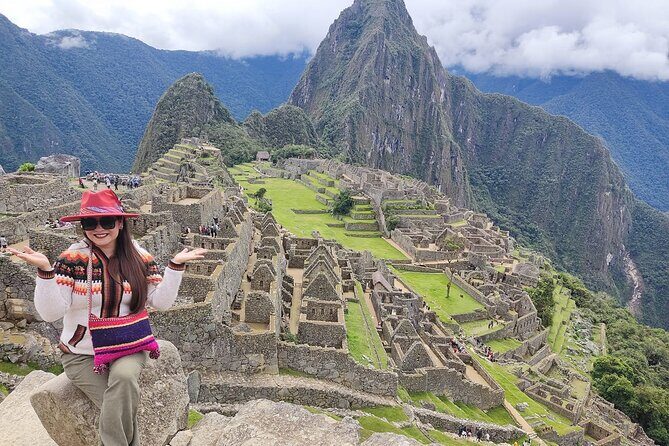
After Ollantaytambo, you’ll train to Aguas Calientes and arrive later on Day 1 (the timing given is around 18:30 for the train station transfer). The train ride is also about 2 hours, and when you arrive, the hotel staff picks you up and takes you to your lodging.
This included 1-night hotel is one of the most important value points in the package. If you’re trying to do Machu Picchu the hard way, people often skip the night stay and end up fighting the clock. Here, the schedule builds in recovery, and that makes the next day easier on your body and mood.
Also, Aguas Calientes is where weather can feel unpredictable. I’d plan like you might need layers. One of the best practical bits from traveler feedback is to bring a coat and be ready for rain typical of the Cusco area. Even if the morning looks fine, the clouds can move fast at this altitude.
Machu Picchu Day: Bus to the Gate and a 2-Hour Guided Walk
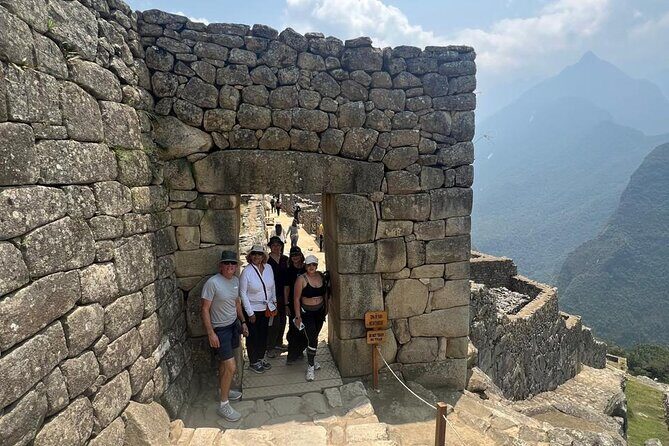
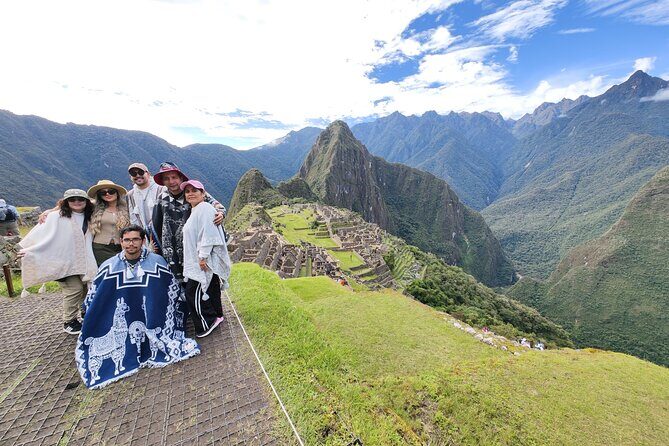
Day 2 is Machu Picchu. You’ll meet in Aguas Calientes at a guide-designated point, then get instructions for boarding a bus to the mountain. The bus ride takes about 25 minutes with winding roads and views along the way.
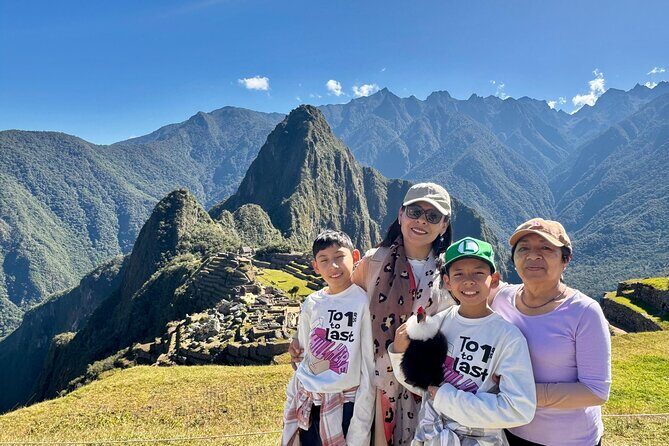
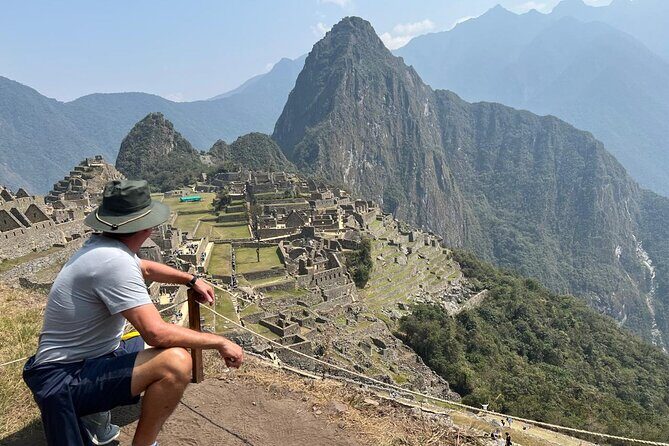
At the entrance gate, you’ll check in before starting your guided tour of about 2 hours. This is the moment you’ll likely be waiting for since your first early morning. The guide will walk you through the most important areas of the citadel and help you focus on what’s meaningful, not just what’s visible.
What I like about doing Machu Picchu with a guide is simple: you’ll spend less time guessing. The citadel layout can feel confusing at first glance, especially if you’re seeing it with jet-lag brain. With a guided route, you get a sense of what you’re looking at and why it’s arranged that way.
Photo note: the tour description and feedback both point to guide help for getting the best shots. So don’t be shy about where you stand and when you move. If a section is crowded, ask the guide for quick positioning advice. You’ll gain confidence fast.
After the guided portion, you have the option to eat at a restaurant for a typical lunch. Then it’s back to Aguas Calientes train station for the ride to Ollantaytambo and onward to Cusco.
Price and Value: Where the $569 Is Actually Going
At $569 per person for roughly 2 days, this tour isn’t cheap on paper. But you’re not just paying for a bus and a guide. Here’s what’s doing the heavy lifting:
- Round-trip tourist train tickets to Aguas Calientes (huge in this region)
- Access to Machu Picchu
- One night hotel in Aguas Calientes (again, significant cost)
- Professional guide and transportation to the train station
- Buffet lunch in Urubamba
Now, what’s not included matters too. Tips aren’t included. Food beyond the included lunch is extra. And for parts of the Sacred Valley segment—like Chinchero, Moray, and Salinas de Maras—entrance tickets aren’t included, with the Sacred Valley general tourist ticket (BTG) listed as PEN 70.
So how do you judge value? If you’d otherwise have to buy trains, arrange the hotel, and figure out ticketing plus guide logistics, this package becomes easier to justify. You’re paying to remove uncertainty and reduce travel stress. If you’re a solo planner who loves scheduling every detail, you might try to DIY. If you want your time spent on the places, not the logistics, a tour like this can feel like a bargain.
One more reality check: the experience is listed as non-refundable and not changeable for any reason. That’s a big deal if your plans are fragile. Build in buffer time and travel certainty before you commit.
Group Size, Timing, and Comfort: What the Pace Feels Like
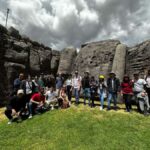
This tour runs with a maximum of 30 travelers. That matters because it usually keeps the group from turning into a herding situation. It also helps in Machu Picchu. The site is busy, but a smaller group often means fewer bottlenecks and more time with the guide while you’re still interested.
Timing-wise, the first day is the busiest: multiple stops at about 45 minutes each, plus lunch, plus trains. The second day is shorter and sharper: bus up, then a guided ~2-hour citadel visit, then train back.
Comfort-wise, you’ll likely spend a lot of time on transport—train rides plus local transfers plus the bus. So think about what makes you comfortable for long days: layers, good shoes, and a way to manage rain or fog.
Who Should Book This Tour?
This is a strong fit if you want:
- A guided Machu Picchu experience without dealing with ticketing and transit juggling
- Sacred Valley stops that focus on how the Incas worked the land (terraces, experimentation, and salt extraction)
- A plan that’s well organized and smooth, so you can enjoy the day instead of chasing schedules
It’s also a good match for first-timers. You’re getting the core sights with guided context, and you’re not left figuring out the order yourself.
If you’re the type who hates early mornings, this might feel like a grind. But if you can handle a big start, you’ll likely appreciate how it protects your time for the main event.
Should You Book This Sacred Valley and Machu Picchu Tour?
I’d book it if your priority is a stress-reduced, guided 2-day plan that covers trains, hotel, and Machu Picchu access in one shot. The value is strongest when you price in the cost and hassle of arranging these pieces on your own.
I would think twice if you need a flexible schedule, since it’s non-refundable and non-changeable. I’d also budget for the Sacred Valley entrance ticket needs (BTG PEN 70) so you don’t feel stuck at the gate.
Overall, this is the kind of trip that turns Machu Picchu into a finished experience rather than a frantic checklist.
FAQ
What time does the tour leave Cusco?
The tour leaves very early, around 3am, from the Plaza Regocijo meeting point in Cusco.
Where is the meeting point?
The start meeting point is Plaza Regocijo (F2M9+5X2), Cusco 08002, Peru.
Is pickup from my hotel included?
Yes. Pickup from your hotel or meeting point in Cusco is included.
Does the price include Machu Picchu access?
Yes. Access to Machu Picchu is included, and it lists admission included.
Will I have a hotel in Aguas Calientes overnight?
Yes. The tour includes 1 night hotel in Aguas Calientes.
Are the train tickets included?
Yes. Round trip tourist train tickets are included.
How long is the Machu Picchu guided visit?
The Machu Picchu tour is about 2 hours.
What sites are included in the Sacred Valley portion?
The Sacred Valley day includes Chinchero, Moray, Salinas de Maras, Urubamba lunch time, and Ollantaytambo.
What entrance fees are not included?
Entrance to some Sacred Valley archaeological sites is not included, with a Sacred Valley general tourist ticket (BTG) listed as PEN 70. Tips and other food are also not included.
What is the group size limit?
The tour has a maximum of 30 travelers.