REVIEW · CUSCO
Alpaca Walk over the Sacred Valley of the Incas from Cusco
Book on Viator →Operated by Sky Dome Peru · Bookable on Viator
Alpacas plus Inca ruins sounds pretty perfect. This is a short 2-hour Sacred Valley experience that mixes an animal-led walk with two very different stops: MachuQolqa’s colcas and the living village of Chinchero. I especially like how it keeps the day calm, small, and story-based instead of rushing from one photo spot to the next.
I also love the quality of the cultural stops. MachuQolqa tends to feel quieter and more reflective than the big-name sites, with panoramic views from an Inca agricultural and storage setting, and then Chinchero adds terraces, a church built on Inca foundations, and a textile tradition tied to Quechua communities.
One consideration: private transportation is not included, so you’ll want to plan how you’ll get to the meeting point at Sky Dome Peru. Also, the activity expects moderate physical fitness, since you’ll be walking at altitude.
In This Review
- Key things to know before you go
- Why this alpaca walk is a better Sacred Valley plan than a rush
- MachuQolqa Viewpoint: colcas, control, and quieter Inca engineering
- Chinchero: terraces, a church on Inca foundations, and Quechua culture you can feel
- Alpacas and llamas as the pacing tool (not just decoration)
- The Sky Dome Peru family touch: Cidelia, Yoel, and Joel’s stories
- Price and timing: what $40 buys you in a short 2-hour slot
- Getting there: the meeting point is Sky Dome Peru, and transport is on you
- Who this alpaca walk suits best (and who should think twice)
- FAQ
- FAQ
- How long is the Alpaca Walk over the Sacred Valley from Cusco?
- What does the tour cost?
- Is there a group limit?
- Is the tour offered in English?
- What’s included and what’s not included?
- Where does the tour start and end?
- What if I need to cancel?
- Should you book this alpaca walk over MachuQolqa and Chinchero?
Key things to know before you go
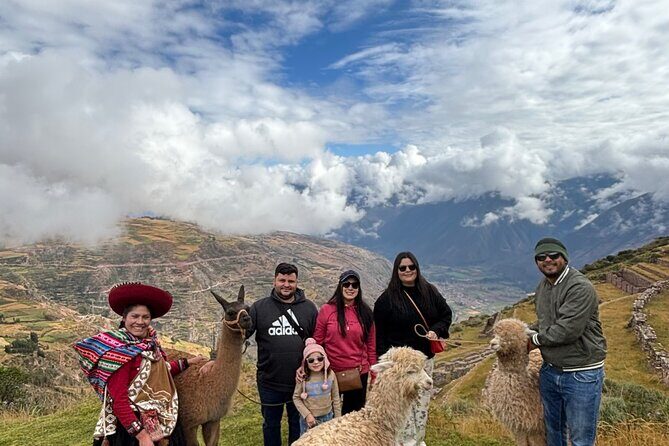
- Small group size (max 10) helps the guide actually slow down and answer questions.
- MachuQolqa colcas + views give you a practical look at how the Inca stored food and managed the valley.
- Chinchero’s terraces and church show layers of Inca and colonial-era building close together.
- English local guide keeps explanations clear and easy to follow.
- Alpacas and llamas as companions turn the walk into a personal, gently paced experience.
- Sky Dome Peru’s farm setting is known for thoughtful touches, like an oxygen tank mentioned in reviews.
Why this alpaca walk is a better Sacred Valley plan than a rush
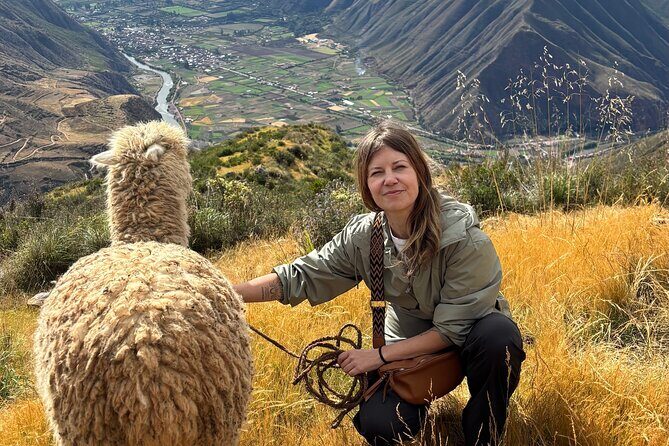
Sacred Valley days can get hectic fast: a bus, a countdown, a stamp-collection vibe. This one works the opposite way. You get a short, focused timeline—about 2 hours—and the walk is built around animal companionship rather than speed-walking between stops.
The big value here is that you’re not only sightseeing. You’re learning how people lived and managed resources in the Andes, then stepping into a village that still keeps cultural practices alive. If you’re in Cusco and want something more human than a checklist, this hits the sweet spot.
The group size matters too. With up to 10 people, the guide can shape the pace, and the experience feels more like a small outing from the Sky Dome Peru farm than a conveyor belt.
You can also read our reviews of more walking tours in Cusco

MachuQolqa Viewpoint: colcas, control, and quieter Inca engineering
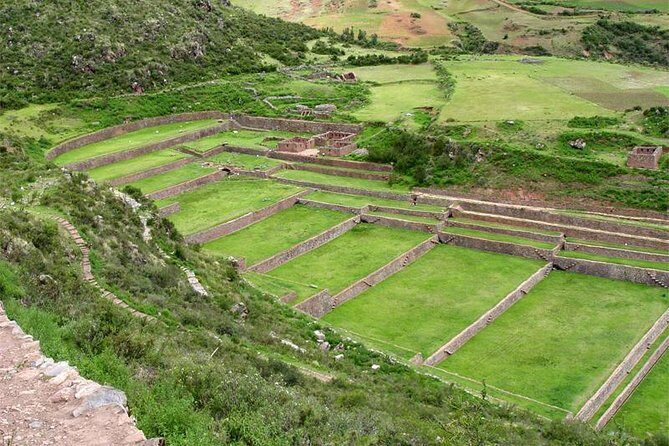
Your first stop is MachuQolqa (often written Machuqolqa), an Inca archaeological site tied to agriculture and storage. What you’re looking at here isn’t just “ruins.” It’s colcas—stone storage structures designed to preserve grains—and that’s a big deal for understanding how the Inca system worked.
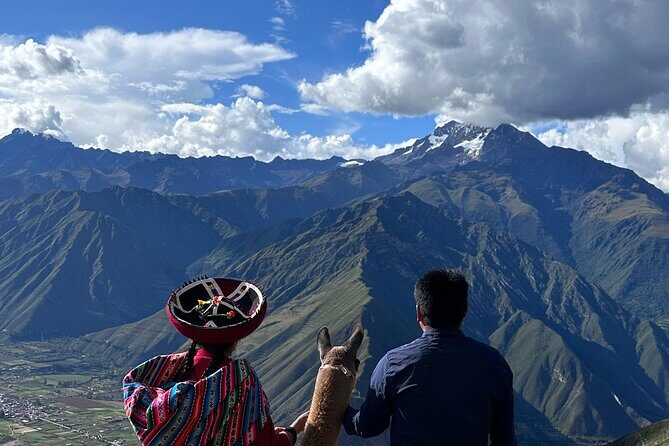
These colcas were part of a wider economic and logistical setup. In practical terms, it means the Inca weren’t only building impressive stone walls—they were managing food supply with serious engineering. MachuQolqa sits in a way that also gives panoramic valley views, so you can see why elevation and placement mattered.
What I’d look for on-site:
- The shape and function of the storage structures (not just the stones).
- The way the site fits into the natural features around it.
- The view angles—because the Inca used geography like a tool.
A real plus is that MachuQolqa is described as less frequented than many other Sacred Valley stops. That matters when you want to think, take your time, and actually absorb what you’re seeing instead of fighting the crowds for five seconds.
Possible drawback: colcas sites can involve uneven footing and some time standing at viewpoint angles. If you have knee issues or prefer fully flat walking, plan carefully and let your guide know what you’re comfortable with.
Chinchero: terraces, a church on Inca foundations, and Quechua culture you can feel
Next up is Chinchero, a village in the Sacred Valley about 30 kilometers from Cusco. It’s known for three things that connect really well to the rest of your day: agricultural terraces, layered architecture, and textile traditions that continue in Quechua communities.
First, the terraces. Even before you get lost in details, you can see how the land was shaped for farming in steep Andean terrain. Terraces are more than “pretty steps”—they’re proof of how seriously communities worked with slopes, water control, and climate.
Second, the church. Chinchero has a 17th-century church built on Inca foundations. That kind of building overlap isn’t just a fun fact. It’s a window into how colonial power arrived on top of existing Inca structures, rather than wiping everything clean.
Third, textiles. The area is strongly associated with a vibrant textile tradition maintained by local Quechua communities. Even if you’re not shopping, you’ll understand why fabric and weaving are central here—because they’re part of daily identity, not just souvenirs.
Chinchero also has a lived-in quality. It’s described as having a Sunday market, with ancestral customs and continued use of Quechua language. That means when you visit at the right time, the village feels more like a place where people work and gather, not a stage set for tourists.
A practical note: Chinchero is listed at over 3,700 meters above sea level. So if you’re altitude-sensitive, move steadily and take slow pauses. The pace on this tour style tends to be manageable, but altitude is still altitude.
Alpacas and llamas as the pacing tool (not just decoration)
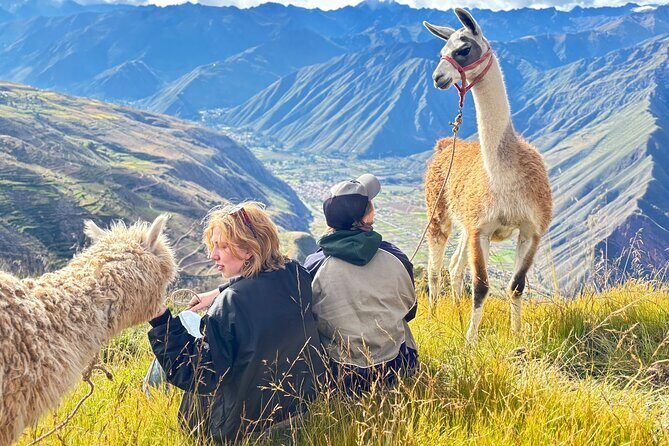
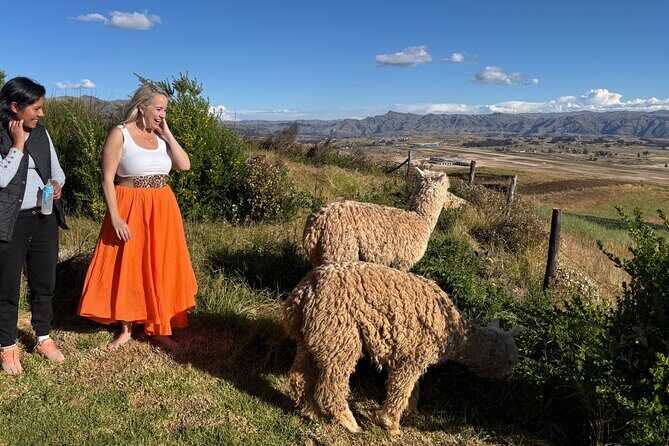
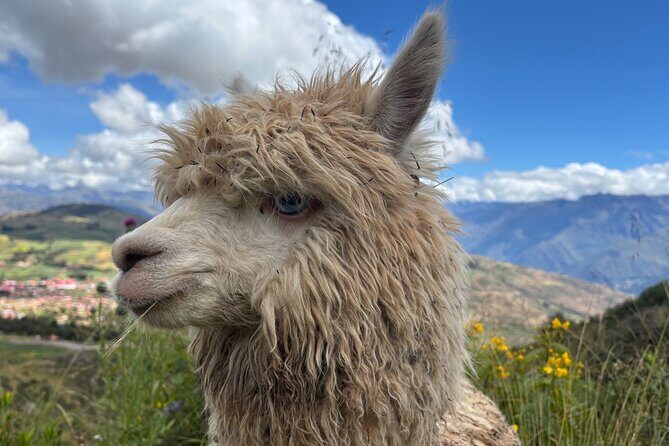
This tour’s heart is the animal walk. You get alpacas included, and the experience is structured so the animals help set the rhythm. Reviews mention alpaca Inti, plus llamas Maro and Wayra, along with farm companions like dogs (like Brownie). That matters because it changes how you walk.
Instead of “follow the guide, keep up,” it becomes “watch your companions, let the handler guide the pace, enjoy the space.” You’re paying attention in a way that feels more relaxed, and it’s easier to take in the views and stories when you’re not rushing.
For animal lovers, this is usually the best part:
- You’re close to the animals in a calm setting.
- The walk doesn’t feel like a gimmick.
- You get natural photo moments without the pressure of a strict schedule.
For people who don’t usually care about animals, the walk still works. It creates a pause in the middle of the day trip, which helps you switch from “tour mode” into “slower observer mode.”
Tip: If you’re uneasy around animals, ask early about how you should behave near them. On a small-group activity, the guide can guide your comfort level quickly.
The Sky Dome Peru family touch: Cidelia, Yoel, and Joel’s stories
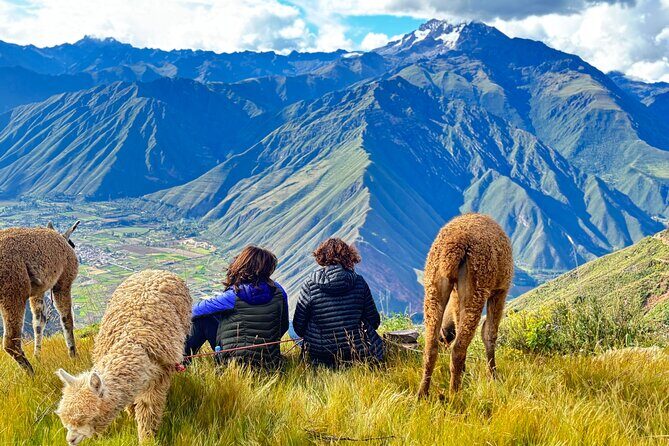
This experience is provided by Sky Dome Peru, and the family-run vibe shows up in the way people describe the day. Names that come up often include Cidelia, Yoel, and Joel.
From what’s shared in reviews, Cidelia is especially active in explaining what you’re seeing and connecting it to Inca and local cultural elements. Some descriptions mention Cidelia sharing an Inca-style ceremony or Qechua ceremony during the outing. Even when it’s not a formal event, the storytelling approach is part of the value: you leave with more meaning than a list of sites.
There’s also a practical comfort element tied to altitude. One review mentions an oxygen tank on site. That doesn’t mean you’ll need it, but it’s a reassuring backup if altitude sickness hits unexpectedly.
If you want to get the most from the day, go with a curious attitude:
- Ask why certain places were chosen (storage, terraces, elevation).
- Ask how weaving or local traditions tie to the landscape and daily life.
- Let the guide know what you want more of: animals, history, or village culture.






Price and timing: what $40 buys you in a short 2-hour slot
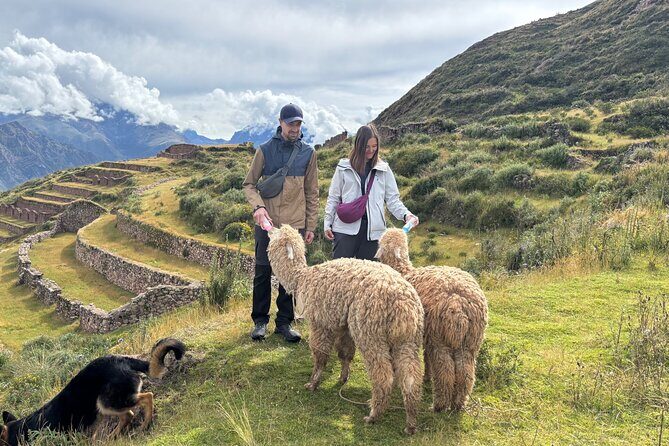
The price is $40.00 per person, and the duration is listed at about 2 hours. For a short outing, that pricing makes sense because you’re not just paying for a drive—you’re paying for access to a structured experience with alpacas and a local guide, plus the ability to visit two key Sacred Valley stops.
You should also know:
- MachuQolqa has admission ticket free listed in the itinerary.
- Your tour uses a mobile ticket.
- It’s offered in English.
- It’s generally booked around 10 days in advance.
Timing-wise, the operating window is listed as 8:00 AM to 3:00 PM, with availability dates running from 05/20/2025 to 12/25/2026. If you’re coordinating with a Cusco itinerary (airport, Sacred Valley day plans, or a train schedule), double-check the exact slot you book.
Group size: maximum of 10 travelers. Smaller groups tend to be easier in places that have limited space or need more listening time.
Getting there: the meeting point is Sky Dome Peru, and transport is on you
The start (and end) is back at the meeting point: sky dome peru15001, 08670, Peru. Private transportation is listed as not included, so plan your own route to Sky Dome Peru.
In a place like Cusco, that often means:
- Arranging taxi or shared transport to the meeting point.
- Confirming whether any add-on pickup is offered for your specific booking.
Reviews mention pickup from Cusco in at least one case, but because private transportation is not listed as included, treat pickup as a question to confirm rather than a guarantee.
What to do before you go:
- Save the meeting point address exactly as provided.
- Build in buffer time for altitude, slower traffic, and finding the right road.
- Bring a light layer. Mornings and evenings in the Andes can shift fast.
Who this alpaca walk suits best (and who should think twice)
This is a great fit if you want:
- A short Sacred Valley outing (about 2 hours).
- Animals as part of the experience, not just a photo stop.
- A quieter feeling at MachuQolqa, plus a village stop in Chinchero.
- An experience led by people like Cidelia and Yoel who focus on explanations and stories.
It’s also a good choice if you dislike crowds and want time to actually stand and look.
Who should think twice:
- If you have mobility limitations, the moderate fitness requirement is a signal to choose carefully.
- If you strongly prefer tours with door-to-door transport, you may find the meeting point and lack of included private transportation annoying.
- If you want a full-day “major highlights” plan, this is shorter by design and won’t replace a longer Sacred Valley itinerary.
FAQ
FAQ
How long is the Alpaca Walk over the Sacred Valley from Cusco?
It’s listed at about 2 hours.
What does the tour cost?
The price is $40.00 per person.
Is there a group limit?
Yes. It has a maximum of 10 travelers.
Is the tour offered in English?
Yes, it’s offered in English.
What’s included and what’s not included?
Included: alpacas and a local guide. Not included: private transportation.
Where does the tour start and end?
It starts at sky dome peru15001, 08670, Peru and ends back at the same meeting point.
What if I need to cancel?
Free cancellation is available up to 24 hours in advance for a full refund. If you cancel less than 24 hours before the start time, the amount paid is not refunded.
Should you book this alpaca walk over MachuQolqa and Chinchero?
If you’re doing Cusco in a tight schedule and want something calmer than a big bus day, this is an easy yes. MachuQolqa’s colcas and viewpoint give you a practical, Inca-centered way to understand how the valley worked, and Chinchero adds living village culture with terraces, a church on Inca foundations, and textiles tied to Quechua communities.
The biggest “make sure it works for you” item is logistics: private transportation isn’t included, and the meeting point is Sky Dome Peru. If you’re comfortable arranging your own way there and back, you’ll likely enjoy the small-group, animal-first pace a lot.
Book it when you want a short, meaningful Sacred Valley day—one where the animals help you slow down and the stories help you see the Andes with less noise.