REVIEW · CUSCO
From Cusco: Sacred Valley & Maras Salt Mines with Lunch
Book on GetYourGuide →Operated by Inka Trekillary E.I.R.L. · Bookable on GetYourGuide
Fast, high-altitude, and packed with stops. This one-day trip is a smart way to hit Sacred Valley highlights plus the Maras Salt Mines without needing to plan buses, tickets, and routes yourself. I like that you get guided time at each key place, not just quick look-and-go photos, and I also like the built-in Urubamba buffet lunch that keeps you fed while the day is still moving. One thing to consider is the altitude swings: Cusco is already high, and Chinchero, Moray, and Maras sit even higher.
You’ll start with hotel pickup in downtown Cusco, then head north to Chinchero, Moray, and Maras. After lunch in Urubamba, the itinerary continues to Ollantaytambo and Pisac, before returning to central Cusco around late afternoon. In other words, it’s a long but well-sequenced day for people who want maximum variety.
Based on what’s consistently praised, the guide quality matters here. Rudy is specifically mentioned as knowledgeable with fun energy, and the transfers are described as comfortable—both of which make the big route easier to handle when you’re spending most of the day in motion.
In This Review
- Key Things To Know Before You Go
- One-Day Sacred Valley Route: What you cover and how it feels
- Pickup in Cusco and the road north: timing, comfort, and altitude reality
- Chinchero Textile Interpretation Center: why this stop matters
- Moray: the Inca agricultural laboratory and its quiet wow factor
- Maras Salt Mines: what you’re really seeing (and what to expect)
- Urubamba buffet lunch: recharging without breaking the day
- Ollantaytambo terraces and the Sun Temple: a power-stop before Pisac
- Pisac mountain ruins and the handicraft market
- Price and what extra tickets can cost (so you budget right)
- Guide and group vibe: why Rudy’s style matters on a long day
- Who should book this Cusco Sacred Valley & Maras day trip?
- Should you book this tour?
- FAQ
- How long is the Sacred Valley and Maras Salt Mines tour?
- What’s included in the price?
- What’s not included?
- What language is the guide available in?
- Where does pickup happen?
- What sites are visited during the day?
- What time does the tour end?
- What’s the lunch like?
- Does altitude vary a lot on this route?
Key Things To Know Before You Go
- A tight northbound route: Chinchero → Moray → Maras → Ollantaytambo → Pisac in one day
- Guided visits at the major ruins: guided time is built in, not just photo stops
- Maras Salt Mines include a short admission hurdle: entry to the salt mines is extra
- Urubamba buffet lunch is part of the value: lunch is included, helping you manage the day
- Bilingual guide service: English and Spanish support during the tour
- Altitude changes are real: several stops sit above 12,000 feet
One-Day Sacred Valley Route: What you cover and how it feels
This tour is basically a best-of compilation of the Sacred Valley arc north of Cusco. You’re not choosing between sites—you’re doing the whole day. The rhythm is simple: a drive, a guided stop, a little walking, then back onto the road again.
The upside is obvious: if you only have one day (or you want a day that complements a separate Machu Picchu plan), you get a broad sense of how Inca life, agriculture, and craft culture all link together across the valley. The description even positions Ollantaytambo as the starting point to reach the Sanctuary of Machu Picchu, which helps you understand why it’s such an important place before you ever see Machu Picchu itself.
The tradeoff is pace. Stop times are relatively short at each site (for example, around 80 minutes at Chinchero and about 1.5 hours at Ollantaytambo), so you’ll want to be the type of person who enjoys seeing a lot rather than lingering for hours at one viewpoint.
You can also read our reviews of more tours and experiences in Cusco

Pickup in Cusco and the road north: timing, comfort, and altitude reality
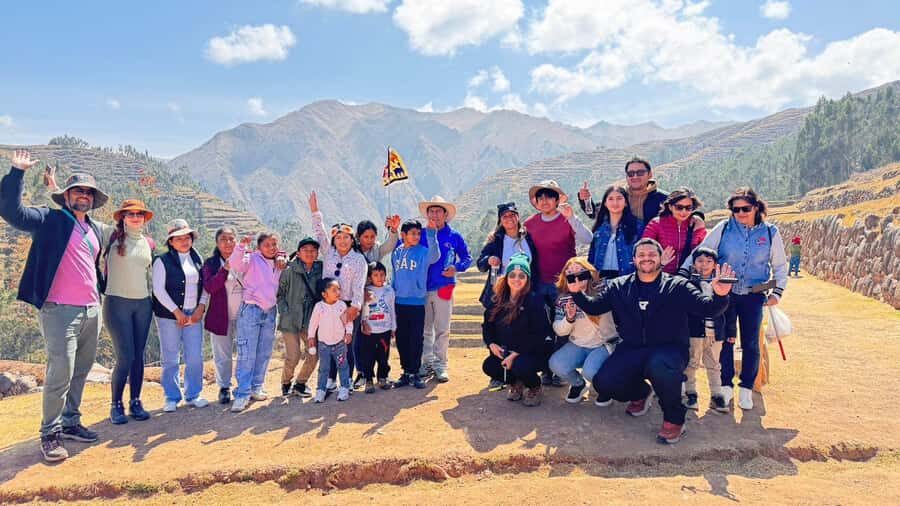
Pickup happens in the morning from hotels in downtown Cusco. From there, you’ll use shared tourist mobility (so think small-to-mid group in shared transport rather than a private car). Expect a meet-up window where your guide/transfer can take about 10–15 minutes to connect with you, depending on where your accommodation is.
The itinerary’s driving blocks are part of the “why” behind this tour: you’re covering a big circle of the valley efficiently. For example, the first transfer is listed at about 70 minutes, then you keep moving between stops with drives ranging roughly 30–80 minutes.
Now, the altitude. Cusco is listed at 3,350 meters (about 10,990 feet). Then the tour climbs further to around 3,762 meters (about 12,342 feet) at Chinchero, Moray, and Maras. Urubamba drops lower (2,780 meters / about 9,120 feet), and Ollantaytambo is similar (2,790 meters / about 9,153 feet). Pisac sits at 3,300 meters (about 10,826 feet).
What that means for you practically:
- Take it easy at the highest stops. Even if you feel okay, don’t “rush-walk” for photos.
- Wear layers. Temperature can swing, especially when you’re higher up.
- If you get lightheaded, slow down and drink water. This is a big day and altitude stacks on top of it.
Chinchero Textile Interpretation Center: why this stop matters
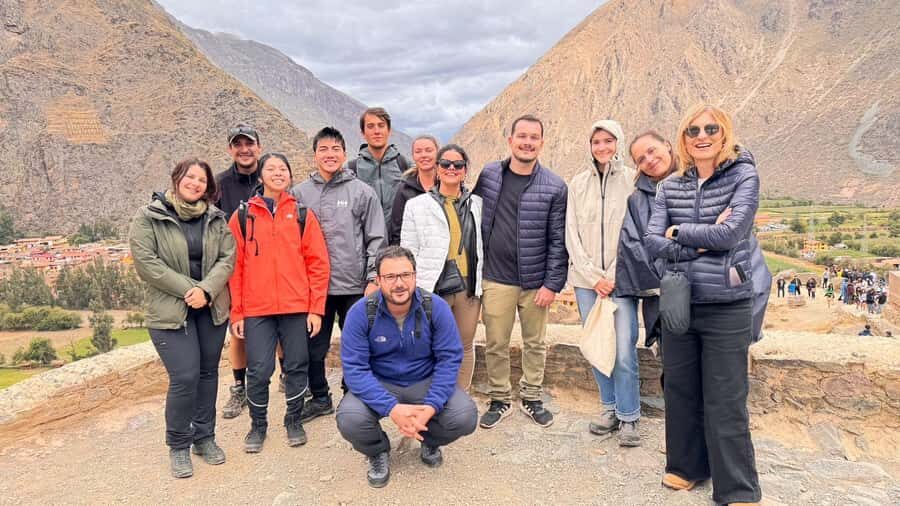
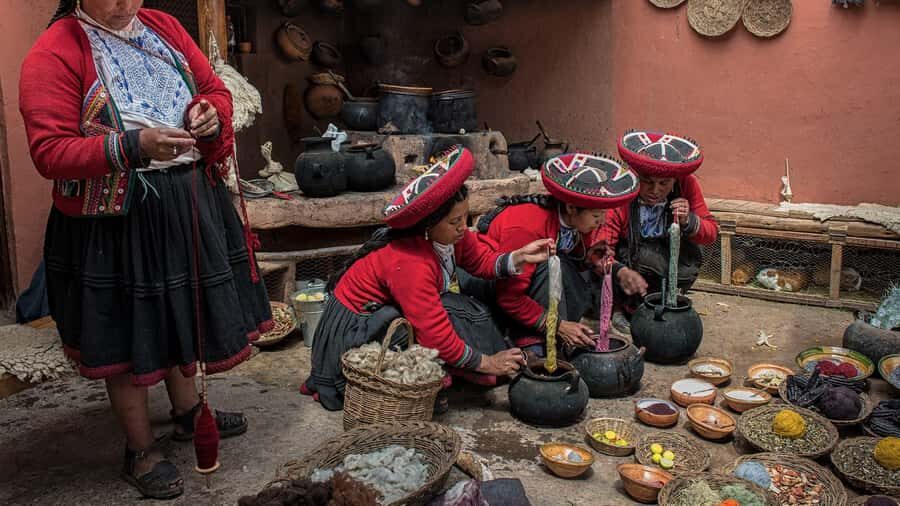
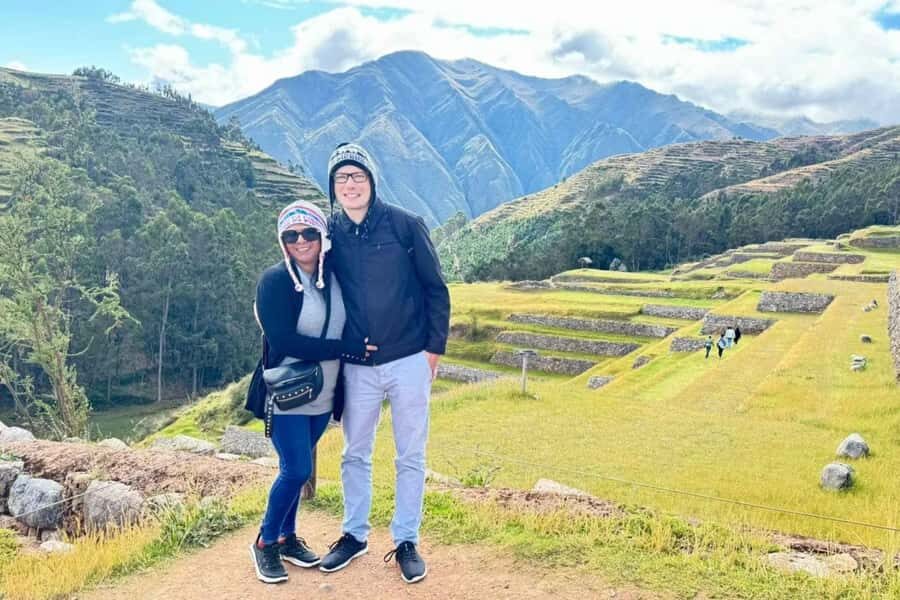
Chinchero is one of the first places you’ll visit (with roughly 80 minutes of guided time and walking). The focus here is craft and community: you go to a local community and visit the Textile Interpretation Center, learning how weaving traditions connect to the region’s culture.
This is the kind of stop that turns Sacred Valley sightseeing from “pretty rocks” into something more human. You’re not just looking at structures; you’re seeing how people create, dye, weave, and carry forward knowledge that still influences what you’ll notice across the valley.
One practical note: because Chinchero is at 3,762 meters, take the walking seriously. It’s not a long hike, but it’s enough that you’ll want comfortable shoes and a steady pace.
Moray: the Inca agricultural laboratory and its quiet wow factor
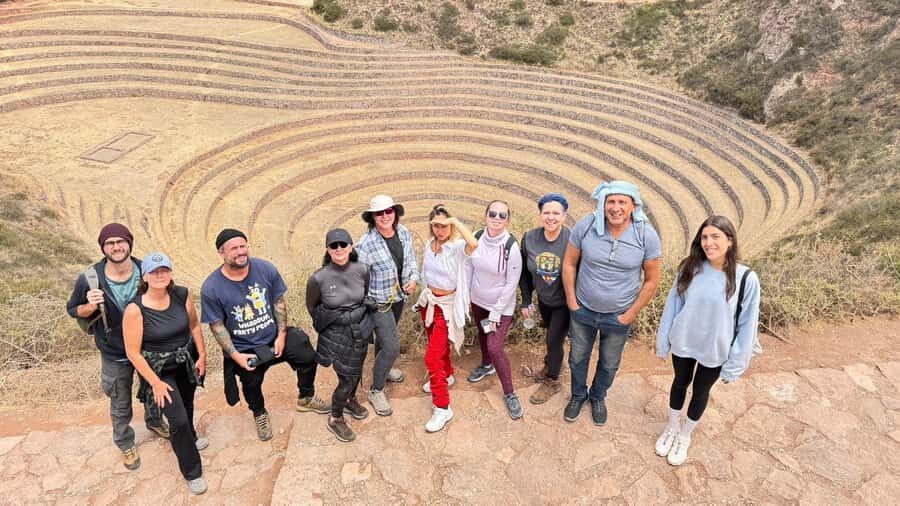
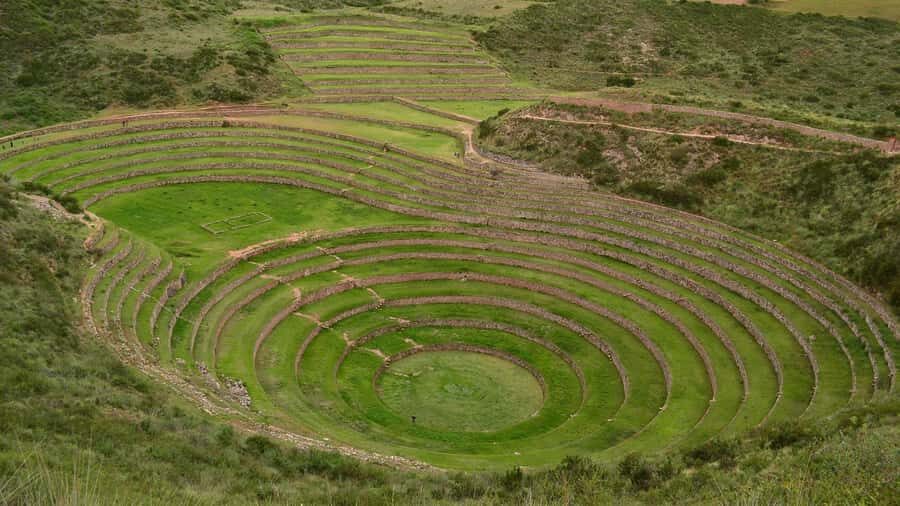
Moray is next, and the description calls it the Inca Agricultural Laboratory. You’ll have about 30 minutes here including a guided visit, photo stop, and sightseeing walk.
Moray stands out because it looks planned like a science experiment, but it’s clearly part of everyday Inca thinking about food and land. The terraces create microclimates, so you can understand it as Inca experimentation with growing conditions—using the natural bowl-like setting of the site.
The tour’s time is short, so your best strategy is simple: listen carefully during the guide’s explanation, then use your free moments to look for patterns—terrace shapes, levels, and how the site is organized. That’s how Moray becomes more than a quick stop.
Altitude again: Moray is listed at the same height as Chinchero and Maras (3,762 meters / about 12,342 feet). Slow down, especially if you’re newer to high elevation.
Maras Salt Mines: what you’re really seeing (and what to expect)
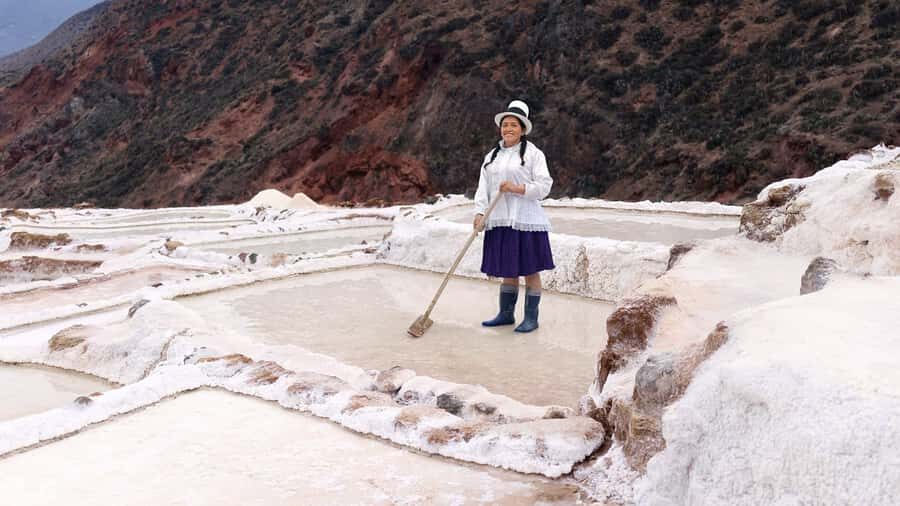
Maras Salt Mines are where many people come for the iconic grid of salt pans. You’ll pass through the town of Maras and then visit the salt mines, with about 40 minutes total listed for photo stop, guided visit, and sightseeing walk.
Two key practical details:
- The salt mines entry ticket is not included, and it’s listed as 20 soles.
- This stop is high altitude, again at 3,762 meters.
What I like about this stop is that it’s visually memorable even in a short visit. But it’s also more interesting when you listen to the guide’s explanation of how the operation works—these pans aren’t just scenery; they represent a long-standing local economy built around salt.
Because the visit includes walking and photo time, dress for uneven ground. And if the wind picks up, it can make the cold feel sharper.






Urubamba buffet lunch: recharging without breaking the day
You’ll continue to Urubamba for lunch, with lunch time listed at about 1 hour. This meal is a buffet in a restaurant in Urubamba, and the description calls it a novoandino buffet featuring Cusquenian cuisine.
Even if you’re picky, buffet lunch works well on a day like this. You’re spending the afternoon at more archaeological sites, and you don’t want to rely on snacks you bought at a random stop. Here, lunch is part of the tour’s pacing, so you eat before the route climbs into Ollantaytambo and Pisac.
If you’re sensitive to altitude or motion, eat something steady and avoid going super heavy on very spicy dishes. You want energy you can still use later, not just a full stomach.
Ollantaytambo terraces and the Sun Temple: a power-stop before Pisac
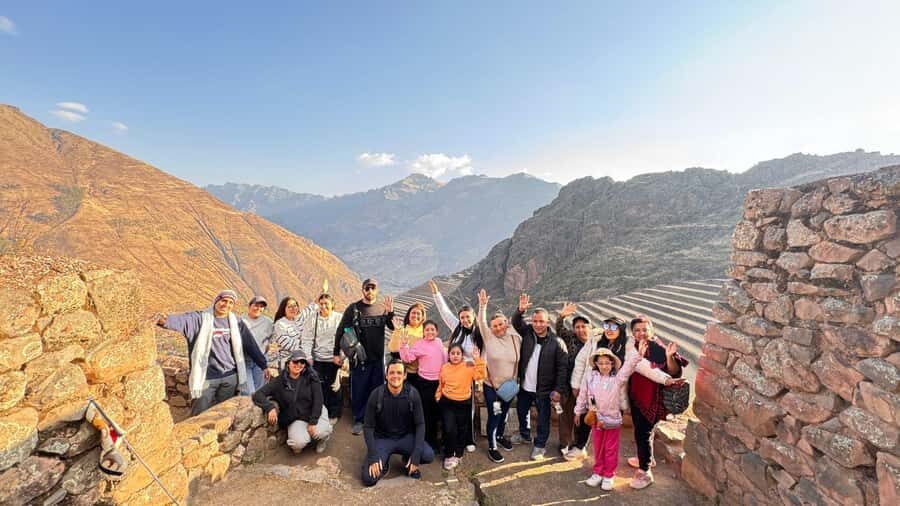
After lunch, you visit Ollantaytambo with about 1.5 hours of guided sightseeing plus a photo stop. Ollantaytambo was a tambo, or resting place, in Inca times. The description also notes it as the starting point to reach Machu Picchu’s sanctuary, which helps you connect the dots on why this valley matters.
What you’ll focus on here includes major stone areas like the Great Stone Terraces, the Temple of the Sun, and the Fountain of the Princess Baths. That mix is useful: terraces give you the scale of the engineering, and temples and fountains give you the human and spiritual side.
A drawback to plan for: because this is still a full archaeology stop in a long day, you may wish you had more time. The upside is that the guide can help you prioritize what you’re looking at, instead of you trying to decode it all on your own.
Ollantaytambo’s altitude is listed at about 2,790 meters (around 9,153 feet), which is lower than the earlier stops. That can feel like a break.
Pisac mountain ruins and the handicraft market
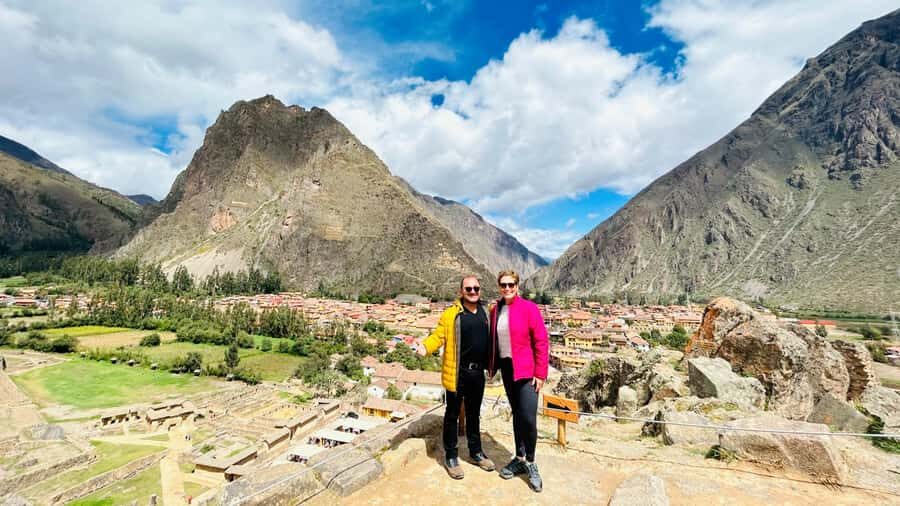
Pisac is the last major site on the route. You’ll arrive and then ascend to the archaeological site of Pisac (about 1 hour of guided sightseeing and walking). Pisac Pueblo is listed at 2,972 meters (about 9,750 feet), while the archaeological area is higher at 3,300 meters (about 10,826 feet).
Pisac is built on top of a mountain, so the views are part of the experience, but the best part is how it fits into the day’s pattern: weaving at Chinchero, agriculture at Moray, salt production at Maras, and then settlement and ceremonial space at Ollantaytambo and Pisac. It’s a full-spectrum valley day.
On the way back to the town of Pisac, you’ll also visit the picturesque handicraft market. The description says local people are experts in working with minerals, and that’s your shopping opportunity. If you want a small souvenir tied to the region’s material culture, this is the moment.
Because the market comes at the end, your energy might be lower. Keep your purchases practical. Bring cash you’re ready to spend, and don’t buy the first thing you see unless it’s exactly what you want.
Price and what extra tickets can cost (so you budget right)
The tour price is listed at $30 per person for a one-day route with hotel pickup, shared mobility, a guided English/Spanish tour, and lunch in Urubamba.
That’s a strong value when you consider what you’re getting:
- Multiple major Sacred Valley stops in one day
- Guided time at ruins and cultural sites
- Lunch included, which saves money and time
But budget honestly for what’s not included. The tour notes a tourist entry ticket of 70 soles and also says there’s an additional entry ticket for the salt mines (20 soles).
So, if you’re comparing costs, make sure you’re comparing apples to apples: the base tour price is only part of the total day spend.
Guide and group vibe: why Rudy’s style matters on a long day
In the feedback, Rudy is singled out by name as a standout guide—knowledgeable with fun energy. People also highlight that the transfers are comfortable and the explanations are entertaining. That combination matters on this kind of itinerary because you’re moving constantly and the day can feel long if the guide turns it into a lecture.
A good guide helps you “read” the sites fast. You don’t just see Temple of the Sun and call it done; you understand why it’s important. You don’t just look at salt pans; you grasp the logic behind them. And you’re more likely to enjoy Moray even if you’re not an archaeology person.
If you prefer a tour that balances explanation with momentum, this seems like a good match.
Who should book this Cusco Sacred Valley & Maras day trip?
This is a great choice if:
- You want a one-day overview of the Sacred Valley north of Cusco
- You like having guided help at ruins and cultural stops
- You want lunch included so you can keep moving
- You’re okay with altitude and a busy schedule
It might not be ideal if:
- You want lots of free time at one site
- You’re struggling with high elevation and need a calmer pace
- You’re on a tight budget and don’t want to add extra entry costs for ruins and salt mines
Should you book this tour?
I’d book it if you’re the type who enjoys structure: pickup, a clear route, bilingual guidance, and a day that uses your time well. The route covers a lot of variety—textiles, agriculture, salt production, and multiple major archaeological stops—while keeping lunch handled for you.
Just make sure you budget for entry tickets (tourist entry plus the salt mines) and plan for altitude at the higher stops. If you do that, you’ll come away with a much more complete picture of how the Sacred Valley worked and why this area is so central to Cusco region travel.
FAQ
How long is the Sacred Valley and Maras Salt Mines tour?
It runs for 1 day.
What’s included in the price?
Pickup from your hotel in Cusco, shared tourist mobility, a buffet lunch in Urubamba, and an English/Spanish professional tour guide.
What’s not included?
Tour entry tickets are not included (listed at 70 soles), and entry to the salt mines is also not included (listed at 20 soles).
What language is the guide available in?
The tour guide is available in English and Spanish.
Where does pickup happen?
Pickup is available from hotels in downtown Cusco. If your accommodation is private, you’re asked to provide the address and phone number so a nearby meeting point can be arranged.
What sites are visited during the day?
Chinchero (including the Textile Interpretation Center), Moray, Maras Salt Mines, Ollantaytambo, and Pisac, plus a lunch stop in Urubamba.
What time does the tour end?
It ends around 18:30 to 19:00 approximately, returning to central Cusco (the description mentions Plaza de San Francisco, while the itinerary notes Plaza Regocijo).
What’s the lunch like?
Lunch is a buffet in Urubamba and is described as novoandino buffet lunch featuring Cusquenian cuisine.
Does altitude vary a lot on this route?
Yes. Cusco starts at 3,350 meters, and Chinchero, Moray, and Maras are listed at 3,762 meters, before dropping lower at Urubamba and Ollantaytambo, then rising again at Pisac’s archaeological area.