REVIEW · CUSCO
4 Days Guided Tour in Choquequirao Peru
Book on Viator →Operated by Trails to Machu Picchu · Bookable on Viator
Few places beat Choquequirao for pure effort.
This 4-day guided trek trades the usual crowds for a slower, deeper feel as you work your way through the Apurimac Canyon and land on Inca stones. I like that the route is paced with real breaks and scheduled meals, and that the day-by-day structure gives you time to actually see what you came for.
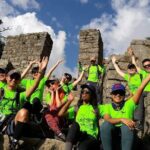
What I like most is the human side: guides such as Humberto and Adrian are called out for being supportive and for explaining what Choquequirao means to the Inca world. I also really appreciate the “you’re outside” part, with nights spent under the Andean sky at the camps you reach by late afternoon.
The main drawback is straightforward: this is a strong physical fitness trek. You’re doing long stretches with a big descent on the first day and the tougher push back up to Choquequirao the next day, plus steep changes in elevation all the way through.
In This Review
- Key things that make this Choquequirao trek special
- First light from Cusco: how the trek’s rhythm sets you up
- Day 1 Capuliyoc to Santa Rosa: canyon descent, river air, and the first camp
- Day 2 Marampata to Choquequirao: the uphill day that defines the trek
- Day 3 Choquequirao mornings and the return to Chiquisca
- Day 4 Capuliyoc viewpoint and the drive back to Cusco
- Value and logistics: what you’re paying for at $672 per person
- How the guided experience changes the way you see Choquequirao
- Camping nights: what “sleeping in the mountains” really means here
- Who this trek is best for (and who should think twice)
- Should you book the 4-day Choquequirao guided trek?
- FAQ
- What time is pickup or the first meeting in Cusco?
- What does the tour include for the trek itself?
- Are admission tickets to stops and the Choquequirao site included?
- How physically demanding is this trek?
- What’s the group size?
- Is the tour refundable if you cancel?
Key things that make this Choquequirao trek special
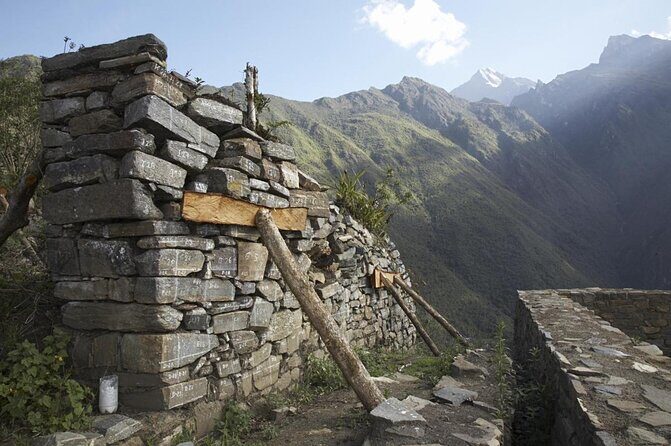
- Small group size (max 9): less waiting, more guide attention, and time to sit and look.
- Early mornings that pay off: you hit viewpoints and ruins before the day gets busy.
- Camping under open sky: nights out in the mountains feel part of the experience, not a side note.
- Porter services + camping gear included: you’re not dragging everything yourself.
- Guided access to the site at the right time: you get a structured walk-through at Choquequirao.
- A real canyon-to-ruins progression: the terrain keeps changing, which makes the hike feel like a story.
First light from Cusco: how the trek’s rhythm sets you up
The trip starts from Cusco with an early departure from the city area (about 5:30 AM on the journey days). You’ll drive through the Anta hills and toward the Apurimac Valley, and that first transfer matters because it saves your legs for the walking that follows.
This is not a “sleep in and stroll” kind of experience. The schedule is built for daylight. You’ll hit major trail milestones by late morning or early afternoon, then settle into camp. That rhythm is one reason people love this route: you’re always working with the light, not against it.
One more practical point: the meeting details say you should wait in your hotel lobby for pickup, with a listed start time of 5:00 pm. Because the hike days begin very early, I’d treat this as a reminder to confirm your exact pickup timing with the operator so you’re not guessing whether it’s a same-day pickup or a pre-tour meeting.
You can also read our reviews of more guided tours in Cusco
Day 1 Capuliyoc to Santa Rosa: canyon descent, river air, and the first camp
Day 1 is the “get your bearings, then earn the views” day. You’ll start around 5:30 AM, and by about 9:30 AM you stop for breakfast. The drive brings you to Capuliyoc around 10:30 AM, then you begin descending toward the Apurimac Canyon at about 11:00 AM.
Capuliyoc is your first payoff: you get scenery and a sense of the canyon scale before your feet start working. From there, the hike changes character. The route shifts from higher, alpine-feeling ground into lower desert-like terrain, with birds and varied flora showing up along the way. If you like watching the small changes in altitude, this is a good day for that.
You’ll reach Chiquisca by about 2:00 PM (at roughly 6,234 feet / 1,900 meters). There’s time for a break and lunch. Then you continue deeper into the canyon.
Around 3:00 PM you’ll find Playa Rosalinas near the roaring river, at about 4,921 feet / 1,500 meters. This stop is short and simple: a pause by the water is a nice way to cool down and reset your body after the morning descent.
The last push of Day 1 is the climb to camp at Santa Rosa. You start around 3:30 PM and reach camp by about 6:00 PM, with dinner at 7:00 PM. The schedule also gives you a rare moment that feels like a reward: time for the night sky before sleep.
What to consider: Day 1 is long and starts early. Even if you’re fit, the mix of descent and changing terrain can feel harder than you expect, especially if you go out too fast at the beginning. Pace yourself from Capuliyoc onward.
Day 2 Marampata to Choquequirao: the uphill day that defines the trek
Day 2 begins at Santa Rosa with dawn around 5:30 AM, breakfast, then departure around 6:00 AM toward Marampata. By about 8:30 AM, you’ll be at Marampata for a short break and snacks before the next leg toward Choquequirao.
This is the day that turns the trek into a real test of legs. After the descent-heavy Day 1, Day 2 brings the uphill work that most hikers remember.
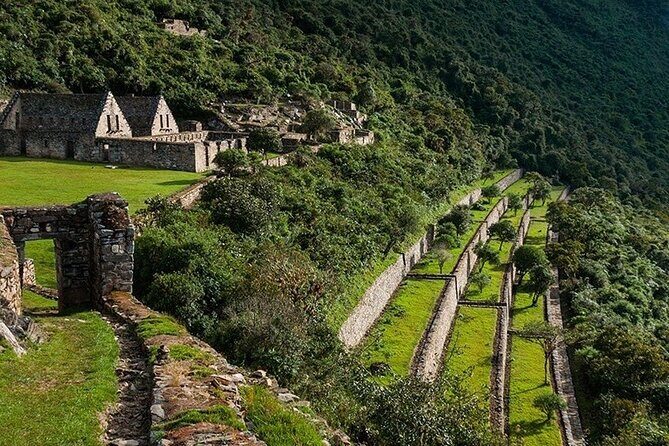
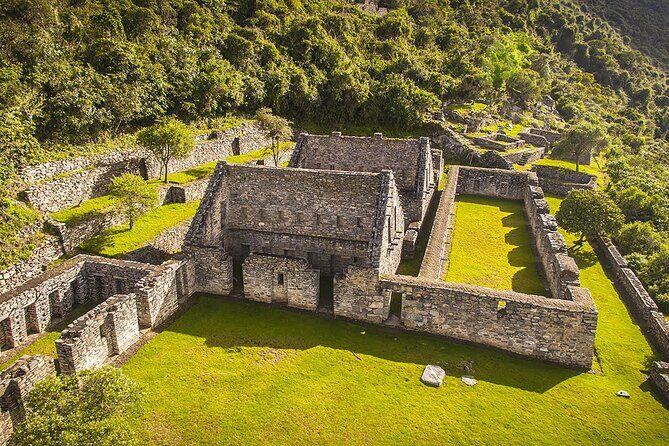
You’ll get your first hints of Choquequirao around 10:00 AM as the trail opens up. Lunch is around 12:00 PM near the ruins. Then the main site time is scheduled at 1:00 PM, when your guided tour focuses on Inca history and culture.
By around 4:00 PM, camp is set near the ruins. Dinner is later, around 8:30 PM, followed by rest with the stones of Choquequirao close by. That timing matters. Even if you only glance at ruins earlier, having evening nearby lets you feel the site as part of your day, not a quick photo stop.
What to consider: Because Choquequirao time is in the afternoon, you’ll likely arrive with real fatigue. That’s normal. The smart move is to keep your expectations flexible and let the guide structure your visit so you don’t have to “figure it all out” alone.
Day 3 Choquequirao mornings and the return to Chiquisca
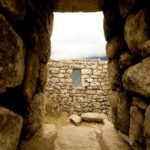
You’re back in the ruins early. Morning arrives in Choquequirao by about 6:00 AM, breakfast at 6:30 AM, and then the walk begins around 7:00 AM. This is the time to appreciate stonework without the pressure of crowds or heat.
From 7:00 AM, the guided exploration moves through the ancient structures. The goal isn’t just standing in the right spots. The tour time is long enough to walk at a human pace and absorb what the guide is pointing out about Inca life and the site’s role.
After that, Day 3 shifts from ruins to getting your body through the return trail. By 10:00 AM, you head back toward Marampata, and you’ll reach it around midday for a break and lunch at about 12:00 PM.
Then you push on toward Chiquisca at around 1:00 PM, arriving about 5:00 PM. Dinner is served at about 7:00 PM, with sleep around 8:00 PM.
A key thing here is that you’re not only hiking. You’re alternating intensity with recovery moments in a way that keeps the trek feeling manageable. That matters more than people think when you’re doing multiple elevation swings.
Day 4 Capuliyoc viewpoint and the drive back to Cusco
Day 4 starts early again, but in a way that feels earned. You’ll begin at Chiquisca around 5:00 AM, with breakfast at 5:30 AM and trekking starting at 6:00 AM toward Capuliyoc.
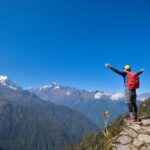
By about 9:00 AM, you reach the viewpoint at Capuliyoc for the day’s big look back over the Apurimac Canyon. This is your last chance to take in the overall scale—how narrow the trail felt from the bottom and how wide the canyon looks from above.
After the viewpoint, there’s a gentler descent that ends the trek around 12:00 PM. You celebrate with a nourishing lunch before the return drive.
Departing Cusco-bound around 1:30 PM, you’ll travel through Andean roads and arrive back in Cusco by about 6:00 PM. That “re-entry” timing is useful: you get back in time to eat well and process the experience, not just collapse and wake up wondering where your legs went.
You can also read our reviews of more tours and experiences in Cusco
Value and logistics: what you’re paying for at $672 per person
At $672 per person, this trek isn’t cheap. But you’re not just buying a route on a map. The included package covers the big cost drivers that usually blow up budgets on multi-day treks.
You get:
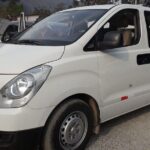
- Round-trip transportation and pickup
- Porter services
- Camping equipment
- Camping site fees
- A guided tour
- Meals: breakfast (3), lunch (4), and dinner (3)
- Admission tickets are marked as included for the main trail stops (with at least one noted as free)
That’s the key value angle: someone handles the logistics and the camp needs, so your money turns into time and effort on the trail rather than last-minute planning headaches.
Also, the group size cap of 9 travelers helps with value. You’re not paying for a private-feeling experience, but you’re also not squeezed into a large crowd. Several guides named in accounts—Humberto and Adrian—are praised for being supportive and for explaining the site in a way that makes the walk-through feel intentional.
What to consider: Tips are not included, and personal items/gear are on you. So budget for your own water strategy, snacks you like, and any personal clothing needs. The tour covers camp setup and meals, not your wardrobe.
How the guided experience changes the way you see Choquequirao
Choquequirao isn’t just scenery and stones. The guided component is what turns it from a destination into understanding.
The site time is scheduled with a clear window (around 1:00 PM on Day 2, then more exploration the next morning starting around 7:00 AM). That two-part structure is a big deal. You get one guided visit when you first arrive and feel the scale, then you return when you’re refreshed enough to notice details and the flow between structures.
The accounts attached to this trek highlight guides who connect the ruins to Inca life and local traditions. Names like Humberto and Adrian come up for being accommodating and professional, and for making sure you don’t miss the meaning behind what you’re walking through.
Even if you’re not a hardcore “ruins reader,” this helps. You spend less time trying to guess why something was built, and more time appreciating the site as a system: pathways, viewpoints, and how the place sits in relation to the canyon.
Camping nights: what “sleeping in the mountains” really means here
Camping is part of the package. You’ll arrive at camp each night after hiking and then have dinner and time to rest. On Day 1, Santa Rosa camp is reached by about 6:00 PM, dinner is around 7:00 PM, and you get a chance to enjoy the night sky before sleep. On Day 2, camp is near Choquequirao by about 4:00 PM, with dinner later around 8:30 PM.
What I like about this setup is that you’re not constantly breaking routine. You’re hiking, eating, sleeping, then starting again before sunrise. It keeps the trek grounded.
What to consider: Because you’re camping, you’ll feel the mountain environment more than you would on a hotel trip. Even if the days feel moderate, nights can feel colder than you expect in the Andes. Bring proper personal layering for sleeping comfort, since the tour includes camping equipment but not your personal clothing.
Who this trek is best for (and who should think twice)
This trek is best for you if:
- You want a guided route to Choquequirao that doesn’t cut corners on site time
- You’re okay with early starts and long walking days
- You like small groups and clear structure
- You want camping as a real part of the adventure, not just a line in the itinerary
You should think twice if:
- You’re not ready for multi-day hiking with a big elevation challenge (Day 2 includes the tougher climb back up)
- You prefer fully cushioned travel and short daily efforts
- You might feel anxious about a trip that is not flexible to change plans
The trek also runs with a max group size of 9, which is great for atmosphere, but it does make timing and meeting points more important. Show up on time so the whole group benefits.
Should you book the 4-day Choquequirao guided trek?
If you’re deciding between a quick hit and a real journey, I’d lean toward booking this 4-day Choquequirao trek. The schedule gives you exactly what most people say they want: canyon walking, meaningful camp nights, and serious time at the ruins with a guide who explains what you’re seeing.
Book it if you:
- Can handle strong fitness demands and steep changes
- Appreciate small-group pacing and porter support
- Want an off-the-mainstream Peru route that still delivers a world-class Inca site experience
Skip it if you:
- Want an easy day hike
- Need lots of flexibility mid-trip
- Are not comfortable with early mornings and camping-based nights in the mountains
FAQ
What time is pickup or the first meeting in Cusco?
The meeting point lists a start time of 5:00 pm. The instructions say to wait in your hotel lobby, and the main square of Cusco is close to many central hotels.
What does the tour include for the trek itself?
It includes round-trip transportation, porter services, camping equipment, camping site fees, a guided tour, and meals: 3 breakfasts, 4 lunches, and 3 dinners.
Are admission tickets to stops and the Choquequirao site included?
Admission tickets are marked as included for the main stops listed on the schedule, including the Choquequirao visit. One stop (Santa Rosa) is noted as free.
How physically demanding is this trek?
The tour notes you should have a strong physical fitness level. The schedule includes significant uphill and descent days across multiple days.
What’s the group size?
This tour/activity has a maximum of 9 travelers.
Is the tour refundable if you cancel?
No. The experience is listed as non-refundable and cannot be changed. If you cancel or request an amendment, the paid amount is not refunded.
If you’d like, tell me your hiking experience level and how many days you have total in Cusco, and I’ll help you judge whether this pacing fits your trip.