REVIEW · CUSCO
5 Days Salkantay Trek
Book on Viator →Operated by Inca Jungle Trek | Sap Adventures · Bookable on Viator
Five days, one long ladder to Machu Picchu. What makes this trek interesting is the way it mixes huge altitude moments with real comfort: early pickup, glacier valleys, and nights in simple-but-cozy cabins. You also get the kind of high-mountain spirituality guides use to honor the Inca worldview, not just more photos.
I especially like the built-in altitude prep on Day 1. You stop in Mollepata for basics like snacks, mosquito repellent, rain ponchos, and coca leaves, and then you roll into the trail with a final gear check at Challacancha.
The main consideration is the fitness and weather combo: the Salkantay Pass climb is tough, and the Llactapata climb isn’t guaranteed in rainy season and can be dangerous. If you know you get discouraged by steep, rocky sections, you’ll want to think hard before committing.
In This Review
- Key things to know before you go
- Salkantay to Machu Picchu: how this trek usually feels
- The 4:10 a.m. start, Mollepata stop, and Challacancha setup
- Soraypampa at 3,900 m and Humantay Lake at 4,200 m
- Day 2 to Huayracmachay: tackling the Salkantay Pass at 4,630 m
- Day 3 through Santa Teresa Valley: easier trekking and tropical swings
- Lucmabamba coffee, avocado and orange farms, and the hot springs option
- Llactapata: first Machu Picchu glimpses, Inca Trail steps, and Hidroelectrica logistics
- Sunrise Machu Picchu on Day 5: getting there and doing it right
- Price and value: what $559 includes, what costs extra
- Should you book this 5-day Salkantay Trek?
- FAQ
- What time is pickup on Day 1?
- How long is the Salkantay Trek?
- Is the tour in English?
- What meals are included?
- Do I get a sleeping bag?
- What entrance tickets are included?
- What about rainy season and the Llactapata climb?
- Can I get a refund if I cancel?
Key things to know before you go
- Mollepata altitude support: snacks and practical items before you start climbing
- Humantay Lake at 4,200 m: a short distance, big elevation payoff
- Salkantay Pass ceremony: Apus and Pachamama ritual at the high point
- Cabin nights in nature: exclusive Andean and jungle cabins across the route
- Strong meal focus: chef-led lunches and dinners that matter after hard hiking
- Llactapata weather caution: rainy season can change the plan for Machu Picchu approach
Salkantay to Machu Picchu: how this trek usually feels
This is a mountain trek that rewards good pacing. Days 1, 2, and 4 each have their own “big moment,” but the trip works because you alternate hard effort with recovery time—cabins, hot drinks, and real meals in between. The altitude is real, too: you go from around 2,000 m in the valley world up to the pass at 4,630 m.
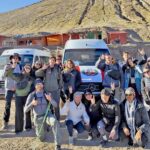
You’ll be in a group that stays small (up to 15), and you hike with a professional mountain guide for the full 5 days. That matters because the route isn’t just about getting from A to B; it’s about doing it safely, at a tempo that keeps people moving.
You should also plan your mindset. This route asks you to enjoy the climb, not just endure it. Some sections are steep and rocky, but the views and sacred stops make the effort feel purposeful.
You can also read our reviews of more hiking tours in Cusco
The 4:10 a.m. start, Mollepata stop, and Challacancha setup
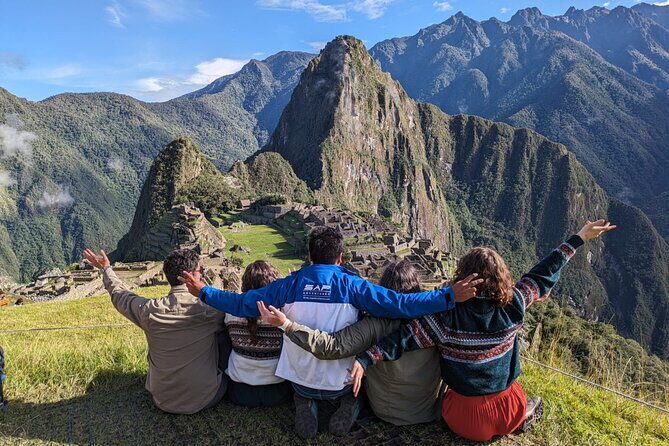
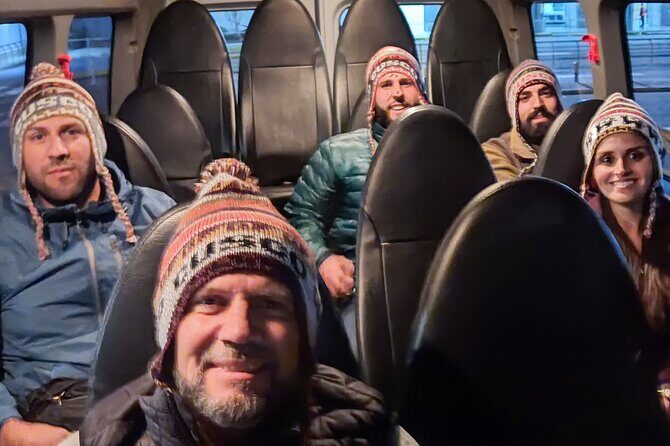
Day 1 begins with hotel pickup at 4:10 a.m., then a comfortable drive toward the trailhead area. The early wake-up sounds intense, but it’s also how this itinerary stacks the hiking so you’re not climbing the hardest terrain under the hottest parts of the day.
In Mollepata, you get a rest plus a chance to buy or top up essentials you’ll use later: snacks, mosquito repellent, rain ponchos, and coca leaves for altitude comfort. You’ll also have a local breakfast included, which is the small detail that makes a huge difference. When you start hiking after real food, you’re less likely to feel weak before the trail even gets going.
Then you reach Challacancha, the launching point. This is where you’ll do a final gear check and meet the people who keep the trek running—cooks and horsemen. Even if you’ve done other hikes, I like seeing this type of logistical team early. It gives you confidence once you’re walking.
Practical note: start hydrating on the drive and keep your clothing ready for fast weather shifts. You’re at elevation soon, and you can get sun, chill, and rain in the same stretch of time.
Soraypampa at 3,900 m and Humantay Lake at 4,200 m
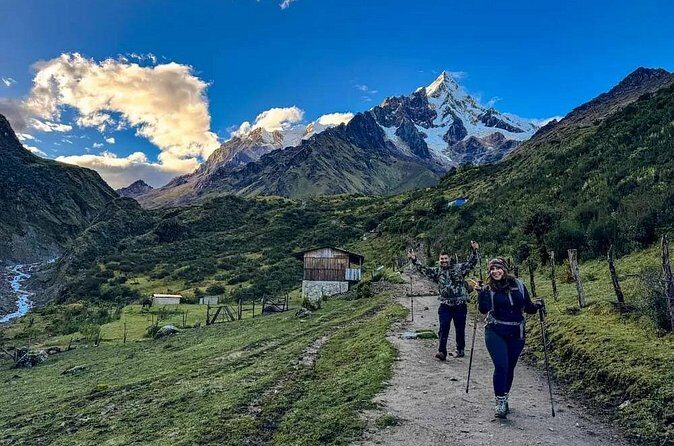
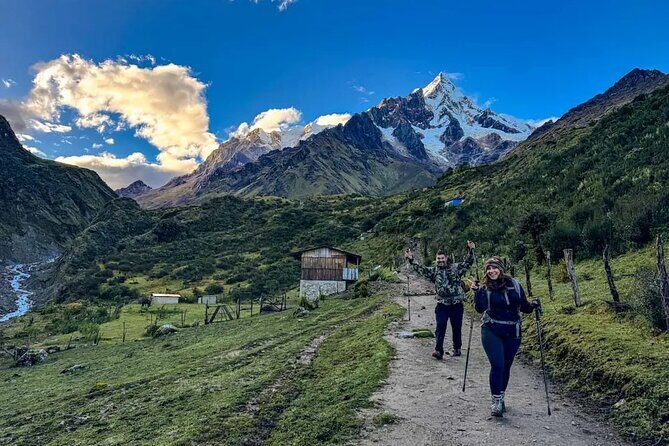
The hike to Soraypampa is your first real workout: about 7 km (4.35 miles) with a mostly level start and a gradual uphill push through a glacier valley. The climb is moderate, and for many people it’s a good “warm-up” day—not easy, but manageable.
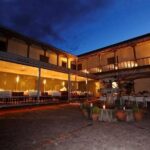
Reaching Soraypampa at 3,900 m is when the trip turns from “commute” to “trek life.” You rest in exclusive Andean cabins, which is one of the best parts of this itinerary. After hours of moving, having a real place to reset—sleeping, eating, and drying gear—helps your whole week hold together.
Lunch is prepared by the chef, then in the afternoon you head toward Humantay Lake. It’s only 3 km round-trip, but the elevation is why you go slower. Plan on about 3 hours total, and take it easy even if you feel tempted to rush.
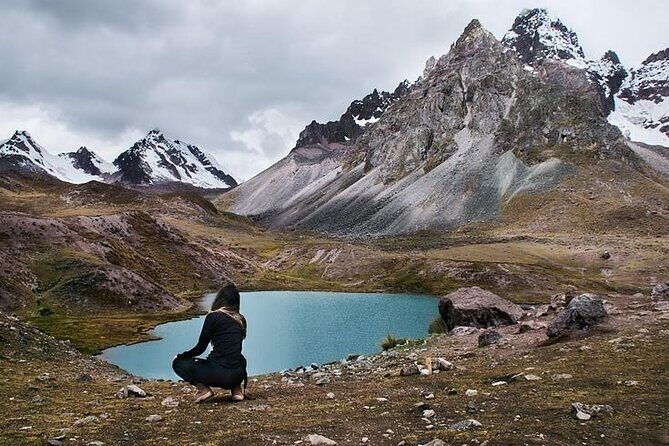
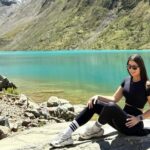
At the top, the lake’s turquoise water with the jagged glacier backdrop can feel unreal. This is a “short distance, big payoff” hike: your legs get a climb, but your reward is dramatic and immediate. After you come back, tea time and snacks happen at camp, including that fun tradition of popcorn for the crew. Then you get an Andean buffet dinner and watch the sunset over the mountains.
Drawback to be aware of: Humantay is emotionally and visually rewarding, but you’re still at high altitude. If you have any history of altitude sickness, keep your effort controlled and don’t treat this as a race.
Day 2 to Huayracmachay: tackling the Salkantay Pass at 4,630 m
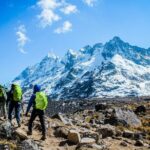
Day 2 is the big one. You hike about 7 km to the Salkantay Pass (4,630 m) in roughly 3 hours. Expect a strenuous climb, including a section known as the Pathway of Seven Snakes. It’s curve-like terrain that can be taxing on your breathing and legs, especially if you went out too fast on Day 1.
When you reach the pass, you’re rewarded with wide valleys and the sight of Salkantay Mountain (6,271 m). The tour also builds in something deeper than sightseeing: the guide honors the Apus (Inca protective mountain spirits) and Pachamama with a sacred ceremony—gratitude, ritual moments, and a request for blessings. If you care about why places matter, this part is worth paying attention to. It turns the pass from a checkpoint into a spiritual moment.
After the summit, you descend 7 km down to Huayracmachay (3,850 m). This descent is steep and rocky, which means your thighs and knees do the real work now. Lunch is waiting there, so you can recover before your next segment.
Then you continue to Collpapampa and settle into cozy Andean cabins for the night. Dinner comes with the day, and the description of jungle sounds in the evening is a useful hint: you’re going to hear nature, not city noise. That’s great for sleep, and it’s also your body getting that “we made it” reset.
Day 3 through Santa Teresa Valley: easier trekking and tropical swings
Day 3 starts early at around 6:00 a.m., with warm tea and breakfast to ease you into the morning. The hiking is described as more easygoing, with more descents than ascents, and that feels right for a third day after the pass.
You move through the Santa Teresa Valley with rivers and waterfalls around you. There are orchids and agricultural patches—bananas, coffee, and avocados—so the environment shifts toward warmer, greener terrain as you descend. This is one of the best “mental breaks” in the itinerary because it changes the scenery from “high altitude drama” to “valley life.”
You pass through Collpapampa, then turn toward another picturesque valley. The route is steady walking, and it’s the kind of day where you can focus on rhythm and scenery instead of constant altitude fear.
For food, you reach Lucmabamba at around 2,000 m. Lunch is included at lunchtime, and then you get free time to explore the tropical surroundings. This is where the trek becomes more than mountains: you can smell roasting coffee and see how it grows.
You can also read our reviews of more tours and experiences in Cusco
Lucmabamba coffee, avocado and orange farms, and the hot springs option
Lucmabamba is a hands-on stop for anyone who likes learning how everyday life is grown and made. You visit an organic coffee farm, where coffee is one of the area’s main agricultural activities. Even if coffee isn’t your favorite drink, the roasting aroma alone can be worth the visit.
You also visit avocado and orange plantations, which gives you a fuller picture of what people in the valley actually depend on. This is the kind of stop that makes the trek feel local, not just scenic.
If you want extra muscle relief, your guide can arrange an optional trip to Cocalmayo Hot Springs. It costs extra because transport and entrance fees aren’t included. Still, for sore calves after Day 2 and Day 4 walking, it’s a sensible option to consider.
That night you stay in private Jungle Cabins, with rainforest sounds helping you sleep. This matters because cabin comfort isn’t a luxury here—it’s part of your recovery cycle.
Llactapata: first Machu Picchu glimpses, Inca Trail steps, and Hidroelectrica logistics
Day 4 is your last trekking day, and it’s designed to set up the Machu Picchu reveal without doing it all at once. After breakfast, you start uphill for about 2 hours to Llactapata (2,700 m), an Inca archaeological site that faces Machu Picchu.
The route follows part of the original Inca Trail, which gives a real sense of walking in history. It also gives you something practical: views over the Santa Teresa Valley that let you understand where you’ve been.
From Llactapata, you descend for about 1.5 hours, and Machu Picchu appears in glimpses between trees. Each sighting builds anticipation for sunrise day. Then you have lunch at Aobamba before continuing to Hidroelectrica (1,800 m).
At the Hydropower area, there’s an impressive 250-metre artificial waterfall called Dawi Urqu, and it’s described as the power supply for Cusco. Even if you don’t love engineering, this is a good moment to appreciate how modern infrastructure and Inca-era terrain intersect here.
Then you have two ways forward:
- You can take a train to Aguas Calientes on your own (not included).
- Or you can walk a flatter path near the tracks for around 3 hours to reach town (described as continuing with warm jungle surroundings).
Either way, you end with dinner in Aguas Calientes and sleep in a comfortable hotel.
Important reality check: in rainy season, the Llactapata trail climb is not 100% guaranteed due to frequent heavy rains. It can be dangerous. If you travel during the wet months, you should be mentally ready for route adjustments.
Sunrise Machu Picchu on Day 5: getting there and doing it right
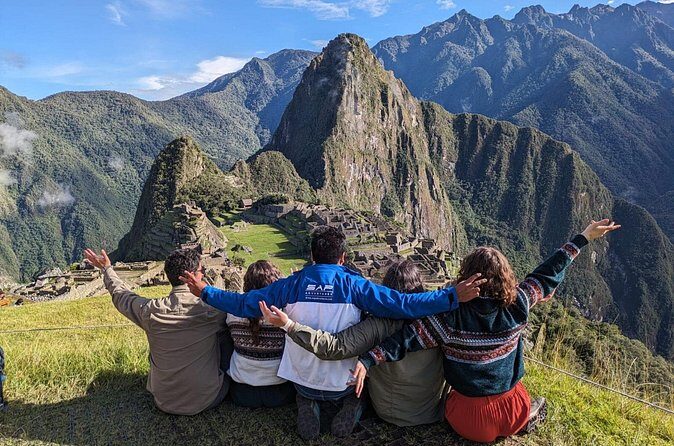
Day 5 is pure payoff. You enter Machu Picchu—the Inca citadel on a high mountain peak that was abandoned in the 16th century and later rediscovered. You wake up before dawn, eat breakfast at your hotel, then take the earliest bus to catch the sunrise over Machu Picchu.
That timing matters more than most people realize. Sunrise light changes how you see stone textures, and early buses help you beat the busiest crowds. The tour includes entry, and the schedule is built so you don’t waste the morning thinking about logistics.
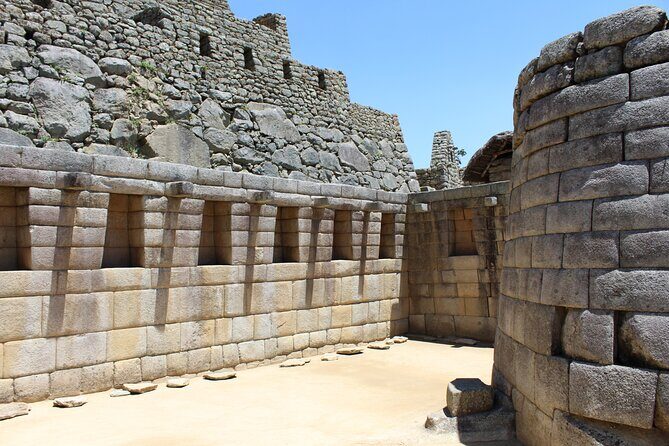
You’ll have about 4 hours on site. My advice: plan to look slowly at details—terraces, water channels, and how buildings are arranged to follow the mountain’s contours. The sight is dramatic, but the best part is how carefully it’s built.
Price and value: what $559 includes, what costs extra
At $559 per person for about 5 days, you’re paying for more than a route. You’re buying a full support system: pickup and drop-off, transportation during the trek, a professional mountain guide for 5 days, and key admissions and meal coverage.
Here’s what’s included that usually makes this kind of trek worth it:
- Hotel pickup and drop-off, plus transportation during the tour
- Sleeping bag
- Entrance tickets: Salkantay trail and Humantay Lake (and Machu Picchu on Day 5)
- Meals: breakfast (5), lunch (4), dinner (4)
- Andean cabins / jungle cabins included along the way
- Return train included via Vistadome or 360° panoramic train
- Day 5 bus from Aguas Calientes to Machu Picchu
What’s not included:
- Last day lunch (Day 5)
- Cocalmayo Hot Springs transport and entrance (optional) carries an extra charge
- If you choose the self-arranged options around Hidroelectrica, those can also affect costs since the tour spells out that a train to Aguas Calientes is not included for that specific choice
You’re also getting a meaningful “comfort multiplier” here. Cabins reduce the stress of sleeping arrangements, and meals help you keep energy for altitude days. In hard treks, that’s often the difference between a good trip and a brutal one.
Should you book this 5-day Salkantay Trek?
I’d book this tour if you want the classic Salkantay route with a smart mix of mountain thrills and real comfort. The early structure (pickup, Mollepata prep, gear checks), the cabin nights, and the way Day 3 drops toward warmer valley walking make the whole week feel like it has breathing room. If you care about meals, this itinerary is a standout because the chef service is taken seriously, including stories of memorable touches like a cake on the final day.
I’d think twice if you’re struggling with steep climbs or you’re traveling in rainy season and can’t handle possible changes around Llactapata. You also need a strong physical fitness level, because the pass day is strenuous and the downhill is rocky.
If you want a trek that’s demanding but well-managed, with the Machu Picchu sunrise reveal built into the plan, this is a solid pick.
FAQ
What time is pickup on Day 1?
Pickup from your hotel is scheduled at 4:10 a.m. to start the journey.
How long is the Salkantay Trek?
The trek is 5 days (approx.).
Is the tour in English?
Yes. English is offered.
What meals are included?
You get 5 breakfasts, 4 lunches, and 4 dinners. Last day lunch is not included.
Do I get a sleeping bag?
Yes. A sleeping bag is included.
What entrance tickets are included?
Entrance tickets are included for the Salkantay trail and Humantay Lake, and you also get Machu Picchu entry on Day 5.
What about rainy season and the Llactapata climb?
In rainy season, the Llactapata trail climb isn’t 100% guaranteed due to frequent heavy rains. It can be dangerous.
Can I get a refund if I cancel?
No. This experience is non-refundable and cannot be changed for any reason.