REVIEW · CUSCO
5-day adventure Trek Salkantay to Machu Picchu
Book on Viator →Operated by Dreamy Tours · Bookable on Viator
Hiking above 6,000 meters tests you for real. This Salkantay route is built around big mountain views, early starts, and the payoff of reaching Machu Picchu the guided way, not as a chaotic DIY scramble. I also like that you get real human support in the background, including friendly agency contacts such as Juliana and Zaida, plus a solid pre-trip briefing before you leave Cusco.
You’ll also like the way the itinerary breaks the trek into clear altitude targets, including the option to climb to Humantay Lake (4,220m). The possible drawback is planning: the first two days are tough, the weather can turn cold at height, and a few add-ons aren’t included (like a sleeping bag and the bus between Machu Picchu and Aguas Calientes).
In This Review
- Key Highlights You Should Care About
- Salkantay Feels Like Real Trekking, Not Just Getting to Machu Picchu
- Cusco to Challacancha: Day 1 Starts at 5:00 am and Repeats a Simple Pattern
- The Humantay Lake Side Mission (Optional, But Hard to Skip)
- Salkantay Pass Day: 10–11 Hours of High Views and Long Descent Discipline
- What to Expect at Camp
- Day 3: Lucmabamba and the Jungle-Coffee Reset
- Optional Santa Teresa Hot Springs: Recovery Without Extra Stress
- Day 4: Llactapata Views, Hidroeléctrica, and the Big Descent to Town
- Where the “Bag Help” Comes In
- Weather Reality Check: Warm With Insects
- Day 5: A 5:30 am Bus to Machu Picchu and a Guided Citadel Tour
- How This Tour Balances Structure and Freedom
- Price and Value: What $635 Actually Covers (and What You Might Add)
- What to Pack: Cold Pass Air and Warm Insect Evenings
- Who This Trek Fits Best (and Who Should Pause)
- Should You Book This 5-Day Salkantay to Machu Picchu Trek?
- FAQ
- What time does the trek start in Cusco?
- Is hotel pickup included?
- Do I need to bring a sleeping bag?
- Is Wayna Picchu included on Day 5?
- How big is the group?
- Is the Santa Teresa hot springs included?
Key Highlights You Should Care About
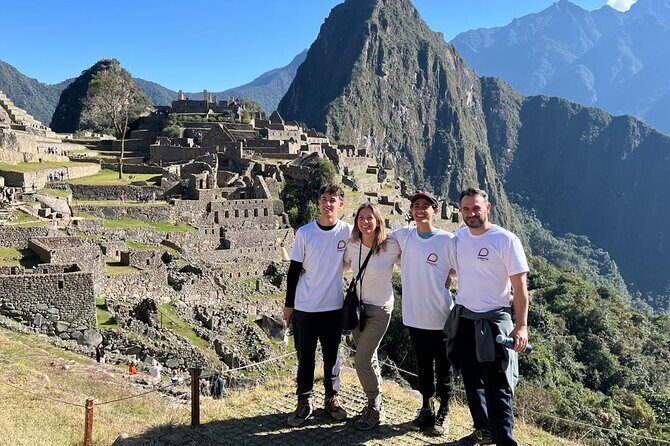
- Meeting the trekking team in Challacancha before you hike so the day starts organized, not improvised
- Humantay Lake option on Day 1 with a 2-hour climb (up to ~4 hours if you also do the lagoon)
- Salkantay Pass viewpoint at 4,600m followed by a long, changing descent into new ecosystems
- Camp life plus meals and snacks every day, including tea time (tea/coffee) and snacks like wonton, popcorn, and crackers
- Day 4 includes Llactapata views before you drop down toward Hidroeléctrica and continue on foot to Aguas Calientes
- Machu Picchu is guided first, then flexible with time to choose Machu Picchu Mountain or Wayna Picchu on your own (Wayna Picchu ticket not included)
Salkantay Feels Like Real Trekking, Not Just Getting to Machu Picchu
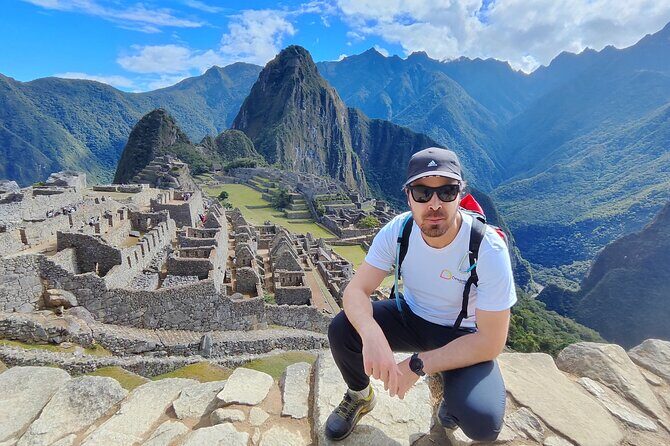
If you’re choosing between routes, Salkantay is the one that tends to feel more like an actual expedition: higher, longer hiking blocks, and more time spent watching the Andes change around you. You’re not just walking toward a single sight. You’re climbing into cold air at elevation, then stepping down through ecosystems that feel different at every stage.
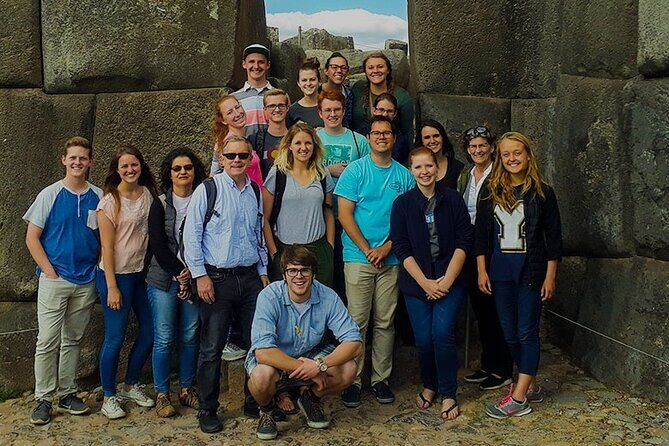
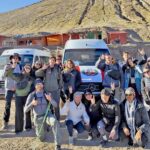
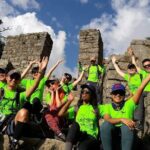
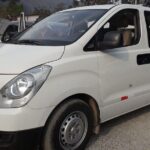
This tour also keeps logistics fairly controlled. You’re picked up in Cusco (hotel pickup is offered), you travel privately from Cusco to the trailhead area, and your guide is bilingual (English and Spanish). The group size is capped at 13, which matters. Big groups can turn hiking into crowd management. Smaller groups usually mean fewer slowdowns and more time for your guide to explain what you’re actually looking at.
And yes, you’ll hike a lot. But that’s the point. The itinerary is built around altitude beats you can feel: Challacancha at 3,400m, the long push toward the Salkantay Pass area, then the drop toward the lower valleys before you hit the Machu Picchu region.
You can also read our reviews of more hiking tours in Cusco
Cusco to Challacancha: Day 1 Starts at 5:00 am and Repeats a Simple Pattern
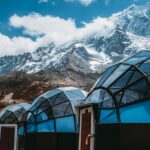
Day 1 begins with an early departure from Cusco at 5:00 am, with a stop in Mollepata (3,000m) before you continue to Challacancha (3,400m). At Challacancha, you meet your trekking team and start hiking. Even if you’re physically fit, this kind of start changes the feel of the whole trek. You’re moving while the light is still crisp, and the mountains show up fast.
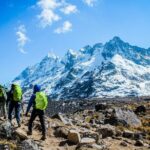
From there, you’ll hike for about 3 hours before reaching Soraypampa (3,700m) for lunch and camp. This section matters because it’s where you get your first big “this is real” mountain moments. The trek route passes in view of major peaks like Humantay (5,217m) and Salkantay (6,264m), which sets the tone: you’re walking in a dramatic alpine corridor.
The Humantay Lake Side Mission (Optional, But Hard to Skip)
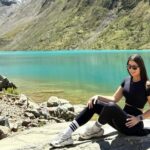
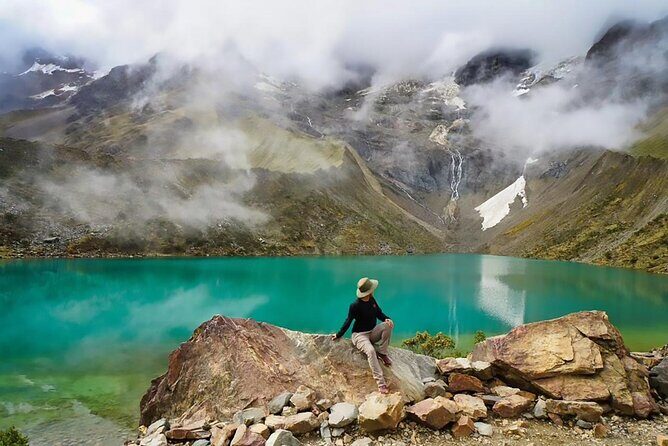
In the afternoon, you can add a hike to Humantay Lake (4,220m). It’s listed as about a 2-hour climb, and if you also visit the Humantay Lagoon, plan for additional time (up to around 2 more hours). This is not a casual stroll. At 4,200m+, you’ll likely feel the altitude more than you did at 3,700m.
What I like about offering this as an option is control. You can go all-in if you’re feeling good, or you can conserve energy for the harder next day. If you do go, dress for cold. The itinerary notes the weather is cold at this elevation, and cold at altitude can sneak up fast once you stop moving.
Salkantay Pass Day: 10–11 Hours of High Views and Long Descent Discipline
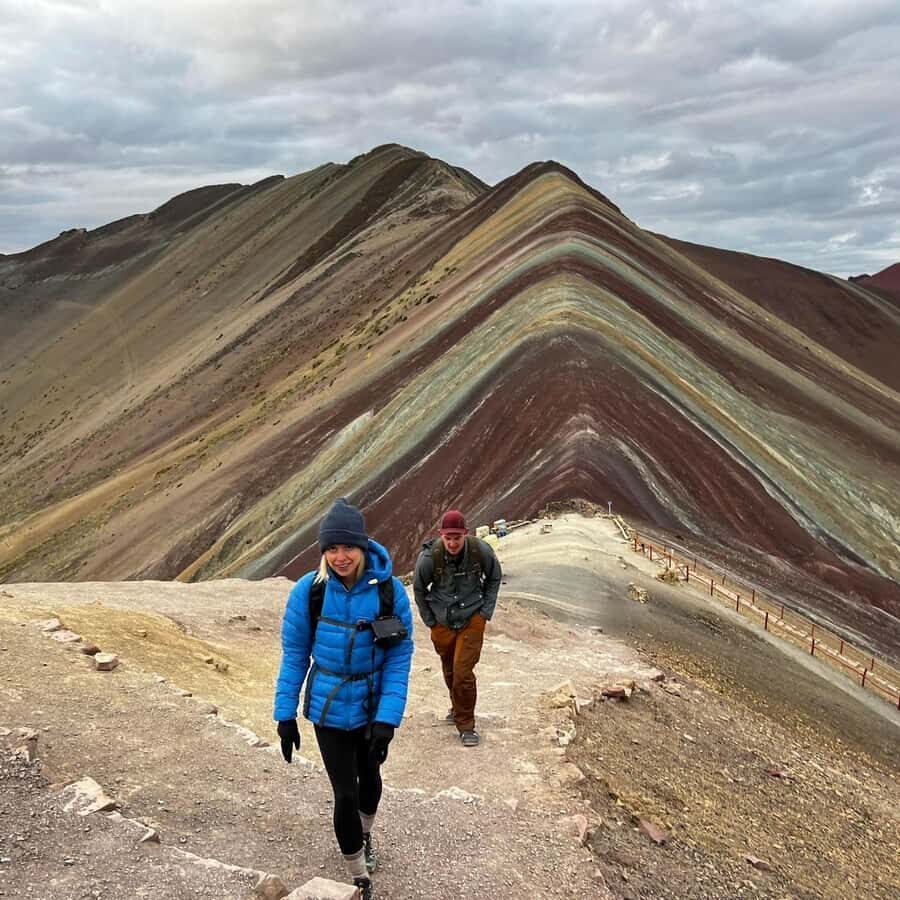
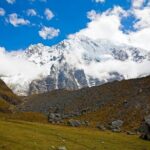
Day 2 is where the trek earns its reputation. After breakfast at Soraypampa, you hike toward the Salkantay Pass viewpoint area at 4,600m. From that high point, you get wide views of the snow-capped Salkantay (6,264m). This is one of those “stop walking, look around” moments. Even if you’ve seen mountains in photos, the scale lands differently when you’re breathing thinner air and standing close to the lines of glaciers.
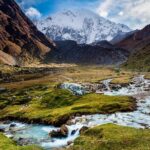
Then comes the long work: the descent into lush vegetation, where the environment shifts as you drop in altitude. You’ll be moving through a landscape of change—temperature, wind, and plant life can all feel like they flip switches.
Your day ends at Collpapampa (3,350m), where you camp in a warmer forested area. The trek is described as 10–11 hours of walking, so pacing matters. Bring your patience, not just your energy.
What to Expect at Camp
The camp setup is included, including camping equipment like a dining tent with table and chairs. That might sound minor, but after long hiking days, having a real place for meals helps you recover more than you’d think. Also, Collpapampa is described as being surrounded by warm tropical forest, with mosquitoes mentioned. That means bug protection should be part of your normal routine, not an afterthought.
You can also read our reviews of more tours and experiences in Cusco
Day 3: Lucmabamba and the Jungle-Coffee Reset
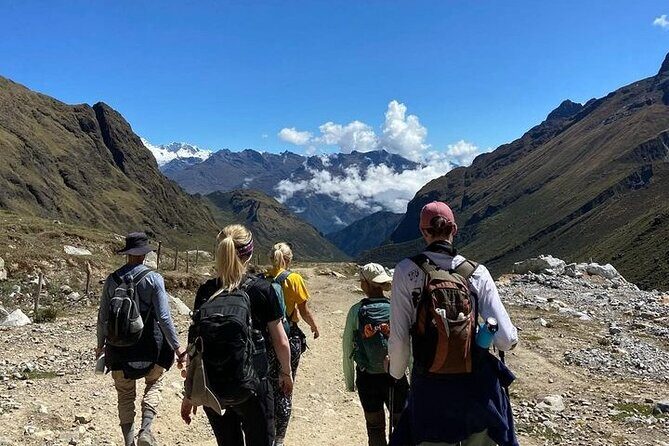
Day 3 shifts your effort to something more “moderate to easy,” based on a 7-hour hike. That’s a welcome change after Day 2’s long high-altitude day. You’ll spend time moving under a jungle canopy in warmer conditions, and you’ll have a chance to appreciate flora and fauna rather than just watching your feet.
This day also includes a notable destination change: you sleep in Lucmabamba, surrounded by coffee plantations. It’s a different kind of Andean atmosphere—less alpine drama, more warm valley life. Meals are included, and you’ll still have the structured rhythm: hike, eat, recover, sleep.
Optional Santa Teresa Hot Springs: Recovery Without Extra Stress
There’s an optional recovery stop after Day 3: the Santa Teresa mineral hot springs. The itinerary describes it as a natural set of pools with therapeutic properties, geared toward loosening up tired muscles mid-trek.
Important practical detail: the guide can coordinate transportation from Lucmabamba, so you’re not trying to figure out buses and schedules at the end of a hiking day. It’s optional and not included in the package price, but it’s one of the most sensible add-ons you could choose.
Day 4: Llactapata Views, Hidroeléctrica, and the Big Descent to Town
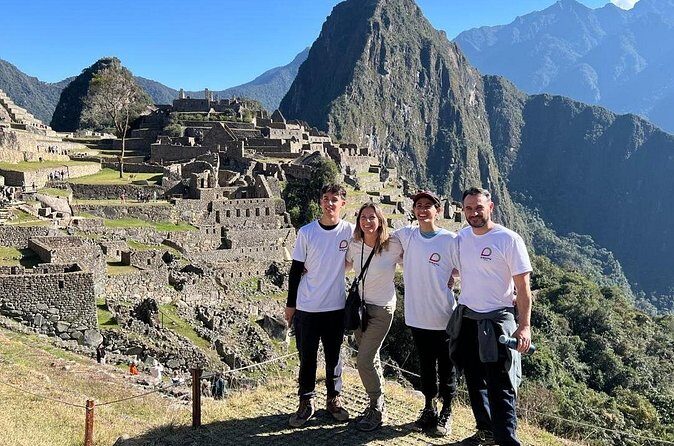
Day 4 is the long “from the clouds to the valley” day. After breakfast, you start the ascent along the Inca Trail to Llactapata (2,650m). This section is designed to set you up for one of the best viewing moments of the day: from Llactapata, you’ll get a spectacular view of the Machu Picchu mountain and the Vilcanota Canyon.
Then you descend to Hidroeléctrica train station (1,950m). You’ll pause to rest there. After that, you continue hiking to Machu Picchu town / Aguas Calientes (2,050m), and you sleep in a hotel with breakfast included.
The hike duration is listed as 8–9 hours, so Day 4 is not a “short day” even though you’re going down in altitude. Going downhill can be rough on knees and calves, and the itinerary doesn’t sugarcoat the length.
Where the “Bag Help” Comes In
One detail that can make a big difference: transportation from Lucmabamba to the Hydroelectric Power Plant is included, but only for equipment and each person’s bag. In other words, you’re not dragging everything with you through every step of the descent. This helps you hike lighter when your legs already feel it.
Weather Reality Check: Warm With Insects
Day 4 is described as warm, with insects. That’s common for lower elevations. Plan to use bug protection you’ll actually wear, not the kind you only packed “just in case.”
Day 5: A 5:30 am Bus to Machu Picchu and a Guided Citadel Tour
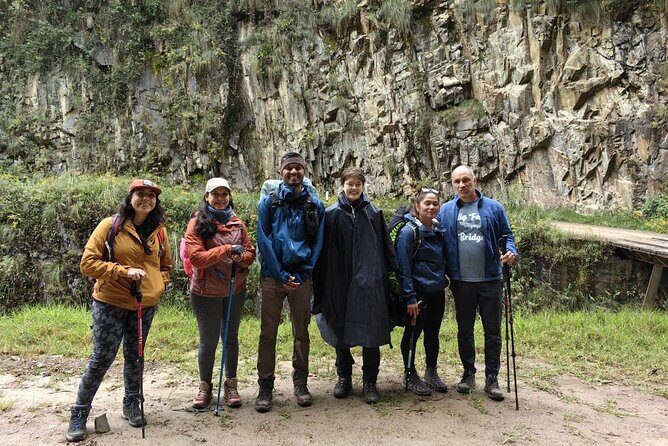
Day 5 starts with early morning logistics. You leave your hotel at 5:30 am for Machu Picchu by bus, arriving around 6:00 am. That timing matters because Machu Picchu is at its best when you’re there early enough to enjoy the place without feeling like you’re sprinting.
Your guided tour lasts about 2 hours, covering the main sites of the citadel, including:
- Main Plaza
- Intihuatana
- Temple of the Sun
- Agricultural terraces
Your guide explains history and cultural value as you walk. Then you get free time to explore at your own pace, including an option to visit Machu Picchu Mountain or climb Wayna Picchu. The important catch: Wayna Picchu entrance ticket is not included.
After the guided portion, you’ll head back in the later afternoon. The return train from Aguas Calientes leaves between 3:00 and 4:00 pm, and you’ll have time for lunch or to relax in the hot springs. Also, note that the tourist bus from Machu Picchu to Aguas Calientes is listed as additional cost ($12), so don’t assume every bus step is covered.
How This Tour Balances Structure and Freedom
I like that you don’t have to figure out Machu Picchu alone at the start. A guided walk is the fastest way to understand what you’re looking at. Then you still get freedom afterward to choose your own climb plans with your own energy level.
Price and Value: What $635 Actually Covers (and What You Might Add)
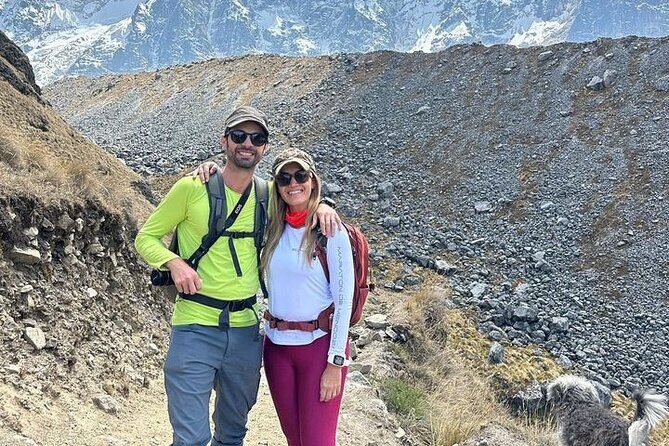
At $635 per person, this tour feels priced like something that’s heavy on infrastructure rather than just “a guide and hope.” You’re paying for a real package: park and monument access, transport legs, meals, camping support, and a bilingual guide.
Here’s where the value shows up:
- Machu Picchu entrance and Salkantay National Park access included
- Hotel with private room and bathroom in Aguas Calientes, breakfast included
- Camping equipment with a dining tent setup for meals
- Meals and snacks: 3 breakfasts, 3 lunches, 3 dinners are listed, plus tea time and snacks every day
- Baggage support: muleteer and mules for up to 7 kg of your personal equipment, plus an emergency horse from Marcoccasa to Chaullay
- Safety basics: first aid kit and an oxygen bottle are included
- Training wheels for logistics: private transportation from your Cusco hotel to Mollepata (Challacancha), and train/transfer support afterward
What’s not included is where you need to pay attention early:
- Sleeping bag costs $20 for the entire trip
- Tourist bus from Machu Picchu to Aguas Calientes is listed at $12 additional cost
- Optional experiences like Santa Teresa hot springs are extra
If you’re the type who hates last-minute scramble, this package structure is a win. If you’re already organized with gear and you’re comfortable handling transport on your own, you might see some parts as “paying for convenience.” Either way, the included meals, camp support, and access fees are real cost drivers.
What to Pack: Cold Pass Air and Warm Insect Evenings
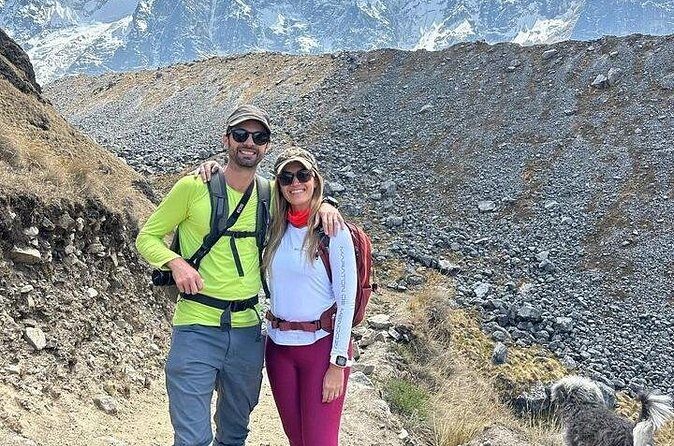
The itinerary gives you clues about conditions: cold at higher elevations early in the trek and warm (with insects) later. So pack with that in mind.
At minimum, you should plan for:
- Warm layers for early mornings and high-altitude cold
- A plan for rain protection (weather at height can be unpredictable, and the itinerary does not promise dryness)
- Bug protection for the warmer, lower-elevation days
- A sleeping bag, since it’s not included (budget $20 for the trip if you need to buy one)
Also, remember that your equipment allowance can matter. The tour includes mules for up to 7 kg of personal equipment, so you should travel with your load in mind. Bring what you need, not what you want to carry.
Who This Trek Fits Best (and Who Should Pause)
This trek is for people with strong physical fitness. Day 2 is long (10–11 hours) and high. Day 4 is also long (8–9 hours) even though you’re descending.
It’s a great match if you:
- Like big mountain scenery and don’t mind slow, steady uphill effort
- Want guided history once you reach Machu Picchu
- Appreciate camp structure, included meals, and staff support (cook and kitchen staff are included)
It might be a harder fit if you:
- Don’t feel confident hiking at altitude, even with oxygen and a first aid kit included
- Want a mostly relaxed itinerary with minimal walking (this is not that)
Should You Book This 5-Day Salkantay to Machu Picchu Trek?
If you want a well-supported trek that turns into a guided Machu Picchu visit, this is a solid choice. The biggest reason to book is the mix of included access fees, meals, camp setup, and a real schedule—so you spend your energy on the walking and the views instead of logistics.
I’d personally weigh the decision on two things: your comfort level with the first two harder walking days, and whether you’re ready to handle the small add-ons (sleeping bag and possibly the bus cost in the final stretch). If you’re fit, warm-layer ready, and okay with a structured program, the value is strong for what you get.
FAQ
What time does the trek start in Cusco?
The start time is listed as 4:30 am, and the first day departs Cusco at 5:00 am.
Is hotel pickup included?
Yes. Pick-up service is offered at your hotel, and the guide will wear a company logo shirt for easy identification.
Do I need to bring a sleeping bag?
A sleeping bag is not included. It costs $20 for the entire trip.
Is Wayna Picchu included on Day 5?
You get free time to visit Machu Picchu Mountain or climb Wayna Picchu, but the Wayna Picchu entrance ticket is not included.
How big is the group?
The tour has a maximum group size of 13 travelers.
Is the Santa Teresa hot springs included?
No. The Santa Teresa mineral hot springs are optional and not included in the package price, though transportation can be coordinated by the guide.
If you want, tell me your hiking background (and whether you’re more concerned about altitude or long downhill days), and I’ll help you judge how challenging this route will feel for you.