REVIEW · CUSCO
Cusco: Archeological Sites Tour and Forest Photo Experience
Book on GetYourGuide →Operated by Peru Andes Top · Bookable on GetYourGuide
Five hours, four ruins, and a photo forest. I like that you hit four Inca sites inside Cusco (not a long bus crawl), and I really like the Qenqo forest photo session with an expert guiding the shots you’ll take home. One caution: the headline price doesn’t include the tourist ticket and Coricancha entrance, so your final cost depends on what you already have.
You’ll start with hotel pickup and return you to town after a tight, guided route. The day is built around the Inca story from ceremonial stone (Qenqo) to defensive ruins (Puca Pucara) to the water-focused Tambomachay, then the big finale at Coricancha, the Temple of the Sun. Bring comfortable shoes and a rain layer, because Cusco weather can switch up fast.
In This Review
- Key things I’d circle before you go
- The value play: why this Cusco half-day tour works
- Hotel pickup and the route rhythm you’ll feel all afternoon
- Temple of Qenqo: ceremonial stone that leads into the forest
- Puca Pucara: the military side of the Inca city
- Sacsayhuamán: limestone power and the idea of a solar sanctuary
- Tambomachay: the baths of the Incas and why water mattered
- Qenqo forest photo session: the part designed for real keepsakes
- Coricancha: Temple of the Sun as the dramatic finale
- Price and logistics: what $17 really means in Cusco
- Who this tour fits best (and who should pass)
- A note on organization: how to protect your experience
- Should you book it?
- FAQ
- How long is the Cusco Archaeological Sites Tour and Forest Photo Experience?
- Is hotel pickup and return included?
- Which Inca ruins are visited during the tour?
- Are the tourist ticket and Coricancha entrance fees included?
- Is the Qenqo forest photo session included in the price?
- Do I get the photos as part of the experience?
- What languages are available for the guide?
- What should I bring with me?
- Is cancellation free?
Key things I’d circle before you go
- All major stops are within Cusco or very close by, so 5 hours feels doable
- Qenqo starts as rock, ends as a forest photo set, which is a nice contrast
- Sacsayhuamán’s limestone blocks explain how the Incas guarded the city
- Tambomachay’s water theme (purification and cult of water) gives you context for what you’re seeing
- You get a digital souvenir photo, plus entrance to the Qenqo forest
- The main add-ons are tourist ticket (70 soles) and Coricancha entrance (15 soles)
The value play: why this Cusco half-day tour works
This is one of those Cusco experiences that makes sense if you want a lot without burning a full day. You’re not trekking out to far-flung sites. Instead, you move through the most famous Inca landmarks that sit right in and around Cusco, with a guided explanation at each stop.
I also like the pacing: you get the archaeology first, then you switch gears into the quieter side of the experience with the Qenqo forest photo session. That order helps. The ruins give you history to lean on, and the forest gives you something lighter—pictures, atmosphere, and a chance to slow down.
That said, you should go in knowing what makes or breaks value. The listed price is $17, but the itinerary requires tickets you pay separately: the tourist ticket (70 soles) and the Coricancha entrance (15 soles). If you’re not already set up with those, the real cost is higher than the headline.
You can also read our reviews of more tours and experiences in Cusco.


Hotel pickup and the route rhythm you’ll feel all afternoon
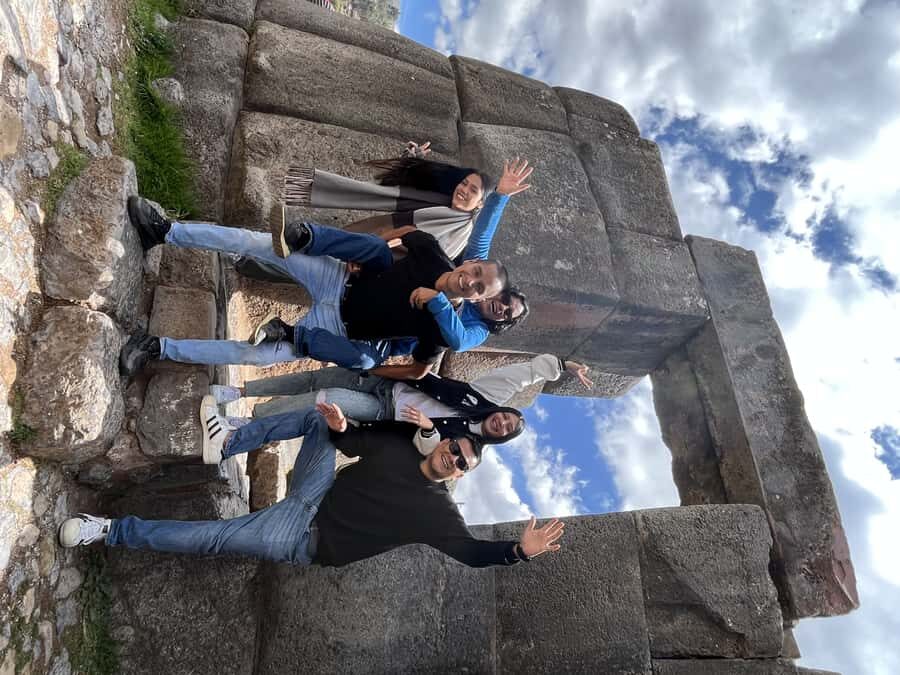
The tour begins with pickup from your hotel in Cusco. You’ll wait in the lobby about 10 minutes before your pickup time. The driver will hold a sign with their last name, which is helpful in a city where meeting points can get chaotic.
One operational detail to respect: drivers won’t wait more than 5 minutes after the scheduled pickup time. That matters because the plan is designed as a 5-hour circuit with multiple stops. If you’re late, the day can get shortened in ways you don’t control.
The tour is guided live in Spanish or English, so you’re not doing a self-guided scramble. The itinerary can be modified based on operations, but the core sites are still meant to be visited.
Temple of Qenqo: ceremonial stone that leads into the forest
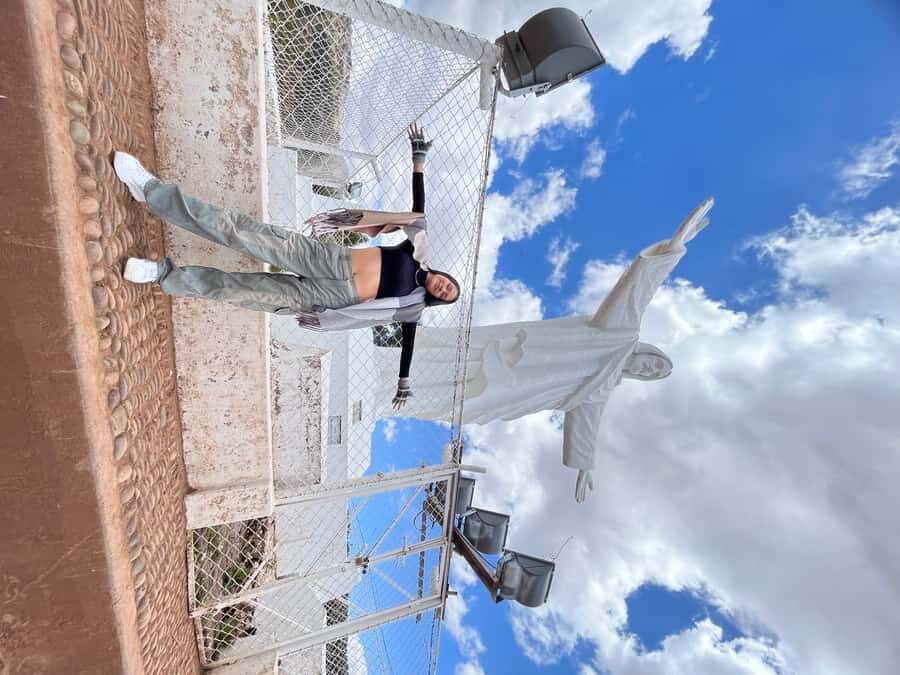
Your first stop is Qenqo, described as a natural rock formation that became a ceremonial center. That framing is what I’d keep in mind as you look around. This isn’t just a “pretty ruin.” It’s a place where the natural shape of the rock mattered, then people shaped it into a spiritual and ceremonial setting.
Qenqo is also a smart opener because it sets a theme: the Incas treated the environment as part of the sacred design. Once you understand that idea at the first site, the rest of the stops feel more connected.
Then comes the part many people remember most: later you’ll enter the Qenqo forest for the photo session. That means Qenqo works in two ways—history first, then atmosphere and imagery. You get a visual bridge from rock ceremony to forest photography, all in the same day.
Puca Pucara: the military side of the Inca city
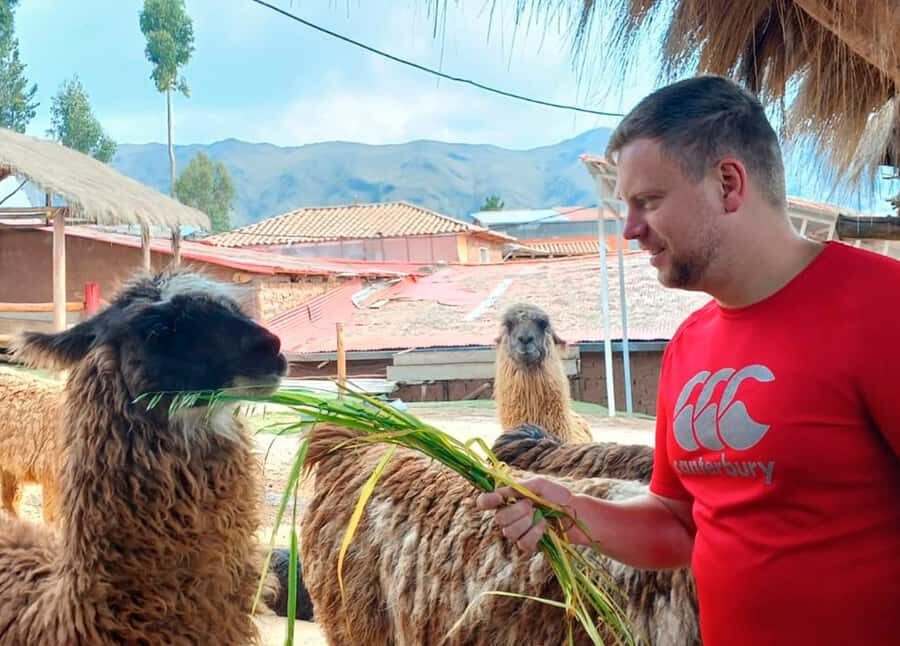
Next you visit Puca Pucara, which is presented as military ruins and remnants of Inca guard posts. This stop shifts the tone from ceremonial to defensive and practical.
What makes Puca Pucara worth your attention is that it isn’t just a single wall or single viewpoint. You’ll see the remains connected to how the place functioned: stairs, streets, houses, and patios. That matters because it helps you picture the site as lived-in space, not a museum display.
When I’m touring ruins in Cusco, I like stops that explain how people organized power and security. Puca Pucara fits that. It also gives you variety in your photo opportunities before you move to the bigger statement site: Sacsayhuamán.
Sacsayhuamán: limestone power and the idea of a solar sanctuary
After Puca Pucara, you continue to Sacsayhuamán, created as a solar sanctuary by the last dynasties of the Incas. The tour highlights a key feature: the large blocks of limestone used to protect the city from attacks by invaders.
That combination is what makes Sacsayhuamán feel like more than “another ruin.” You’re looking at a site with a spiritual purpose, but also a strategic one. The limestone blocks are a physical reminder that the Incas built for both meaning and survival.
If you like architecture and engineering clues, this is one of your best stops. Even if you don’t read every detail, the scale and the construction choices help you understand why the Incas could make massive ideas feel controlled and durable.



Tambomachay: the baths of the Incas and why water mattered
Then you head to Tambomachay, located about 9 kilometers from the city. It’s known as the baths of the Incas because of the shape of its water fountain. The tour also notes a possibility: it may have been a temple dedicated to a cult of water and purification.
I like Tambomachay because it gives you a different lens. Instead of focusing only on war or monumental temples, you get the theme of cleansing, ritual water, and the sacred side of everyday resources.
Even if you treat the purification cult as a suggestion (not a guaranteed label), the idea still helps. It makes you look at water features as part of a system of meaning, not just a scenic stop.
Qenqo forest photo session: the part designed for real keepsakes
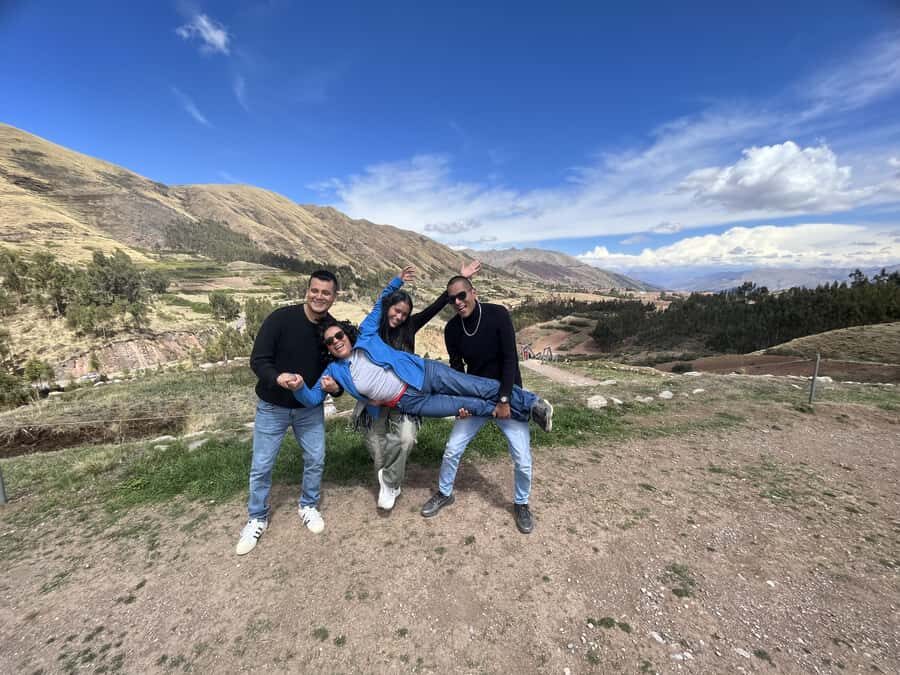
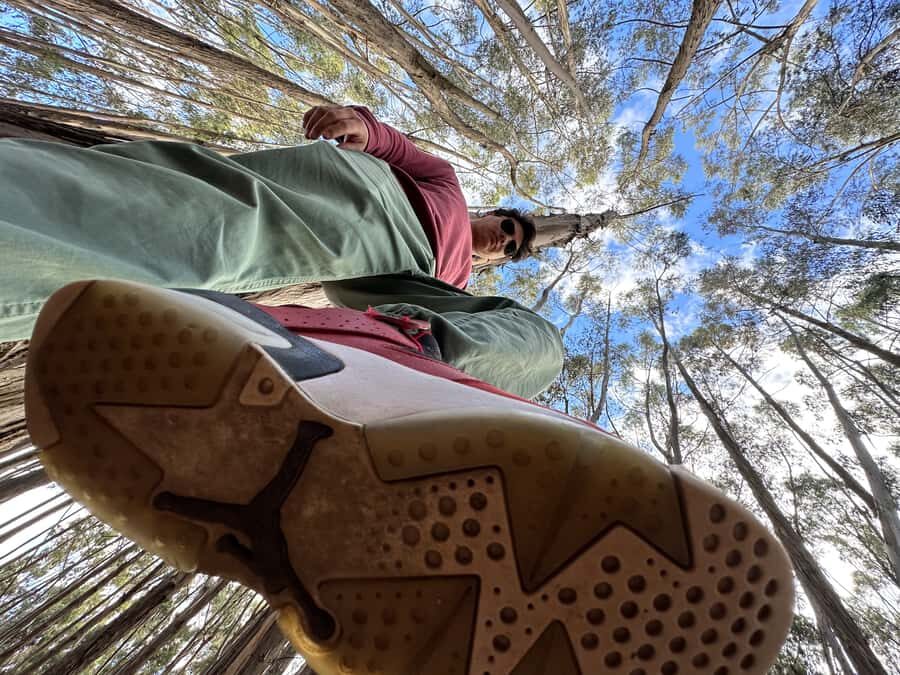
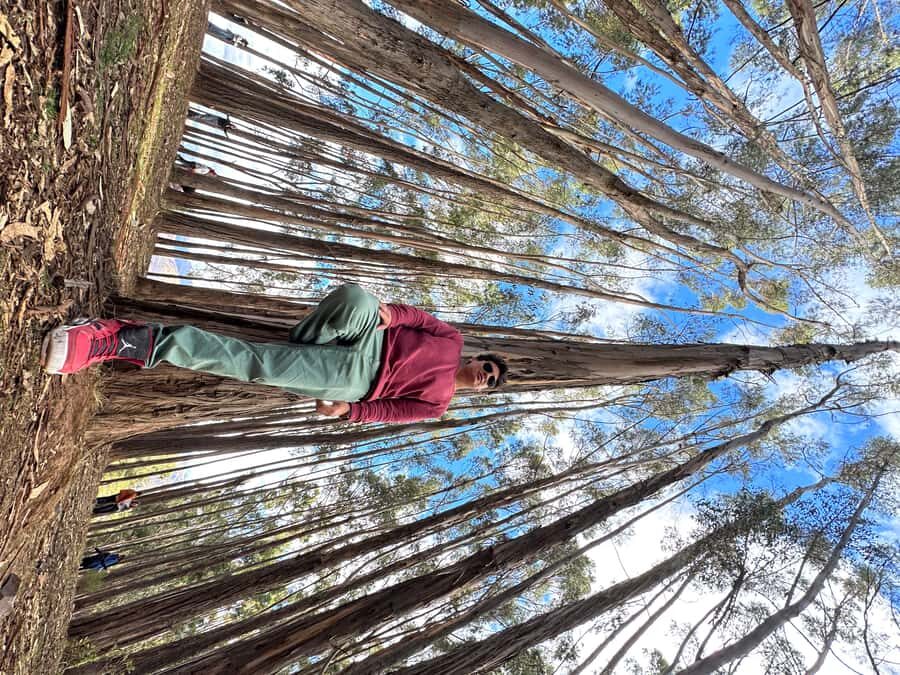
Here’s where the tour turns into something more personal. You enter the Qenqo forest for a photo session in a beautiful setting, guided by a photography expert.
The experience includes a souvenir photo in a digital file, and you can take it home as a memory of the activity. In practical terms, that’s better than hoping you’ll get a perfect shot on your own. A guide can direct angles, timing, and composition so you actually walk away with usable photos.
A good tip: wear shoes you trust and keep your jacket handy. Forest light and weather in Cusco can shift quickly, and you’ll be moving enough to need comfort.
Coricancha: Temple of the Sun as the dramatic finale
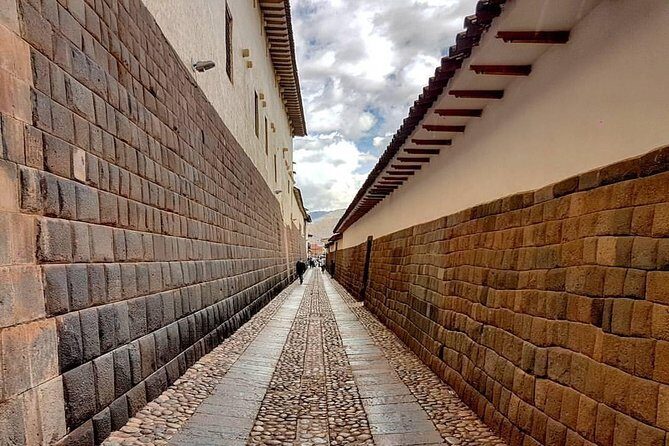
You finish at Coricancha, the Temple of the Sun. The tour frames it as the most important temple of the Inca empire, and it points to the architecture and stone construction as proof of that status.
This is the kind of stop where you feel the “closing argument” energy of the route. After seeing Qenqo’s ceremonial beginnings, Puca Pucara’s protective layout, Sacsayhuamán’s solar sanctuary, and Tambomachay’s water theme, Coricancha ties it together into a single major statement.
Coricancha is also the right ending because you return to the center of Cusco after the visit. You’re not left stranded across town or rushed into another activity right away.
Price and logistics: what $17 really means in Cusco
Let’s talk value honestly. The tour is listed at $17 per person, lasts about 5 hours, includes hotel pickup and return, a guided tour of the main sites, entrance to the Qenqo forest, and a digital souvenir photo.
But the big line-item you must plan for is tickets:
- Tourist ticket: 70 soles (not included)
- Coricancha entrance: 15 soles (not included)
So the real cost can feel notably higher once you factor in what you still need to buy on the ground. Still, the tour may remain a good deal if you were planning to visit these sites anyway, because you’re getting guidance across multiple locations plus the photo session.
One more practical note: food and drink aren’t included. Build in time or money for a meal after you return to Cusco’s center. And bring cash, since ticket purchases and small extras often require it.
Who this tour fits best (and who should pass)
This tour is a strong match if you:
- Want a half-day Inca hit without a full-day grind
- Like tours where you get both ruins and a photo-focused activity
- Prefer guided explanations, but still want time to roam or decompress afterward
It’s less ideal if you:
- Want to pay the absolute minimum possible, because the separate tourist ticket and Coricancha entrance can add up
- Get anxious about tight schedules, since pickup timing matters and the route is designed to run as a 5-hour circuit
A note on organization: how to protect your experience
I’ll be direct about this. One past guest described an experience that felt disorganized: they were kept aside, moved out of a shop when they expected a stop to go differently, and they reported missing the final ruin because the timing didn’t work out. They also said photos tied to the excursion were not handled as expected.
You can’t control everything, but you can reduce your risk:
- Be early for pickup and stay ready to go when your driver arrives (don’t rely on last-minute timing).
- If photos matter to you, ask at the start what the souvenir digital photo process looks like and when you should expect to receive it.
- If your day has any “optional-sounding” stop expectations, ask the guide to clarify what is actually included.
Most days probably run smoothly. Still, with multiple sites and a short window, good timing and clear expectations are your best friends.
Should you book it?
I’d book this tour if you want a smart, concentrated way to see key Inca sites around Cusco in one afternoon, and you genuinely value getting guided photos rather than just snapping random pictures. The combination of Qenqo ruins, a forest photo session, and a finale at Coricancha is a nice mix.
I would think twice if you already know you’ll skip at least one of the major paid entrances or you’re trying to keep costs ultra-low. Because the tourist ticket and Coricancha entry aren’t included, the headline price can be misleading.
If you do book, go in prepared: comfortable shoes, a jacket, rain gear, sun hat, and cash. And be on time for pickup. Do those things, and you’ll get a well-rounded Cusco afternoon instead of a stressful one.
FAQ
How long is the Cusco Archaeological Sites Tour and Forest Photo Experience?
It runs for about 5 hours.
Is hotel pickup and return included?
Yes. Pickup and return to your hotel in Cusco are included.
Which Inca ruins are visited during the tour?
You’ll visit Qenqo, Puca Pucara, Sacsayhuamán, and Tambomachay, plus Coricancha at the end.
Are the tourist ticket and Coricancha entrance fees included?
No. The tourist ticket (70 soles) and Coricancha entrance (15 soles) are not included.
Is the Qenqo forest photo session included in the price?
Yes. The tour includes entrance to the Qenqo Forest and a guided photo session there.
Do I get the photos as part of the experience?
Yes. A souvenir photograph in a digital file is included.
What languages are available for the guide?
The live guide is available in Spanish and English.
What should I bring with me?
Bring comfortable shoes, a sun hat, biodegradable sunscreen, a jacket, rain gear, comfortable clothes, and cash.
Is cancellation free?
Yes. You can cancel up to 24 hours in advance for a full refund.