REVIEW · CUSCO
Planetarium Cusco OFFICIAL SITE: Andean Astronomy experience
Book on GetYourGuide →Operated by Planetarium Cusco · Bookable on GetYourGuide
Cusco’s sky lessons start with a short walk. This Planetarium Cusco experience pairs Inca astronomy storytelling with a southern-sky dome show, then tries telescope stargazing when the clouds cooperate. You get culture, science, and real sky time in one evening, without needing to know the constellations ahead of time.
I especially like how the first room set-up gives you a clear framework for what you’re about to see. Then the dome projection turns the night sky into something you can follow, with guides explaining how Andean peoples read patterns in the stars.
The main drawback is simple: if it’s cloudy, you may not get the telescope view. It’s still a good show, but the star-hunting part depends on the weather.
In This Review
- Key highlights to know before you go
- Meeting at Plaza Regocijo: a smart start to your night sky evening
- The ride to the planetarium: short and easy, but come layered
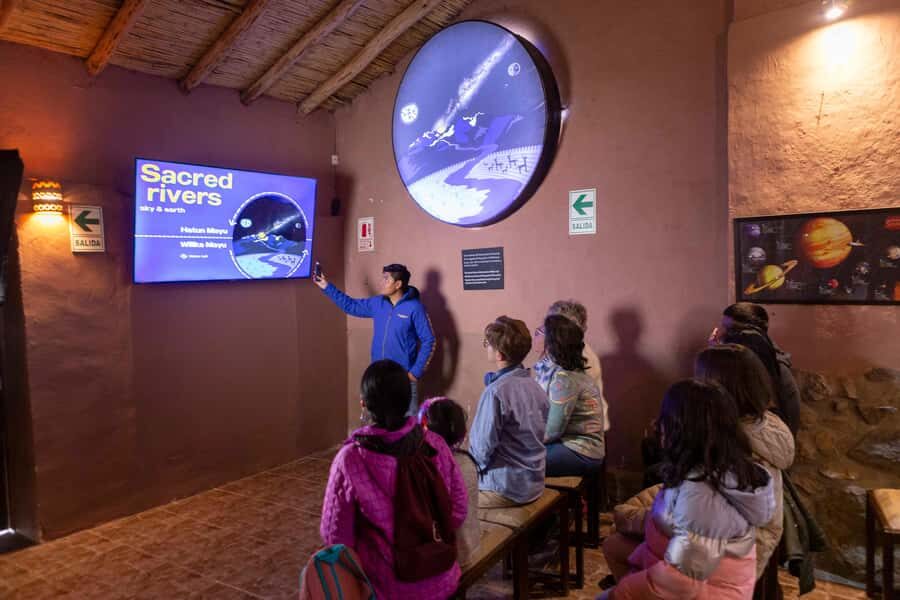
- Interpretation rooms at 18:05: how to read the Andean sky before you watch it
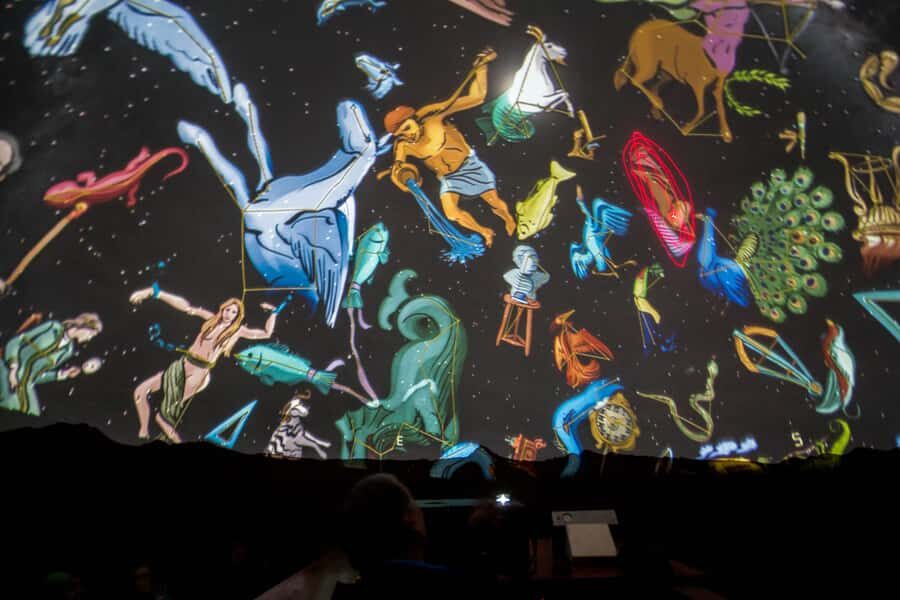
- The 18:40 dome show: southern sky projection plus Inka constellations
- Telescope stargazing after dark: the real sky test
- What the $28 price really covers (and how it compares to other Cusco options)
- Timing that makes sense: 17:30 to about 19:40
- Comfort and practical tips that actually help
- Who should book this Andean astronomy session
- Should you book Planetarium Cusco’s Andean Astronomy experience?
- FAQ
- Is this activity 100% guaranteed to include stargazing through telescopes?
- Where do I meet for Planetarium Cusco?
- How long does the experience last?
- What’s included in the ticket price?
- What language is the live guide?
- Is there a minimum age?
- What should I bring, and what’s not allowed?
Key highlights to know before you go
- Inca astronomy meets modern planetarium tech with a dome projection of the southern sky
- Small-group feel so you can ask questions and stay connected to the story
- Dome first, telescopes after (stargazing is weather-dependent)
- Quick evening schedule: meet at 17:30, return around 19:40
- Blankets on hand and a practical seating tip for comfort
- English and Spanish live guiding with humor and clear explanations
Meeting at Plaza Regocijo: a smart start to your night sky evening
Plan on being ready at 17:30 sharp. You meet at the middle of Plaza Regocijo, near the fountain, then your guides get you moving with a short walk to transport. It’s close to the main square area, so it’s easy to build this into your Cusco evening without complicated logistics.
The ride takes about 10–15 minutes. I like this timing because it lets you settle in before the planetarium portion starts. Cusco streets cool down quickly after sunset, and you’ll want that little buffer to get your layers on and your attention focused.
You can also read our reviews of more tours and experiences in Cusco.


The ride to the planetarium: short and easy, but come layered
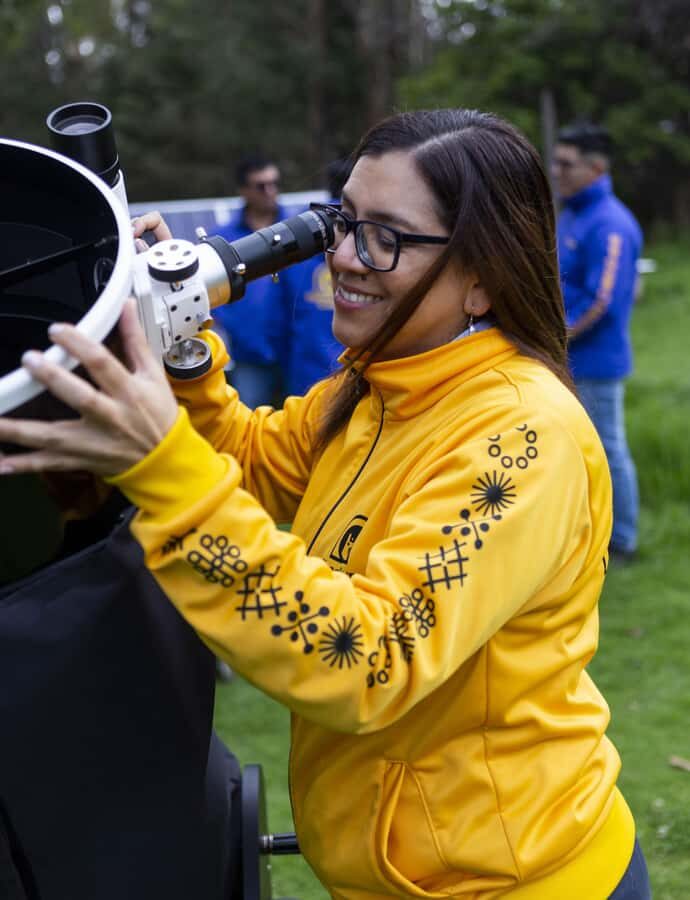
The transport is round trip, and it’s part of the included value. You don’t have to figure out local buses or negotiate a taxi after dark. That matters in Cusco, where evenings can get chilly fast and plans can shift if weather changes.
What to bring is basic, but don’t ignore it: comfortable shoes and warm clothing. One review also mentioned blankets being available inside, which is a nice comfort boost if you’re the kind of person who gets cold easily. If you’re unsure, pack extra layers anyway—Cusco nights can feel sharper than you expect.
Also note: this is a group experience. It’s not a private “ask anything” session with unlimited flexibility. Still, the small-group feel is part of why people enjoy it.
Interpretation rooms at 18:05: how to read the Andean sky before you watch it
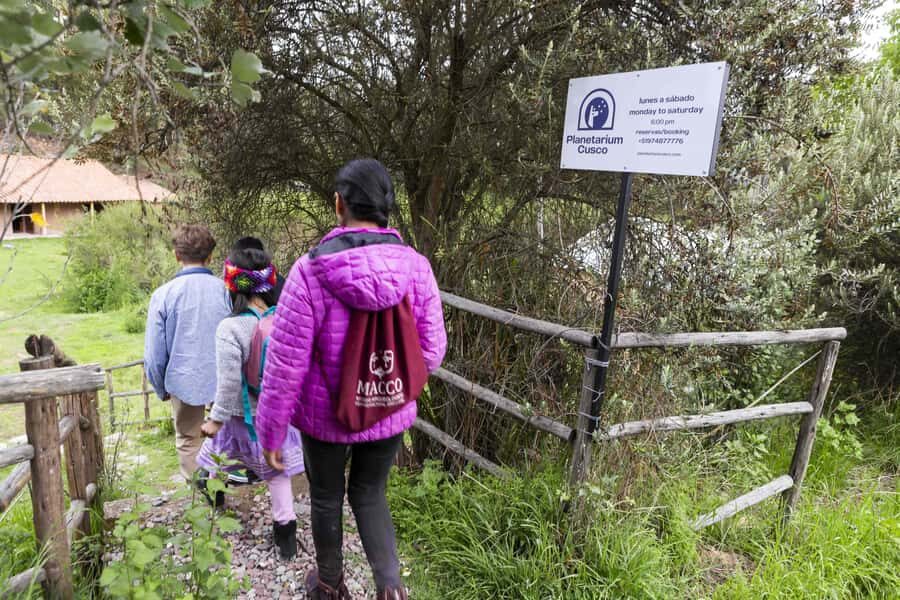
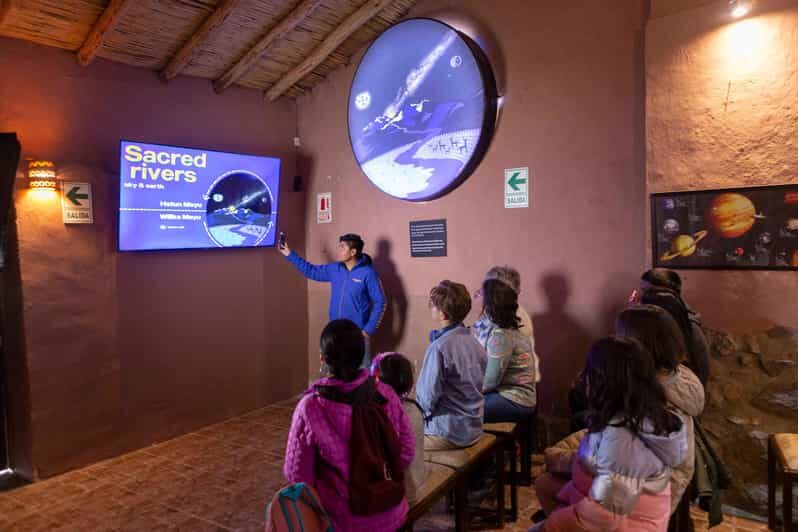
At around 18:05, you step into the planetarium space for an introduction in interpretation rooms. This is where the evening becomes more than a movie and a few star names. Instead, you learn the logic behind how Andean astronomy connects sky patterns with culture.
The goal is to help you look up with meaning, not just curiosity. The guides explain the Inca view of the heavens and how it helped guide life and understanding. One review even picked up a detail like Anaximander being mentioned, which hints that the teaching isn’t stuck in one era—it can connect older sky ideas to a broader story of how humans try to explain the sky.
I like that this part is designed for first-timers. You don’t need a background in astronomy or Andean history. You just need to pay attention for the “why” behind what you’ll see next.
The 18:40 dome show: southern sky projection plus Inka constellations

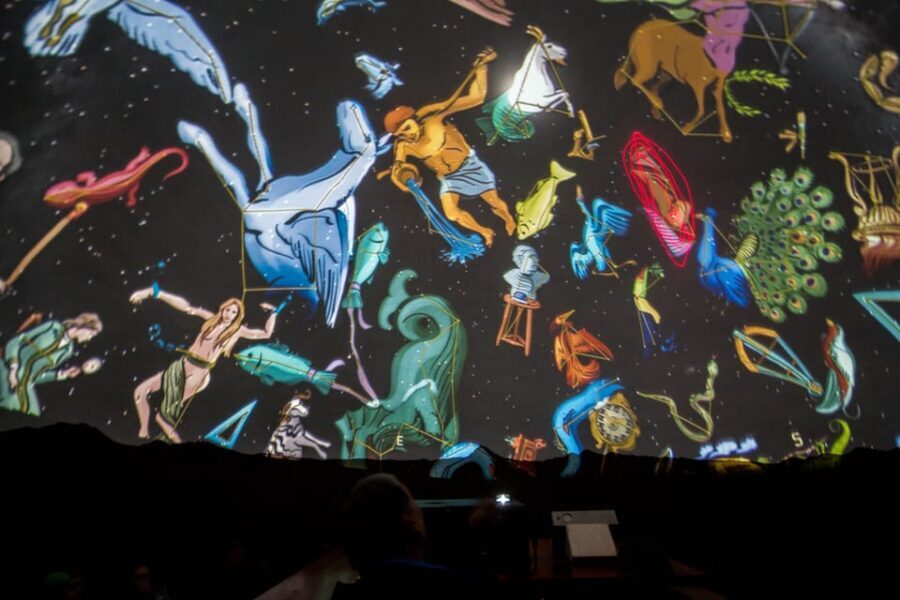
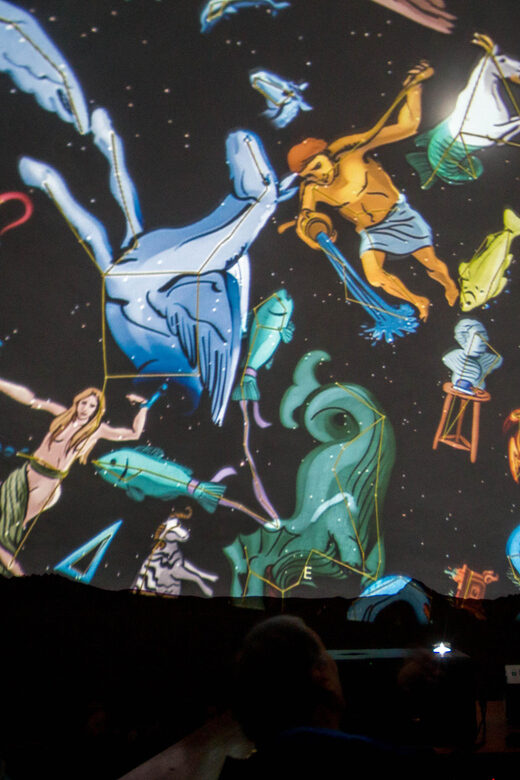
At 18:40, the planetarium dome takes over. This is the showpiece. You’ll watch a virtual projection of the southern sky, with guides highlighting Inka constellations and explaining what they represented and why that mattered.
Dome projections work best when you treat them like guided observation. Instead of thinking of it as a passive presentation, you can “follow along” as the sky shifts and concepts click into place. That’s where the earlier interpretation rooms pay off—you’re not starting from zero.
This portion is also the safest bet for a great experience, even if the weather turns. Cloud cover can ruin telescope viewing, but the dome doesn’t care if the stars are hidden outside. If you want the highest chance of leaving happy, this is the engine of the tour.
Telescope stargazing after dark: the real sky test
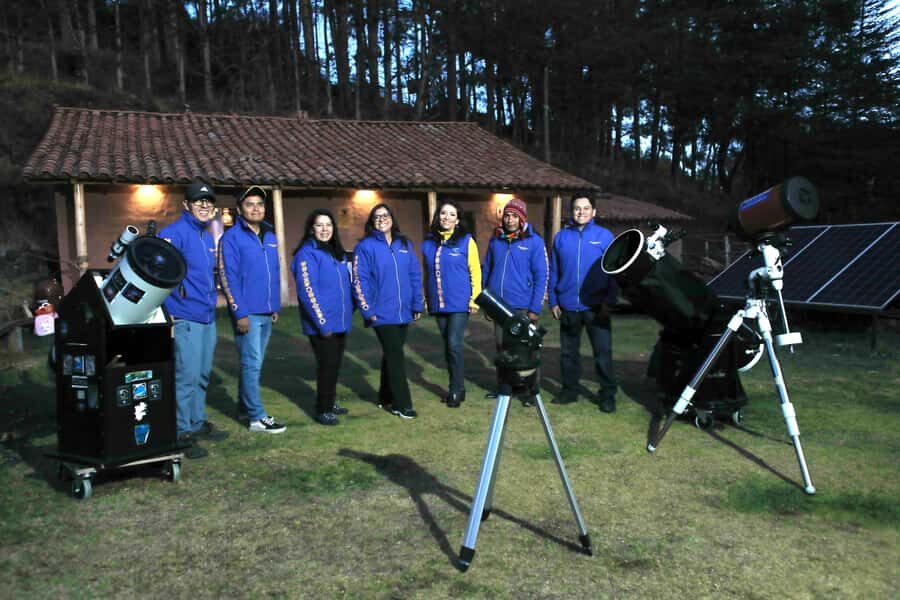
After the dome show, it’s time to go outside for stargazing with telescopes. The catch: it’s weather permitting. That’s not a gimmick; it’s the honest trade-off for doing this in the open sky.
When the night is clear, this is where the story meets reality. You’ll be looking at stars, planets, and celestial objects through telescope viewing, guided by the team. One review specifically praised how even with cloud cover they still tried hard to get views through the telescope—and that included surprising results like recognizing something as famous as Saturn’s rings.
When it’s cloudy, you’ll still have the dome experience under your belt. You’re just more likely to miss the “wow” factor of direct telescope views. Plan for that possibility and you won’t feel short-changed.


What the $28 price really covers (and how it compares to other Cusco options)
At $28 per person for 2 hours, this feels like good value if you want three things in one night: cultural astronomy context, a professional dome show, and a shot at telescope viewing. The key is that you’re not paying just for entertainment. You’re also paying for guidance in how to interpret what you’re seeing.
You also get included round trip transportation from Regocijo Square. In Cusco, that can easily add up when you’re comparing options that don’t bundle logistics. On top of that, the tour includes a live guide in English or Spanish, plus the dome projection and an astronomy introduction.
What’s not included is food. So if you tend to get hungry after sightseeing, eat before you arrive. There’s no mention of a stop for dinner, and the schedule runs from 17:30 into the evening.
Timing that makes sense: 17:30 to about 19:40
The evening is built like a clean, timed loop:
- 17:30 meet at Plaza Regocijo (near the fountain)
- short walk to transport, then a 10–15 minute ride
- 18:05 interpretation rooms begin
- 18:40 dome projection starts
- around 19:40 return to Cusco
I like this pacing because it respects your time. You get the most “learning per hour” during the fixed dome schedule. Then you try telescopes at the end when darkness is established.
One practical note: the schedule can vary slightly to optimize stargazing. That means you should show up on time at the meeting point, but don’t expect every minute to be identical. It’s a small flexibility that matters once weather decides the outcome.
Comfort and practical tips that actually help
A few small moves make a noticeable difference:
- Wear warm layers. You’ll be outside for the telescope part, and Cusco evenings can bite.
- Bring comfortable shoes for the short walk and the time spent inside/outside.
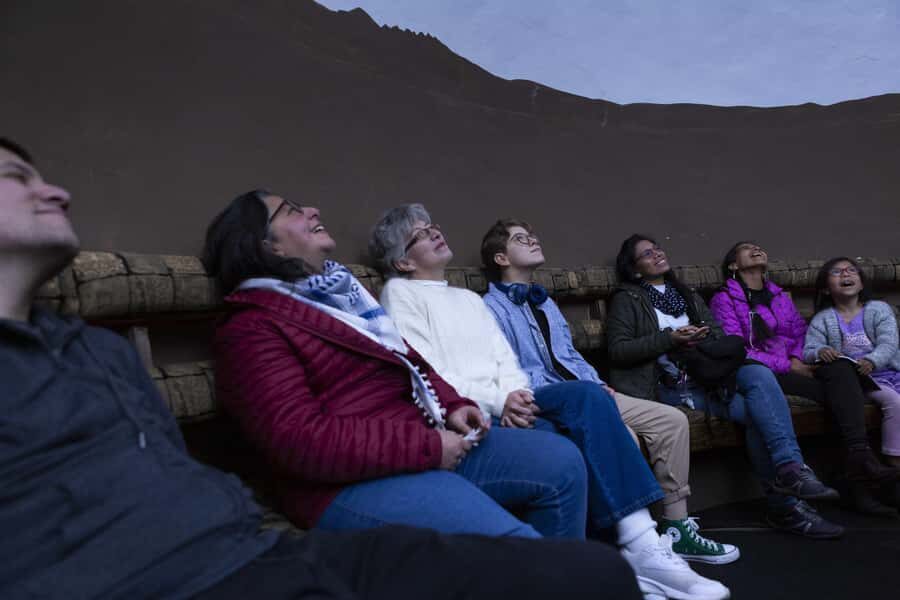
- If you get a chance to choose seating, take advantage of the tip from one review: sit on one chair near the entrance of the planetarium. It’s tied to comfort and viewing, and they also provide blankets.
- Keep your phone away for recording. Audio recording isn’t allowed, so treat the experience as a no-distraction zone.
If you’re the type who already knows a lot of astronomy terms, don’t expect it to be a technical lecture. The tone is more about explaining meaning and guiding your view, not advanced astrophysics.
Who should book this Andean astronomy session
This experience is a great fit if you want:
- an easy intro to Inca astronomy without homework
- a guided way to connect the southern sky to Andean constellations
- a short evening activity that doesn’t require driving or planning transport
- a small-group vibe where you’re not lost in a crowd
It’s also a good choice for people who love stories that connect science to culture. If that’s your style, you’ll probably enjoy how the guides keep things engaging and approachable.
The one group it may not satisfy is seasoned astronomy enthusiasts. If you’re already deep into astronomy and mainly want observational detail, you might feel the pacing is more interpretive than technical. That’s not a bad thing—just a mismatch of expectations.
Should you book Planetarium Cusco’s Andean Astronomy experience?
If you have a free evening in Cusco and you’re curious about how different cultures read the sky, I think this is worth booking. The dome projection is the dependable core of the experience, so you’re not entirely at the mercy of weather. Then the telescope session is the bonus when conditions allow.
Book it if you want a practical mix: Inca sky legends explained clearly, a real planetarium show, and a chance to look through telescopes. Consider skipping or pairing it with a more astronomy-focused activity if you’re already expert and want purely technical observing.
FAQ
Is this activity 100% guaranteed to include stargazing through telescopes?
No. Telescope stargazing is included depending on weather conditions, so cloudy skies can limit what you can see outside.
Where do I meet for Planetarium Cusco?
You meet in the middle of Plaza Regocijo, next to the fountain.
How long does the experience last?
The tour duration is 2 hours.
What’s included in the ticket price?
Included: round trip transportation from Regocijo Square, an introduction to Inca astronomy, a virtual dome projection of the southern sky and Inka constellations, and telescope stargazing depending on weather.
What language is the live guide?
The tour guide is available in Spanish and English.
Is there a minimum age?
Yes. It is not suitable for children under 7 years.
What should I bring, and what’s not allowed?
Bring comfortable shoes and warm clothing. Not allowed: pets (assistance dogs are allowed), alcohol and drugs, unaccompanied minors, and audio recording.
If you want, tell me what night you’re in Cusco and whether you’d rather prioritize the dome show or maximize your chances of telescopes—I can help you decide if this fits your schedule.