REVIEW · CUSCO
4-Day Wildlife Tour: Manu Peruvian Jungle
Book on Viator →Operated by Manu Jungle Trips · Bookable on Viator
A jungle trip starts before sunrise, and this one does too. The route mixes high-altitude passes and lowland river wildlife, with day walks and night outings in the rainforest. What I like most is the variety packed into four days and the fact you get a professional naturalist guide rather than just a driver. One drawback to consider: your comfort and pacing can depend heavily on group size and equipment reliability.
You’ll leave Cusco early, pass colonial towns and Inca-era surroundings, then drop from misty forest into the Madre de Dios river system. Expect a steady rhythm of boat rides, guided hikes, and chances to see everything from hummingbirds and orchids to capybaras and hoatzins. The trip is also not light and easy: there’s early wake-up time, some walking, and the weather matters a lot.
Before you book, I’d check two practical things: make sure the group size is capped the way you expect, and confirm what’s included around optional activities like the zipline. Also, plan around health requirements like yellow fever vaccination and anti-malaria tablets, since this tour is explicit about them.
In This Review
- Key highlights you’ll actually feel on the ground
- The big idea: why this Manu trip feels different from a basic jungle tour
- Hitting Ninamarca, Paucartambo, and Tres Cruces de Oro on Day 1
- Day 2 on the Alto Madre de Dios River: turtles, birds, and night-walk energy
- Day 3: medicinal plants, early wildlife odds, optional zipline, and Machuwasi Lake
- Day 4: the parrot and macaw clay lick and the return to Cusco
- Price and value: does $465 make sense for this 4-day Manu run?
- Comfort level, group size, and the stuff you should double-check
- Health and weather basics you can’t skip
- Who this Manu Jungle tour suits best
- Should you book Manu Peruvian Jungle for $465?
- FAQ
- How long is the Manu Peruvian Jungle tour?
- What time do you start and where do you meet in Cusco?
- Is pickup included?
- What’s the group size limit?
- What language is the tour offered in?
- What kind of transportation does the tour use?
- What meals are included?
- Is there a vegetarian option?
- What vaccinations and health items do I need?
- Is the zipline included?
- What if the tour is canceled due to weather?
Key highlights you’ll actually feel on the ground
- Early start from Cusco (5:00am) so you gain more daylight in multiple ecosystems.
- Manu from both sides: cloud forest descents on Day 1 and river-based wildlife on Days 2 and 3.
- Night wildlife outings on land and by boat, when a different set of animals shows up.
- Parrot and macaw clay lick to finish Day 4 with a classic Amazon spectacle.
- Lodge stay (3 nights) with toilets and showers, plus meals and a naturalist-led program.
The big idea: why this Manu trip feels different from a basic jungle tour
This is a four-day route designed around transitions—altitude changes, habitat changes, and time-of-day changes. That matters in Manu because animals don’t all show up in the same place at the same hour. One day can focus on misty forest birds and monkeys, while another pivots to river edges, night insects, and reptiles warming themselves in the sun.
From Cusco, you’ll start with an early push to get higher first, then work your way down. That’s a smart way to avoid wasting the day stuck in one narrow slice of the jungle. The program also builds in multiple ways of seeing wildlife: daytime walks, early-morning exploration, a night walk, and even a boat night activity on the river.
You can also read our reviews of more tours and experiences in Cusco
Hitting Ninamarca, Paucartambo, and Tres Cruces de Oro on Day 1
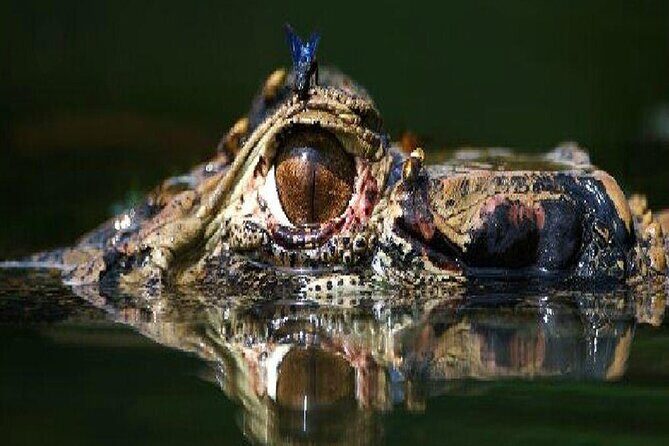
Day 1 is a long, scenic intro day, and it’s packed. You start with private transportation out of Cusco and stop at Ninamarca to see pre-Incan chullpas from the Lupaca culture. It’s not just a quick photo stop; it gives context for why this region matters beyond wildlife.
Next comes Paucartambo, a colonial town with narrow streets and a church where older customs still show up. It’s a useful break from the driving and a reminder that you’re moving through human history as well as wilderness.
Then you climb to Acjanaco Pass (3,550 masl) and enter Manu National Park. From there, you reach the viewpoint Tres Cruces de Oro (3,700 masl). The altitude viewpoint is there for one reason: you’re aiming to look out over the Amazon basin area and take in the scale before descending.
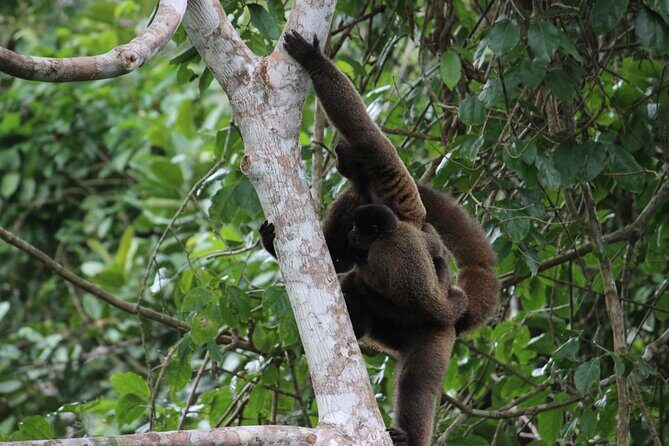
After the viewpoint, the plan shifts from views to sightings. As you drop into elfin forest and cloud forest, the focus turns to birds and mammals: the cock of the rock (Peru’s national bird), hummingbirds, trogons, spotted flycatchers, and woolly monkeys. You also get plant spotting—orchids, mosses, and ferns—which is often the difference between a good jungle day and a great one. Even if wildlife is quiet at a given moment, the forest itself is still doing something interesting.
Finally, you reach Pilcopata (700 masl) for the first lodge night. This is where you reset with shower time, dinner, and sleep so you can start early again tomorrow.
Practical consideration: Day 1 is around 9 hours of activity. If you’re prone to motion sickness or altitude sensitivity, this long first day can feel like a lot.
Day 2 on the Alto Madre de Dios River: turtles, birds, and night-walk energy
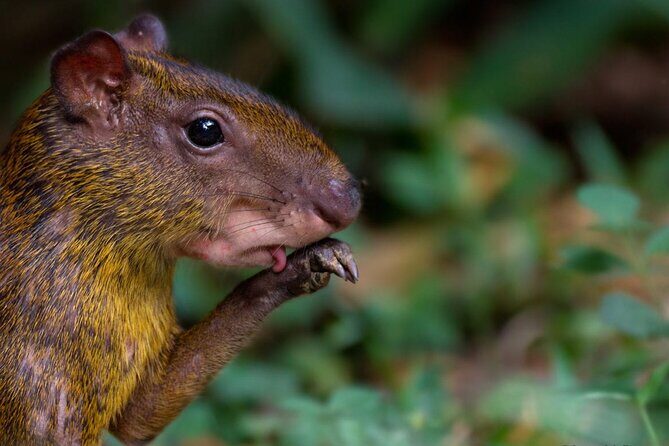
After breakfast, Day 2 heads toward Port Atalaya by private car (about 1.5 hours). You then board a motorized boat and begin navigating the Alto Madre de Dios River.
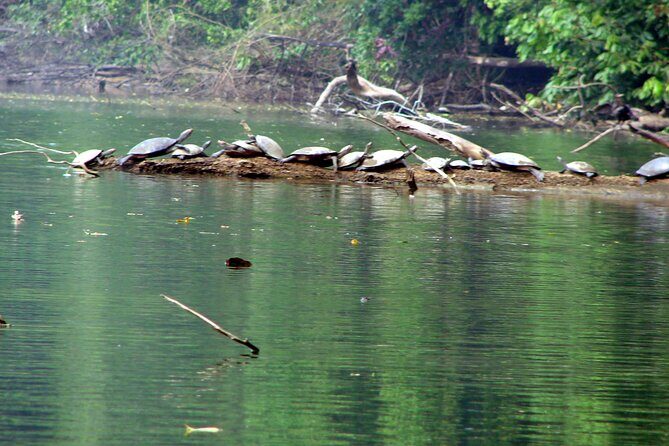
This part of the itinerary is built for repeat chances. Along the rocky riverbanks, you can have good opportunities for birds and also for reptiles like turtles and sunbathing lizards. Boat time helps because you’re not only hunting with your eyes—you’re also moving through the habitat where animals naturally travel.
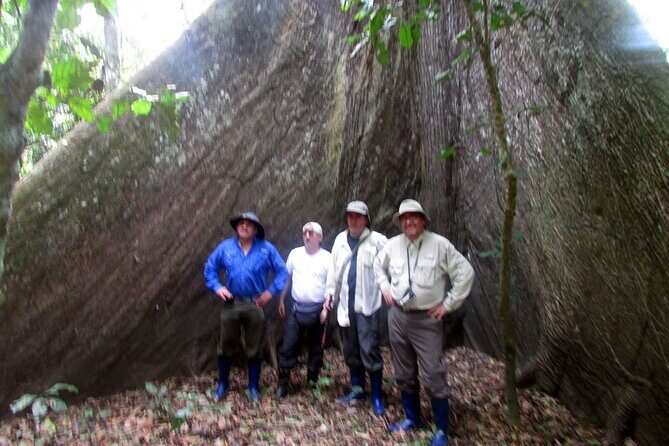
Once you reach the next lodge, the afternoon is a guided walk in the rainforest. The program leans heavily into biodiversity that you can actually notice: tarantulas, ants, butterflies, some monkey species, huge trees, palms, and lots of exotic plants. If you like learning what you’re seeing (instead of only hoping for a big cat), this kind of day structure tends to deliver.
After dinner, the tour does a night walk in the rainforest. That’s when you’re more likely to see nocturnal activity—monkeys, ants, frogs, insects, birds, and other night animals. Then you return to the lodge for sleep with toilets and showers available.
Practical consideration: Day 2 is also around 9 hours. The night walk means you won’t fully “wind down” until later, so plan to be okay with a full-day schedule.
Day 3: medicinal plants, early wildlife odds, optional zipline, and Machuwasi Lake
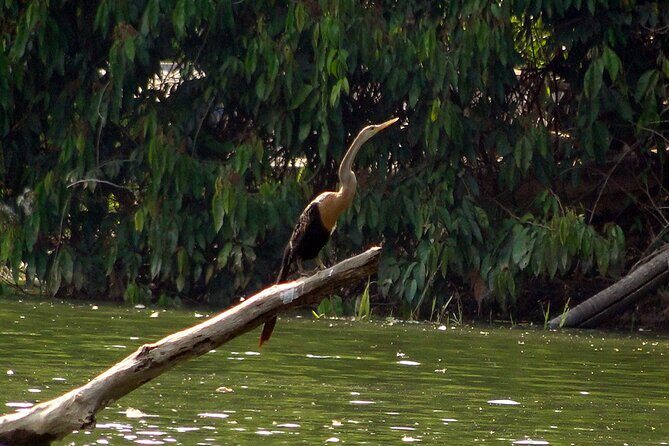
Day 3 starts very early, and the early start isn’t random. The itinerary is focused on deeper exploration of Manu’s endemic wildlife and plant life. You’ll also look at medicinal plants and how local native people use them to treat sicknesses.
This is one of the more thoughtful parts of the itinerary because it shifts you from pure sightseeing to understanding. Even when the big animals don’t show up, the plant and “why it’s used” knowledge can make the day stick.
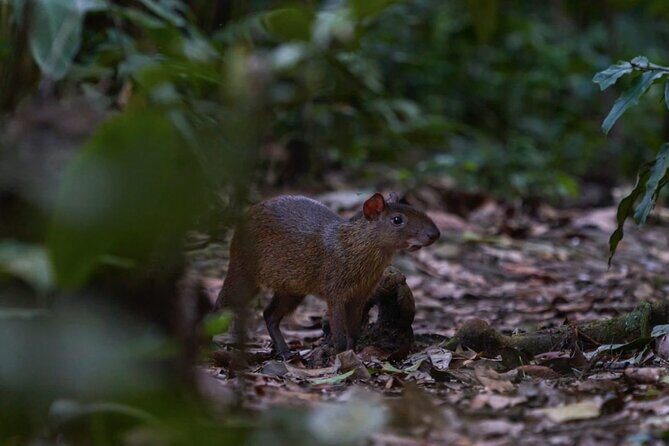
Wildlife chances are broad on paper—monkeys, wild boars, capybaras, anteaters, and potentially insects, snakes, and frogs. If you’re lucky, the guide is hoping for sightings of jaguars and pumas, which are obviously not guaranteed. The key is that your guide is looking and scanning at multiple times during the day, not just letting the hike happen passively.
Then it’s back to the lodge for lunch, a short break, and a refreshing bath. This is also where the tour offers an optional zipline adventure (described as full adrenaline). If you’re tempted by it, go in knowing it may add friction to the schedule—fun, but it can also be weather- and equipment-dependent.
In the afternoon, you go to Machuwasi Lake and explore it using a type of wood raft. Here the wildlife targets are more specific: the prehistoric-looking hoatzin, caimans, and capybaras. It’s a nice contrast to hiking because you’re moving across the water edge and watching from a different angle.
Dinner comes at the lodge, then there’s another night activity: a night activity by boat on the river. That’s another chance for nocturnal species and river-life behavior before you rest for the final day.
Practical consideration: this day includes more moving parts—early wildlife, optional zipline, lake raft, and a boat night. If you’re the kind of person who likes fewer transitions, you might want to mentally prep for a packed Day 3.
Day 4: the parrot and macaw clay lick and the return to Cusco
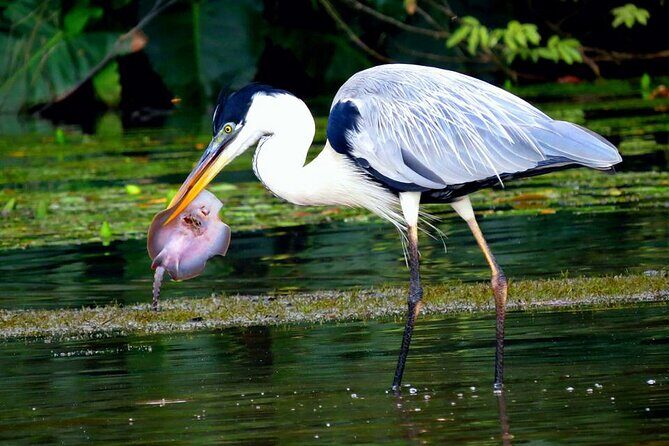
Day 4 begins with a short morning routine at the lodge, then you board a motorboat ride for about 10 minutes to reach the parrot and macaw clay lick. This is one of the most famous Amazon-style experiences on the itinerary because you’re watching animals gather to feed and interact around a known spot.
After the clay lick, you return to the lodge for breakfast. Then it’s time to go back to Cusco. You re-board the boat, stop at Port Atalaya, and transfer by private vehicle.
The return is described as arriving in Cusco between 7:00 and 7:30pm. That’s a long travel day, but at least it ends with a predictable arrival window.
You can also read our reviews of more tours and experiences in Cusco

Price and value: does $465 make sense for this 4-day Manu run?
At $465 per person, the big question is what you’re paying for. You’re not just buying access to a national park. You’re paying for:
- 3 nights in lodges
- guided wildlife time with a professional naturalist guide
- transportation including private land transfers and motorboat travel
- multiple meals: breakfasts, lunches, and dinners (with water/snacks mentioned), plus lunch/dinner coverage through most of the days
What’s not included matters too. You’re responsible for vaccinations (explicitly yellow fever) and bringing anti-malaria tablets. Drinks aren’t included beyond what’s listed (water is included with meals, but other drinks aren’t). Tips to local staff are also on you.
So the value comes down to whether the included structure matches what you want: wildlife-focused days, night activities, and guide-led interpretation. If you want a hands-off nature walk with minimal logistics, this price may feel steep. If you want the guide, the boats, the full program, and the clay lick, the total package is the point.
Comfort level, group size, and the stuff you should double-check
This trip is rated 4.7 overall from 9 reviews, which suggests most people are happy with the concept and execution. Still, I’d treat one or two operational details as worth confirming before you go.
Here are the three trip-breakers that matter most for your experience:
- Group size and van comfort: the tour sets a maximum of 10 travelers, but one report described a group that became larger than expected, leading to cramped transport and friction.
- Lodge hot water: showers and toilets are available, but one report said the lodge did not have hot water.
- Zipline reliability: zipline is listed as optional, but one report said the zipline wasn’t working.
None of that means the tour is automatically “bad.” It means you should ask clear questions before departure:
- Will the group stay at the stated max of 10?
- Is the zipline equipment ever unavailable, and what’s the backup plan?
- Do the lodges consistently have hot water, or is it sometimes limited?
Also note an additional logistics detail that can catch people by surprise: the trip includes an outboard boat day and then walking about 2 hours to reach your hostel for the night. So while “Most travelers can participate,” this isn’t a chair-lift version of the jungle.
Health and weather basics you can’t skip
This is where you need to be proactive.
The tour specifically requires:
- Yellow fever vaccination
- bringing anti-malaria tablets
And it needs good weather. If weather causes a cancellation, you’ll be offered another date or a full refund. That’s normal in the region, but it does mean you shouldn’t plan your tightest downstream connections based on this tour being the only “must happen” thing.
Who this Manu Jungle tour suits best
This works especially well if you:
- love animal variety and want both day and night wildlife time
- enjoy a guide who can talk about plants, habitats, and not just big animals
- don’t mind long days and early starts (5:00am departure is part of the deal)
- like boat travel as much as hiking
It might be less ideal if you:
- hate crowded vehicle rides and want guaranteed space in transit
- want consistent hot water every night
- plan your trip tightly around an optional activity like the zipline
Should you book Manu Peruvian Jungle for $465?
My take: I’d book it if you’re excited by the full Manu-style mix—cloud forest descents, river wildlife, night walks, and the clay lick finale—and you’re comfortable with jungle travel conditions. Confirm the group cap, ask about the zipline contingency, and check expectations for lodge amenities like hot water.
If those operational points are deal-breakers for you, look for a different operator or a version with smaller groups and clearer equipment guarantees. But if you’re flexible and want the classic mix of highland-to-lowland jungle experiences, this itinerary is built for exactly that.
FAQ
How long is the Manu Peruvian Jungle tour?
It’s listed as 4 days (approx.), and the daily program is described as about 9 hours per day.
What time do you start and where do you meet in Cusco?
The start time is 5:00am. The meeting point is Plaza de Armas Cusco, HotelPortal Mantas 114, Cusco 084 Peru.
Is pickup included?
Pickup is offered, and it says they wait in reception at your hostel (waiting in reception in your hostel).
What’s the group size limit?
The tour/activity has a maximum of 10 travelers.
What language is the tour offered in?
It’s offered in English.
What kind of transportation does the tour use?
You’ll use private vehicle land transportation and motorboat transportation (including outboard boat riding).
What meals are included?
Lunch and dinners are included, plus multiple breakfasts, lunches, and dinners during the lodge stay. Breakfast on the first day and dinner on the last day are listed as not included. Water and snacks are mentioned with meals.
Is there a vegetarian option?
Yes. A vegetarian option is available upon request for no extra cost.
What vaccinations and health items do I need?
The tour states you need to be vaccinated against yellow fever and bring some anti-malaria tablets.
Is the zipline included?
Zipline is described as optional on Day 3.
What if the tour is canceled due to weather?
It says the experience requires good weather. If it’s canceled due to poor weather, you’ll be offered a different date or a full refund.