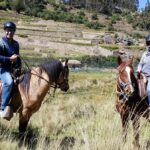
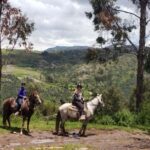
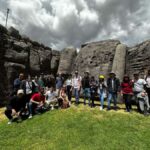
A horse trail can turn a normal day into something you remember. This full-day tour from Cusco takes you out to countryside Inca sites you’d struggle to reach on foot, with a guide who helps you connect what you’re seeing to how the Andes worked. I especially liked the mix of multiple archaeological stops in a single, well-paced ride, plus the comfort perks like helmets, water, and a box lunch. The one thing to keep in mind is the 200-pound (90-kilo) weight limit, which may affect who can ride comfortably.
This is a 6-hour outing that starts at 9:00am, with a hotel pickup and drop-off so you’re not hunting down the ranch. You’ll also want to plan around weather, because this experience depends on good conditions in the mountains. If you’re flexible and want an active way to learn, it’s a very solid value for Cusco.
In This Review
- Key highlights worth your attention
- Why Horseback Makes Cusco’s Outskirts Feel Different
- The 9:00am Start and the Ranch Being Close to Cusco
- Inkilltambo Huaca: Carved Rocks, Passageways, and Water-Era Details
- Laqo (Cusco Moon Temple): A Site With Stories You Can’t Ignore
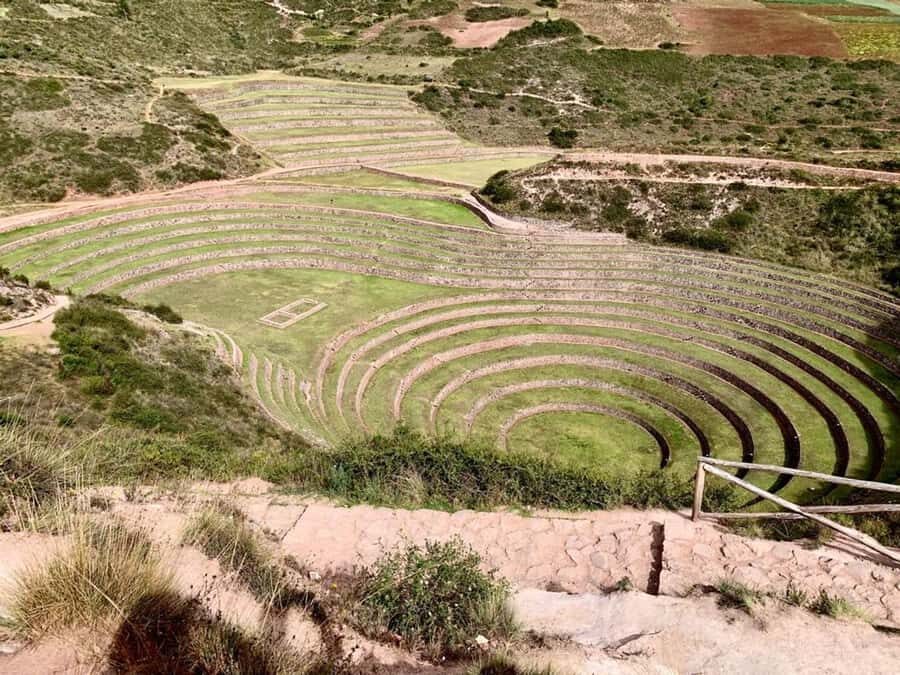
- Kallachaka by Wayllarcocha Wetland: Spotting Inca Canalization Remains
- Horses, Helmets, and Safety: What’s Included (and What to Watch)
- Box Lunch and Water: Keeping the Ride Comfortable
- Price and Value: Is $195 Reasonable for This Day?
- Who Should Book This Horseback Inca Temples Tour?
- Should You Book Hidden Inca Temples on Horseback?
- FAQ
- How long is the Hidden Inca Temples horseback tour?
- What time does the tour start?
- Where does the tour take place?
- How much does it cost?
- What’s included in the price?
- What Inca sites will I visit?
- Are admission tickets included?
- Is there a weight limit?
- What happens if the weather is poor?
- How big is the group?
Key highlights worth your attention
- Hotel-to-ranch private transfer keeps the logistics painless
- Well-cared horses and helmets for a safer, more comfortable ride
- Inkilltambo’s huaca features like carved rocks, narrow passageways, enclosures, fountains, staircases, and canals
- Laqo (Temple of the Moon) includes the story of eight children found at the site
- Kallachaka and Wayllarcocha wetland setting plus remnants of Inca canalization you can actually spot
- Small group size (max 15) helps the guide keep things moving and clear
Why Horseback Makes Cusco’s Outskirts Feel Different
Cusco is great on foot, but it can also feel like you’re bouncing between the same few highlights. Horseback changes the rhythm. You get time on trails out in the countryside, which means the sites you visit don’t feel like checkboxes on a crowded circuit.
I like that the tour doesn’t just throw you onto a horse and hope for the best. You’re there to learn: your guide explains what each stop was used for, and how the layout, stones, and water features fit together. That turns ruins into something you can reason through, not just stare at for a few minutes.
The other big win is access. Some archaeological areas around Cusco are simply harder to reach without transport. This tour solves that by starting near the city and then moving into the outskirts on horseback.
You can also read our reviews of more tours and experiences in Cusco
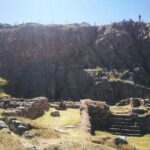
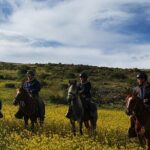
The 9:00am Start and the Ranch Being Close to Cusco
You’ll start at 9:00am, and the ranch is only about 20 minutes from Cusco city. That matters more than it sounds. A short transfer means you spend more of your limited time on the ride and the sites, not on transit and waiting.
The day is structured for an easy flow: hotel pickup, then time at multiple Inca spots, then you return to your hotel after about 6 hours total. With a small group of up to 15 travelers, it’s also less chaotic than the big-bus style tours.
If you like a clear schedule (and who doesn’t after landing in altitude), this one feels organized without being rushed.
Inkilltambo Huaca: Carved Rocks, Passageways, and Water-Era Details
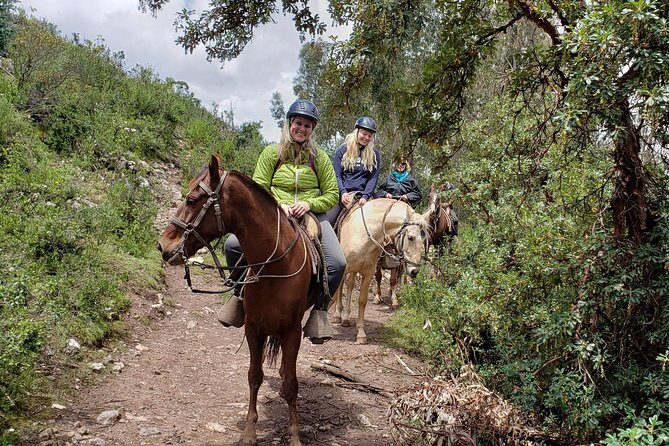
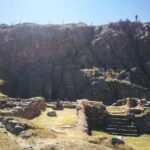
Stop 1 is Inkilltambo, an Inca ceremonial huaca tied to the period of Inca ruler Wiracocha. What I find most interesting here is that the site isn’t one simple platform—it has a lot of different built elements that suggest daily or ritual movement through the space.
You can look for carved rocks connected to narrow passageways, plus rectangular enclosures, platforms, fountains, staircases, and canals from the pre-Hispanic era. It’s the kind of place where a guide helps you slow down. Otherwise, it’s easy to miss the logic of how the different features relate.
This stop is about 20 minutes, and it’s also marked as free admission. Short visits like this can be a plus on horseback tours: you get the essentials without losing the momentum that makes the day work.
Practical tip: Inca stonework rewards close attention. If you can, take a moment before the ride continues to scan the site for how paths and water elements might have directed movement.
Laqo (Cusco Moon Temple): A Site With Stories You Can’t Ignore
Stop 2 is the Cusco Moon Temple, also known by its original name, Laqo. This is one of those archaeological locations where the setting feels quiet, but the meaning carries weight.
The site became especially known after archaeologists found the bodies of eight children here, which may relate to Inca-era sacrifice practices. The details matter: the children could have been servants or Capac Qochas connected to Amaro Topa Inca—described in the tour context as Pachacuteq’s offspring and Tupac Yupanqui’s brother.
What you do with that information is up to you. For me, the value is that your guide doesn’t treat the site like a photo spot. You learn how Inca rulers used ritual and astronomy-linked symbolism, and why “Moon Temple” isn’t just a catchy label.
This stop is included in admission, and it also runs about 20 minutes. It’s a strong contrast to the more “architectural” feel of places like Inkilltambo.
Consideration: This stop is emotionally heavy. If you prefer lighter cultural stops, you might want to mentally prepare for that shift during the day.
Kallachaka by Wayllarcocha Wetland: Spotting Inca Canalization Remains
Stop 3 brings you to the area around Sacsayhuaman, tied to Kallachaka and the wetland of Wayllarcocha. The adventure starts in that landscape, and it’s a reminder that Inca engineering wasn’t only about temples. It was also about managing water.
Here, you can potentially see remnants of a polygonal platform linked to the canalization of the Inkilltambo River. The tour framing also connects these features to other Inca sites in the northwest outskirts of Cusco, including Chuspiyoc, Kallachaka Choqekiraw, and Pukyo.
This is a stop where timing and attention really help. You’ll have about 20 minutes here too, and the “hidden” part is literal: you’re looking for traces of water systems rather than a single dramatic monument.
Admission is free for this stop as well. That’s a nice bonus if you’re trying to keep total costs under control.
Practical note: Wetland areas can feel cooler and damper. If you’ve got poncho-ready habits from other Andes outings, you’ll probably be glad you brought them.
You can also read our reviews of more tours and experiences in Cusco



Horses, Helmets, and Safety: What’s Included (and What to Watch)
The tour includes well cared horses and helmets, along with safety equipment. That’s your baseline for a day where you’re moving through uneven countryside rather than along a flat sidewalk.
You also get a professional tour guide, which is the other half of safety. Riding comfort depends on how well a guide matches the route and pace to the group.
One non-negotiable detail: there’s a weight limit of 200 pounds (90 kilos). If you’re close to that number, it’s worth taking seriously since it affects who can ride at all.
The tour is small, with a max of 15 travelers. In a riding context, smaller groups can mean clearer instructions and fewer bottlenecks at the start and during transitions between stops.
Also worth noting: service animals are allowed, and the meeting point is near public transportation. That can matter if you’re not staying right near the pickup zone.
Box Lunch and Water: Keeping the Ride Comfortable
You’ll get a box lunch, plus water. For a 6-hour day, that’s a big deal. Cusco can be tiring, and skipping food or trying to find a place to eat between sites can throw off your energy and mood fast.
The lunch isn’t described in detail, so don’t plan on gourmet—just plan on practical fuel. And with water provided, you’re not stuck budgeting for hydration mid-activity.
Since stops are short (around 20 minutes each), the day likely flows with riding time in between. That makes the packed meal useful: it helps you keep a steady pace rather than stopping too long when the day already has moving parts.
Price and Value: Is $195 Reasonable for This Day?
At $195 per person for about 6 hours, this isn’t a bargain-basement activity. But it also isn’t just “rent a horse and go.”
What you’re paying for in real terms:
- Guided visits to multiple sites (Inkilltambo, Laqo/Cusco Moon Temple, and Kallachaka/area near Sacsayhuaman)
- Hotel-to-ranch private transfer so you avoid finding the ranch on your own
- Well cared horses and helmets
- Box lunch and water
When you compare that to the cost of separate transport plus multiple admission fees (and the time cost of trying to do it independently), it starts to make sense. The day is built to solve problems that most people run into in Cusco: getting to the outskirts, finding the right sites, and doing it with enough comfort to enjoy it.
Admission details also help the math. Inkilltambo and Kallachaka are free, while the Cusco Moon Temple (Laqo) has admission included. That means you’re not hit with unexpected entry costs at every stop.
Who Should Book This Horseback Inca Temples Tour?
This tour fits best if you want a mix of learning and movement. If you like history but also hate spending an entire day walking, horseback gives you a better balance.
It also works well for:
- People who want off-the-beaten-path sites around Cusco without the stress of planning
- Friends and couples who enjoy guided explanations, not just free-roaming
- Anyone who wants a small-group experience (max 15)
It might not be ideal if:
- You’re sensitive to emotionally heavy subject matter (the Laqo stop involves the story of eight children)
- You’re over the 200-pound (90-kilo) weight limit
- Weather is a major concern for your schedule. The experience requires good weather, so plan with flexibility.
If you’re the type who loves connecting architecture and water systems—like canal remains and platforms—you’ll likely enjoy the third stop the most.
Should You Book Hidden Inca Temples on Horseback?
I’d book it if you want a day that combines comfort, small-group guiding, and archaeological stops that feel more “local outskirts” than “main street Cusco.” The strongest pull is practical: horseback gets you to places you’d probably skip on foot, and the guide helps you understand what you’re seeing instead of just collecting snapshots.
If you do book, here’s how to set yourself up for a great day:
- Come ready for a real 6-hour outing, not a quick half-day.
- Pay attention to the weight limit so the day stays safe and enjoyable.
- Mentally brace for the tone shift at Laqo, then let the rest of the ride bring you back to calmer ground.
Given the consistently top rating (5 out of 5 across 17 prior bookings), this is the kind of tour that tends to deliver what it promises: a guided, countryside horseback day around Cusco’s lesser-seen Inca places.
FAQ
How long is the Hidden Inca Temples horseback tour?
It runs about 6 hours.
What time does the tour start?
The start time is 9:00am.
Where does the tour take place?
The tour is based in Cusco, Peru.
How much does it cost?
The price is $195 per person.
What’s included in the price?
You get a professional tour guide, private transfer from your hotel to the ranch and back, well cared horses, helmets, a box lunch, and water.
What Inca sites will I visit?
You’ll visit Inkilltambo, the Cusco Moon Temple (Laqo), and the Kallachaka area near Sacsayhuaman/Wayllarcocha.
Are admission tickets included?
Inkilltambo and the Kallachaka-area stop are free. Admission for the Cusco Moon Temple (Laqo) is included.
Is there a weight limit?
Yes. The weight limit is 200 pounds or 90 kilos.
What happens if the weather is poor?
This experience requires good weather. If it’s canceled due to poor weather, you’ll be offered another date or a full refund.
How big is the group?
The tour has a maximum of 15 travelers.