REVIEW · CUSCO
4-Day Machu Picchu with Biking, Inca Trail, Rafting and Ziplining from Cusco
Book on Viator →Operated by inca machu picchu tours · Bookable on Viator
One tour hits four adventure highs. This Cusco-based ride strings together bike descent from Abra Málaga and a guided Machu Picchu sunrise visit, with the Sacred Valley and jungle packed into just 4 days. I also like how the day-to-day logistics are handled for you: hotel pickup, planned transfers, and meals so you’re not constantly hunting for food or buses.
Two things I really value here are the mix of adrenaline and “real Peru” moments, not just check-the-box sightseeing. The guide guidance from David in the reviews sets the tone—clear info, good pacing, and a lot of context along the way—so the trip feels more like a journey than a relay race. One consideration: you’ll want to budget for add-ons you handle separately, like the bus up to Machu Picchu and optional mountain time.
In This Review
- Quick hits before you go
- A 4-day route that actually earns the hype
- Cusco pickup and Abra Málaga: where the biking day starts to feel real
- What to watch for
- Santa María rafting: jungle fun with real safety structure
- Inca Trail-style trekking: coffee in the clouds, hammocks in Quellomayo
- Cocalmayo hot springs: the recovery day you didn’t know you needed
- Ziplining near Aguas Calientes and the Hidroeléctrica-to-town walk
- Machu Picchu sunrise, Huayna Picchu time, then your guided circuit
- The bus up to Machu Picchu costs extra
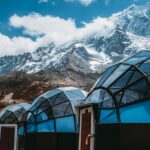
- Lodging and meals: the part that protects your energy
- Price and value: what $492 really buys you
- Who should book this, and who should consider a lighter option
- Should you book this adventure route?
- FAQ
- What time does the tour start?
- How fit do I need to be?
- Are meals included?
- Is the Machu Picchu entrance included?
- Do I need to pay extra for the trip from Aguas Calientes to Machu Picchu?
- Is the Huayna Picchu climb included in the guided tour?
Quick hits before you go
- Abra Málaga biking at 4,350 meters: a big start followed by a long downhill ride into the jungle.
- Inca Trail connection: you join the original trail for a chunk of trekking, not just scenic hiking.
- Cocalmayo hot springs in Santa Teresa: warm-water reset after active walking.
- Ziplining plus a suspension bridge: built-in variety around Aguas Calientes.
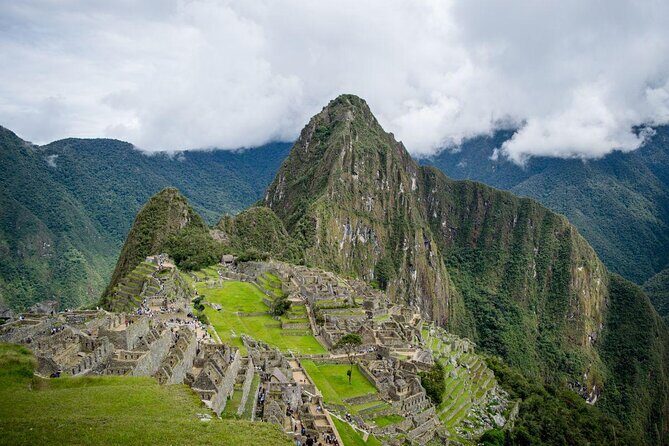
- Machu Picchu with sunrise timing: you’re on-site early, then get a guided circuit plus free exploration.
A 4-day route that actually earns the hype
This isn’t a slow “see the sights” itinerary. It’s an active, carefully sequenced route: high pass biking, jungle trekking, rafting, ziplining, and then Machu Picchu—done with enough support that you can focus on enjoying it.
The payoff is that your days feel different from each other. You’re moving from Andean altitude to humid jungle, then back up to one of the world’s most famous historic sites. For value, that matters: you’re paying once for transportation, guides, most meals, and entry fees that would otherwise cost you time and money.
You can also read our reviews of more cycling tours in Cusco
Cusco pickup and Abra Málaga: where the biking day starts to feel real
You’ll get picked up around 6:30am to 7:00am and head toward the Sacred Valley. First stop: Cusco Cathedral area transfer logistics, then a ride to Ollantaytambo where you get a quick chance to grab what you forgot—water, snacks, sunscreen, repellent, and the usual road-trip essentials.
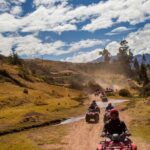
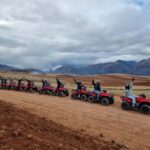
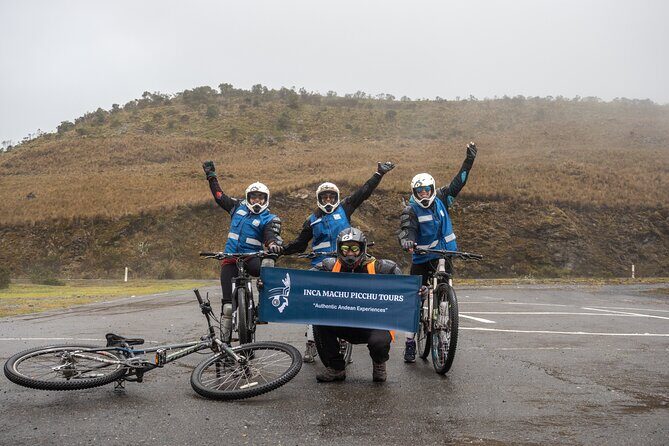
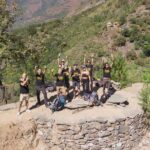
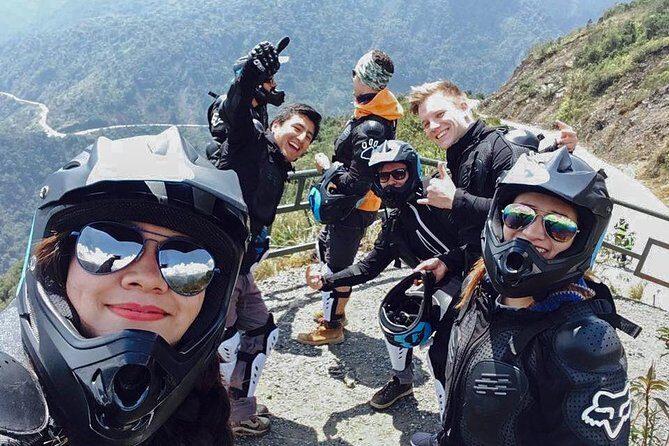
From there, the big moment: continuing to Abra Málaga (4,350 meters). After a safety briefing, you start the downhill bike ride. This is the kind of day where being mentally ready helps. At altitude, even getting going can feel intense; the payoff is that the biking is timed so you can enjoy the descent without the day feeling like pure suffering.
On the way down, you’ll pass the Huamanmarka Archaeological site. Even if you don’t spend long there, it adds a “this is not just a thrill ride” layer. You’re biking through a living region with deep cultural roots.
What to watch for
Bring the right basics: breathable layers, sunscreen, and something for early-morning chill. Also, don’t underestimate how long 2.5 hours on a bike can feel when you’re also adjusting from a high pass.
Santa María rafting: jungle fun with real safety structure
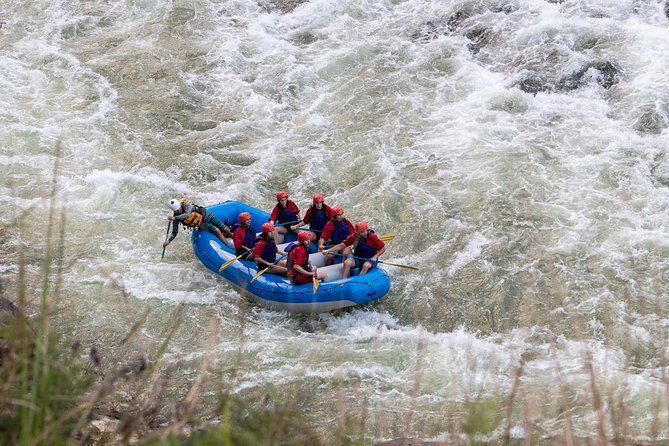
You’ll arrive around 2:30pm in the Santa María area after the bike ride. After lunch, you transfer to the rafting base/camp, where the rafting activity begins with a briefing and safety gear: helmets and life jackets.
This part works well because it breaks up the day after biking. Your body gets movement in a different way—core control and balance on a raft instead of legs pushing pedals. You also get the sense of being in the jungle, not just passing through it.
The rafting is described as a highlight in the feedback, and it’s paired with a side-visit feel—like time that includes waterfall views rather than only “go, paddle, repeat.” You end the day meeting back with the group for dinner and your first night surrounded by vegetation, with the jungle sound doing the soundtrack.
Inca Trail-style trekking: coffee in the clouds, hammocks in Quellomayo
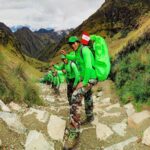
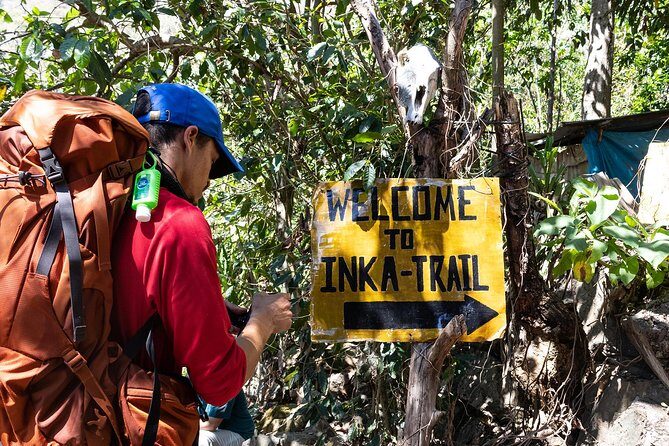
Day 2 starts with breakfast around 7am, plus coffee that’s described as homemade and brewed in the jungle. Then trekking begins about 8am, and after roughly 30–40 minutes you join the original Inca Trail.
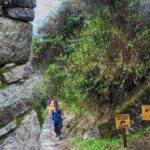
That detail matters. You’re not just walking a vague “Inca-inspired” path. You get the feeling of stepping into an older route system, with the trail context handled by your guide so it doesn’t turn into just “random steps for hours.”
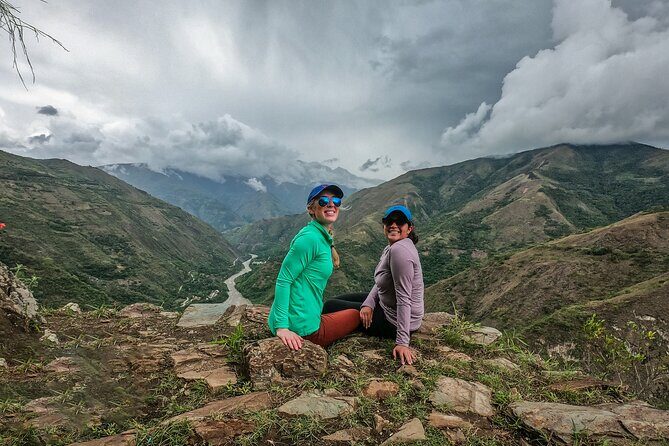
Around 2.5 hours in, you reach Quellomayo village for lunch. This is also where you get downtime: resting in hammocks to recharge. It’s a smart design choice for an active day because it changes the pace and helps you reset before the longer final stretch.
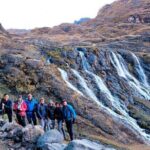
After the break, the trek continues for about 3 hours, crossing a mix of farms, waterfalls, and rivers. One crossing includes a cable car—a practical way to handle a geographic obstacle without losing the entire afternoon to detours. By around 4pm, you reach Cocalmayo, known as hot springs in Santa Teresa.
You can also read our reviews of more tours and experiences in Cusco
Cocalmayo hot springs: the recovery day you didn’t know you needed
You can soak in several hot springs with different temperatures. That’s not just a comfort perk; it’s functional. After biking and trekking, warm water helps you feel human again.
Note: the entrance for Cocalmayo hot springs isn’t included (listed at s/10.00). Plan to bring some cash for that small but real add-on.
After the springs, you walk about 40 minutes to Santa Teresa for the night. If you prefer to skip that last stretch, taxis exist, but they’re not included.
Ziplining near Aguas Calientes and the Hidroeléctrica-to-town walk
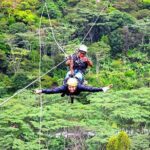
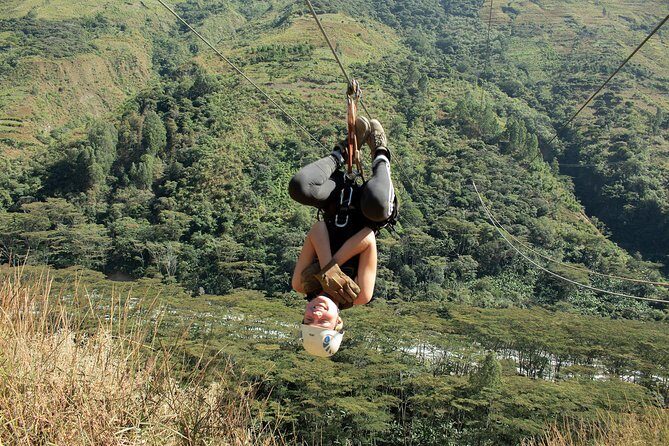
Breakfast on Day 3 is around 7am, then you head to the zipline area. This isn’t only a set of lines. You’ll do different routes, cross a suspension bridge, and even include light rock climbing. It’s a nice mix if you want adrenaline but also want some variety beyond “sit in a harness and go.”
Then you’ll transfer by bus to Hidroeléctrica, where lunch is included. After relaxing there, you continue on the route toward Aguas Calientes on foot for about 3 hours. The walk is described alongside waterfalls, wildlife, and the Urubamba River, which gives you a more scenic (and frankly more memorable) approach than just taking transport the whole way.
When you arrive in Aguas Calientes, you share dinner at a local restaurant and get a briefing about the next day’s Machu Picchu outing. After that, you get free time to explore the town.
This part of the itinerary matters more than it sounds. Aguas Calientes is where your Machu Picchu day will feel both close and hectic. Having time the evening before helps you show up better prepared—hydrated, organized, and not rushing.
Machu Picchu sunrise, Huayna Picchu time, then your guided circuit
Day 4 starts very early. You’ll have breakfast at the hotel and then take the bus up toward Machu Picchu. The ride is described as about 25 minutes of ascent, then you’re positioned to catch sunrise.
You get a brief intro focused on the history and architecture of the citadel, and you’ll also learn context around why Machu Picchu is one of the Seven Wonders of the World. Then comes the big mountain choice: Huayna Picchu.
The itinerary suggests about 1.5 hours to climb Huayna Picchu, with the reward described as clouds and dramatic views. One important detail: the guided tour does not include Huayna Picchu or the mountain Machu Picchu climb as part of the formal guide commentary. Practically, that means you handle that mountain portion on your own as a viewpoint timing block for photos and views, then return for the guided circuit.
After you come back down, that’s when the guided tour starts. You’ll cover constructions and temples, plus the natural setting around the site. Once the guided portion ends, you’ll have time to explore on your own.
In the afternoon, you return to Aguas Calientes for lunch/rest (lunch is included only in earlier days; the last day’s lunch isn’t listed as included, so count on buying it locally). Then you take the train and bus back to Cusco.
The bus up to Machu Picchu costs extra
The tour includes entrance to Machu Picchu, but the up/down bus from Aguas Calientes to Machu Picchu is not included and is listed at +24 USD per person. You’ll also want to confirm what your ticket covers locally when you arrive.
Lodging and meals: the part that protects your energy
I like itineraries where food and sleep aren’t treated like an afterthought. Here, you get three dinners, three lunches, and three breakfasts across the trip.
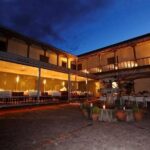
Lodging is split into three different settings, which makes sense given the route:
- 1 night local lodge (Pispitayoc), shared room
- 1 night hostel in Santa Teresa with Wi-Fi and hot water
- 1 night hostel in Aguas Calientes with private bathrooms and hot water
That combination gives you recovery in the right place without forcing you to bounce back to Cusco every day. It also means you spend the “active” nights closer to where the next day begins—so you don’t lose daylight and energy to long transfers.
One practical note: lunch and dinner on the last day aren’t included. So bring some cash/card plan for food in Aguas Calientes after Machu Picchu.
Price and value: what $492 really buys you
At $492 per person (for about 4 days), the key value is what’s bundled:
- Machu Picchu entrance
- Train from Aguas Calientes to Ollantaytambo
- Bus from Ollantaytambo to Cusco
- Professional bilingual guide (English/Spanish)
- Mountain bikes, helmets, and gloves
- Biking, rafting, and ziplining activities
- Hotel pickup and drop-off
- Three breakfasts, three lunches, three dinners
- Lodging for three nights
If you were to piece these things together yourself—especially Machu Picchu entrance, train timing, and guided activities—it’s easy for costs to add up fast. The tour also reduces the mental load. You show up, and the chain of transport and timing mostly holds together.
The extras you should budget for are clearly listed:
- Machu Picchu bus up/down (+24 USD per person)
- Cocalmayo hot springs entrance (s/10.00)
- Anything you choose to do around Huayna Picchu/mountain viewpoints on your own schedule
Who should book this, and who should consider a lighter option
This suits you if you want a one-trip sampler of the region: Andean heights, jungle adventure, and Machu Picchu in the same loop. The fitness requirement is listed as moderate physical fitness, and the itinerary includes biking, multi-hour trekking segments, a raft day, and ziplining.
It might be less ideal if:
- you want a mostly gentle day plan
- you dislike early starts (meeting is 6:30am)
- you’re not comfortable with altitude for the biking pass and the Machu Picchu sunrise timing
- you prefer lots of free unscheduled time (this route is packed)
The group size is up to 15 travelers, which often helps with coordination on packed days and keeps you from feeling lost in a huge crowd.
Should you book this adventure route?
I’d book it if you want maximum variety without spending your trip running errands. The structure is strong: you get guided context, active days with safety gear, and lodging/meal coverage that helps you stay functional for Machu Picchu.
But book with eyes open:
- You’ll handle some extra costs on your own, especially the bus up to Machu Picchu.
- The itinerary is active, so if you’re injury-prone or want an easy pace, you might feel worn by Day 2.
- Weather matters. If conditions cancel the experience, you’re offered a different date or a full refund, but the trip is non-refundable and cannot be changed.
If you want one ticket that turns Cusco into biking, jungle trekking, rafting, ziplining, and Machu Picchu sunrise, this is a strong match.
FAQ
What time does the tour start?
The meeting time is 6:30am.
How fit do I need to be?
You should have moderate physical fitness. The route includes biking, trekking, and other active segments.
Are meals included?
Yes. The tour includes breakfast (3), lunch (3), and dinner (3). On the last day, lunch and dinner are not included.
Is the Machu Picchu entrance included?
Yes. Entrance to Machu Picchu is included.
Do I need to pay extra for the trip from Aguas Calientes to Machu Picchu?
Yes. The bus up or down from Aguas Calientes to Machu Picchu is not included and is listed at +24 USD per person.
Is the Huayna Picchu climb included in the guided tour?
The itinerary notes that the guided tour does not include Huayna Picchu (or the Machu Picchu mountain viewpoint). You go on your own as a viewpoint/photo time block.