REVIEW · CUSCO
3 Day Sacred Valley And Short Inca Trail to Machupicchu
Book on Viator →Operated by Machupicchu Latin America · Bookable on Viator
One big payoff fast: Sacred Valley and Machu Picchu in just three days. I love the small group of eight feel plus the professional guided approach, and I especially like the Sun Gate first view moment that sets up Machu Picchu in your mind. The main catch is the hike day: even though it’s marketed as an easier trek, it’s mostly uphill with lots of steps, so you’ll want decent fitness and smart pacing.
This tour also ticks the practical boxes that matter in Peru. Hotel pickup and drop-off from Cusco make the first day less stressful, and you’re not left figuring out train and bus connections on your own. Just know there are some meals not included on Day 1 and Day 3, so budget a little extra for lunch.
In This Review
- Key highlights to look forward to
- Sacred Valley, then Inca Trail, then Machu Picchu: the smart “3-day” formula
- Cusco morning pickup and Sacred Valley stops you’ll actually remember
- Manos De La Comunidad: animals and textiles without the rush
- Pisac: market time plus Inca agricultural engineering
- Urubamba lunch: a real meal, but not included
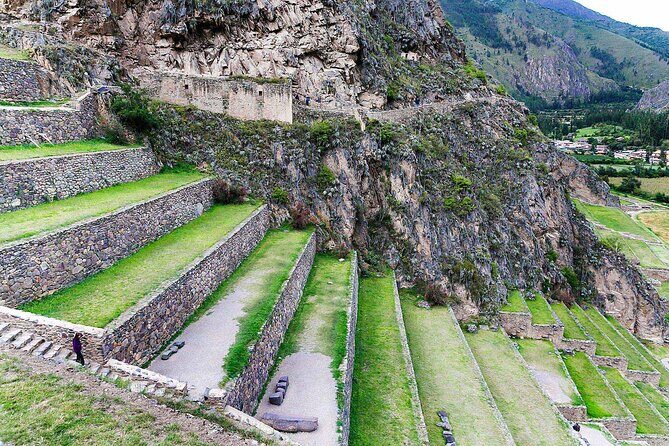
- Ollantaytambo: the Wiracocha rock formation stop
- Train to Km 104: where the short Inca Trail begins
- Chachabamba: water channels at about 2,050 m
- Wiñay Wayna and Intipuncu: the uphill day you should plan for
- Wiñay Wayna: terraces, religious and urban sectors, boxed lunch
- Intipuncu (Sun Gate): your first Machu Picchu view
- Late-day move to Aguas Calientes: you don’t enter Machu Picchu yet
- Aguas Calientes overnight: where convenience beats rushing
- Machu Picchu Day: guided meaning, then your own free time
- The bus up and the early start advantage
- Lunch and souvenirs in town after your visit
- Price and value: what $799 buys, and what costs extra
- Guide names and the small-group advantage (Luis and Juan)
- Who should book this short Inca Trail plus Sacred Valley tour
- Should you book this tour?
- FAQ
- FAQ
- How long is the tour?
- What’s the price per person?
- Is hotel pickup included?
- What group size is this tour?
- Is the tour offered in English?
- What transport is included for Machu Picchu?
- Is the Machu Picchu visit guided?
- Are lunches included on all days?
- What’s the physical requirement for the hike?
- What ages is the tour suitable for?
- Can the booking be changed or refunded?
- Is it worth upgrading to Vistadome train class?
Key highlights to look forward to
- Small group max 8: easier conversations with your English-speaking guide and less time waiting around
- Sacred Valley flow: Pisac market views, then Ollantaytambo’s Inca stonework
- Short Inca Trail pacing: ~8 km and about 4 hours, with lots of stairs but a well-established route
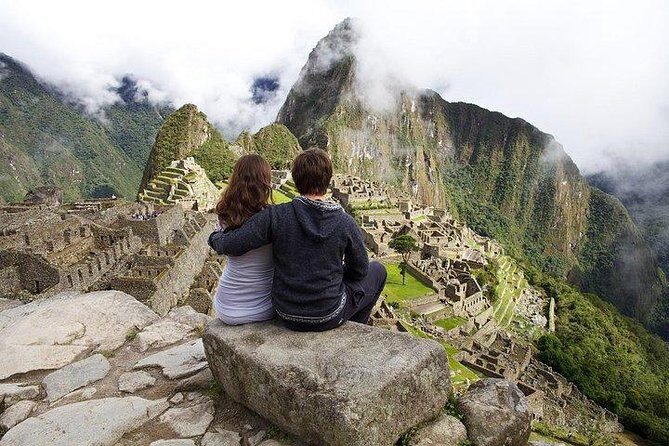
- Sun Gate view setup: Intipuncu brings your first dramatic look at Machu Picchu
- Overnight in Aguas Calientes: early start next morning, plus time to wander and eat
- Guided Machu Picchu entry: learn the meaning, then add your own free time for photos
Sacred Valley, then Inca Trail, then Machu Picchu: the smart “3-day” formula
You don’t have time for a slow-burn itinerary on this one, and that’s the point. Day 1 gives you a strong Sacred Valley foundation—markets, Inca sites, and the kind of context that makes Machu Picchu feel more like a living place than a postcard. Day 2 earns your Machu Picchu day with a hike and those high, classic Inca viewpoints.
If you care about value, this works because the big logistics are handled for you: train, bus, hotel pickup, entrance fees, and guide time. You’re paying for reduced stress plus a tight schedule that still includes the most iconic moments.
The tradeoff is that you’ll be moving. Plan for early mornings, long travel days, and a day-2 hike that’s physically demanding even if it’s “short.”
You can also read our reviews of more tours and experiences in Cusco

Cusco morning pickup and Sacred Valley stops you’ll actually remember
Your day starts with pickup from your Cusco (or Sacred Valley) hotel between 7:30 and 8:00 am. The route passes by Sacsayhuaman and Puca Pucara on the way out, so you start seeing the Cusco region’s Inca footprint right away.
Manos De La Comunidad: animals and textiles without the rush
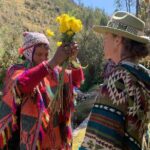
The first stop is Manos De La Comunidad, about 20 minutes and free. You get to see llamas, alpacas, and vicuñas, plus how local textile work connects to daily life. It’s a simple stop, but it pays off later when you see how Inca agriculture, trade, and clothing were all intertwined.
This is also a good “reset” moment after pickup: you stretch your legs, get oriented, and avoid feeling like you’re going straight from Cusco to heavy ruins.
Pisac: market time plus Inca agricultural engineering
Next comes Pisac, where you descend roughly 1,500 feet toward the Sacred Valley and arrive at the village market. You’ll have time to interact with locals and pick up souvenirs. Then you drive up to the Inca site for views over the valley and a chance to learn about temples, residences, altars, and water channels.
What I like here is that Pisac isn’t just “look at rocks.” You’re given a guided lens for how the Incas managed agriculture and water—details that help you understand why Machu Picchu sits where it does.
Urubamba lunch: a real meal, but not included
You’ll stop in Urubamba for a buffet lunch, around 1 hour, but that lunch is not included. This matters because it can change the budget and your energy levels. If you’re the kind of person who gets hungry on long drives, eat well here so Day 2 feels more manageable.




Ollantaytambo: the Wiracocha rock formation stop
After lunch, you continue to Ollantaytambo. You get about 45 minutes at this major Inca site—an extraordinary citadel with major stone constructions and a rock formation representing the Inca god Wiracocha.
Ollantaytambo is also strategically placed for the next day’s train plan, so it’s more than a history stop. It helps the itinerary feel connected instead of random.
Train to Km 104: where the short Inca Trail begins
Day 2 starts earlier than you want, but it’s the only way to do this route well. After breakfast, you’re picked up around 5:30 am and transferred to the train station. The train leaves at 6:00 am, then runs about 1.5 hours to Kilometer 104, the start point of the hike.
This train leg is part scenic transfer, part acclimatization buffer. You gain time, you avoid backtracking, and you’re not immediately thrown into altitude stress.
Chachabamba: water channels at about 2,050 m
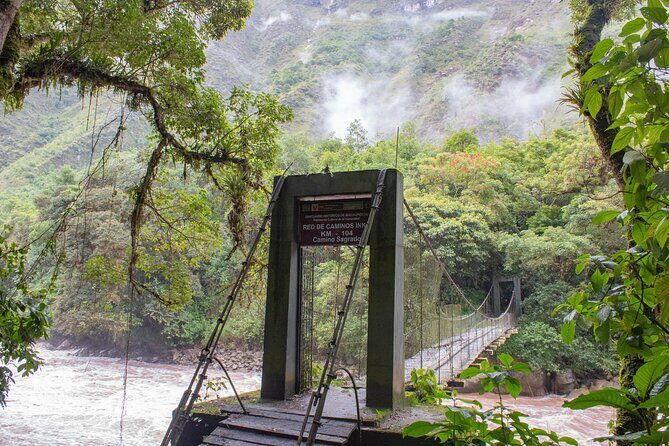
Right after crossing the Rio Urubamba bridge, you visit Chachabamba, a ruin with water channels and fountains. It’s a short stop (about 20 minutes) at around 2,050 m, and entrance is included.
If you like your Inca sites to have function as well as form, Chachabamba is a solid warm-up. It’s easy to see how engineering worked here, and it gives you something to look for later on the hike.
Wiñay Wayna and Intipuncu: the uphill day you should plan for
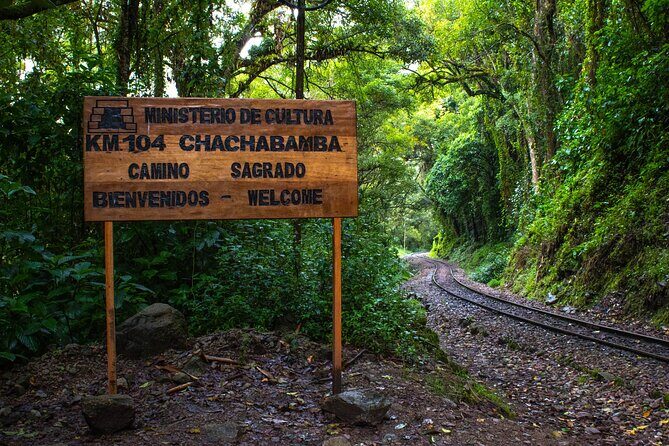
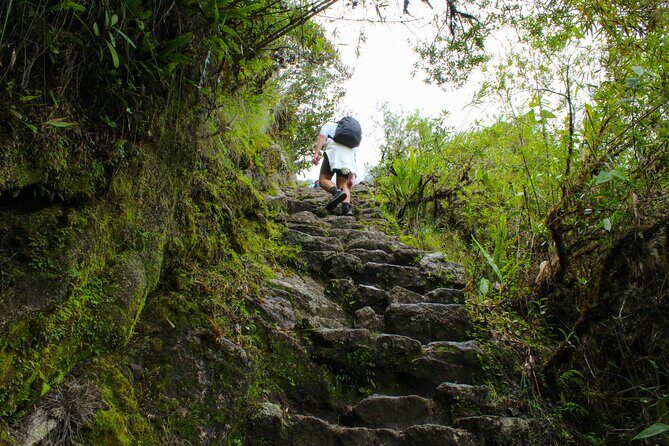
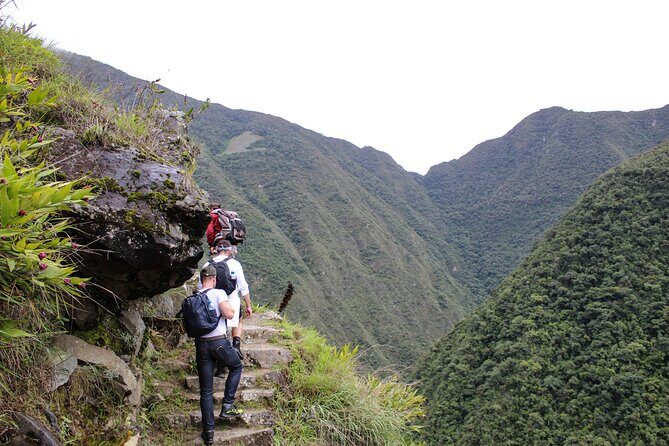
From Chachabamba, the hike is about 8 km and takes around 4 hours. The route is described as well established, but it’s still mostly upward and includes many stairs. Even if you’re fit, this is the day to take seriously.
A big altitude factor shows up here. You’ll climb to Wiñay Wayna at about 2,680 m, and then continue toward Intipuncu (Sun Gate) around 2,730 m.
Wiñay Wayna: terraces, religious and urban sectors, boxed lunch
You’ll arrive at Wiñay Wayna (meaning Forever Young). It’s an impressive complex with agricultural terraces, plus religious and urban sectors. You’ll spend about 30 minutes, and you’ll have a boxed lunch included at the site.
This is one of the places where the trail feels worth the effort. You’re walking through a landscape of terraces and channels, not just a path to a single viewpoint.
Practical note: this is also when your body decides if it’s going to cooperate. I’d pace yourself from the start, even if you feel okay in the first hour.
Intipuncu (Sun Gate): your first Machu Picchu view
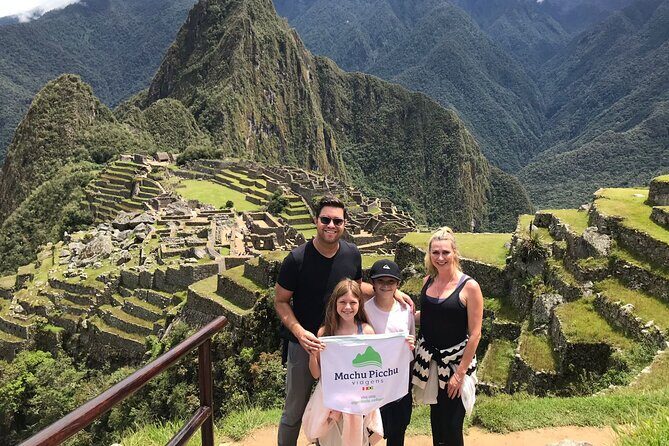
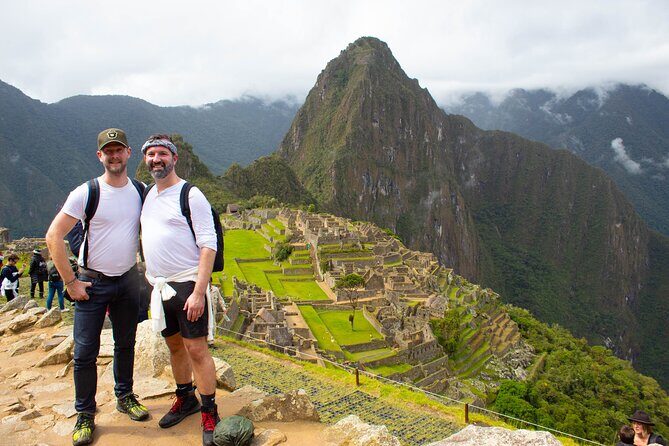
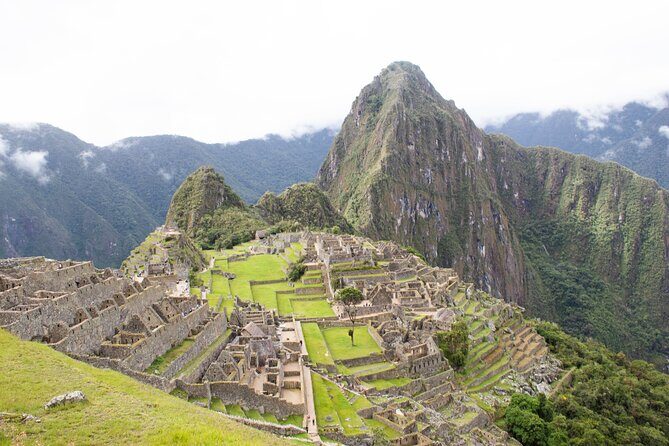
From Wiñay Wayna, you continue about 1 hour to Intipuncu. This is where you get your first dramatic look at Machu Picchu, with Machu Picchu sitting around 2,400 m. You have about 30 minutes there, plus time for photos.
This viewpoint changes the day. Once you’ve seen it from above, the rest of the route feels like a countdown instead of a hike.
Late-day move to Aguas Calientes: you don’t enter Machu Picchu yet
Instead of entering Machu Picchu that day, you’ll walk down the final stretch and take a side route toward Aguas Calientes. Then you bus down to the town, check into your 3-star hotel, and enjoy a celebratory dinner. You’re set up for an early Machu Picchu morning, which is the smart way to handle crowds.
This timing also means you get to enjoy the feeling of arriving without the pressure of an immediate long museum-style visit.
Aguas Calientes overnight: where convenience beats rushing
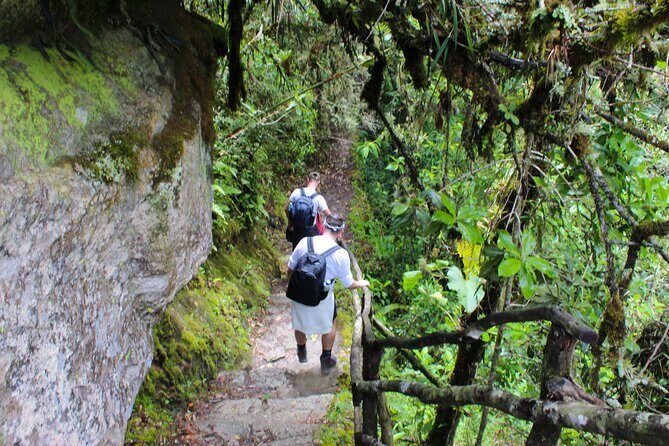
After the hike and transport, Aguas Calientes becomes your reset button. You check into your hotel for 1 night, then you do dinner and early sleep.
What you gain from this overnight step is simple: you start Machu Picchu with less stress. You’re not trying to squeeze a last-minute bus/train timing from Cusco the same day.
Also, the evening is your chance to normalize after altitude effort. It’s the moment to hydrate, eat something light, and let the legs cool down.
Machu Picchu Day: guided meaning, then your own free time
Day 3 is the big day. After breakfast, your representative picks you up from your hotel between 5:00 and 5:30 am and walks you to the bus station for the short ride up to the entrance gate.
You’ll begin with a guided tour led by a professional guide, who explains history, traditions, and how the site fits together. After the guided portion, you get extra free time to explore on your own.
The bus up and the early start advantage
Getting up early is not just a schedule thing. It helps you experience Machu Picchu without arriving at the worst peak crush. Even if you’re not chasing empty photos, being earlier gives you breathing room to understand what you’re seeing.
Lunch and souvenirs in town after your visit
When you finish at Machu Picchu, you bus back down to Aguas Calientes. Lunch is not included, but you’ll have time to grab a meal and browse souvenirs.
Then you board the train back to Ollantaytambo (about 20 minutes), meet your representative, and transfer by private transport back to Cusco. You should arrive around 6:00 pm and be dropped at your hotel.
Price and value: what $799 buys, and what costs extra
At $799 per person for about three days, this isn’t the cheapest way to do Machu Picchu. But it’s priced like a “logistics solved” package: entrance tickets, train and bus, transfers, and a guided experience across multiple key stops.
Here’s what you’re getting that normally costs time or money when you plan yourself:
- Round-trip train tickets Ollantaytambo ↔ Aguas Calientes in he Voyager class
- Round-trip bus tickets Aguas Calientes ↔ Machu Picchu ↔ Aguas Calientes
- Entrance tickets for the Sacred Valley and Inca Trail/Machu Picchu components
- 1 night in a 3-star hotel in Aguas Calientes
- English-speaking guide and hotel pickup/drop-off
- Some meals: breakfast (2), plus included dinner and lunch elements
What’s not included matters when you compare real total cost:
- Lunch on Day 1 in Urubamba (buffet) isn’t included
- Lunch on Day 3 in Aguas Calientes isn’t included
- Dinner on Day 1 isn’t included
- Gratuity is optional
- Upgrades like Vistadome train class and hotel upgrades to 4–5 star cost extra
If you like the idea of paying for a smooth schedule, this price makes sense. If you want maximum flexibility and free time to wander each stop, you may feel the pace and prefer a different style of tour.
Guide names and the small-group advantage (Luis and Juan)
A tour lives or dies on people. On this route, you’ll work with a dedicated English-speaking guide and a driver team. One common combination on this trip is Luis as the guide and Juan as the driver, with Luis guiding the Cusco/Sacred Valley and the Machu Picchu experience.
In a small group (max 8 travelers), your guide can adjust pace and explanations. That becomes important on the hike day, where stairs and uphill gradients can turn a “moderate” trail into a hard one fast if you go too quick.
Who should book this short Inca Trail plus Sacred Valley tour
This is a great fit if:
- You want Sacred Valley + short Inca Trail + Machu Picchu without adding extra travel days
- You like a guided approach with time to explore after the main points
- You’re comfortable with early mornings and a day-2 hike that is mostly uphill
- You’re traveling in a group size that stays personal (up to 8)
You should think twice if:
- You hate stairs or you’re dealing with mobility issues (the hike includes many steps)
- You want lots of downtime between stops
- You’re not ready for early pickups and a tight three-day schedule
It’s listed for ages 8 to 64, and the physical fitness requirement is “moderate,” so families can sometimes do it. Just take the hiking day seriously: start slow, take breaks, and pack smart.
Should you book this tour?
I’d book it if you want a clean, guided route that hits the top sites with less coordination work on your part. The payoff is strong: Sacred Valley context on Day 1, a real high-mountain trail experience on Day 2, and a guided Machu Picchu entry on Day 3 with time afterward for your own wandering.
I’d skip—or switch to a different pacing—if you know the uphill hike will be hard for your group, or if you’re trying to avoid early starts and steps.
If you do book: bring layers, plan for the hike to feel tougher than “short,” and make sure you have your water and snacks strategy down before you head into the trail day.
FAQ
FAQ
How long is the tour?
It runs for about 3 days (approximately), moving from Cusco into the Sacred Valley, then the short Inca Trail to Machu Picchu, and back to Cusco.
What’s the price per person?
The price is $799.00 per person.
Is hotel pickup included?
Yes. You get hotel pickup and drop-off, and the pickup covers Cusco and Sacred Valley hotels, plus Airbnb/any hotel.
What group size is this tour?
This experience is limited to a maximum of 8 travelers.
Is the tour offered in English?
Yes. The guide is English speaking.
What transport is included for Machu Picchu?
You’ll use a round-trip train between Ollantaytambo and Aguas Calientes (he Voyager class) and round-trip buses between Aguas Calientes and Machu Picchu.
Is the Machu Picchu visit guided?
Yes. You’ll have a guided tour at Machu Picchu first, followed by extra free time to explore on your own.
Are lunches included on all days?
No. Lunch on Day 1 (Urubamba buffet) is not included, and lunch on Day 3 in Aguas Calientes is also not included. Day 2 includes a boxed lunch.
What’s the physical requirement for the hike?
You should have moderate physical fitness, and you’ll be hiking about 8 km with many stairs and mostly uphill sections.
What ages is the tour suitable for?
The tour is for travelers aged 8 to 64.
Can the booking be changed or refunded?
No. This experience is non-refundable and cannot be changed for any reason.
Is it worth upgrading to Vistadome train class?
Vistadome is offered as an upgrade option, but it’s not included in the base price. The base includes he Voyager class. If you care about train comfort or the view, ask what upgrade offers before you decide.