REVIEW · CUSCO
Sacred Valley Vip full day
Book on Viator →Operated by Machu Picchu Expeditions · Bookable on Viator
There’s a lot to see in one day here. The Sacred Valley Vip full day strings together Inca engineering and modern Andean life at Chinchero, Moray, Maras, Ollantaytambo, and Pisac, with a guide who keeps you moving and informed. I especially like the smart pacing between stops and the buffet lunch in Urubamba that includes real vegetarian options; the main drawback is simply time, because much of the day is travel between widely spaced sites.
If you’re in Cusco and want a focused Sacred Valley primer without planning logistics yourself, this tour gives you that. You’ll spend about 12 hours total (give or take), and the itinerary is packed—but not random. The big thing to think about up front: the official site tickets are not included, so your budget needs a little extra for admission fees.
In This Review
- Key points to know before you go
- Why This Sacred Valley Day Feels Like the Best Hits
- Pickup at 6:45–7:00 and the 12-Hour Reality Check
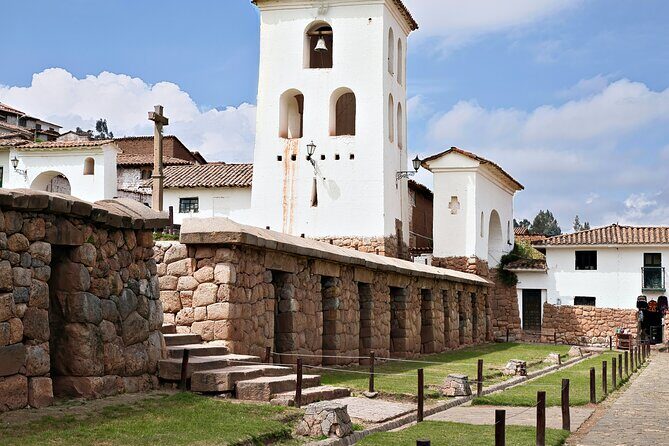
- Stop 1: Chinchero’s Inca Walls and Colonial Church
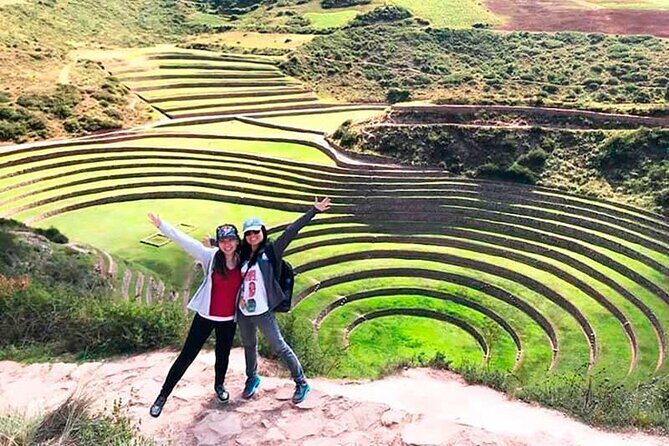
- Stop 2: Moray’s Circular Terraces and What They Tell You
- Stop 3: Maras Salt Mines, 3,000+ Wells and a Salt-Used-By-Incas Story
- Urubamba Buffet Lunch Then On to Ollantaytambo
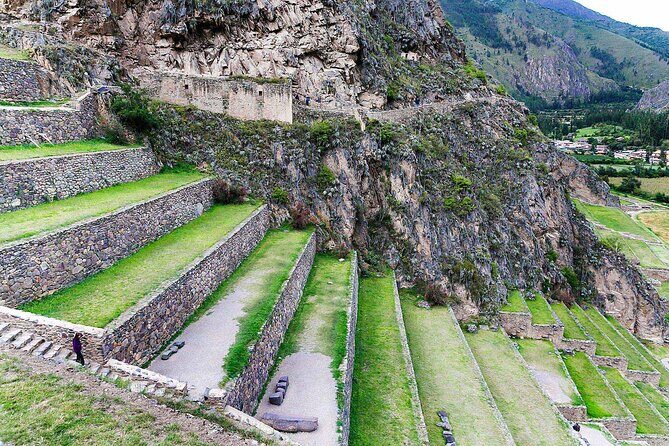
- Stop 4: Ollantaytambo, the Last Living Inca City
- Stop 5: Pisac and Intihuatana Hill Views
- Guides, Language, and Group Size (Up to 17)
- Tickets, Timing, and How to Budget the True Cost
- Who Should Book This VIP Sacred Valley Tour
- Should You Book? My Recommendation
- FAQ
- What time does pickup start?
- What is the meeting point?
- How long is the full-day tour?
- Is lunch included?
- Are the entrance tickets included?
- Do I need to have breakfast before the tour?
- What languages are offered?
- How many people are on the tour?
- What is the cancellation policy?
Key points to know before you go
- Hotel pickup around 6:45–7:00 am in Cusco, with roundtrip transport back to the meeting point
- Chinchero first, mixing Inca wallwork and a colonial church feel right from the start
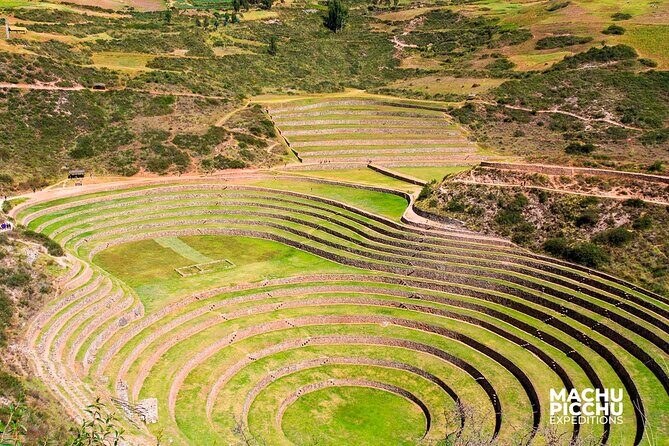
- Moray’s circular terraces explain how the Incas played with microclimates for farming
- Maras Salt Mines are a fast visual hit with 3,000+ salt wells on the hillside
- Ollantaytambo and Pisac are timed so you get a meaningful sweep, not just a photo stop
- Up to 17 people and an English/Spanish speaking guide (guides like Aldo or Arvin show up in real experiences)
Why This Sacred Valley Day Feels Like the Best Hits
This is the kind of day trip that helps you understand the Sacred Valley fast. You’re not just looking at ruins—you’re seeing how agricultural thinking, salt extraction, and town life fit together along the valley.
I love how the route covers five separate “themes” in one go. You get weaving and colonial layers at Chinchero, experimental farming at Moray, salt production at Maras, a living Inca town at Ollantaytambo, and artsy overlook vibes at Pisac.
The tradeoff is obvious once you see the geography: it’s a long day and you’ll spend hours in the vehicle. If you hate being on the road, this is where you’ll feel it most.
You can also read our reviews of more tours and experiences in Cusco

Pickup at 6:45–7:00 and the 12-Hour Reality Check
You’ll start early. Pickup happens between 6:45 am and 7:00 am, and the tour runs about 12 hours total, ending back at the meeting point in central Cusco (Plaza Regocijo area).
The itinerary itself is not short, but it’s also not trying to make you do hours of hiking. Most of the “time pressure” comes from the distances between sites, not from strenuous trail walking.
So plan your energy like a pro: bring water, wear layers (mornings can feel cooler in the Andes), and keep your camera charged for the best light near midday.
Stop 1: Chinchero’s Inca Walls and Colonial Church
You kick off at Chinchero, where the day starts with a mix that feels distinctly Andean: Inca wall constructions plus a colonial church. This stop is a great way to reset your brain after Cusco—same region, but different layers of time.
Chinchero also includes a small participation at a textile center. Even if you don’t buy anything, this is one of the best early moments to connect what you’re seeing with how people earn a living here.
Time is tight—plan on about 30 minutes. You’ll want to prioritize: look first (walls, doorways, masonry), then listen for the guide’s explanation, then take pictures once you know what you’re looking at.
Stop 2: Moray’s Circular Terraces and What They Tell You
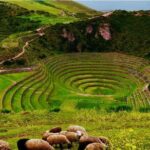
Next up is Moray, famous for its circular agricultural terraces. The key idea you’ll take away is that the site mattered for Inca agriculture, not just for spectacle.
Moray’s design is a clever way to use changing conditions across space. Even in a short visit (around 30 minutes), the layout helps you understand why planning and experimentation mattered so much in the Andes.
One practical note: because Moray is an archaeological site, wear shoes with solid grip. You may walk on uneven ground, and you don’t want to feel rushed because your footing feels sketchy.
Stop 3: Maras Salt Mines, 3,000+ Wells and a Salt-Used-By-Incas Story
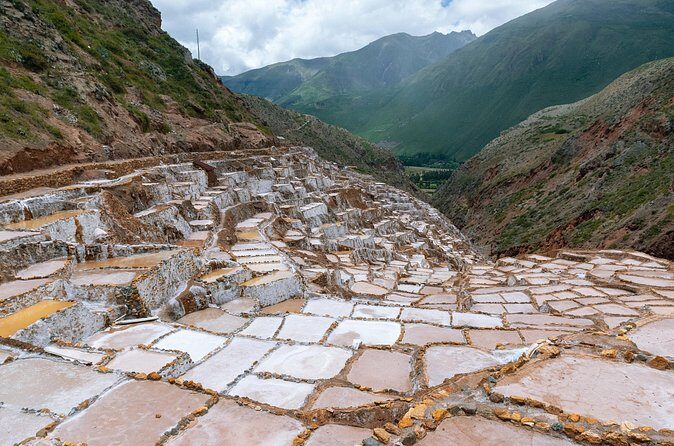
From Moray, the route descends to Salinas de Maras, the salt mines on the hillside. This is one of those places where the views do part of the teaching—your eyes quickly understand what the mine looks like: more than 3,000 salt wells.
The story here is simple but important: the salt was used by the Incas for consumption. That makes this stop feel more meaningful than just an Instagram landscape.
You’ll have about 20 minutes. That’s enough to see the full scope and get a few good angles, but don’t expect a long, unhurried wander. If you want the best photos, go early in your window and position yourself before everyone crowds into the same spot.
You can also read our reviews of more tours and experiences in Cusco



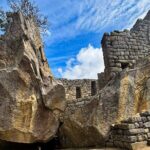
Urubamba Buffet Lunch Then On to Ollantaytambo
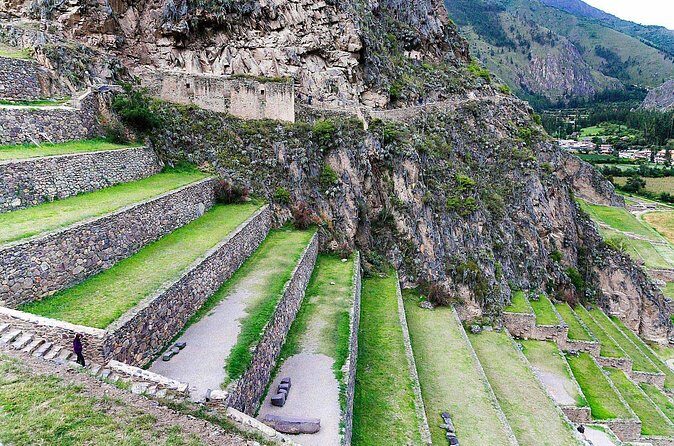
After the morning sites, you’ll reach Urubamba for a buffet lunch. The tour gives you real food time—about 1 hour is allocated at the Ollantaytambo part of the day, but the lunch stop itself is part of the Urubamba segment.
I like buffet lunches on these routes because they reduce stress. They also tend to be easier for picky eaters. In actual experiences, the buffet has been a positive surprise for vegetarian options, so you’re not stuck with only basic sides.
Once lunch is done, you continue toward Ollantaytambo, known as the Last Living Inca City. This is where the day starts feeling more “place-based,” not just “site by site.”
Stop 4: Ollantaytambo, the Last Living Inca City
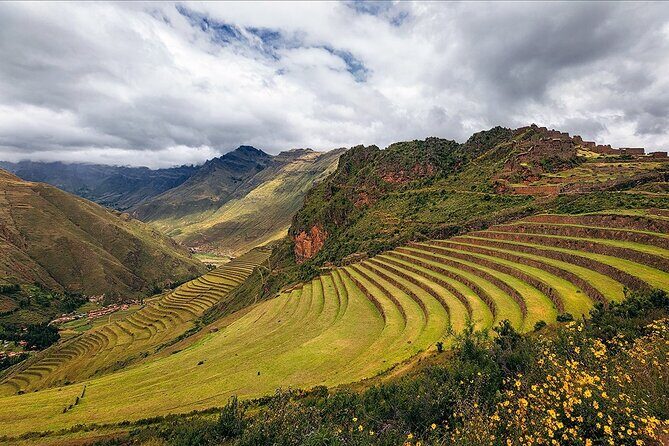
Ollantaytambo is where you can feel the scale of Inca planning. The stonework, the layout, and the sense of a real town all contribute, and the name alone is a hint that you’re not just visiting a ruin.
You’ll have about 1 hour here. That’s enough time to walk the main areas, get oriented, and still have time for photos and questions.
If you tend to ask questions, this is a good stop to do it. A strong guide can point out details you’d otherwise miss—how the town’s form relates to the surrounding geography, and why this place kept its importance long after the Inca era.
Stop 5: Pisac and Intihuatana Hill Views
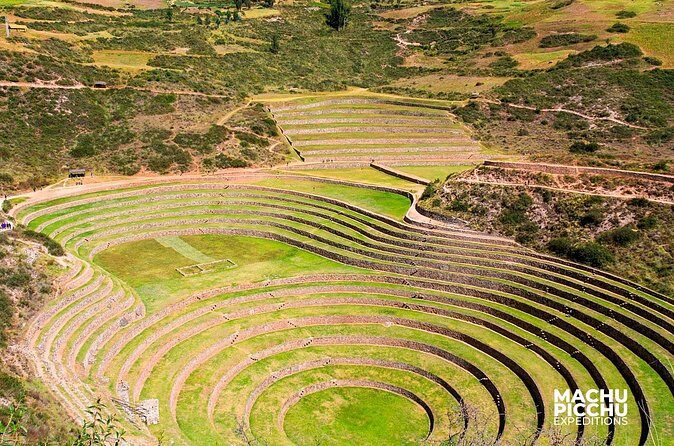
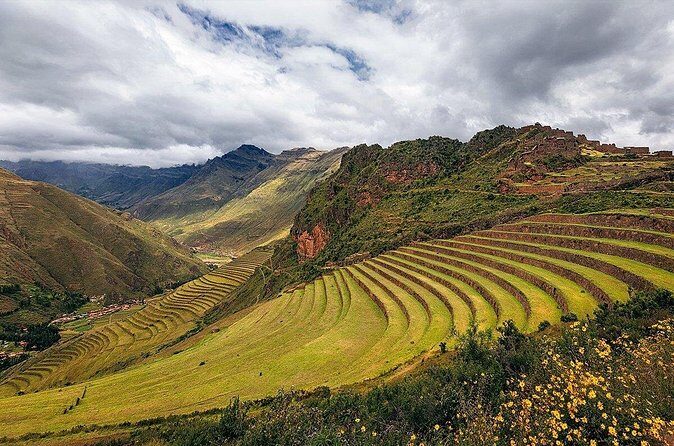
After Ollantaytambo, you’ll head to Pisac, on the slopes of Intihuatana Hill, described as the place where the Sun is tied. Even if you don’t memorize every explanation, the idea helps you frame why people chose these spots.
This stop is shorter—about 30 minutes. Pisac can feel like a lot of visual parts in a short time, so don’t try to “cover everything.” Instead, focus on one direction of views, then check key structures, then let your guide’s explanation glue the scene together.
If you’re someone who likes markets and local life, Pisac is the kind of town where you’ll probably wish you had more time. The tour does a good job giving you a snapshot; you’ll decide later if you want a longer return.
Guides, Language, and Group Size (Up to 17)
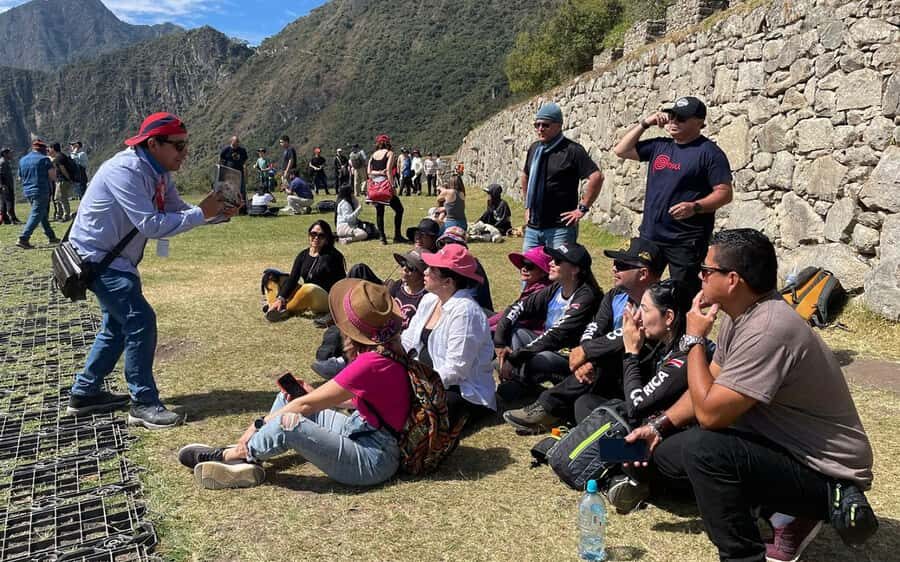
The tour includes an English/Spanish speaking professional guide, and it matters. When you’re visiting multiple archaeological areas in a single day, you want a guide who can explain connections, not just recite facts.
In experiences tied to this tour, guides like Aldo and Arvin are described as funny, professional, and ready with answers. That style is practical: it helps you understand what you’re seeing while you’re still standing in front of it.
Group size is capped at 17 travelers, which helps. You’re not stuck with huge lines inside the sites, and questions are more likely to get heard.
Tickets, Timing, and How to Budget the True Cost
Here’s the budget reality: the tour price is $30 per person, but site admission tickets are not included. You should plan for:
- PEN 130 for Chinchero, Moray, Ollantaytambo, and Pisac
- PEN 20 for Maras Salt Mines
So your total “tour + tickets” cost depends on how you handle the admission fees. The good news is that the day is structured like a real route, so those fees buy access to a concentrated set of major sites.
Also remember: breakfast isn’t included. You’ll likely be picked up around 7:00 am, so eat early (or grab something close to your hotel the night before, if you’re the kind of person who gets travel-day stomach drama).
Lunch, on the other hand, is included as a buffet lunch in Urubamba. That’s a big value piece because it saves you from hunting for food across multiple stops.
Who Should Book This VIP Sacred Valley Tour
Book this if you want a single-day overview of the Sacred Valley with hotel pickup and a guide. It’s ideal for first-timers who want to understand the region’s major sites without building an itinerary yourself.
It also fits well if you want a day that mixes archaeology with everyday culture cues, like the textile participation at Chinchero. You’ll get enough of each stop to choose what you want to return to later.
If you’re the type who hates early starts and long car rides, this might feel like a sprint. The tour itself is designed to show you a lot, and it does that by trading some free time inside each place.
Should You Book? My Recommendation
Overall, I’d recommend this tour if you’re short on time in Cusco and want a practical route that hits the main Sacred Valley highlights. The guide-led explanations, the structured stops, and the included buffet lunch make it easier to spend your energy on the experience instead of logistics.
Just go in with clear expectations: you’re buying a fast, guided circuit, not a slow, sit-down day. If you budget for the PEN 150 in site tickets and show up ready for an early start, you’ll likely feel like you got serious value out of a very full day.
FAQ
What time does pickup start?
Pickup is scheduled between 6:45 am and 7:00 am at your Cusco hotel.
What is the meeting point?
The tour starts at Plaza Regocijo (F2M9+5X2, Cusco 08002, Peru).
How long is the full-day tour?
It runs about 12 hours (approx.).
Is lunch included?
Yes. Lunch is a buffet lunch included in the tour.
Are the entrance tickets included?
No. Tourist tickets are not included for Chinchero, Moray, Ollantaytambo, and Pisac (PEN 130), and the Maras Salt Mines ticket is also separate (PEN 20).
Do I need to have breakfast before the tour?
Breakfast is not included.
What languages are offered?
The guide is English/Spanish speaking.
How many people are on the tour?
The tour has a maximum of 17 travelers.
What is the cancellation policy?
The experience is non-refundable and cannot be changed for any reason. If it is canceled due to poor weather, you’ll be offered a different date or a full refund.