REVIEW · CUSCO
Awamaki Earth-Oven Lunch Package
Book on Viator →Operated by Awamaki · Bookable on Viator
Earth-oven lunch meets real Quechua craft work. I love learning traditional wool spinning and dyeing and I love how the day centers on a home-cooked pachamanca lunch with the women themselves. One tradeoff: this tour focuses on pickup in Ollantaytambo, so you’ll need to get yourself there if you’re staying in Cusco or Urubamba.
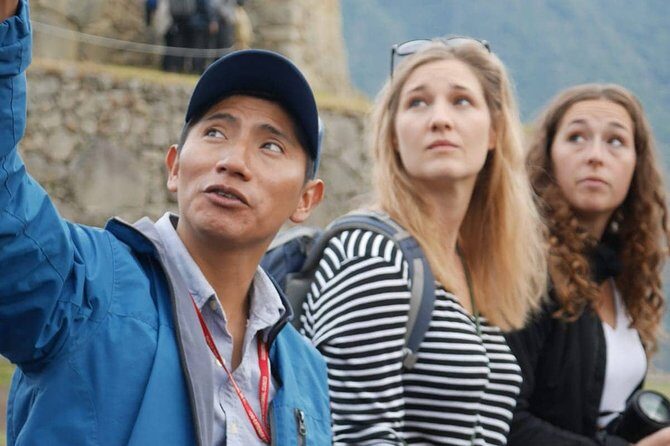
In a small group (up to 15), you’ll ride with an English-speaking guide/translator and spend the day learning and eating, not rushing. In some groups, the guide bridge has real personality too—people have mentioned leaders like Célestine, Melissa, and Eleanor helping make the culture and language click fast.
In This Review
- Key points before you go
- Awamaki Earth-Oven Lunch: what you’re really paying for
- Start in Ollantaytambo at 9:00: the simplest way to plan your half day
- Stop 1: Awamaki store and ethical craft shopping (30 minutes)
- Stop 2: Patacancha Valley drive with terraces and Inca ruins
- The Quechua village workshop: spinning, dyeing, and weaving with guidance
- Pachamanca lunch: home-cooked, earth-oven, and part of the day
- Fair textile shopping: how to buy without stress
- What about guides like Alan, Célestine, Melissa, and Eleanor?
- Packing tips that actually help (layers, shoes, and a bit of cash)
- Who this tour suits best (and who might want to rethink it)
- Is $130 worth it? My value check
- Should you book the Awamaki Earth-Oven Lunch Package?
- FAQ
- What’s the duration of the Awamaki Earth-Oven Lunch Package?
- Where do I meet the group?
- Is transportation included?
- What if I’m staying in Cusco or Urubamba?
- What does the price include?
- Do I get to learn weaving or is it only a demonstration?
- Is there time to shop?
- What should I bring for the tour?
- Are dietary restrictions accommodated?
- How large is the group?
- Cancellation: can I get a refund if my plans change?
Key points before you go
- Hands-on weaving: you’ll get a chance to weave a bracelet (pulsera) with guidance
- Spinning and dyeing first: you see how yarn starts before it becomes textiles
- Earth-oven lunch: pachamanca is part of the community day, not an add-on
- Patacancha Valley photo stop: terraces, Inca ruins, and small farms along the mountain drive
- Ethical craft shopping: you can buy directly from the weavers with fair pricing expectations
- Weather-proof your day: layers and a rain jacket help because conditions can swing
Awamaki Earth-Oven Lunch: what you’re really paying for
At $130 per person, you’re not just buying a meal. You’re paying for a guided connection to everyday Quechua life—plus the steps behind the textiles, from wool to yarn to weaving.
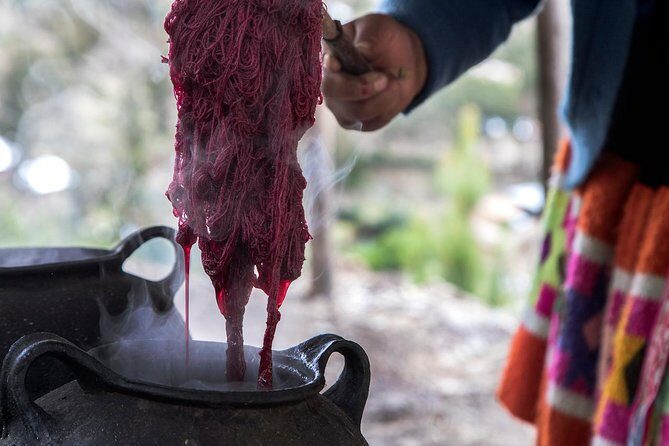
The best value here is the sequence. You see crafts in context first, then you eat together, then you learn how the textiles are made. Many tours in the Sacred Valley sell craft items, but this one is built around the makers and their work process: spinning alpaca or sheep wool the traditional Quechuan way, learning dyeing methods, and then using that knowledge in a short weaving lesson.
You also get round-trip transport from central Ollantaytambo, which matters more than it sounds. If you’ve ever tried to cobble together local transport for a half-day rural visit, you know how quickly time and energy evaporate. Here, that friction is handled.
What you don’t get is the kind of “convenience pickup” you might be used to. The tour does not include transport from Cusco or Urubamba. If you’re based outside Ollantaytambo, plan your arrival and departure accordingly (your hotel can usually help with Cusco → Ollantaytambo).
You can also read our reviews of more tours and experiences in Cusco
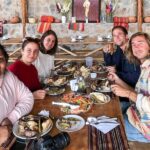
Start in Ollantaytambo at 9:00: the simplest way to plan your half day
The day begins at 9:00 am in the Plaza area: La Esquina Plaza de Armas, Ollantaytambo. The tour ends back around town, at the Awamaki store near the plaza and main ruins.
This timing is ideal if you want a rural experience without surrendering your whole day. The total time runs about 4 to 6 hours, so you can still eat, wander, or catch other sights later—if you’re staying in the Ollantaytambo area.
A practical note: come ready for a short day that still takes you into higher terrain. The provided packing guidance includes warm clothing in layers, sunscreen, a rain jacket just in case, and comfortable shoes. I’d treat this like Andes weather is always “maybe changing,” not like it’s stable.
Stop 1: Awamaki store and ethical craft shopping (30 minutes)
The first stop is the Awamaki store, tucked just off the main plaza under the ruins. It’s designed to show artisans’ work in its finished form, so you get a sense of what the skills you’ll see later actually produce.
Admission is listed as free for this stop, and the timing is brief—about 30 minutes. That matters because it keeps the day from feeling like a store tour with a hurried meal tacked on later.
If you’re the type who likes to buy thoughtfully, this is a good moment to browse. You’ll see finished textiles before your hands-on session, so you’ll recognize the techniques and materials when they get explained. It’s also where you can ask questions about what you’re looking at, rather than making those decisions while you’re mid-workshop.
Stop 2: Patacancha Valley drive with terraces and Inca ruins
After Awamaki, you head into the Patacancha Valley by car. This part of the day is about the route as much as it is the destination.
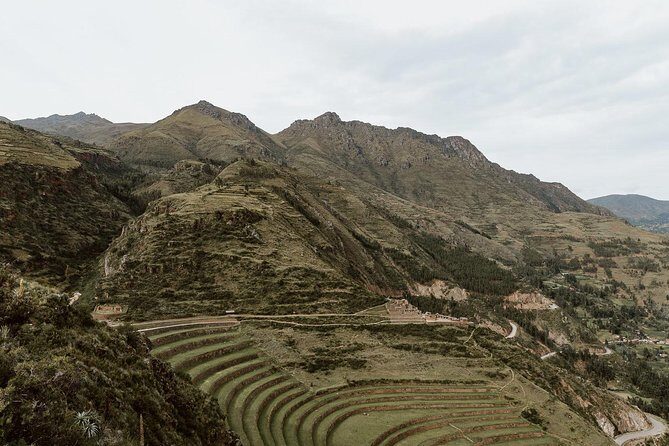
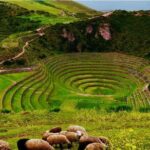
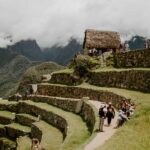
You’ll drive through a mountain valley lined with ancient terraces, and you’ll also have stops along the way for Inca ruins and views over small farms and villages. The valley includes the Patacancha river, and the overall feeling is rural Andean, not just “Sacred Valley scenery from a bus window.”
The drive segment is about 1 hour 30 minutes, with free admission listed for the stop portion. One thing I like about a route like this is that it gives you context before you meet the weaving community—you can see how agriculture, water, and altitude shape daily life.
Practical tip: if you get motion-sensitive, keep that in mind for a mountain drive. And if you like photos, bring a strap or secure storage so you’re not juggling gear when the bus stops.
The Quechua village workshop: spinning, dyeing, and weaving with guidance
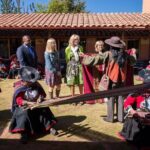
This is the core of the experience: a visit to the Quechua village in the Andean countryside, where you’re introduced to the community and their craft process.
The format is hands-on and structured:
- You meet the weavers and learn their story and methods
- You learn the traditional steps of spinning wool and dyeing
- Then you get a weaving lesson and demonstrations
What makes this more meaningful than a basic craft demo is that you don’t just watch. You actively try the technique.
In the experience notes you’ll find mention of a weaving workshop where each participant is guided (you’ll get individualized help rather than being tossed into a group activity with no instruction). One of the strongest details from actual guide-led moments is that people can weave a bracelet (pulsera) during the session—guided step-by-step.
From the guide examples shared (like Célestine and Melissa), the translator role matters. Weaving terms and dyeing explanations don’t always translate into simple “look and learn” unless someone connects the language and the culture clearly. If you’re worried about not understanding Quechua craft vocabulary, rest easier: the tour is built with an English-speaking guide/translator.
You’ll also notice the social side of this: women taking charge of their craft and sharing it with visitors in a way that feels respectful, not staged.

Pachamanca lunch: home-cooked, earth-oven, and part of the day
Lunch here isn’t a generic buffet. It’s home-cooked and prepared in an earth oven (pachamenka) while you’re there.
That detail changes how you experience food. Instead of treating lunch as a break from the tour, it becomes part of the cultural rhythm. You’re learning and working, then you eat something made through the same kind of hands-on tradition—right where the weaving community lives.
The meal is included, and it’s listed as lunch twice (meaning it’s definitely part of the package’s core value, not an optional extra). If you’ve had your fill of “tourist lunch” that tastes fine but doesn’t feel connected, this one has a stronger link to what you’re doing that morning.
Dietary needs: the tour notes say they can accommodate nearly all dietary restrictions, and they ask you to note special instructions when booking. If you have restrictions (vegetarian, allergies, etc.), send details early so the team can confirm.
Fair textile shopping: how to buy without stress
Once you’ve tried spinning and weaving, shopping becomes less like shopping and more like decision-making. You’ll know what you’re looking at: materials, work time, and how complex it is to get a finished piece from raw wool.
Two practical things matter most:
1) Small bills in soles help. The guidance recommends small currency (5–500 soles) because the women typically can’t make change. This one tip can save you from awkward pauses at checkout.
2) Prices can be reasonable. The overall impression from the experience is that buying directly from the weavers gives fair value compared to more distant retail.
What I like: you can choose smaller items too, like bracelets or keyrings, and still feel like your purchase supports the craft process you learned that day. It’s easier to bring home something meaningful without going over budget.
What about guides like Alan, Célestine, Melissa, and Eleanor?
You’re not just booking an attraction. You’re booking the quality of the “bridge” between you and the community.
People have mentioned different guide personalities and names (including Alan as a driver and guides such as Célestine, Melissa, and Eleanor) helping translate not only language but also cultural context. That matters in a day focused on tradition: it helps you understand why certain steps exist, why specific patterns or animal symbolism are used, and how the cooperative system supports the women.
I’d take that as a cue: don’t just nod during explanations. Ask a simple question. Even one good question—about wool type, dyeing, or the meaning of a pattern—makes the workshop feel personal.
Packing tips that actually help (layers, shoes, and a bit of cash)
The Andes don’t care about your schedule. The tour guidance recommends:
- Warm clothing and layers
- Rain jacket (just in case)
- Comfortable shoes
- Sunscreen
- Water
Bring a camera, of course, but also bring common sense: you’ll be in a community setting where you’ll want to keep your movements easy and your gear controlled.
Also consider bringing a small amount of local currency in small bills for buying textiles. If you show up with only large notes, you risk slowing things down. And if you’re hoping to purchase more than one item, small bills make it smoother.
Who this tour suits best (and who might want to rethink it)
This is a great fit if you want:
- A hands-on cultural experience, not just a photo stop
- A deeper look at Quechua weaving from spinning through weaving
- A shared lunch that feels tied to the community
- A manageable half-day schedule from Ollantaytambo
It may be less ideal if:
- You need pickup from Cusco or Urubamba (the package includes transport only from Ollantaytambo)
- You’re short on time and can’t arrange your morning logistics
- You want a fully self-paced experience (this tour is structured and guided)
The good news: it works for most people. The notes say most travelers can participate, and service animals are allowed. If you have a mobility concern, check in when booking so the team can advise based on your needs.
Is $130 worth it? My value check
Here’s how I’d think about the price:
- You’re paying for transport from Ollantaytambo, which usually costs time and money if you DIY it
- You’re paying for a guided weaving and dyeing learning experience, including demonstrations
- You’re paying for a home-cooked pachamanca lunch
- You’re paying for access to a community setting with a clear social mission around craft and women’s empowerment
At the end of the day, the money also likely helps the cooperative system that keeps these skills economically viable. If you buy textiles, you’re supporting the craft makers directly, not just buying souvenirs from a middle step.
If you came to Peru hoping to do one meaningful culture-forward thing that isn’t a museum stop, this price starts to feel fair.
Should you book the Awamaki Earth-Oven Lunch Package?
If you’re staying near Ollantaytambo and you want a real Quechua day—learning wool, dyeing, weaving, and sharing pachamanca—I’d book it. It’s a small-group experience built around participation, and it doesn’t feel like a fast pass through culture.
Book it especially if you like experiences where you can ask questions, try a skill, and then leave with something you understand. The small-bill tip for purchases and the packing guidance for mountain weather are small details, but they make the day smoother.
Before you book, just be honest about one point: the tour is tied to Ollantaytambo pickup and return. If that doesn’t fit your plan, you’ll need to handle Cusco connection on your own.
FAQ
What’s the duration of the Awamaki Earth-Oven Lunch Package?
It runs about 4 to 6 hours.
Where do I meet the group?
You meet at La Esquina Plaza de armas, Ollantaytambo 08676, Peru at 9:00 am.
Is transportation included?
Yes. The package includes round-trip transportation from central Ollantaytambo.
What if I’m staying in Cusco or Urubamba?
Transportation from Cusco or Urubamba is not included. Your hotel can usually arrange Cusco to Ollantaytambo. The tour operator can help you arrange the return from Ollantaytambo back to Cusco.
What does the price include?
It includes an English-speaking guide/interpreter, transportation from and to Ollantaytambo, weaving lesson and demonstrations, and home-cooked lunch.
Do I get to learn weaving or is it only a demonstration?
You get a weaving lesson and demonstrations, and you’ll have time to weave a bracelet (pulsera) with guidance.
Is there time to shop?
Yes. There’s a stop at the Awamaki store where you can see and shop ethically produced Andean crafts, and you’ll also have time to purchase items made by the weavers.
What should I bring for the tour?
Bring water, sunscreen, warm layers, a rain jacket if you have one, comfortable shoes, and some local currency (soles) in small bills if you plan to buy textiles.
Are dietary restrictions accommodated?
The tour notes say they can accommodate nearly all dietary restrictions. You should list them in the special instructions when booking.
How large is the group?
The tour has a maximum of 15 travelers.
Cancellation: can I get a refund if my plans change?
The tour offers free cancellation, with a full refund if you cancel at least 24 hours before the experience start time.