REVIEW · CUSCO
Salkantay Trek to Machu Picchu 5 Days and 4 Nights
Book on Viator →Operated by Machupicchu Jungle · Bookable on Viator
Early mornings. Big rewards. This Salkantay trek strings together Humantay Lagoon, Cocalmayo hot springs, and an early guided Machu Picchu visit, with your Cusco pickup and much of the logistics handled for you.
I like that the trek is built for real pacing: horses carry most of your load (up to the allotted duffel weight), and you’re not stuck planning every transfer yourself. One thing to think about first: it’s a long, high-altitude hike with very early wake-ups, and some gear plus entrance fees are extra.
You’ll also like the human side of it. The guides (people like Jefrey, Eulogio, Cristian, Fernandez, Guido, and Randy showed up in recent groups) tend to keep the mood up, explain what you’re seeing, and watch safety. Main drawback: the trip depends on several add-on costs (Humantay Lake, hot springs, Machu Picchu day transport, and a sleeping bag/trek poles if you don’t already have them).
In This Review
- Key things to know before you go
- The 4:00 a.m. Cusco start and why the route begins so early
- Day 1: Challacancha, horsemen, Soraypampa, then Humantay Lagoon
- Day 2 (and Day 3): Santa Teresa Valley to La Playa, plus Cocalmayo hot springs
- Day 4: Lucmabamba to Llactapata (2,700 m) and onward to Aguas Calientes
- Day 5: The Machu Picchu main gate at ~6:00 a.m. plus Circuit 2A/2B
- Returning to Cusco: your timing is part of the experience
- Price and value: what $330 covers, and what usually costs extra
- Guides, food, and group energy: the stuff you’ll remember
- What to pack (without overthinking it)
- Who this trek fits best (and who should think twice)
- Should you book this Salkantay to Machu Picchu 5D/4N trek?
- FAQ
- What’s the duration of the Salkantay Trek to Machu Picchu?
- Do I get pickup in Cusco?
- How big is the group?
- Is the Humantay Lake entrance fee included?
- Are hot springs included?
- Does the Machu Picchu ticket cost come with the tour?
- What Machu Picchu circuit does the guided tour use?
- Do I need a sleeping bag and trekking poles?
- How do I get back to Cusco after Machu Picchu?
- Is the tour refundable if I cancel?
Key things to know before you go
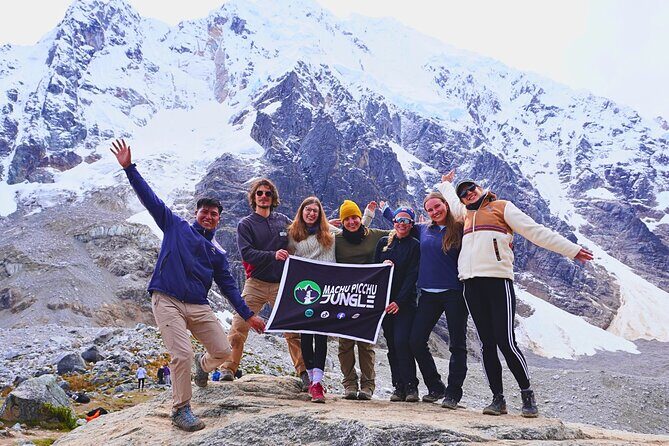
- Small-group feel (max 15 travelers): you get more attention, and it’s easier to keep the pace comfortable.
- Horse support for your load: the trip includes a duffel bag so horses carry your packed belongings onward (within the 5 kg limit you’re given).
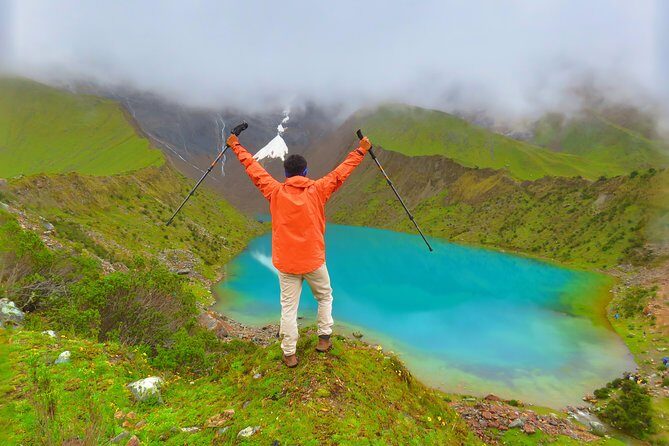
- Humantay Lagoon is a real workout: plan for a full 4-hour round-trip hike after the first trek day.
- Cocalmayo hot springs are built in: you’ll get a scheduled recovery window on the way down toward La Playa.
- Machu Picchu starts with stairs: expect a 1-hour climb to the main gate and an early arrival around 6:00 am.
- Your return plan matters: the car option from Hydroelectric has timing rules, especially if you want extra hikes.
The 4:00 a.m. Cusco start and why the route begins so early
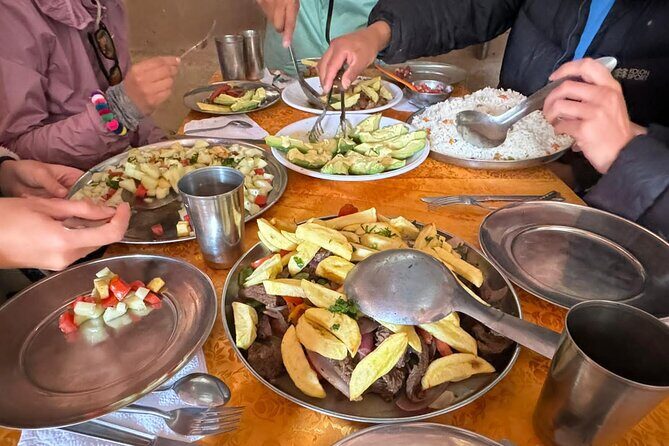
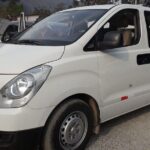
Day 1 kicks off with pickup from your Cusco hotel or Airbnb at 4:00 a.m. You’ll drive to Mollepata first (about 2 hours), where you get breakfast at that stop (breakfast isn’t included in the tour price), then continue by van to Challacancha (about 1 more hour).
This early start isn’t just a fun fact. It’s the whole skeleton of why the trek feels manageable. By the time you begin hiking toward Soraypampa, the day is already moving, and you’re less likely to feel rushed later when the Humantay Lagoon hike hits. Also, you’re starting before crowds fully ramp up in the Cusco region.
You’ll hike with a plan that mixes walking and recovery breaks. And unlike “fly-by-night” trips, you have clear handoffs: pickup, transportation segments, camp meals, and guided viewpoints.
You can also read our reviews of more hiking tours in Cusco
Day 1: Challacancha, horsemen, Soraypampa, then Humantay Lagoon
After you reach Challacancha, you’ll meet the horsemen and the horses carrying supplies. The key detail here is the duffel bag arrangement: you’re given a duffel bag to carry 5 kilos of your belongings, and the horses handle transport from camp to camp (including onward to Lucmabamba as part of the included logistics).
This is a huge quality-of-life feature. When your personal pack is light, you can hike longer without the “backpack fatigue spiral.” It also keeps the trek from turning into a gear-carrying contest.
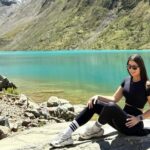
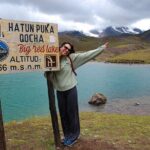
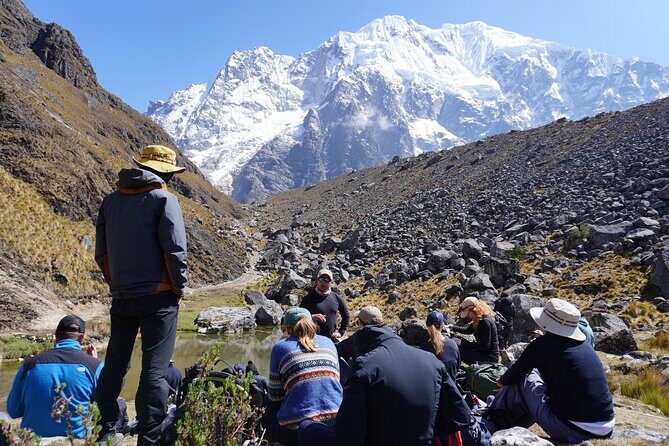
From there, you’ll trek about 4 hours to Soraypampa, arriving for your first lunch. In the afternoon, you shift gears for the main wow moment of the day: Humantay Lagoon. You’ll do a 4-hour round-trip hike, with time set aside for photos. Then you return to camp for dinner and rest at your designated campsite.
Two notes to keep you calm:
- Humantay Lake entrance is extra: PEN 20.00 per person.
- Your day is long even before the Lagoon hike, so pack energy for a real push.
In many groups, this is where you’ll feel the “Salkantay experience” click: dramatic high views, a strong rhythm, and a sense that the trip is moving with purpose.
Day 2 (and Day 3): Santa Teresa Valley to La Playa, plus Cocalmayo hot springs
Day 2 starts with a 5:00 a.m. breakfast, then the route runs through the Santa Teresa Valley to La Playa. Lunch is served at the campsite. In the afternoon you have the option to visit Banos Termales de Cocalmayo (hot springs) for a relaxing bath or simply to rest at camp. The evening includes dinner and a group campfire, then you head back to your room.
The information provided also repeats this hot-springs structure on Day 3, focused on Banos Termales de Cocalmayo as the afternoon activity. In plain terms: you’re getting set up for recovery before the final big hiking day.
This is the part of the trek I call the “pressure release.” After big walking days, hot springs give you a chance to loosen up tired legs without needing a full day off. It’s also a social moment: campfires and shared down-time tend to make the group feel like something beyond a line on a booking.
Cost heads-up: hot spring entry is PEN 10.00 per person (not included).
Day 4: Lucmabamba to Llactapata (2,700 m) and onward to Aguas Calientes
Day 4 is the pivot day. You’ll begin after breakfast and walk along part of the original Inca trail, then start a climb that takes about 2 hours to reach Llactapata at 2,700 meters. Llactapata is an archaeological site with views over the Machu Picchu area—one of the best reasons to keep going on the long days.
After the visit, you’ll descend for about 2 hours to Hidroeléctrica for lunch. Then it’s on to Aguas Calientes (you’ll walk from Hidroeléctrica to town), check into your accommodation, and have group dinner at 19:00.
Aguas Calientes is your reset zone. For many people, this is where you finally feel the “switch” from trekking mode to Machu Picchu mode: shower, dinner, and a night’s sleep that matters because Day 5 starts early.
Also note: luggage transport from Lucmabamba to Hidroelectrica is PEN 10.00 per person (listed as not included).
Day 5: The Machu Picchu main gate at ~6:00 a.m. plus Circuit 2A/2B
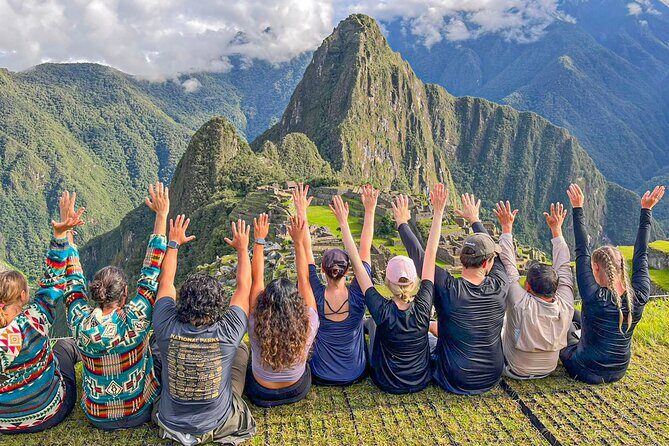
Machu Picchu day is scheduled around early access. You’ll climb all the stairs for about 1 hour to reach the main gate, aiming to be there around 6:00 a.m.
Then you’ll get a guided tour for about 2 hours. Your entry is guided for Circuit 2A or 2B (the exact circuit is part of what your tour provides).
This early arrival strategy is about more than comfort. It tends to reduce that feeling of being stuck in a jam. You also get a better shot at moving with your guide instead of just collecting landmarks.
You can also read our reviews of more tours and experiences in Cusco
Returning to Cusco: your timing is part of the experience
After the guided Machu Picchu visit, you do need to plan your return to Cusco based on your reservation.
The information includes a car return option with specific timing rules:
- You must start a roughly 3-hour hike from Machu Picchu to Hydroelectrica
- You need to be at Hydroelectrica by 2:30 pm
- The car ride to Cusco takes about 6 hours, arriving around 10:00 pm
- The final stop in Cusco is Plaza Regocijo
Important trade-off: this return plan does not leave enough time for extra hikes like Waynapicchu or Machu Picchu Mountain, which are stated to require about 3 extra hours.
Also listed as not included: the bus up and down from Aguas Calientes to Machu Picchu is $24.00 per person (12 USD up + 12 USD down).
So if you’re the type who wants to do everything—stairs, circuits, and bonus summits—this return option might feel tight. If you’d rather keep it simple and get back to Cusco without stress, the structure can be a relief.
Price and value: what $330 covers, and what usually costs extra
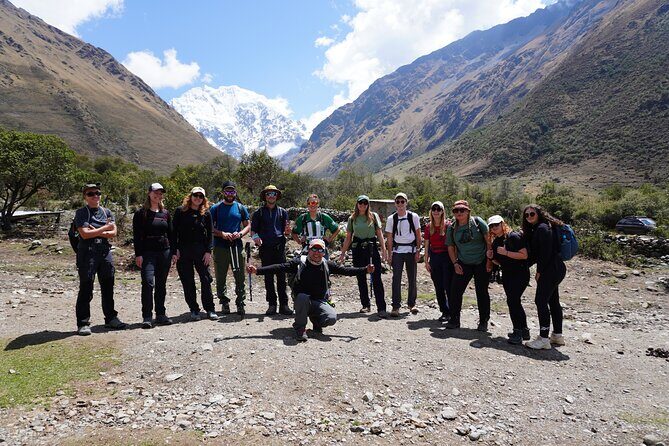
At $330.00 per person, this is positioned as a budget-friendly way to do Salkantay to Machu Picchu with guided support, meals, and multiple lodging types. What you’re really buying is reduced decision fatigue: you don’t have to coordinate horses, chefs, camp meals, and Machu Picchu guidance on your own.
Included highlights:
- Private transportation from Cusco to Mollepata and Challacancha
- Horse-carried duffel logistics (5 kg belongings in the duffel)
- Professional guides (English/Spanish)
- Professional chef and cooking equipment
- Pick up from your Cusco hotel or Airbnb
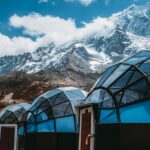
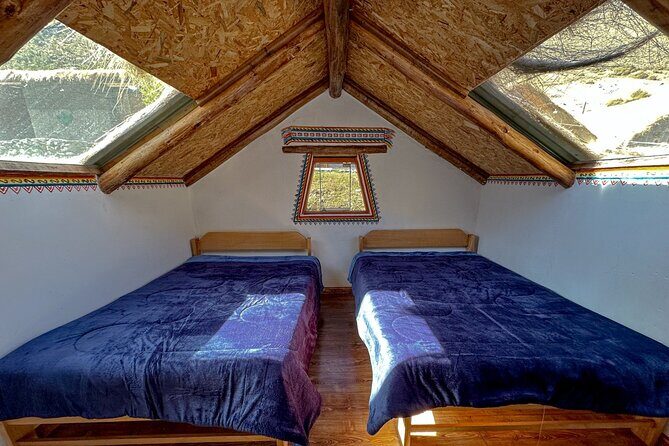
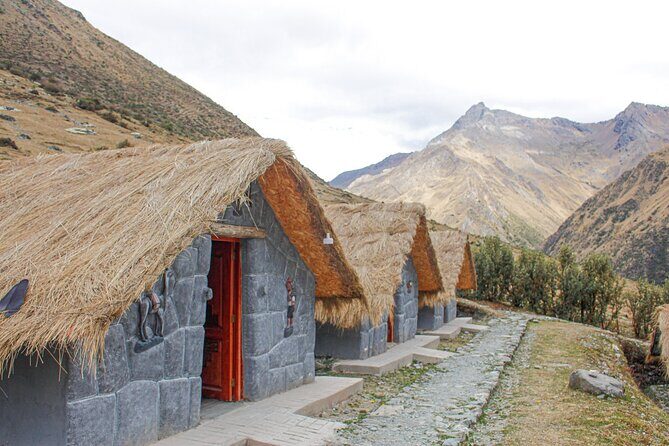
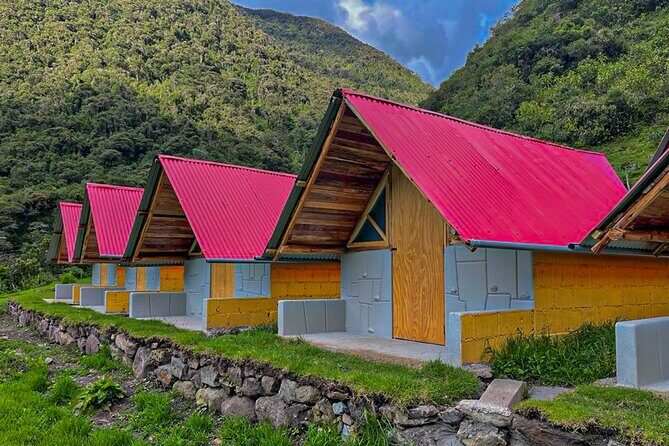
- Lodging: 2 nights in cabins, 1 night homestay, 1 night hostel in Aguas Calientes
- Food included: breakfast (4), lunch (4), dinner (4)
- Machu Picchu guided tour for Circuit 2A/2B
What’s extra (and where you should mentally budget):
- Humantay Lake entrance: PEN 20.00 per person
- Hot springs entrance: PEN 10.00 per person
- Sleeping bag: $20.00 per person
- Trekking poles: $20.00 per person
- Public transportation: PEN 40.00 per person
- Luggage transport Lucmabamba → Hidroelectrica: PEN 10.00 per person
- Aguas Calientes ↔ Machu Picchu buses: $24.00 per person
- Machu Picchu entrance fee: PEN 152.00 per person if your entry isn’t available on the Peruvian state website
One more value clue comes from the way the experience is run. In recent groups, people praised smooth organization and strong guide energy—plus food that felt better than what many expect on a trek. If that matters to you, the included chef setup is not a small detail.
Guides, food, and group energy: the stuff you’ll remember
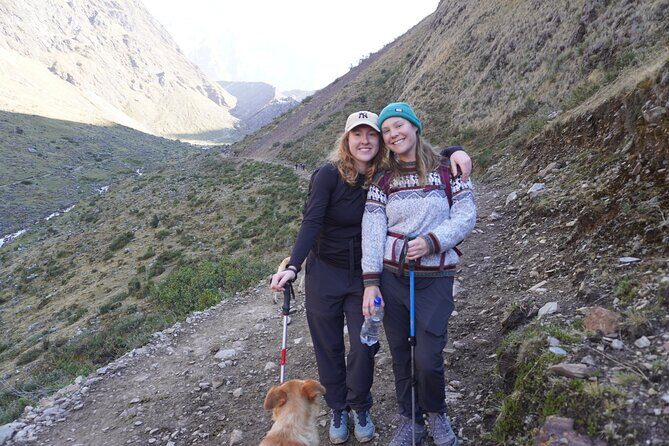
What repeatedly shows up in strong trek reviews is not just the scenery. It’s the people behind the schedule.
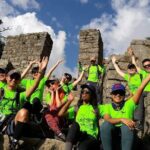
In these trips, guide names like Cristian, Fernandez, Guido, Randy, Jefrey, and Eulogio were highlighted for different strengths: cheerful momentum, clear explanations, and safety-first leadership. When a group is small (max 15), your guide can actually keep track of how everyone is doing, not just manage the line.
Food is also a big deal here. The tour includes a professional chef, and multiple groups were genuinely impressed by how filling meals were, with dinners and breakfasts that kept energy up. One review even called out the chef Leo for cooking beyond expectations for a hiking route.
Camp life is planned too: dinner at camp, group campfire, and a group dinner in Aguas Calientes at 19:00. One group mentioned a karaoke night in Aguas Calientes the evening before Machu Picchu—whether or not that happens in your exact week, it’s a good sign the trip doesn’t treat downtime like dead air.
What to pack (without overthinking it)
The most important gear details you can’t ignore are the ones marked as not included:
- Sleeping bag (for the entire hike): $20.00 per person
- Trekking poles: $20.00 per person
If you show up without these, you risk losing time or paying last-minute rental costs. So check what you already own before you commit.
Also, remember the duffel weight rule. Because your horses carry your duffel (5 kg of your belongings), you’ll want to pack with that limit in mind. Overpacking leads to stress, not comfort.
Finally, keep warm layers in your plan. One recent group mentioned accommodations being cold during winter at high altitude. Even if the itinerary’s cabins and homestays are comfortable, mountain nights can still feel sharp.
Who this trek fits best (and who should think twice)
This tour is built for people with moderate physical fitness. It’s not a casual walk, especially with early mornings and multiple long hiking segments:
- Soraypampa trek (~4 hours)
- Humantay Lagoon hike (4 hours round trip)
- plus the later climb up to Llactapata and then the descent
You’ll probably love it if:
- you want a guided, structured trek with less logistics to manage
- you like group energy, camp dinners, and a clear schedule
- Machu Picchu at dawn is a priority, not an afterthought
You might want a different option if:
- you don’t want to handle extra fees and gear rentals
- you need time buffers for optional additional Machu Picchu hikes, since the car return option can run tight
Should you book this Salkantay to Machu Picchu 5D/4N trek?
If you’re choosing between doing this route independently versus with a solid guide team, this one is strong value because so much is bundled: transport segments, a chef-run food plan, lodging, and a guided Machu Picchu circuit. The small group cap and the repeated praise for guides like Randy, Fernandez, and Eulogio also makes it feel human, not factory-made.
My decision rule: book it if you’re okay with early starts, you want your day-to-day handled, and you can budget the extras (Humantay Lake, hot springs, Machu Picchu transport/bus, and potentially sleeping bag/trek poles). Skip it if you want zero add-on costs or you’re hoping to stack extra Machu Picchu summit hikes on the same day as your return.
FAQ
What’s the duration of the Salkantay Trek to Machu Picchu?
It’s listed as 5 days (about 5 days) and 4 nights.
Do I get pickup in Cusco?
Yes. Pickup from your hotel or Airbnb in Cusco is included.
How big is the group?
This tour lists a maximum of 15 travelers.
Is the Humantay Lake entrance fee included?
No. Humantay Lake entrance is PEN 20.00 per person and is not included.
Are hot springs included?
The hot springs visit is part of the schedule, but the entrance fee is not included (listed as PEN 10.00 per person).
Does the Machu Picchu ticket cost come with the tour?
The Machu Picchu entrance fee is listed as free only if it is available on the Peruvian state website. Otherwise, it’s PEN 152.00 per person.
What Machu Picchu circuit does the guided tour use?
Your guided Machu Picchu tour is listed for Circuit 2A or 2B.
Do I need a sleeping bag and trekking poles?
The tour lists both as not included: a sleeping bag is $20.00 per person and trekking poles are $20.00 per person.
How do I get back to Cusco after Machu Picchu?
Your return is based on your reservation. A car return option is listed that requires a roughly 3-hour hike to Hydroelectrica, being there by 2:30 pm, then traveling by car to Cusco (about 6 hours) with arrival around 10:00 pm and final stop at Plaza Regocijo. The bus up/down from Aguas Calientes to Machu Picchu is listed as $24.00 per person and is not included.
Is the tour refundable if I cancel?
No. It is non-refundable and cannot be changed for any reason. If you cancel or request an amendment, the amount paid is not refunded.