REVIEW · CUSCO
Salkantay Trek 4 Days to Machu Picchu – Return to Cusco by train
Book on Viator →Operated by Howlanders · Bookable on Viator
Salkantay in four days is intense but worth it. This Salkantay Trek plan gives you a guided route through big Andean climbs, high-altitude lakes, and jungle-to-train travel that lands you at Machu Picchu with a clear schedule to Cusco. It’s especially interesting if you like structure, since you’ll start very early from Cusco and move with a small crew.
Two things I like a lot: the logistics are handled for you (sleeping setup, most meals, and transport), and the small-group size means your guide can actually keep an eye on you when the altitude gets real. I’ve also seen guides named Willy and Climaco praised for organization and for explaining the route and sites in a way that makes the day feel smoother.
One possible drawback: you’re paying a mid-range price, so you’ll want to double-check what costs extra (like water/snacks and some small items) and confirm you’ll truly be in the promised group size. One past experience complained about being in a larger group and feeling less supported, which is exactly what you don’t want on a tough trek.
In This Review
- Why This Salkantay Trek Works for First-Timers (and Repeat Hikers)
- From Cusco Pickup to the First Steps: What Day 1 Really Feels Like
- Humantay Lagoon: Why That High Climb Makes the Rest of the Trek Easier
- Day 2’s Abra Salkantay Climb: The Trek’s Biggest Test
- Day 3: Jungle-to-Aguas Calientes Without the Comfort-Blanket
- Day 4 Machu Picchu: How to Choose Between Bus and Sunrise Hike
- Price and Value: Is $412 a Fair Deal?
- What’s Included (and What You Should Plan to Pay For)
- Fitness, Altitude, and Safety: How to Set Yourself Up Right
- Who This Salkantay Trek Fits Best
- Should You Book This Salkantay Trek to Machu Picchu by Train?
- FAQ
- What time does the tour start from Cusco?
- How long is the Salkantay Trek to Machu Picchu?
- What’s the group size limit?
- Is luggage carried for you during the trek?
- What kind of lodging do you get?
- Are meals included?
- Is Machu Picchu entrance included?
- Do you need to buy the bus from Aguas Calientes to Machu Picchu?
- How do you return to Cusco after Machu Picchu?
- Is the tour refundable if I cancel?
Why This Salkantay Trek Works for First-Timers (and Repeat Hikers)
- Small group focus (max 15): more attention when you need pacing, breathing tips, or help staying together.
- Porter support with a 5 kg luggage limit: less weight on your back on the main climbing days.
- Humantay Lagoon and Abra Salkantay are built into the schedule: two of the trek’s biggest visual payoffs.
- Hike-to-train transition: you finish the route toward Aguas Calientes using the Hidroeléctrica rail path.
- Machu Picchu guided entry with your time slot: you get context fast, then time to roam.
From Cusco Pickup to the First Steps: What Day 1 Really Feels Like
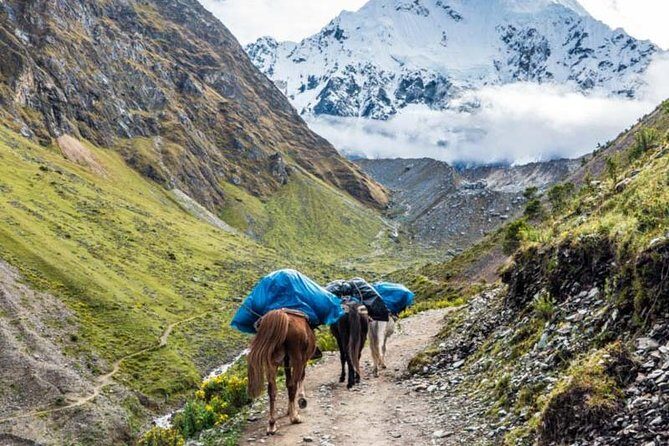
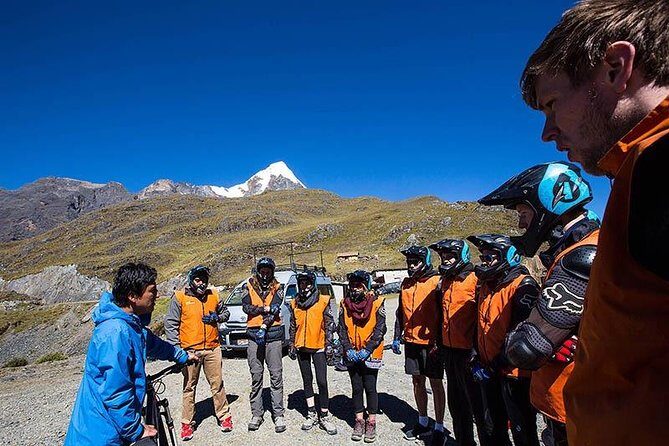
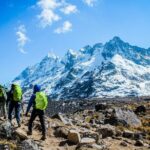
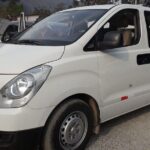
Your trek starts with an early pickup in Cusco, usually between 4:00 and 4:30 AM. You’ll do a pre-trek briefing first, get a duffel bag for porter-carrying, and meet the people you’ll be hiking with. Then the day kicks off with a minibus ride toward the trailhead, passing views of snow-covered peaks like Salkantay and Humantay.
What I like about this start is that it builds momentum without leaving you guessing. You’ll have time to ask questions before you ever start climbing, and you’ll get clear instructions about what goes in your porter bag (max 5 kg including your sleeping bag). That matters because the trek can feel harder than it looks on paper, especially if you’re carrying the wrong items.
You’ll stop in Mollepata for breakfast, then continue toward Challacancha. After that, the trek officially begins around 9:30 AM from Challacancha toward Soraypampa base camp. This is your first real hiking day, listed around 14 km to Soraypampa, with lunch there and an overnight at camp.
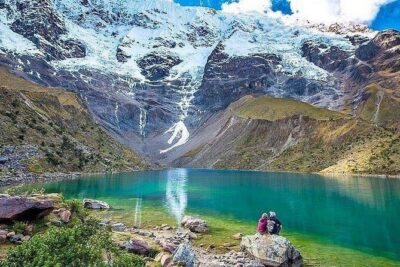
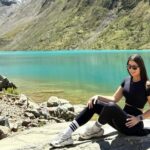
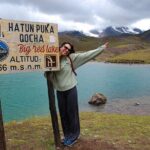
In the afternoon, the Humantay Lagoon hike is the headline. You’ll climb for about 1.5 hours to a high point around 4,220 meters (13,845 feet), then descend back to camp in under an hour. Even if you’re not chasing Instagram photos, this one is a true payoff day because the views and the altitude hit together.
Practical note: Humantay Lagoon entrance handling has conflicting details in the available info—some notes say admission isn’t included, while the package list says entrance is included. Either way, your best move is to confirm the exact Machu Picchu and lagoon entrance details in your confirmation paperwork so you don’t get surprised by a last-minute payment.
You can also read our reviews of more hiking tours in Cusco
Humantay Lagoon: Why That High Climb Makes the Rest of the Trek Easier
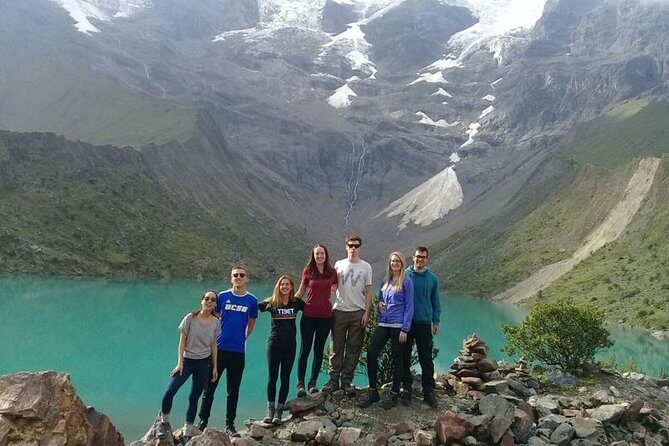
This is the part of the trek that teaches you how the altitude will work. The climb is short, but you’ll feel it. If you pace slowly and keep moving steadily, you’ll arrive with enough energy to enjoy it instead of just survive it.
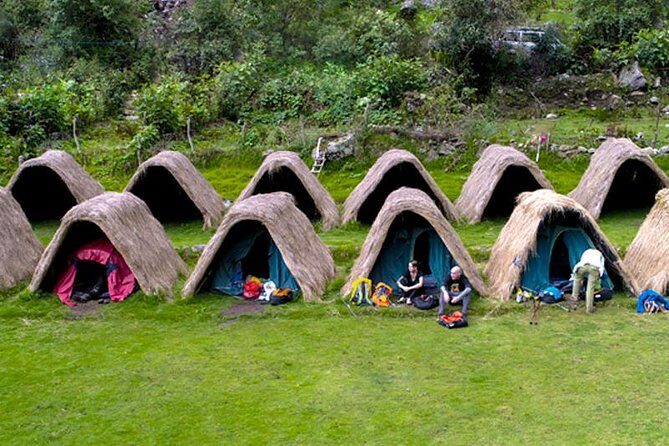
You’ll also get your first camp rhythm: gear stays with porters while you hike with what you need. That means you’ll be practicing the same setup for future days, which can reduce stress when you’re tired. After the lake hike, you’ll return to camp for tea, dinner around 19:30, and a night in your cabin.
If you’re the type who gets cold at night, plan for it. The itinerary doesn’t give weather specifics, but at these elevations your comfort depends heavily on your sleeping setup and layering. This is one reason the porter system and included sleeping bag/gear approach matters: you’re not trying to solve comfort problems mid-trek.
Day 2’s Abra Salkantay Climb: The Trek’s Biggest Test
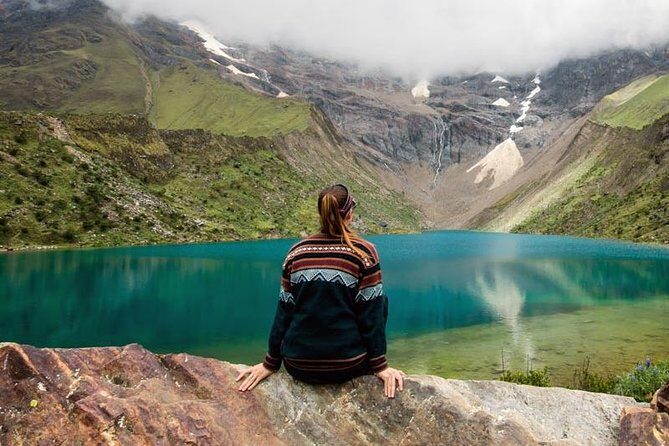
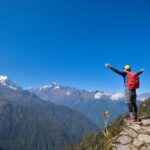
Day 2 is the big one. You’ll wake up around 5:00 AM with tea, then start a 3-hour ascent toward Abra Salkantay, the highest point on the trek at about 4,630 meters (15,190 feet). This isn’t just a physical peak—it’s a mental one too, because the air gets thin and the route demands steady effort.
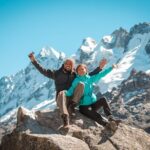
From the top, you’re rewarded with wide panoramas: deep valleys and snow-covered peaks like Humantay, Tucarhuay, and Pumasillo. This is why people sign up for Salkantay in the first place. The best way to experience this day is with patience. If you go too fast early, you’ll pay later during the descent.
After the summit, the trail switches tone. You descend into greener, more humid terrain, hike for about 3 hours to Huayracmachay for lunch, then continue another 3 hours to Colpapampa for your second campsite. This is a long day (around 10 hours total), but it’s also where you start to feel like the trek is starting to flow.
A useful bonus detail: in Colpapampa, you can enjoy a hot shower at a local home for about 10 soles. It’s not included, but it’s a rare comfort in the trek rhythm, and it can make the next morning easier on your body.
Day 3: Jungle-to-Aguas Calientes Without the Comfort-Blanket
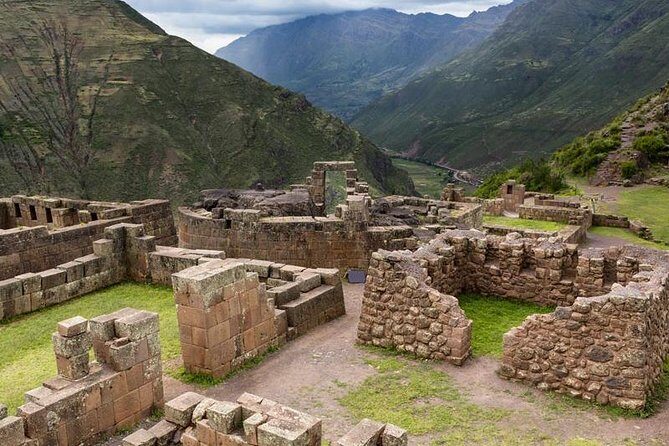
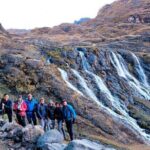
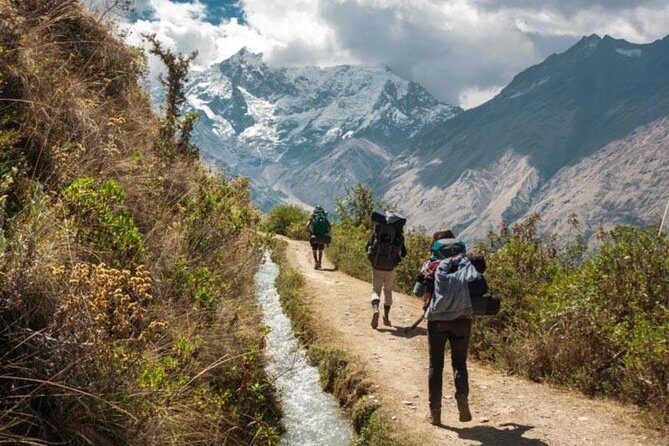
Day 3 is about variety. After breakfast, you’ll hike roughly 5 hours through warmer, more humid jungle areas, crossing rivers, passing waterfalls, and walking near coffee and banana plantations. You’re moving from mountain conditions to a different climate feel, which many people find refreshing after the cold higher days.
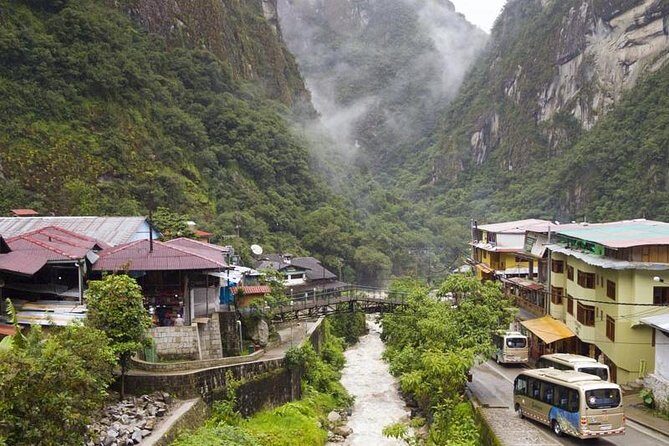
Then you switch gears with a short drive to Hidroeléctrica. From there, you hike about 3 hours along the scenic railway path toward Aguas Calientes, the town used as the gateway to Machu Picchu. This is often a calmer stretch compared to the steep climbs, but you still have a walking clock running.
Important practical point: you’ll need to carry your own belongings for this leg because horses cannot access this section. Your porter bag system helps you early on, but on Day 3 you’ll temporarily manage your own pack. That means you should pack smart: keep essentials in reach, and don’t bring extra items you don’t need.
When you reach Aguas Calientes, you’ll get free time before dinner. On this third night, you stay in a hostel with a private room and bathroom. Getting a proper bed helps reset you for the Machu Picchu day, which is one of the busiest and most important days of the whole trip.
Day 4 Machu Picchu: How to Choose Between Bus and Sunrise Hike
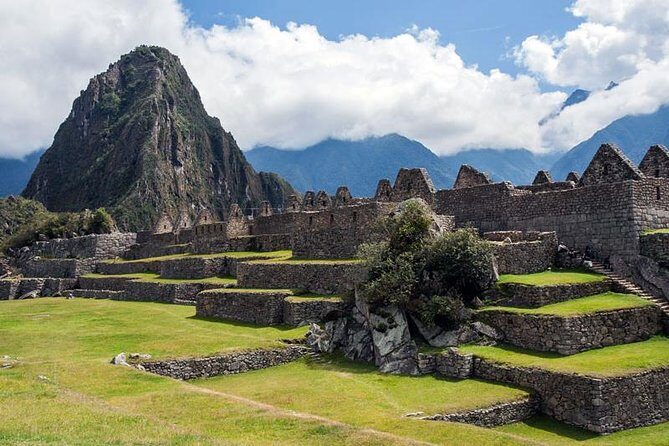
Your final day starts with breakfast: juice, fruit, and a snack to keep you fueled. Then you travel to Machu Picchu based on your entrance time slot. You can either hike the nearly 2-hour uphill trail or take the bus from Aguas Calientes to the entrance.
If you hike, you’ll start between 6:00 and 7:00 AM depending on your assigned slot. If you bus it, you’ll buy the tickets locally in town because the bus isn’t included in this package. Either way, the goal is the same: get inside with enough time to enjoy the site and still do the guided explanation.
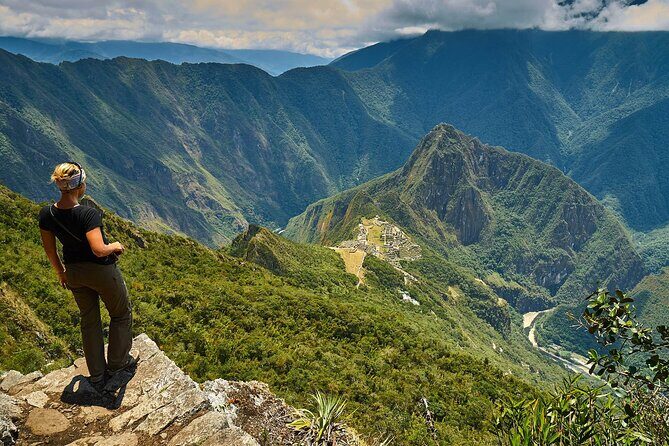
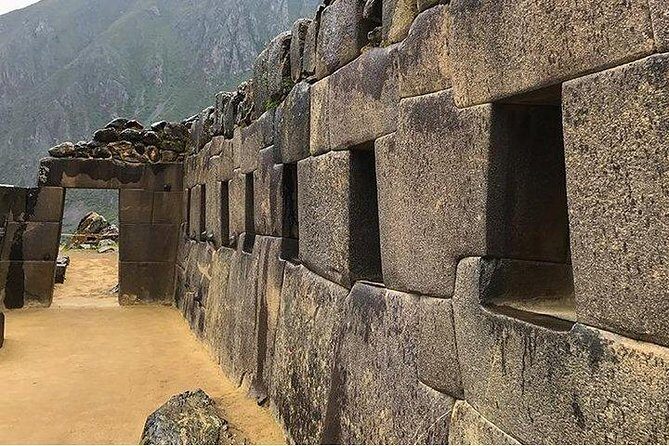
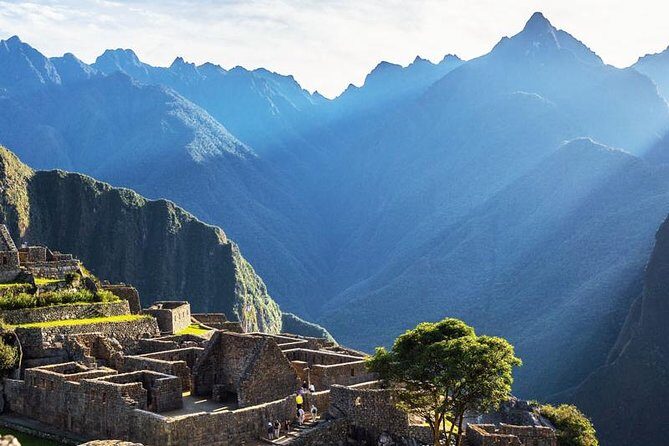
Inside Machu Picchu, you’ll have a guided tour. Your guide explains the architecture, sacred sites, terraces, temples, and urban design that led to its UNESCO status. After that, you’ll have time to wander on your own.
Here’s how I’d think about timing: if you want photos with fewer crowds, the early entrance advantage matters. If you’re tired from the trek, the bus is a reasonable trade. This is also where the guide quality can matter. If you get a guide like Climaco (a name that has shown up in praise), you’ll likely get clearer context fast, which helps you notice more once you’re exploring solo.
After Machu Picchu, you head back down to Aguas Calientes, either by foot or bus. There’s free time for lunch at local restaurants, but lunch on Day 4 isn’t included. Then the plan shifts to getting you home: you take a tourist train to Ollantaytambo (about 1.5 hours) along the Vilcanota River, then a shuttle to Cusco’s city center.
That train return is more than a transfer. It’s a gentle decompression moment after four hard hiking days, and it’s a classic Peru touch.
You can also read our reviews of more tours and experiences in Cusco
Price and Value: Is $412 a Fair Deal?
At $412.17 per person, this is positioned as a structured, guided trek with real inclusions. You’re paying for things that cost money and time: a professional guide, lodging (3 nights camping + 1 night hotel), entrance tickets for Machu Picchu depending on the option you choose, and return transport to Cusco by train.
You also get the porter-luggage system (max 5 kg including sleeping bag) and transport of your luggage between accommodations. That’s a big deal on Salkantay because it reduces the load you carry on the steepest days.
Where the cost can feel less comfortable is the extras. Water and snacks aren’t included, and at least some people reported additional costs for small items during the trek. If you’re the kind of traveler who likes having water always in hand and doesn’t want to hunt down cash for every small need, bring more of your own supplies. Hiking poles can also be very useful; one traveler specifically mentioned bringing them as helpful.
I’d also consider guide consistency. The average rating is 3.8 based on 6 evaluations, so you’ll want to approach with eyes open. When the group size and pacing match what you expect, the trek experience tends to feel organized and safe. If you end up in a mismatched group size, the guide may struggle to keep everyone together—especially during the tougher altitude sections.
What’s Included (and What You Should Plan to Pay For)
Included items make a difference on a trek like this:
- Guide and transport support for the route and luggage transfer.
- Lodging: 3 nights camping plus 1 night in Aguas Calientes in a private room with bathroom.
- Most meals: breakfast (3), lunch (3), dinner (3).
- Entrance: Machu Picchu ticket depending on your option, plus Mollepata and Humantay Lagoon entrance as listed in the package inclusions.
Not included items are exactly where you’ll want a small budget:
- Day 4 lunch
- Water and snacks along the way
- Bus ticket from Aguas Calientes to Machu Picchu (tickets available in town)
Also keep food needs in mind. One traveler said vegan, vegetarian, and gluten-free options are possible. That’s helpful, but I’d still tell your operator ahead of time so they can actually plan meals for your needs.
Fitness, Altitude, and Safety: How to Set Yourself Up Right
This trek is for travelers with moderate physical fitness. That doesn’t mean it’s easy. It means you can handle long walking days, steep sections, and altitude effects if you pace correctly.
The altitude peaks at around 4,630 meters on Day 2. That can cause headaches, nausea, or shortness of breath even for fit people. Your best defense is slow pacing, steady breathing, and no hero moves on the ascent.
It’s also smart to bring the gear that makes a difference on long days. Hiking poles have been called out as helpful. Layers matter too, because Day 1 and Day 2 are cold-to-cool at altitude, while Day 3 turns warmer and more humid.
Finally, choose your group experience carefully. The plan lists a maximum of 15 travelers, and that small-group setup can help safety and guidance. If anything about the group size feels off in your confirmation, treat that as a real signal.
Who This Salkantay Trek Fits Best
This is a strong match if you want:
- A guided trek where most logistics are handled
- The classic Salkantay highlights: Humantay Lagoon and Abra Salkantay
- A smooth finish with Machu Picchu guidance and a train return to Cusco
It’s also a good option if you like having a plan for each day start time and meal schedule. The early wakeups are part of the deal, but they reduce wasted time and help you reach Machu Picchu with your assigned slot.
Should You Book This Salkantay Trek to Machu Picchu by Train?
I’d book it if you want a well-supported version of Salkantay that ends with Machu Picchu in a guided, timed way and includes the return train to Cusco. The value is strongest when you treat included meals, camping gear/structure, and porter luggage as real convenience—not just a “nice to have.”
I’d be more cautious if you dislike extra costs for basics like water and snacks, or if you’re very sensitive to group-size and pacing. Since guidance quality can make or break a tough multi-day trek, confirm the group size matches the stated limit and double-check what’s included versus paid locally (especially for bus access and any entrance-fee confusion around Humantay).
If you’re ready for early mornings, high altitude, and a serious walking day or two, this route is one of the most practical ways to get from Cusco to Machu Picchu without turning the trip into DIY chaos.
FAQ
What time does the tour start from Cusco?
Pickup is offered any accommodation in Cusco, with start time noted as 4:30 am.
How long is the Salkantay Trek to Machu Picchu?
It runs about 4 days.
What’s the group size limit?
The tour lists a maximum of 15 travelers.
Is luggage carried for you during the trek?
Yes. Luggage transport between accommodations is included with a maximum of 5 kg including the sleeping bag.
What kind of lodging do you get?
You get 3 nights camping and 1 night in a hostel with a private room and bathroom.
Are meals included?
Breakfast is included for 3 days, lunch for 3 days, and dinner for 3 days. Day 4 lunch is not included.
Is Machu Picchu entrance included?
Yes, the Machu Picchu entrance ticket is included depending on the selected option.
Do you need to buy the bus from Aguas Calientes to Machu Picchu?
The bus is not included, but tickets are available to purchase in town.
How do you return to Cusco after Machu Picchu?
You take a tourist train to Ollantaytambo (about 1.5 hours) and then a shuttle back to Cusco’s city center.
Is the tour refundable if I cancel?
No. The experience is non-refundable and cannot be changed for any reason.