REVIEW · CUSCO
Choquequirao Trek 4 Days The Lost City of The Inkas
Book on Viator →Operated by Mega Expeditions · Bookable on Viator
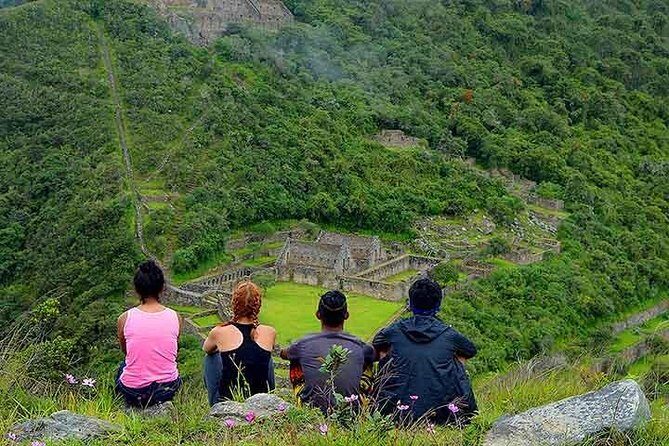
Choquequirao feels like the Inca world slowed down, then leaned in. I like this trek because it mixes big ruins with real trail time, starting from the Cusco area and descending into the Apurimac canyon before you earn your way back up. You also get included camping gear and a professional guide, which matters on a rugged route where comfort is earned, not assumed.
What really makes the experience worth it for me is the way the day plan is built around seeing Choquequirao at its best—sunrise on Day 3, then guided time across the different temple areas and terraces. It’s not just walking; it’s learning while you’re there, with context for the Apurimac and the Vilcabamba range.
The one drawback to weigh honestly is effort: this is a steep, demanding hike over multiple days, with long climbs and early starts. If you’re not comfortable with sustained uphill, expect it to feel like a full-body workout, not a casual nature walk.
In This Review
- Key Highlights Worth Knowing
- Price and Logistics: What $710 Really Covers
- Meeting Times: Early Start, Real Pace
- Day 1: Cachora to the River Camp and Your First Big Views
- Day 2: Santa Rosa and the Steep Push to Marampata, Then Choquequirao
- Day 3: Choquequirao Sunrise, 4 Hours of Ruins, Then Back Down
- Day 4: Canyon Walk-Out via Cachora and Your Return to Cusco
- Camping and Food: Comfort That Actually Helps
- Your Guide Team: English Support and Real Context
- Who Should Do This Trek (and Who Should Think Twice)
- Practical Tips So You Don’t Suffer Needlessly
- Should You Book Choquequirao Trek 4 Days?
- FAQ
- What time is pickup in Cusco?
- Is the Choquequirao entrance fee included?
- What camping gear do I get?
- What meals are included, and what is not included?
- What fitness level do I need?
- How big is the group?
Key Highlights Worth Knowing
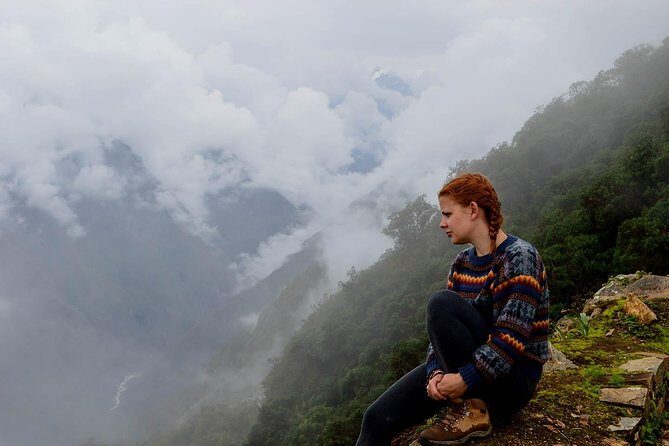
- Sunrise at Choquequirao gives you quiet ruins and a full guided visit across temples and separated areas
- Horse-packed equipment starts your trek smoother than the walking pace suggests
- Camping included with tents, mattresses, and sleeping bags, so you travel lighter
- Remote feel: fewer people compared with more famous sites, because getting here takes work
- Meals included most days with clear exceptions on the last day
Price and Logistics: What $710 Really Covers
At $710 per person for about four days, you’re paying for more than a ticket and a map. You’re also paying for the moving parts that make a remote trek actually work: pickup from your hotel in Cusco, private transportation, an English-speaking guide, and the Choquequirao entrance fee.
You’ll also get the gear backbone—tents, mattresses, and sleeping bags—plus camp setup support through the camping team. That’s a practical value point because trekking in Peru usually punishes you for forgetting basics. With this, you can spend your packing energy on what you personally use day to day, like footwear and layers.
One more logistics detail I like: the group size max is 15 travelers. On a hard trail, a smaller group can mean less waiting at bottlenecks and more attention from your guide when conditions change.
You can also read our reviews of more city tours in Cusco
Meeting Times: Early Start, Real Pace
This trek is built around a very early morning rhythm. You’ll be picked up from your Cusco hotel between 5:30 and 6:00 a.m., and the first push leaves Cachora around 6:00 a.m. in the Day 1 schedule.
That early timing is not random. It helps you get better visibility for the mountain views you’ll pass along the way and gives the trail a workable temperature window. The walk itself is broken into days with clear targets, so you’re not wandering; you’re moving toward the next camp and the next viewpoint.
If you hate mornings, you’ll still manage. Think of it like this: the inconvenience is front-loaded, and the reward hours are later.
Day 1: Cachora to the River Camp and Your First Big Views
Day 1 is about transition—Cusco area energy, then straight into the Andes work. You ride to Cachora (about 3100 m) and arrive around 10:00 a.m., then your equipment is loaded on horses so you can focus on walking.
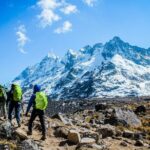
Your trail starts with a gentle downhill on a route that still gives you the sense you’re heading into the Apurimac canyon. You’ll see the snow-capped Mount Padrayoc (5482 m) and Wayna Cachora along the way, then stop briefly at Capuliyoc Pass (around 2900 m) for panoramic canyon views.
Then you descend to the canyon bottom near the river at about 1550 m, where you camp for your first night. The itinerary sets the hiking time at not more than 5 hours, and the temperature range is listed from about 15°C at the start to roughly 25°C by the end. In other words, you can start chilly and finish warm—plan layers accordingly.
Meals: Lunch and dinner are included Day 1. Breakfast on the first day is not included, so eat beforehand before pickup.
Day 2: Santa Rosa and the Steep Push to Marampata, Then Choquequirao
Day 2 is where you feel the trek fully. After breakfast at 5:00 a.m., you head uphill toward Santa Rosa (2100 m) for lunch. This segment is described as the hardest, with up to about 6 hours of walking and a listed temperature change from around 22°C to about 18°C.
That’s where your pacing matters. It’s not just the incline; it’s the length of time you’ll spend climbing. If you go out fast, you’ll pay for it later. I’d rather you move steadily, keep breathing controlled, and save your legs for Marampata and Choquequirao.
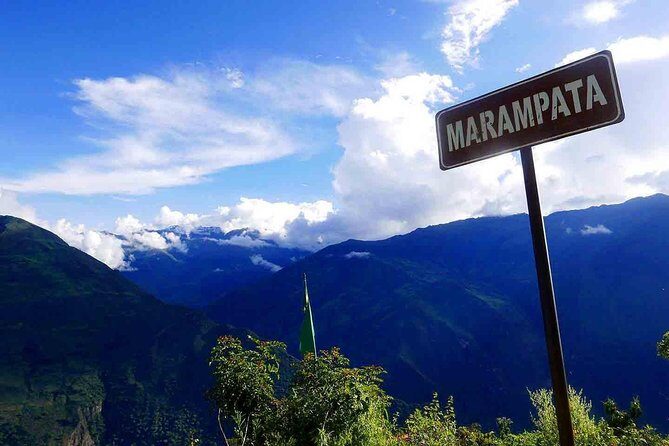
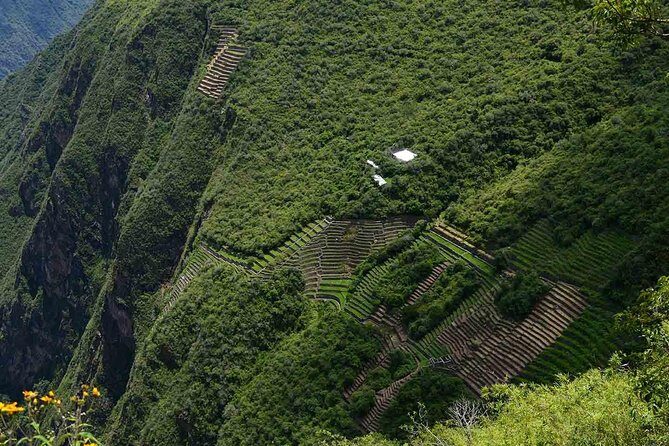
From Santa Rosa, you continue to Maranpata (2850 m), the edge of the canyon and the point where the steep climbing eases. You get back a sense of the bigger route because you can see the road you walked on Day 1, and you also see the vegetation that exists at this elevation range.
Then you continue onward to the camping area close to Choquequirao, so you’re not far from the ruins when you wake up the next day.
Meals: Breakfast, lunch, and dinner are included Day 2.
Day 3: Choquequirao Sunrise, 4 Hours of Ruins, Then Back Down
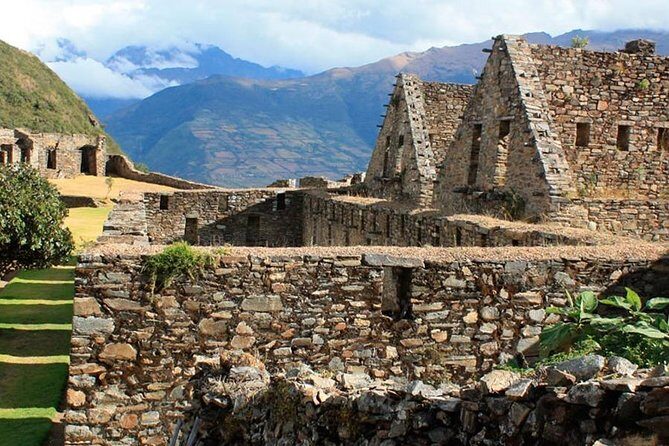
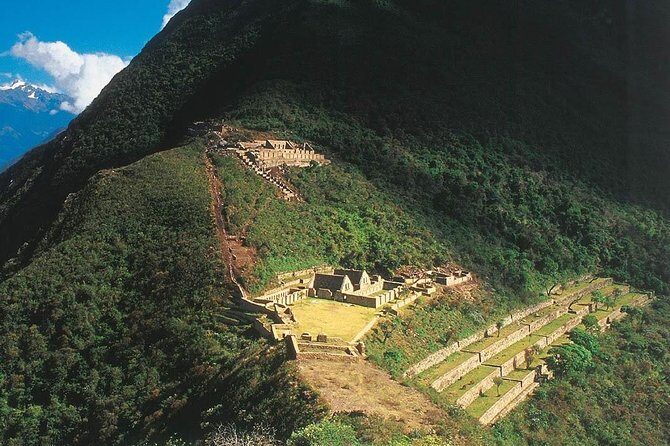
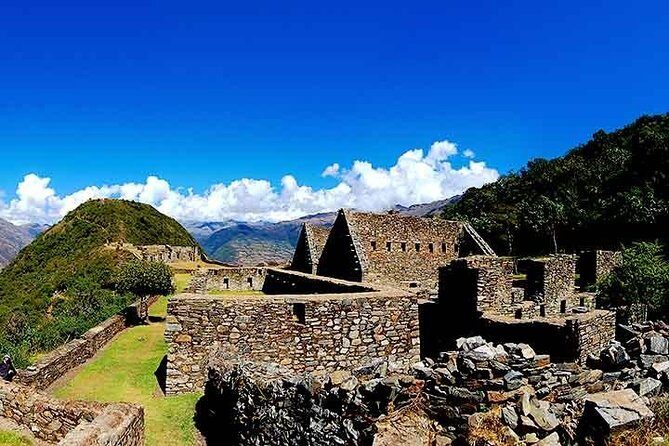
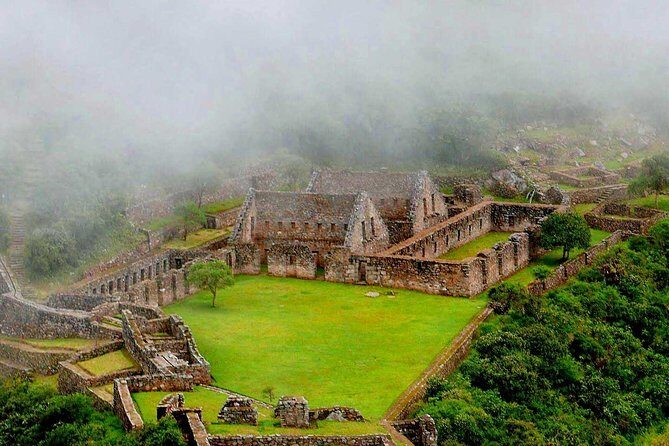
Day 3 is your payoff day, starting with sunrise at Choquequirao. After breakfast, you head toward the citadel and spend about 4 hours visiting. The ruins are described as a large city with temples and areas set apart from each other, and your guide explains the refuge role of Choquequirao and the importance of the Apurimac and river.
This is also the day you get views toward the Vilcabamba range. Even if you know the basics of Inca geography, seeing it from this canyon-side setting makes the location feel logical. People didn’t build here by accident. It’s hard to access, which helps explain why you feel like you’re entering a place with purpose.
After midday, you return to the camping area for lunch, then you hike down into the canyon to set up your new camp on the river beach. That means you’re not just climbing through this trek. You also get the change of pace of descending, where the air can feel different and the canyon feels closer.
Meals: Breakfast, lunch, and dinner are included Day 3.
You can also read our reviews of more hiking tours in Cusco




Day 4: Canyon Walk-Out via Cachora and Your Return to Cusco
Day 4 starts early again. You hike after breakfast at about 6:00 a.m., then return along the same road until you reach the canyon edge. From there, it turns into a more gradual stretch—described as about 2 hours of flatter walking—until you reach Cachora.
You arrive around 12:00 p.m., and then you transfer by car back to Cusco, taking about 3 hours. That puts you back in town for the afternoon, with the trek energy fading into normal day life.
One practical note: the last day does not include lunch or dinner. If you like to eat soon after arriving at Cachora, plan for that. You’ll probably want cash or a way to pay for food once you’re back off the trail.
Meals: Breakfast is included on Day 4, but lunch and dinner are not.
Camping and Food: Comfort That Actually Helps
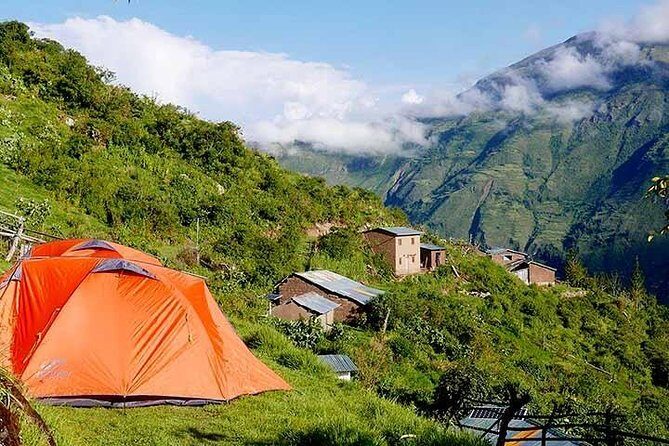
For a multi-day trek, I care about two things: sleeping and meals. This tour includes full camping gear—tents, mattresses, and sleeping bags. That’s a big deal because it keeps you from making do with poor sleep, especially after long uphill days.
As for food, meals are included across the trek: breakfast (3), lunch (3), dinner (3). The itinerary lists the first day breakfast and the last day lunch/dinner as not included, so you aren’t fully covered every morning. Still, the structure is good because it means you’re fed while you work, and you don’t need to find meals mid-day on the trail.
In the camp, expect Peruvian-style meals and the kind of steady teamwork that keeps camp running smoothly. In past experiences tied to this operator, people have praised the campsite setup and the food quality, which usually comes from both ingredients and consistency.
Your Guide Team: English Support and Real Context
A professional guide is not a luxury on a trek like this. It affects your pace, your safety, and how much you understand once you reach Choquequirao.
This trek includes a professional guide and is offered in English. The guide is also described as explaining the significance of Choquequirao as an Inca refuge and tying it to the Apurimac and river system. That kind of context turns the ruins from impressive piles of stone into a place that makes sense.
You might meet guides such as Nixon or Renso, names that have come up in connection with this trek experience. Even if it’s someone else, the common theme is consistent: you’ll want a guide who can speak clearly and explain what you’re looking at while you still have the energy to pay attention.
Who Should Do This Trek (and Who Should Think Twice)
This is listed for travelers with moderate physical fitness. That’s a helpful label, but don’t treat it like a guarantee of ease. The trail includes steep climbs, multi-day walking, and early starts, so you’ll want to be comfortable with sustained effort.
If you’re someone who enjoys hiking, doesn’t mind a challenge, and can handle altitude swings as you move between around 1550 m and higher points like 2850 m, you’ll likely love the experience.
If you’re hoping for mostly flat walking or you want a gentle walk with short stops, you may find this too demanding. Your legs will get a clear message.
Practical Tips So You Don’t Suffer Needlessly
You’re given what you need for camp, but the tour does not include water and snacks. That means you’ll want to think ahead about hydration and energy during the day. Carry a bottle system you trust. Don’t count on being able to buy everything on the fly.
The temperature ranges listed are a useful clue:
- Day 1 shifts from about 15°C to 25°C
- Day 2 shifts from about 22°C down to 18°C
So even if you start cool, you can warm up quickly after a few hours of walking. Plan layers you can remove and store easily. A rain layer is also smart in the Andes, even when the plan doesn’t mention it.
Footwear matters. This route includes down-and-up sections, rocky trails, and long hours. Bring hiking shoes you’ve worn before.
And one more thing: go slow at the start of uphill segments. The trek’s difficulty is cumulative. A steady pace keeps you from feeling drained before you reach the rewarding parts like Maranpata and sunrise at Choquequirao.
Should You Book Choquequirao Trek 4 Days?
Book it if you want a serious Andes hike with sunrise ruins and a real chance to see Choquequirao without big-tour chaos. You’re paying for a full package: transportation, guide, entrance, and camping gear, plus most of your meals. That reduces decision fatigue and lets you focus on the trail.
Skip or reconsider if you want light walking, you dislike early mornings, or you know you struggle with sustained climbs. This trek rewards grit and preparation.
If you’re the kind of traveler who likes earning the view and learning while you walk, this one fits. You’ll end the days tired, and you’ll also feel like you actually got somewhere.
FAQ
What time is pickup in Cusco?
Pickup happens between 5:30 and 6:00 a.m. You can wait at your hotel reception with a tea while the team arrives.
Is the Choquequirao entrance fee included?
Yes. The Choquequirao entrance fee is included in the tour price.
What camping gear do I get?
You get full camping gear: tents, mattresses, and a sleeping bag.
What meals are included, and what is not included?
Meals included are breakfast (3), lunch (3), and dinner (3). Not included are breakfast on the first day, and lunch and dinner on the last day. Water and snacks are also not included.
What fitness level do I need?
The trek is listed for travelers with a moderate physical fitness level.
How big is the group?
The tour has a maximum of 15 travelers.