REVIEW · CUSCO
Sacred Valley with Moray & Salt Mines I Full Day Tour
Book on Viator →Operated by Cusco Destinations Tours & Travels · Bookable on Viator
Salt ponds and Inca farmland in one day. This private Sacred Valley route is interesting because it links Moray with the dramatic salt-water workings of Salinas de Maras, then keeps going through major Inca sites with real-world context from a guide.
I also like how the day is built as a sequence of “see it, then understand it” stops: textile-focused Chinchero in the morning, an Urubamba lunch break, and then the big ruins at Ollantaytambo and Pisac. The main drawback is the add-on cost reality: the Cusco Tourist Ticket (PEN 70) and Salt Mines entrance (PEN 20) are not included, and meals are not included either.
In This Review
- Quick hits before you go
- Why This 10-Hour Sacred Valley Circuit Makes Sense
- Chinchero: Textiles First, Then the Archaeological Site
- Salinas de Maras: Watching Salt Water Become a System
- Moray: The Inca Agricultural Lab You Can Still Read
- Urubamba: A Lunch Break Built Into the Route
- Ollantaytambo: Temples, Massive Stones, and a Place Still Alive
- Pisac: Terraces, Temples, an Intihuatana, and Lots of Tombs
- Price and Logistics: Where the Value Really Comes From
- The Guide Factor: When Explanations Turn Stops Into Learning
- Who This Tour Fits Best (And Who Should Skip It)
- Should You Book This Sacred Valley Full-Day Tour?
- FAQ
- How long is the Sacred Valley with Moray & Salt Mines full-day tour?
- What’s included in the tour price?
- What is not included?
- Do I need the Cusco Tourist Ticket for this tour?
- Is the Salt Mines entrance included?
- What time does the tour start?
- Is this a private tour or shared tour?
- What sites are included in the itinerary?
- What are the guide language options?
- What is the cancellation policy?
Quick hits before you go
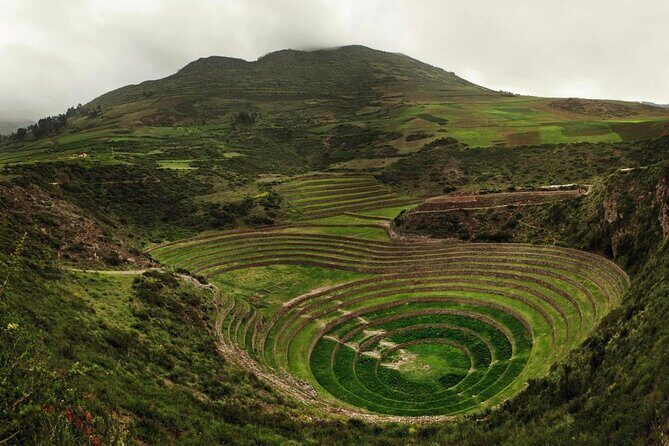
- Moray’s agricultural experiment layout: you’ll get an explanation for how the Incas studied crop conditions.
- Salinas de Maras salt channels: you’ll see the spring water routed into ponds across the hillside.
- Chinchero’s textile-manufacturing stop: a hands-on angle on Andean weaving comes before archaeology.
- Private transportation with an English or Spanish guide: fewer hassle points, just your group.
- A full 10-hour day starting at 7:00 am: great coverage, but plan for a long schedule.
Why This 10-Hour Sacred Valley Circuit Makes Sense
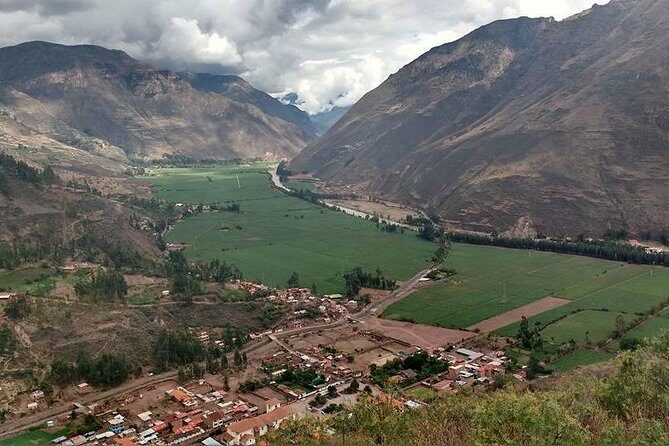
This is the kind of day trip that actually earns its time. You start at 7:00 am in Cusco, then spend about 10 hours going point-to-point through the Sacred Valley highlights. It’s private, so you’re not stuck in a big group shuffle, and the transport is handled for you.
The itinerary also has a smart flow: textiles and culture (Chinchero), then practical “nature + technology” (Moray and the salt-water works at Maras), then classic Inca built environments (Ollantaytambo and Pisac). If you’re the type who enjoys learning why these places mattered instead of just snapping photos, this structure fits well.
One note on expectations: each archaeology stop is brief (mostly 30–45 minutes). That’s not a problem if you’re going for breadth and good context. It’s less ideal if you want long, slow wandering and lots of time to catch every detail on your own.
You can also read our reviews of more tours and experiences in Cusco

Chinchero: Textiles First, Then the Archaeological Site
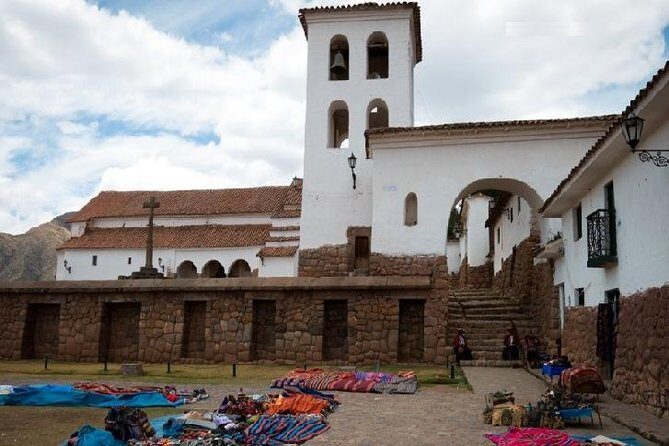
Stop 1 is Complejo Arqueológico Chinchero, starting with an Andean textile-manufacturing center and then a quick visit of the Chinchero archaeological site. Total time is about 45 minutes, and the admission ticket is not included.
Why I like starting here: it sets you up to understand something very “local” before you move into stone-and-history mode. When you see weaving and the care that goes into making textiles, the rest of the day feels less like sightseeing and more like a cultural map.
What to consider: because the stop is time-limited, you’ll want to keep your questions sharp. Ask about what you’re seeing in plain terms, not broad history essays. Also budget for entry costs at each site—Chinchero is not included.
Salinas de Maras: Watching Salt Water Become a System
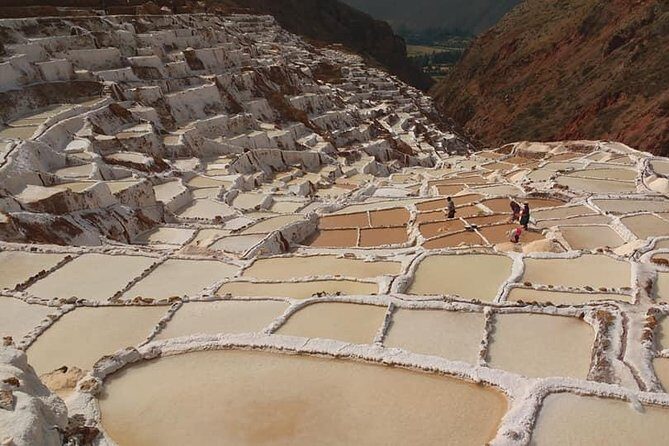
Stop 2 is Salinas de Maras. This is where a natural salt-water spring emerges from the mountainside and the water is intricately channeled into ponds. You get about 30 minutes here, and entrance to the salt mines is not included.
This stop is memorable because it’s not abstract. It’s a working system shaped by humans around a natural source. You’re seeing how water routing becomes salt production, pond by pond. Even if you’re not a science person, the visuals make the logic click fast.
The main practical thing to plan: entrance fees add up across a day like this. Salinas specifically has a PEN 20 per-person entrance fee not included in the tour price. If you want no surprises, set aside money early so you’re not stuck figuring it out at the gate.
Moray: The Inca Agricultural Lab You Can Still Read
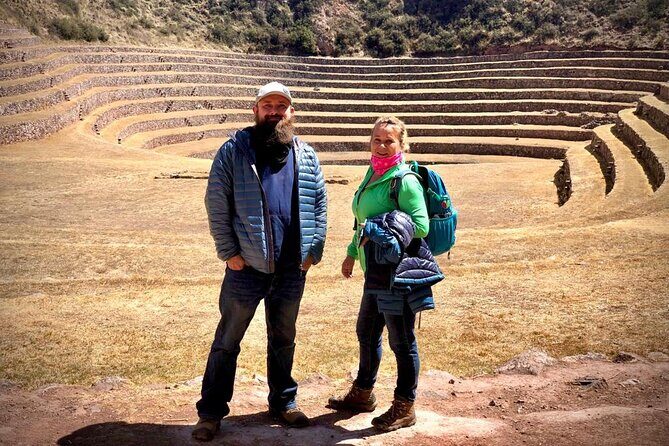
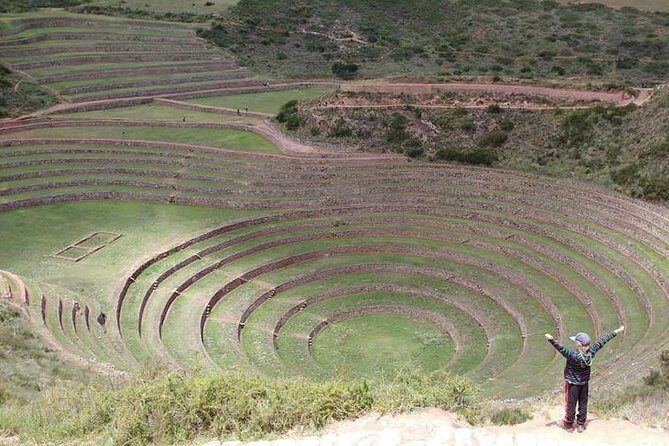
Stop 3 is Moray, used by the Incas for agricultural experimentation. The idea was to study the effects of different climatic conditions on crops. Time is about 30 minutes, and admission is not included.
Moray is one of those places where a good guide matters a lot. The physical layout helps you understand the concept, but explanations turn the site from ruins into an actual lesson. One of the strongest experiences I’ve seen with this kind of tour is when your guide connects the geometry and the setting to the experimentation purpose. The point isn’t just that the Incas built here—it’s how they used the environment like a giant, outdoor research tool.
What to watch for: the stop is short. You’ll get the big picture, but you won’t have hours to trace every angle. If you’re hoping for slow photography or extended reading time, you might wish the stop were longer.
Urubamba: A Lunch Break Built Into the Route
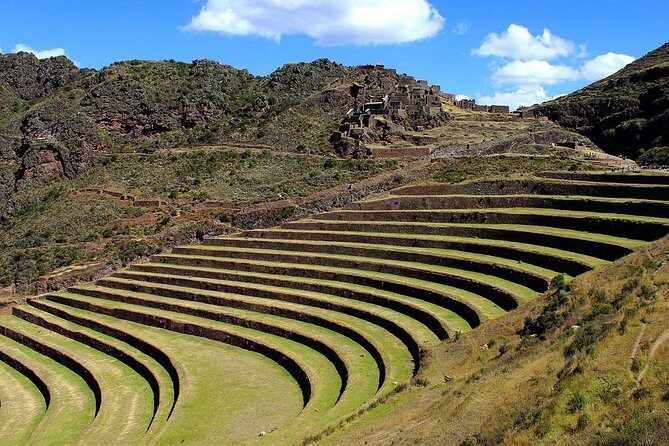
Stop 4 is Urubamba, with about 1 hour set aside to enjoy a buffet lunch. The itinerary notes admission ticket is free here, but meals are listed as not included.
So here’s the honest approach: treat Urubamba as your midday reset. You’ll have scheduled time to eat, but confirm how lunch payment works with your operator before you get hungry. A “buffet lunch” can sometimes mean included, and sometimes it’s a purchase on-site—your confirmation materials should clarify it.
Why this pause helps: after the morning of archaeology plus road time, food buys you energy for the afternoon sites. If you’re traveling with a tight schedule, this is a good moment to refill and regroup.






Ollantaytambo: Temples, Massive Stones, and a Place Still Alive
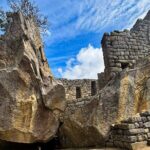
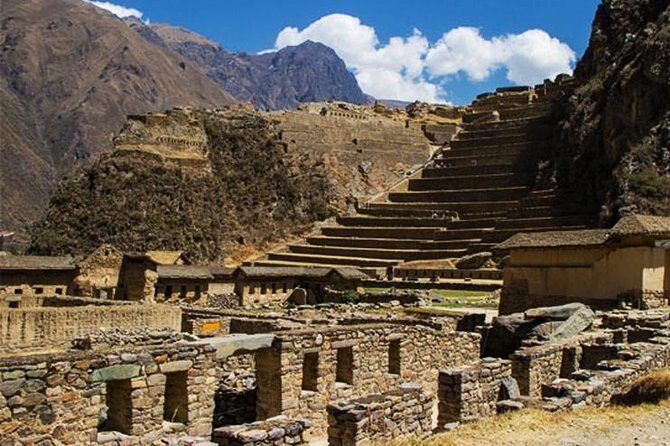
Stop 5 is Archaeological Park Ollantaytambo. You’ll admire the Temple of the Sun, enormous carved rock blocks, and the sense that the site connects to a living Inca city (as the itinerary describes it). Time is about 45 minutes, and admission is not included.
Ollantaytambo tends to do something special: the stonework looks engineered, not just ancient. The big, carefully carved blocks and the way the structures sit in the valley make you feel the planning behind it.
The drawback is similar to the others: 45 minutes can disappear fast at Ollantaytambo, especially if you like taking your time. If you’re the type who wants to really inspect stone carving and architecture, bring your patience and prioritize the areas you most want to see.
Pisac: Terraces, Temples, an Intihuatana, and Lots of Tombs
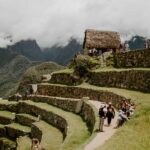
Stop 6 is Parque Arqueologico Pisac, also about 45 minutes, with admission not included. Expect farming terraces, temples, carvings, tunnels, the famous Intihuatana, and the biggest Inca cemetery with more than 350 Inca tombs (as the itinerary describes it).
Pisac is a strong finish because the site covers a lot of different categories: agriculture (terraces), ritual and structure (temples and carvings), and the human side of how communities remembered the dead (cemetery and tombs). If you like variety in one place, this works.
One consideration: a cemetery with hundreds of tombs can feel emotionally heavy compared with the more “wow construction” sites. A good guide can help you keep it respectful and grounded while still understanding what you’re looking at. And again, your time is limited, so you’ll want to take in the main features rather than trying to capture everything.
Price and Logistics: Where the Value Really Comes From
The tour price is $130 per person and it includes hotel pickup and drop-off, an English or Spanish-speaking guide, and private transportation. That’s the core value: transport plus a guide plus reduced hassle.
But you also need to budget the costs that are not included:
- Cusco Tourist Ticket: PEN 70 per person
- Salt Mines entrance (Salinas de Maras): PEN 20 per person
- Meals: not included
On paper, that means the “real” spend is more than the headline price once you add those fees. Still, it can be good value if you’re trying to cover multiple sites in one day and you’d rather not arrange each leg yourself.
Also remember: your guide’s time is part of the product. When you’re dealing with Inca agriculture, water systems, and built architecture, the explanation can make the difference between a set of pretty ruins and an actual understanding of what you’re seeing.
The Guide Factor: When Explanations Turn Stops Into Learning
This route really benefits from a guide who can connect visuals to meaning. In this operator’s orbit, I’ve heard examples of guides like Nilo making Moray and Salinas click with clear detail about what you’re looking at and why it mattered. I’ve also seen the agency’s service described as professional and punctual, with guides such as Soledad praised for being prepared, kind, and not pushing detours.
You can’t count on a specific name every time, but the overall pattern is consistent: the tour works best when your guide keeps things focused on the sites, not on distractions.
If you want to get the most out of the day, come with 2–3 questions you actually care about—like how Moray’s layout relates to farming conditions, or how the spring water becomes controlled salt ponds.
Who This Tour Fits Best (And Who Should Skip It)
This is a great fit if you want:
- a private way to hit multiple Sacred Valley highlights in one day
- a guided explanation that helps you interpret what you’re seeing
- a route that moves logically from textiles and culture into Moray and the salt system, then into big Inca parks
It’s less ideal if you:
- hate early mornings (it starts at 7:00 am)
- want long, slow visits at each site
- want meals fully handled without any on-the-day decisions (meals are listed as not included)
Should You Book This Sacred Valley Full-Day Tour?
If you’re short on time in Cusco and you want to cover Chinchero, Moray, Salinas de Maras, Ollantaytambo, and Pisac with transport and guiding handled, I’d call this a strong booking. The structure is efficient, and the stops are varied enough that the day won’t feel repetitive.
Just do the money math first. Confirm how lunch works in Urubamba, set aside the Cusco Tourist Ticket cost, and plan for Salt Mines entrance at Maras. If you handle those details upfront, the day runs like a well-timed checklist—with the added bonus that a good guide can make the science and purpose behind these places feel real.
FAQ
How long is the Sacred Valley with Moray & Salt Mines full-day tour?
It runs for about 10 hours (approx.), starting at 7:00 am.
What’s included in the tour price?
Included are hotel pickup and drop-off, an English or Spanish speaking guide, and private transportation.
What is not included?
The Cusco Tourist Ticket (PEN 70 per person), the Salt Mines entrance fee (PEN 20 per person), and meals are not included.
Do I need the Cusco Tourist Ticket for this tour?
Yes. The Cusco Tourist Ticket is listed as PEN 70 per person and is not included.
Is the Salt Mines entrance included?
No. Entrance to the Salt Mines is listed as PEN 20 per person and is not included.
What time does the tour start?
The meeting/start time is 7:00 am.
Is this a private tour or shared tour?
It’s a private tour/activity. Only your group participates.
What sites are included in the itinerary?
The stops are Chinchero, Salinas de Maras, Moray, Urubamba (lunch stop), Ollantaytambo, and Pisac.
What are the guide language options?
The guide is offered in English or Spanish.
What is the cancellation policy?
There is free cancellation, with a full refund if you cancel at least 24 hours in advance of the experience’s start time.