REVIEW · CUSCO
Sacred Valley of the Incas Tour
Book on Viator →Operated by TRIPMAPI · Bookable on Viator
Four stops, one smooth day in the Andes. This Sacred Valley of the Incas tour strings together Ollantaytambo, Moray, Maras salt mines, and Pisac Market so you see both major Inca building styles and a living, working countryside. I also like having a real guide (César is frequently mentioned) who points out details you’d probably miss on your own. One thing to plan for: there’s driving between sites at altitude, plus some spots include stairs and uneven ground.
The pacing is designed to keep the day moving without feeling rushed. You’ll start with the best-known fortress-and-terrace views at Ollantaytambo, then shift to Inca agriculture at Moray, and finish with the crafts and terraces around Pisac. The salt mines at Salinas de Maras are especially memorable because they show an old local industry that still runs today.
For comfort, you get an air-conditioned vehicle with Wi‑Fi on board, and pickup is available from Cusco airport, hotel, or Airbnb. The price is $80 per person for about 7 hours, and it can be good value if you want a private day with a guide and a simple logistics plan. Quick heads-up: the details list entrance tickets as not included, yet the itinerary labels tickets as included for each stop, so check what’s correct for your specific booking.
In This Review
- Key highlights worth your time
- How This 7-Hour Sacred Valley Route Fits Together
- Cusco Pickup to Ollantaytambo: Getting Oriented Fast
- Ollantaytambo Archaeological Park: Terraces, Fortresses, and Daily Life
- Moray’s Circular Agricultural Lab: Inca Farming Experiments at High Altitude
- Salinas de Maras Salt Mines: Centuries of Artisanal Work
- Pisac Market and Terraces: Crafts, Potatoes, and Granaries
- Guide and Vehicle Setup: Comfort Plus Real Stories
- Price and Value: What $80 Covers and What to Confirm
- Who Should Book This Sacred Valley Tour?
- Should You Book This Tour?
- FAQ
- What stops are included on the Sacred Valley tour?
- Do you offer pickup in Cusco and where does the tour drop you off?
- What is included in the $80 price?
- What isn’t included?
- Is the tour physically demanding?
- What happens if weather is bad?
Key highlights worth your time
- Ollantaytambo’s Temple of the Sun with steep staircase access and superimposed terraces
- Moray at over 3,500 meters, described as an Inca agriculture lab for adapting seeds
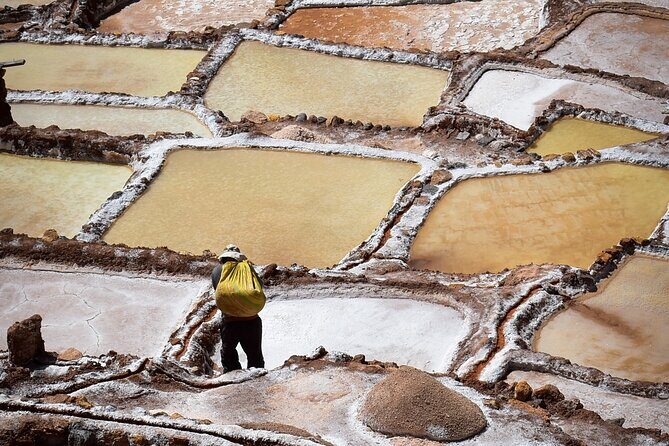
- Salinas de Maras and its salt-filled wells fed by natural saltwater
- Pisac Market plus Andean craft shopping and agricultural terraces and granaries
- Private tour for your group with hotel or airport pickup in Cusco and the Sacred Valley
- Comfort adds up: air-conditioned vehicle, Wi‑Fi, professional guide, all fees and taxes
How This 7-Hour Sacred Valley Route Fits Together
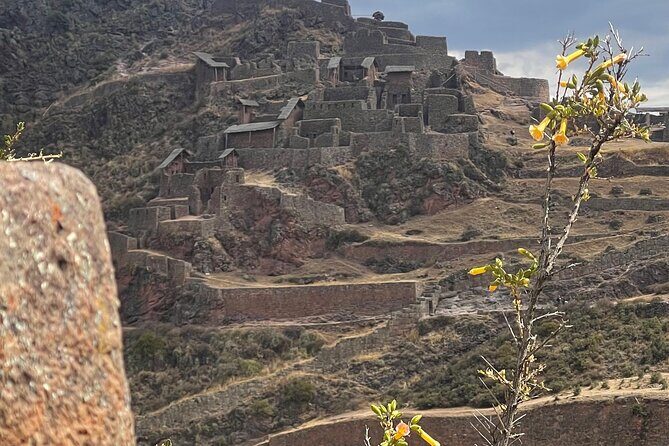
This tour is built for a classic Sacred Valley day: ruins in one direction, then agriculture and everyday local work, then market time. In about 7 hours, you hit four major stops without having to plan bus routes or juggle multiple tickets.
You’ll feel the altitude more than you might expect. Ollantaytambo sits around 2,900 meters, and Moray is higher than 3,500 meters. You don’t need to be an athlete, but you should expect short climbs, stairs, and some uneven walking.
Driving is part of the deal. The schedule notes travel between stops, and even if transfers are relatively short, the day adds up. If you’re sensitive to motion sickness, it’s worth noting that a driver in this service was specifically praised for safe navigation on winding roads around Cusco.
You can also read our reviews of more tours and experiences in Cusco.



Cusco Pickup to Ollantaytambo: Getting Oriented Fast
Pickup is flexible. You can be collected from the Cusco airport, your Cusco hotel, or an Airbnb in Cusco (and also from the Sacred Valley). Then you either get dropped back where you started, or you can request a drop at the Ollantaytambo train station or another preferred place.
That flexibility matters if you’re connecting to the train later. Ollantaytambo is a key logistics hub for Machu Picchu routes, so a drop there can save time and stress.
Once you’re in the vehicle, the structure of the day usually clicks into place fast. You go site by site, but the guide helps connect them: fortresses and terraces, then agriculture experiments, then salt production, then farming storage and markets.
Ollantaytambo Archaeological Park: Terraces, Fortresses, and Daily Life

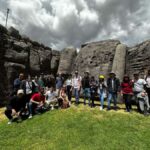
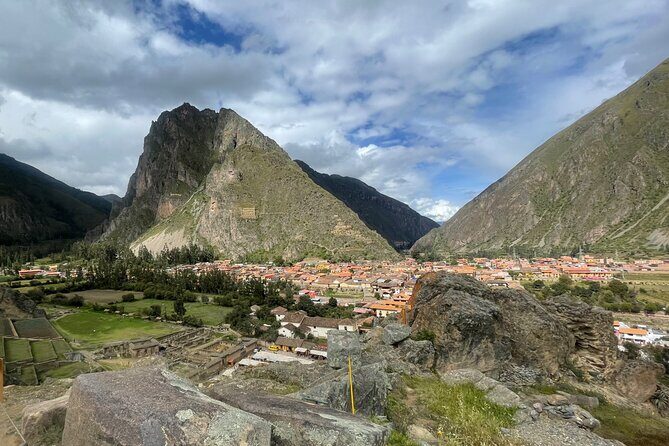
Ollantaytambo is one of the most striking Sacred Valley stops because it mixes big Inca architecture with a sense of place that still feels lived-in. It’s described as the last living Inca village preserving the designs of Inca buildings, at about 2,900 meters.
Plan on a major photo moment early. The Temple of the Sun features superimposed terraces that are accessed by a steep staircase. Even if you’re not a huge ruin person, this part is hard to ignore because the design literally stacks the story upward.
Then there’s the fortress image. You’ll see a stone pyramid fortress built between two mountains meant to protect the valley. It’s the kind of construction choice that makes you think about defense and farming at the same time.
One extra detail I’d encourage you to watch for: the area includes Pinkuylluna (also called Tunupa), where architectural traces seem to suggest a role as a warehouse for various food products. That’s a useful reminder that Inca sites weren’t just ceremonial. They were also systems for feeding communities.
If you like observing local culture, this stop delivers. The area is also described as a meeting place for nearby communities, visible through ponchos and hats.
Time note: the stop time listed is about 3 hours, and it’s enough time to walk, look closely, and not feel like you’re sprinting.
Moray’s Circular Agricultural Lab: Inca Farming Experiments at High Altitude
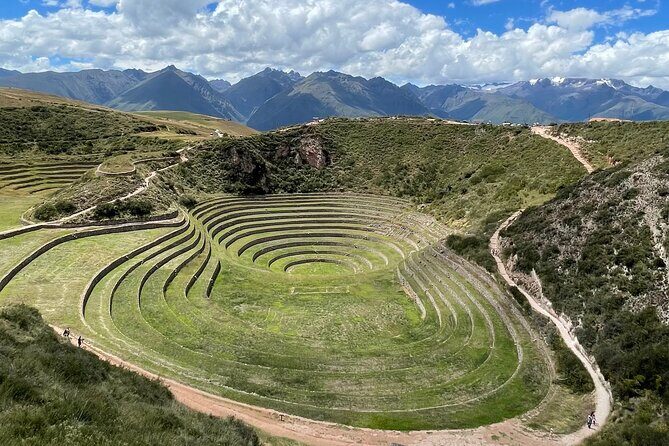
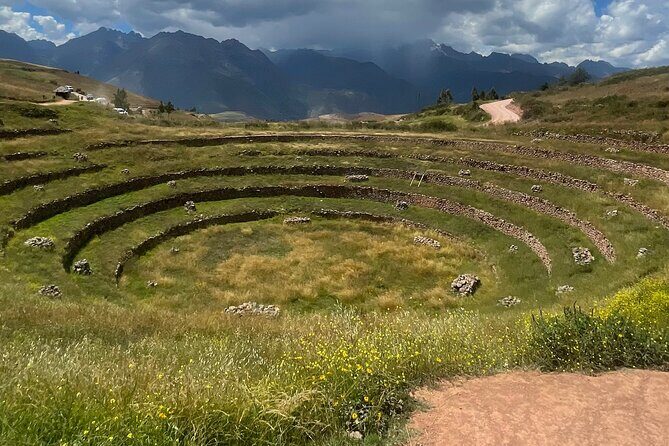
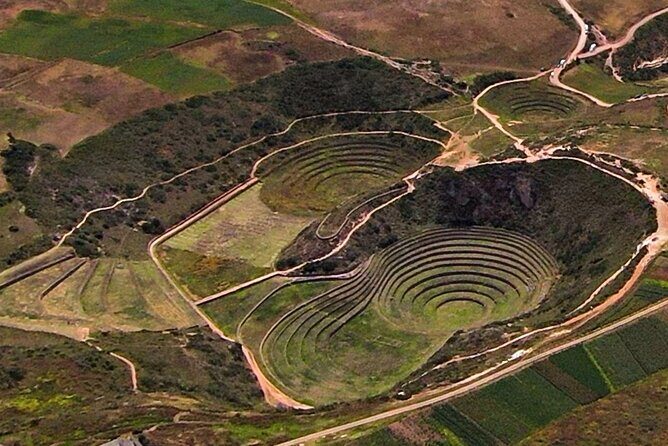
Moray is a change of pace from stone fortresses. Instead of defense and ceremonies, you’re looking at an agricultural experiment space—described as the place where agriculture begins, and the site of the most important agricultural laboratory.
The setting is often explained as a way to adapt seeds from different plants and later produce seeds for different ecological levels. You’re basically seeing how the Inca may have tested farming conditions and optimized growing success.
This stop also comes with a reality check: altitude. Moray is listed at more than 3,500 meters. So even though the walk may not feel long, your body might work harder than normal.
The good news: Moray tends to reward slow observation. If your guide is strong (César is frequently praised for storytelling and explanation), you’ll understand what those circular terraces likely meant beyond looks.
Time note: you’ll have about 1 hour here, so focus on the key circles and any vantage points your guide highlights. If you feel winded, take a slower pace and don’t force the uphill steps.
Salinas de Maras Salt Mines: Centuries of Artisanal Work
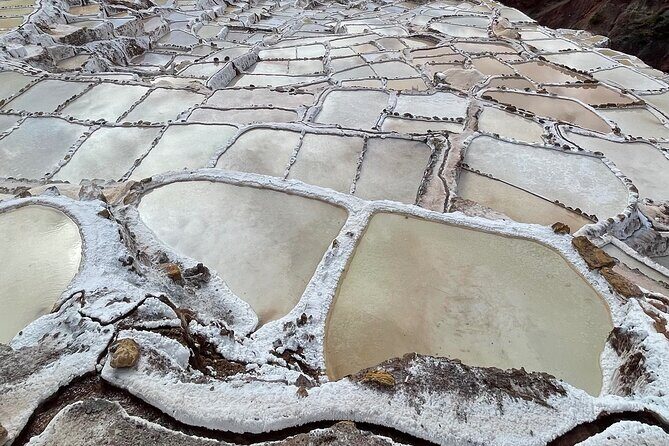
Salinas de Maras is the Sacred Valley stop that feels most unusual, because it’s not just ruins. It’s a long-running local industry built around natural saltwater.
The description says salt water comes from the mountains and fills each well. From there, people produce salt in an artisanal way that’s been happening for hundreds of years.
What makes it worth your time is the “still going” factor. You’re looking at a landscape of small wells and seeing work patterns that connect directly to community life, not only to ancient history.
You’ll likely spend about 1 hour in this area. That’s enough to walk the edges, take photos, and get the basic story without feeling rushed.
Practical note: expect uneven surfaces. You’re outdoors for the whole salt mine portion, and the ground can be textured. Comfortable shoes help more than you’d think.




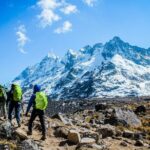
Pisac Market and Terraces: Crafts, Potatoes, and Granaries
Pisac combines three things that fit well after the heavier ruin stops: views, farming history, and a market you can actually browse.
On the Inca side, the description highlights agricultural terraces and warehouses or granaries. That matters because it shifts the “why” from buildings to storage and production. Terraces show water control and farming adaptation, while granaries speak to food security.
Then you get market time. The Andean people in this area preserve varieties of potatoes, and that theme is worth connecting to what you saw at Moray. Different farming approaches and ecological adaptation all link together.
You can also visit the craft market. If you like small, handmade items rather than mass-produced souvenirs, Pisac is a solid place to look. It’s also a good opportunity to practice bargaining politely, ask what something is made from, and keep your eyes open for quality.
Time note: the listed stop is about 2 hours. Use part of that for browsing without pressure, then take a short walk to find a terrace or view spot before the day ends.
Guide and Vehicle Setup: Comfort Plus Real Stories
This is a private tour/activity, meaning only your group participates. That’s a big deal in the Sacred Valley. It keeps your day flexible and reduces the awkward feeling of matching someone else’s pace.
You’ll have a professional guide, and a recurring name you’ll see linked to this kind of service is César. The praise tends to focus on how he explains culture and the area in a way that feels practical, not just lecture-style facts.
The guide angle matters most at Ollantaytambo and Moray. Those sites can look like “cool stone shapes” if you don’t know what to look for. A good guide helps you connect terraces, stairs, fortress construction, and agricultural design into one coherent story.
There’s also mention of the driver team, including a driver named Ollidón/Ollidon, praised for safe navigation and helping someone who typically gets motion sickness. If you’re nervous on winding roads, that’s a real benefit to look for.
On comfort, you’ve got an air-conditioned vehicle and Wi‑Fi on board. It’s a nice touch on a long day when you want your phone charged, especially for mapping and quick check-ins.
Price and Value: What $80 Covers and What to Confirm
At $80 per person for about 7 hours, this tour can be good value if you factor in three things: private transportation, a professional guide, and fees/taxes included.
The included list says you get:
- Air-conditioned vehicle
- Private transportation
- Wi‑Fi on board
- All fees and taxes
- Professional guide
What’s not included:
- Lunch
- Snacks
- Entrance tickets
Here’s the confusing part. The itinerary notes admission tickets as included for Ollantaytambo, Moray, Salinas de Maras, and Pisac Market. Since the fine print also says entrance tickets aren’t included, I’d treat this as a “confirm before you go” situation. Ask the provider what’s actually covered for your booking.
Even without lunch and snacks included, you’re not stuck. You’ll just want to plan for a mid-day meal stop or bring light snacks if your schedule works. The day is long enough that hunger can take over fast.
Who Should Book This Sacred Valley Tour?
This is a strong choice if you want a structured day that hits the big Sacred Valley anchors: Ollantaytambo, Moray, Maras salt mines, and Pisac. It also fits well if you prefer private pacing, especially if you’re traveling with kids or want a calm rhythm.
If you like photos, you’ll probably appreciate the guide support. One theme in the praise is a strong eye for pictures and helpful photo tips, which can make a big difference when you’re on terraces and need good angles fast.
Solo travelers can also feel comfortable with a private guide structure. The point isn’t crowd-watching; it’s getting context and having someone handle logistics.
Who should hesitate? If you have mobility limits or get hit hard by altitude, the combination of stairs at Ollantaytambo and the elevation at Moray could be challenging. The tour notes a moderate physical fitness level, so it’s not an easy flat stroll day.
Should You Book This Tour?
Book it if you want a single-day Sacred Valley plan that combines major ruins with agriculture and living local work. The mix of fortress-and-terraces plus Moray’s farming lab plus Maras salt production plus Pisac market time is the kind of balance that helps the whole region make sense.
Skip or rethink it if you strongly dislike stairs, you’re very altitude-sensitive, or you need total certainty about entrance tickets coverage. Since the data lists ticket coverage in two different ways, spend 60 seconds confirming what you’ll pay on-site.
If you get your logistics straight and you show up ready to walk a bit, this is the sort of day that makes the Sacred Valley feel coherent, not like a checklist.
FAQ
What stops are included on the Sacred Valley tour?
The tour includes Archaeological Park Ollantaytambo, Moray, Salinas de Maras salt mines, and Pisac Market.
Do you offer pickup in Cusco and where does the tour drop you off?
Yes. Pickup is offered from the Cusco airport, hotels, and Airbnb listings in Cusco, and/or the Sacred Valley of Cusco. Drop-off is back to the pickup point, or you can request drop-off at the Ollantaytambo train station or another preferred place.
What is included in the $80 price?
The price includes an air-conditioned vehicle, private transportation, Wi‑Fi on board, all fees and taxes, and a professional guide.
What isn’t included?
Lunch and snacks are not included. Entrance tickets are listed as not included in the provided details, so you should confirm ticket coverage for your specific booking.
Is the tour physically demanding?
The tour indicates a moderate physical fitness level is recommended. Some stops involve walking and features like steep stairs at Ollantaytambo, and Moray is at high elevation.
What happens if weather is bad?
The experience requires good weather. If it’s canceled due to poor weather, you’ll be offered a different date or a full refund.