REVIEW · CUSCO
Mountain Bike Ride in Moray to Maras and Salt Mines
Book on Viator →Operated by Ortiz Adventure Tours Peru · Bookable on Viator
Two pedals, endless Sacred Valley views. This mountain bike ride turns the Sacred Valley around the Urubamba River into a moving, hands-on history lesson, with time at Moray and the famed Salt Mines. You get the pacing of a bike tour without feeling rushed, and your guide keeps the day practical and safe.
I especially like the small group size (max 10), which makes it easier to get help when the trail gets tricky. I also like that the tour includes the core essentials—bike, helmet, and gloves—so you can travel lighter and spend your money on the experiences that cost extra on-site.
One thing to watch: the day can add up with entry fees at Moray and Salinas de Maras, plus possible extra transport from Cusco depending on how you arrive. And if the ground is muddy, the ride may feel slower—one guide, Yuri, is known for helping people through those rough patches with patience and strong safety focus.
In This Review
- Key things to know before you pedal
- Why ride the Sacred Valley from Ollantaytambo?
- Price and the real cost of Moray plus Salt Mines
- What’s actually included (and why it matters)
- Stop 1: Sacred Valley time around the Urubamba River
- Stop 2: Salinas de Maras Salt Mines (PEN 20 entry)
- Stop 3 and Stop 4: Moray-focused mystery and short cultural breaks
- The ride itself: pace, hills, and Yuri’s muddy-trail support
- Group size and guide attention: why it feels less stressful
- Getting back to Cusco (without replaying the route)
- Who this bike tour is best for (and who should think twice)
- Should you book this Sacred Valley mountain bike ride?
- FAQ
- Where does this tour start?
- How long does the bike tour take?
- What is included in the price?
- Are the entrance fees included for Moray and the Salt Mines?
- What physical fitness level do I need?
- What is the group size limit?
- Do I need to bring my own bike gear?
- Is food included beyond snacks?
- If I’m traveling to Cusco, do I have to return to Ollantaytambo?
- Is the guide always the same language?
- What is the cancellation policy?
- Will I need extra transportation fees from Cusco?
Key things to know before you pedal
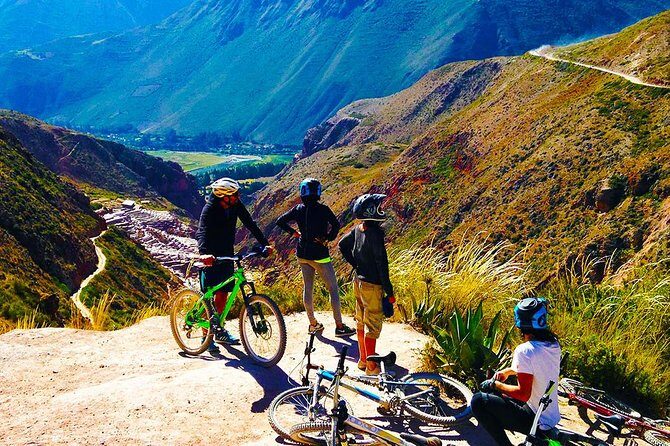
- Max 10 riders means more personal attention and easier course adjustments as conditions change
- All the bike basics are included: helmet, gloves, and bike use, plus bottled water and snacks
- Moray and Salt Mines cost extra on the day (bring cash in soles)
- Expect a mixed route with downhill sections and some uphill; pace is kept at your level
- Mud can happen after rain, and safety support matters—Yuri is singled out for this
- You can likely continue to Cusco afterward without needing to return to Ollantaytambo
Why ride the Sacred Valley from Ollantaytambo?
The Sacred Valley feels like Peru’s “in-between” space—where the Urubamba River cuts the canyon and ancient sites sit close enough that you can cover serious ground without spending your day stuck in a vehicle. Starting from Ollantaytambo is part of what makes this day click: the area already has a lived-in rhythm, and you can join a bike tour that moves you through that scenery rather than just framing it from a bus window.
This is also a good fit if you like your history with movement. Moray and Salinas de Maras aren’t museum stops—they’re places you can understand better when you’re physically traveling through the valley’s terrain. The ride format adds context: you feel how the route shapes the experience, and you get time for the cultural and historical talk that makes the sites more than a photo op.
You can also read our reviews of more cycling tours in Cusco
Price and the real cost of Moray plus Salt Mines
At $109 per person, this tour is priced like an active half-day in the Sacred Valley—gear and guiding included, with an average duration of 4 to 6 hours. That’s a fair base rate for what’s included: bicycle use, helmet, gloves, bottled water, and snacks, plus a driver/guide.
But here’s the budgeting reality: the important entrances are not included. Plan for:
- Moray entrance: PEN 70 per person
- Salt Mines entrance: PEN 20 per person
On top of that, there can be extra transport costs from Cusco depending on your start point. One rider reported paying USD $35 each way per person for the ride out to the biking area. The tour description you receive may clarify this, so I’d treat it as a question you ask before you book, not something you figure out after.
So is it worth it? It can be—especially if you’d otherwise spend money on bike rentals and want a guide to handle the route. Still, the day can feel pricey if you end up paying multiple entry fees and additional transport without being prepared. My advice is simple: price the day as bike tour + two site tickets + any transport from Cusco, and you’ll avoid that I didn’t see that coming moment.
What’s actually included (and why it matters)
This tour includes what helps you enjoy the ride instead of managing logistics:
- Use of bicycle
- Use of helmet
- Use of gloves
- Bottled water + snacks
- Driver/guide
The helmet and gloves are more than a box-check. On muddy or uneven trail, they help you relax and focus on steering and braking instead of worrying about grip or comfort. And the water/snacks matter because your ride window is short—there isn’t time for a long sit-down meal.
One small detail I appreciate: the tour is set up for a moderate physical fitness level, so it’s not sold as a “train like an athlete” challenge. That said, you will still feel the valley’s grade—reviews describe downhill with some uphill sections, which is exactly the kind of mixed effort that surprises people who expect a pure downhill cruise.
Stop 1: Sacred Valley time around the Urubamba River
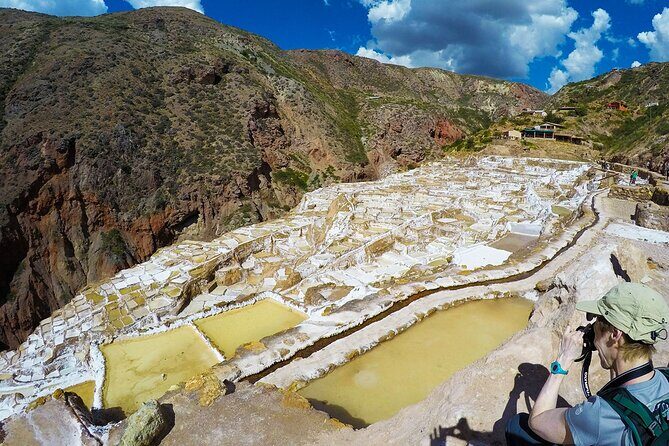
The day begins with time in the Sacred Valley, described as the canyon area around the Urubamba River, where you also find sites like Moray and Maras. Practically, this first stop is where you get oriented: you settle into the route, receive the initial guidance, and get the kind of context that makes the later stops feel connected rather than random.
You’ll also want to treat this first hour as part “ride” and part “briefing.” If your route includes viewpoint segments or the timing shifts because of trail conditions, this opening window helps keep the day flowing. The note here is that admission tickets for this portion aren’t included, so if anything in this segment requires entry, you’ll handle it separately.
The big value: this is the time when the guide can connect the valley’s geography to what you’re about to see—why places like Moray and Salt Mines matter, and how they relate to the canyon and communities that rely on them.
Stop 2: Salinas de Maras Salt Mines (PEN 20 entry)
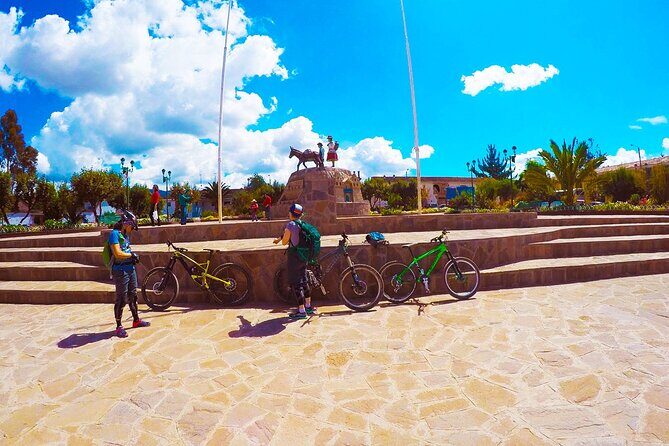
Salinas de Maras is the star for most people, and it’s easy to see why. This salt mining area exists from times before the Inkas, and it’s still described as a main salt provider for local communities. That living-use angle is important. You’re not just looking at ruins—you’re seeing a site that still plays a role in everyday life.
The tour sets aside about one hour for this stop, which is a comfortable amount of time for a guided walkthrough and photo time without feeling like you’re sprinting. Since Salt Mines entrance is not included (PEN 20), you’ll want enough cash in Peruvian soles ready before you arrive at the gates.
One practical tip from the style of this tour: pay attention to how your guide times walking versus biking. In places like Salinas de Maras, the ground can be uneven and the route can feel slow compared to the biking sections. Having a guide helps you keep energy for the ride that comes after.






Stop 3 and Stop 4: Moray-focused mystery and short cultural breaks
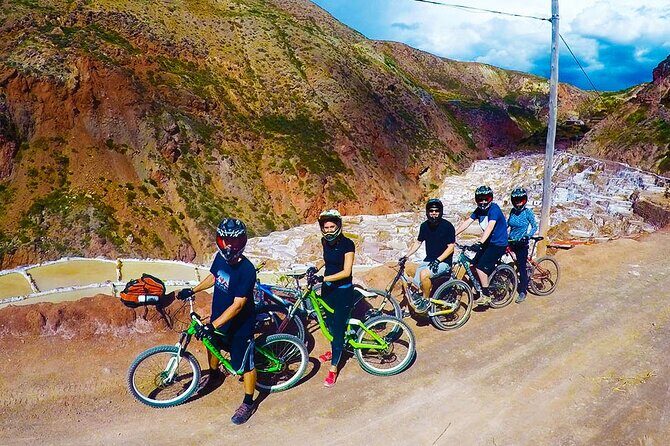
After Salinas de Maras, the itinerary includes two shorter guided segments:
- A stop called Cusco Peru Adventures for about 20 minutes
- A stop called Maras Moray Tours for about 45 minutes
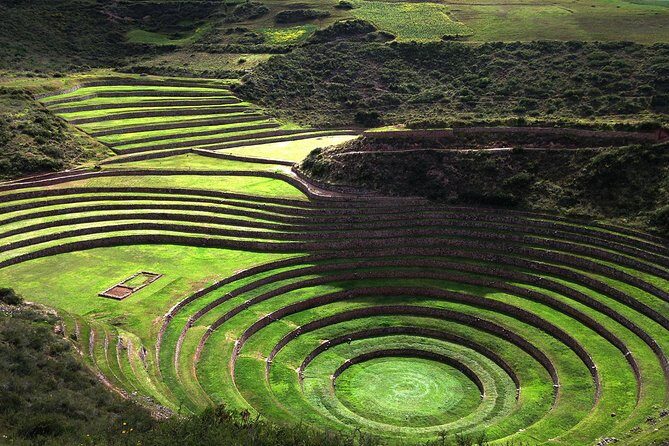
The names read a little like internal tour branding, but the purpose is clear from the descriptions: you’re getting more Moray-centered time and short cultural context. Moray is described as a place with mystery and history, and the approach is framed as enjoying the Sacred Valley with a bit of adventure plus a look at living culture.
Here’s why these shorter stops matter. If the day were just “ride to site, take photos, leave,” you’d miss what turns a bike ride into an education. Those 20–45 minutes are the difference between seeing Moray as a set of structures and understanding what makes it intriguing in the first place.
The tickets are flagged as not included for these segments too, so if Moray requires an entrance fee on your day, plan for the PEN 70 Moray entrance you’ll need to pay separately.
The ride itself: pace, hills, and Yuri’s muddy-trail support
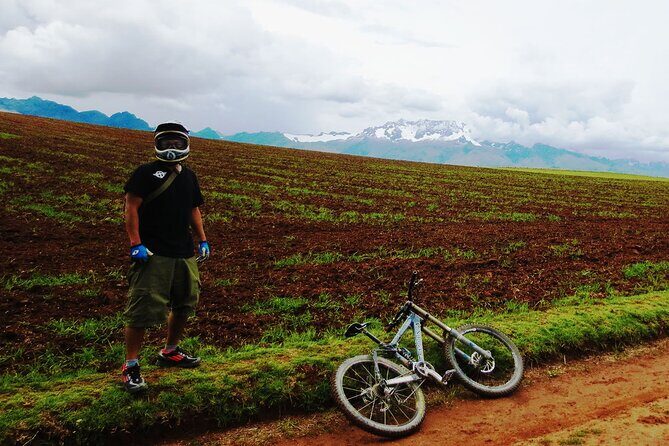
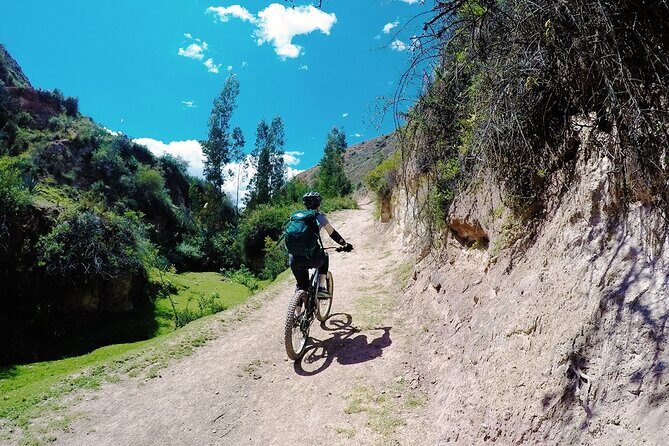
This is not a pure downhill fantasy ride. The route is described as mostly downhill with some uphill sections, and the pacing is flexible enough that the guide lets you ride at your own speed. That’s a big deal when you’re not sure how you’ll feel halfway through a 4–6 hour active day in the Sacred Valley.
Weather can also change the ride feel. One review notes that the track was muddy due to rain the night before, and the guide Yuri assisted through the muddy sections while prioritizing safety. That’s the kind of support you want on a trail day: not just “watch out,” but actual help navigating slippery ground.
If it rained recently, I’d mentally prepare for slower speeds and more careful footing. Bring a mindset of control, not speed. The best part of this format is that you don’t need to “win” the ride—you just need to enjoy it, while your guide manages the safety rhythm.
Group size and guide attention: why it feels less stressful
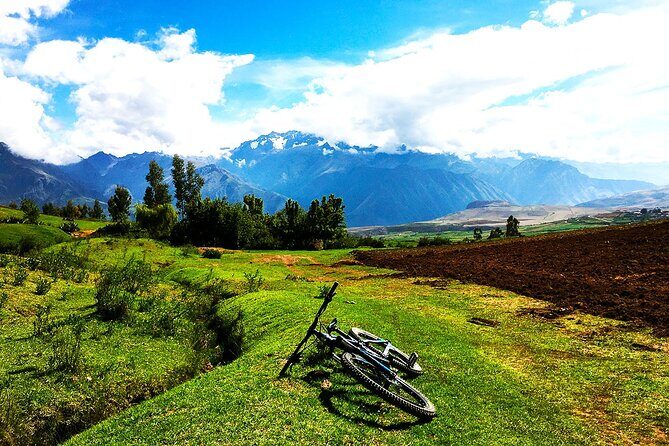
With up to 10 travelers, this doesn’t feel like a mass tour. You should expect the guide to be able to check in with riders, adjust the pace, and keep everyone together when the terrain changes.
The tour is also described as using a driver/guide and may be operated by a multi-lingual guide. That matters because active tours live or die by communication—especially when you’re switching from open riding to tighter areas near sites.
If you prefer a day where you can ask questions and not shout over other groups, this small-group structure is a strong reason to book.
Getting back to Cusco (without replaying the route)
The tour ends back at the meeting point in Ollantaytambo, which is convenient if you want a tidy close to the day. But there’s also a practical option described: it’s not necessary or compulsory to return to Ollantaytambo if you’re continuing your journey to Cusco. The plan is that you’ll arrive to Urubamba, and the guide boards a car for you to continue to Cusco.
That flexibility can save time and energy—especially if you’re already juggling connections or just don’t want to repeat transportation steps. If you want this option, clarify it at booking or when you meet the guide so your timeline stays clean.
Who this bike tour is best for (and who should think twice)
This tour fits active travelers and history buffs who want to move through the Sacred Valley at a relaxed pace. If you enjoy combining scenery with site storytelling—and you like the idea of seeing Moray and Salinas de Maras as part of a day you actually ride—you’ll likely enjoy it.
It’s also a good option if you value guidance in the tricky parts. Mud happens, trails vary, and having a guide who’s described as hands-on with safety support makes the experience feel more manageable.
Who might think twice? If you’re expecting a long, calorie-burning cycling day or a ride that is entirely downhill, you may find the uphill sections and overall time a bit more demanding than you pictured. Also, if your budget is tight and you don’t want to handle entry fees plus possible transport costs from Cusco, the final price can surprise you.
Should you book this Sacred Valley mountain bike ride?
I’d book if you want a small-group Sacred Valley bike day with the practical comfort of included gear, plus guided time at Moray and Salinas de Maras. The structure is built for people who want adventure, but not chaos: short site stops, a manageable ride window, and a guide who keeps things safe.
I’d pause if you dislike added costs. Factor in PEN 70 for Moray and PEN 20 for Salt Mines, and ask about any extra transport from Cusco before you confirm. If that total still feels right, the tour offers a strong mix of movement and cultural context.
If you decide to go, do yourself a favor: bring soles for entrances, plan for muddy conditions if rain is recent, and treat the ride as a paced day—not a speed event.
FAQ
Where does this tour start?
It starts at Plaza de Armas de Ollantaytambo (PPRP+FG4, Ollantaytambo 08676, Peru).
How long does the bike tour take?
The duration is approximately 4 to 6 hours.
What is included in the price?
Bottled water, snacks, driver/guide, use of bicycle, helmet, and gloves are included.
Are the entrance fees included for Moray and the Salt Mines?
No. Entrance to Moray costs PEN 70 per person, and entrance to the Salt Mines costs PEN 20 per person.
What physical fitness level do I need?
The tour recommends a moderate physical fitness level.
What is the group size limit?
The tour has a maximum of 10 travelers.
Do I need to bring my own bike gear?
No. The tour includes a bicycle, helmet, and gloves.
Is food included beyond snacks?
Snacks and bottled water are included. Alcoholic drinks are not included.
If I’m traveling to Cusco, do I have to return to Ollantaytambo?
Not necessarily. The tour notes that you do not have to return to Ollantaytambo if you continue to Cusco; the plan is to arrive to Urubamba and then board a car for Cusco.
Is the guide always the same language?
The tour may be operated by a multi-lingual guide.
What is the cancellation policy?
You can cancel for a full refund up to 24 hours in advance.
Will I need extra transportation fees from Cusco?
The tour info doesn’t spell out transport fees from Cusco, but one guest reported paying USD $35 each way per person for transport from Cusco to the biking area. I’d confirm this cost when you book.