REVIEW · CUSCO
Inca trail 4 days to Machu Picchu
Book on Viator →Operated by Andino Tours Peru · Bookable on Viator
Machu Picchu comes after four tough days. I like how this Inca Trail trip starts with a 4:30 a.m. hotel pickup in Cusco and gets you to Km. 82 so your hike begins early, not rushed.
What I love most is the way it’s handled end-to-end: guides explain the ruins as you go, and the food and camp setup keep you moving even on the hard parts of the trail.
The catch is that this is not a casual walk. You need solid fitness for the highest point at 4215 m on Day 2, and good weather matters since the experience depends on it.
In This Review
- Key highlights to know before you go
- Entering the Inca Trail from Cusco: the 4:30 a.m. start makes sense
- Day 1: Llactapata first, lunch at Hatuncancha, camp at Ayapata
- Day 2: The Dead Woman Pass at 4215 m and the Pacaymayu valley reset
- Day 3: Phuyupatamarca and Intipata, then WiñayWayna with your guide’s story
- Day 4: Sunrise at Sun Gate, Machu Picchu guided tour, then bus and train home
- Price and logistics: what $849 covers (and what it does not)
- Guides, chefs, and porters: where comfort shows up on a hard hike
- Packing basics that keep you from getting stuck
- Weather, altitude, and the “strong fitness” requirement
- Should you book the Inca Trail 4 days to Machu Picchu?
- FAQ
- What time is pickup in Cusco?
- Is the tour offered in English?
- How physically demanding is this trek?
- What’s included in the price?
- What gear do I need to bring or rent?
- Are Huayna Picchu tickets included?
- How many people are in a group?
- What happens if I cancel or if weather causes cancellation?
Key highlights to know before you go
- Sun Gate sunrise plus a guided walkthrough of Machu Picchu on Day 4
- Dead Woman Pass (4215 m) makes Day 2 the toughest day
- Small group size (max 15) helps the pace feel less chaotic
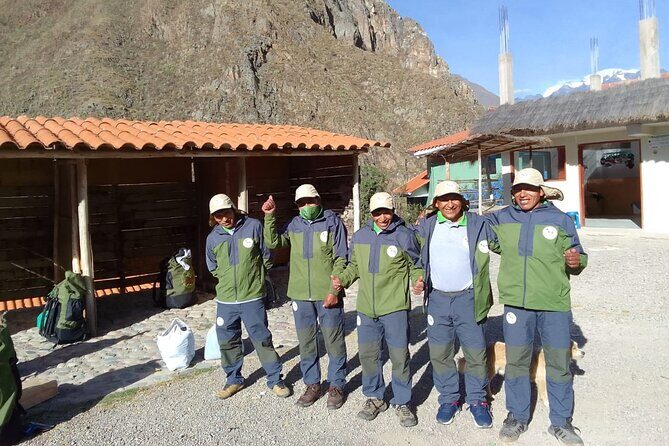
- Guides and chefs who actually run the show, including Rosalio (guide) and Tomas (chef)
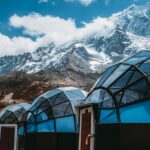
- Camping with comfortable equipment and meals included for most days
- Tickets are built in, including Inca Trail and Machu Picchu entrances, plus bus/train connections
Entering the Inca Trail from Cusco: the 4:30 a.m. start makes sense
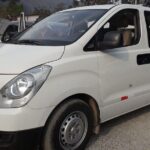
This trip is built around an early-morning plan, so you’re not spending the first hours “finding logistics.” Pickup is at 4:30 a.m. from your Cusco hotel (within 30 minutes of departure), and that sets the tone for the whole hike.
You also get a safety briefing the day before at 6:00 p.m. at the office, which I appreciate. It means you’ll know what to expect about the route rhythm and how camp operations work, before you’re already tired from traveling.
One more practical detail that helps: you’ll have a mobile ticket, and there’s a limit on what you carry. Your personal duffel bag up to 6 kilos can be handled by porters, so you can keep your daypack focused on essentials.
You can also read our reviews of more tours and experiences in Cusco

Day 1: Llactapata first, lunch at Hatuncancha, camp at Ayapata
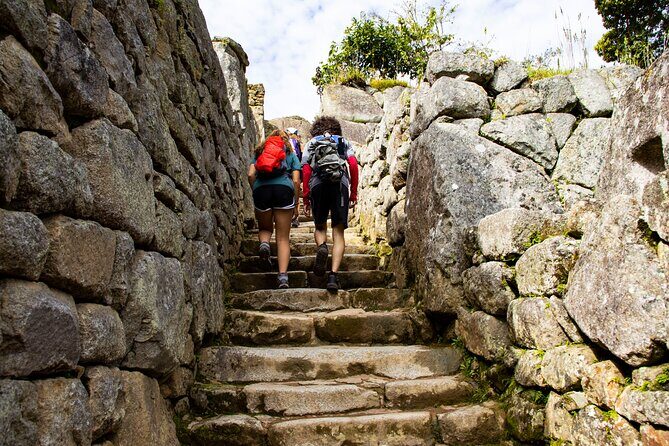
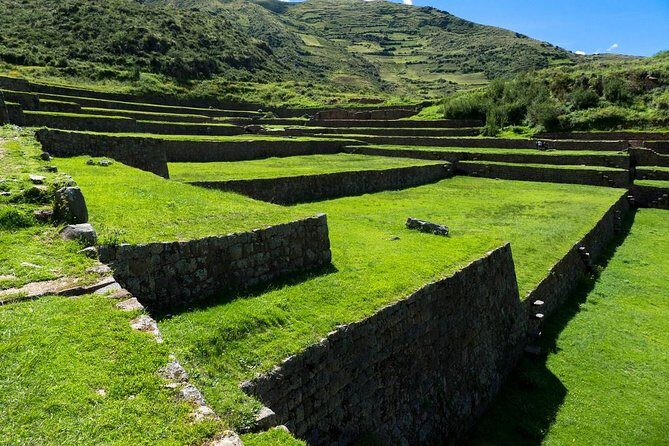
Day 1 is the gentle on-ramp. After the early transfer, you start with an easy stretch that sets your pace and breath control. The walk to Llactapata takes about 2 hours, and that’s your first real archaeological hit—enough time for your legs to warm up and your eyes to adjust to the altitude.
Next comes another 2 hours to Hatuncancha, where lunch is waiting. I like this structure because it’s not a “hike first, eat later” situation. You get a clear break at a specific stop, and the trail feels manageable before you push on.
Then it’s about 2 more hours to Ayapata camp, where the work of the crew is obvious in a good way: campsite is set up, and you’ll get a hot drink and a snack for the night. That matters on Day 1 because you’ll likely feel the altitude in your sleep later, not just on the trail.
You’ll likely appreciate the fact that this day includes admission ticket coverage for the areas tied to the trail route.
Day 2: The Dead Woman Pass at 4215 m and the Pacaymayu valley reset
If Day 1 is your warm-up, Day 2 is your test. You start at sunrise with tea or coffee and breakfast, which helps because the big climb happens right after.
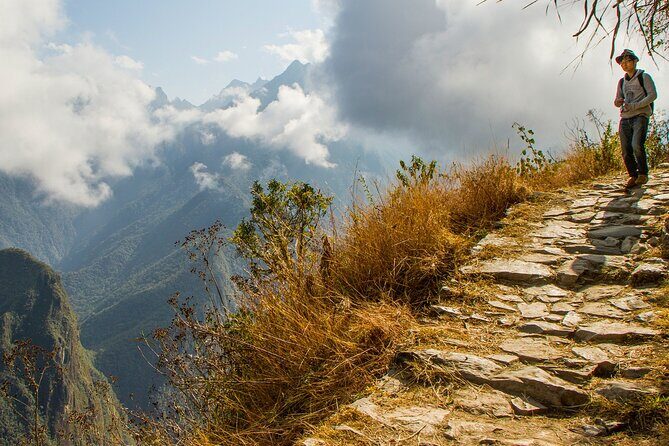
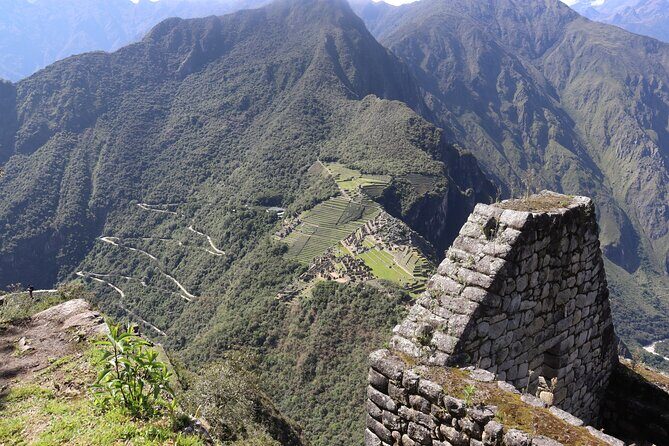
The hardest stretch is the 4-hour uphill to the pass of the Dead Woman (4215 m). Reaching the highest point on the trek is a physical milestone, but it’s also emotional. When you pause at the summit, you’re not just catching your breath—you’re seeing why this route became famous in the first place.
After that, the trail turns more forgiving. There’s about a 2-hour descent to the Pacaymayu valley, and lunch is served there. I find that kind of valley stop crucial. It gives your body a chance to recover while the day still feels like progress, not punishment.
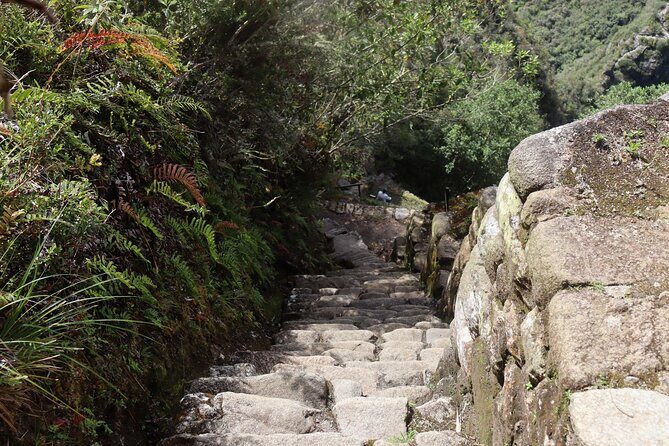
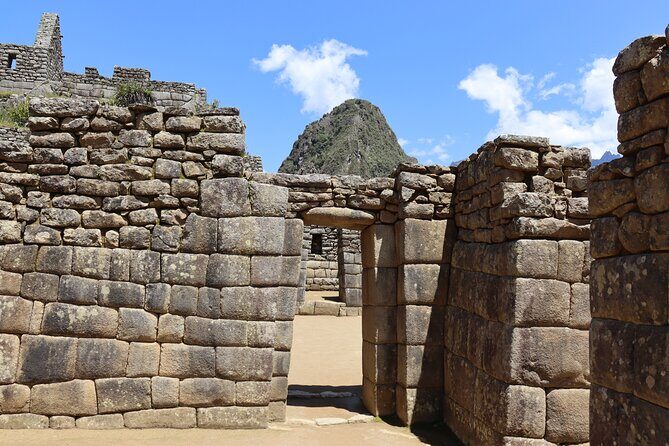
The afternoon adds variety with about 2 hours on easier trail and visits to Runqurakay and Sayacmarca. These are the kinds of stops where your guide’s explanations can turn ruins into something you can picture, not just stone.
You finish the day at camp in Chaquicocha. After a long summit day, camp arrivals tend to feel like a reward, not an afterthought.
Day 3: Phuyupatamarca and Intipata, then WiñayWayna with your guide’s story
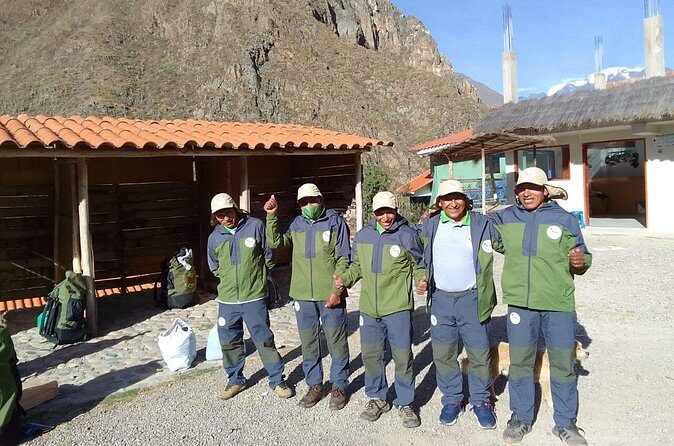
Day 3 keeps the middle of the trek interesting. You trek for about 5 hours to your camp, where you can explore two archaeological sites: Phuyupatamarca and Intipata.
This is one of the best “mental breaks” in the whole itinerary. You’re not only walking—you get rewarded with more Inca spaces once you arrive. And because the day includes lunch at the campsite plus free time to rest and relax, you’ll have a real moment to reset before the afternoon visit.
Later, the focus shifts to WiñayWayna, which you visit in the afternoon. What I like here is that your guide doesn’t just point things out. You get an explanation of the site’s history and significance, which makes the place feel connected to the trail you just walked.
Then you return to camp, where you can spend the evening recovering for the biggest day ahead.
Day 4: Sunrise at Sun Gate, Machu Picchu guided tour, then bus and train home
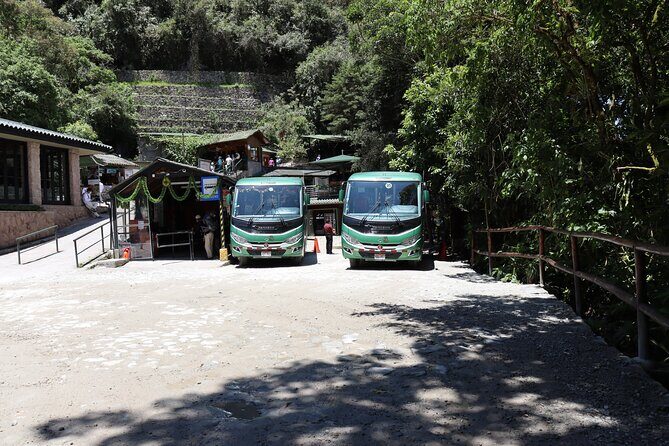
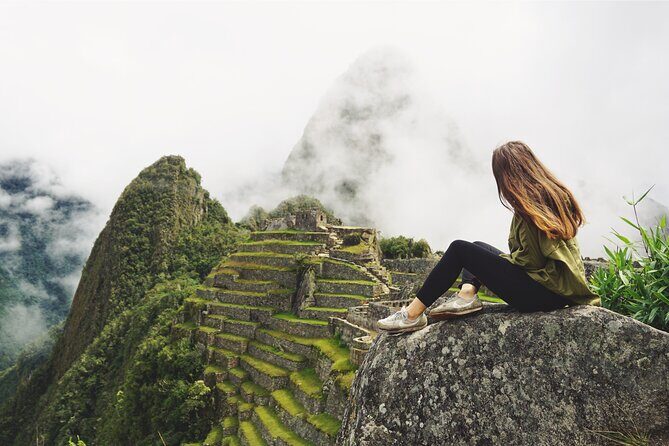
Day 4 is the payoff, and the timing is strict. You wake up very early for Machu Picchu visitation. After breakfast, you walk for about 1 hour to the Sun Gate, and this is where you’ll see Machu Picchu in the right light.
Watching the sunrise from the Sun Gate is one of the moments that makes these multi-day hikes worth it. It’s different from visiting whenever you can. The whole day is paced to put you at the right spot at the right hour.
After that, you descend to the Inca City. You’ll get a guided tour of Machu Picchu, and this is where the guide quality really shows. In standout feedback, I saw repeated praise for guides like Rosalio, with deep explanations that make it easier to understand what you’re seeing and where to look for good photo angles.
Once the Machu Picchu tour ends, you’ll take the bus back to Machu Picchu Pueblo (Aguas Calientes). You’ll have lunch and free time, then continue with the train to Ollantaytambo and return toward Cusco as part of the day’s plan.
Price and logistics: what $849 covers (and what it does not)
At $849 per person, the value depends on whether you’d otherwise plan your own Inca Trail logistics. This price bundles a lot of the hard parts: Inca Trail and Machu Picchu entrance tickets, all transportation during the trek, camping with comfortable equipment, guides, chefs, porters, and the bus and train connections for getting back down.
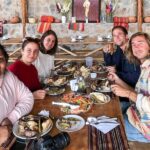
You’re also getting a steady food schedule. All meals are included during the trek except the last lunch. Breakfasts and dinners matter a lot on high-altitude days, and you don’t have to hunt for them after a long hike.
Two more items you should notice:
- Sleeping bag is not included.
- Trekking poles and air mattresses are also extra cost items.
That means your real budget might be slightly higher if you need to rent or buy gear. For many people, it’s still good value because porters, camp setup, and tickets are handled for you.
One optional add-on appears in the plan: Huayna Picchu tickets are not included unless you choose them.
Guides, chefs, and porters: where comfort shows up on a hard hike
A good Inca Trail is equal parts hiking and operations. This tour leans hard on the operations side: highly trained professional mountain guides, experienced chefs, and porters who help with the load.
It’s not just “someone carries your bag.” The staff make the experience feel smooth. Camps are set up for you, and you get hot drinks and snacks at night, plus a full rhythm of meals so you’re not stuck figuring out food on the fly.
In reviews, people repeatedly singled out the guide Rosalio for clear explanations and patience when fatigue hits. Another frequent name: Tomas, the chef. That matters because the food quality can make the difference between trudging through Day 2 and actually enjoying the route.
If you like having a team around you, this is the kind of trip where you can relax into the plan. The maximum group size of 15 travelers also helps with that.
Tip planning: tips for staff are not included, so budget for that if you feel they earned it.
Packing basics that keep you from getting stuck
You’ll carry your essentials in a daypack, but the tour also includes a porter service for a duffel bag up to 6 kilos. That’s a helpful guideline because it encourages light packing while still giving you access to your other items at camp.
Gear that is not included:
- Sleeping bag (extra cost)
- Air mattress (extra cost)
- Trekking poles (extra cost)
If you already own a sleeping bag and poles, you might keep costs down. If you don’t, it’s worth planning for rentals or add-ons early, because the trek is demanding and gear shortages aren’t fun.
Since the itinerary includes a high pass and early mornings, also plan for layers. Even if the tour provides meals and hot drinks, your body still needs warmth control while you’re moving.
Weather, altitude, and the “strong fitness” requirement
This trek is for travelers with strong physical fitness. The clue isn’t subtle: you hit a 4215 m high point on Day 2, and the walking totals are long across multiple days.
Altitude affects breathing, sleep, and energy, so if you’re thinking about booking, be honest with your current fitness level. This is the right trip if you want a challenge and you’re okay with an intense schedule.
Weather matters too. The experience requires good weather, and if it gets canceled due to poor weather, you’ll be offered a different date or a full refund.
One more practical note: the tour is non-refundable and can’t be changed for any reason once booked. That’s not a reason not to go, but it’s a strong reason to book when your dates are locked in.
Should you book the Inca Trail 4 days to Machu Picchu?
Book it if you want the full package: early Cusco pickup, guided archaeology, camping with meals, and a Day 4 that’s timed for Sun Gate sunrise and a Machu Picchu city tour. At this price, the big value is that you don’t have to piece together tickets, trail logistics, and the route back down on your own.
Skip it (or at least reconsider) if you don’t feel confident about the physical demands. The Dead Woman Pass at 4215 m and the multi-day hiking schedule are the deal here, not an optional extra.
If you’re the kind of traveler who likes being cared for by a real team, you’ll likely enjoy how the crew runs the pace. And if a knowledgeable guide matters to you—especially someone like Rosalio—this is the kind of trip where those explanations can turn ruins into a story you can actually follow.
FAQ
What time is pickup in Cusco?
Pickup starts at 4:30 am. The pickup includes collecting all travelers from their hotels in Cusco within 30 minutes of the departure time.
Is the tour offered in English?
Yes, the tour is offered in English.
How physically demanding is this trek?
You should have strong physical fitness. The route includes a challenging day with a 4-hour uphill climb to the pass of the Dead Woman at 4215 m, plus multiple hiking days.
What’s included in the price?
The tour includes hotel pickup, all transportation during the trek, a duffel bag service up to 6 kilos carried by porters, professional mountain guides, experienced chefs, 3 nights camping with comfortable equipment, porters, Inca Trail and Machu Picchu entrance tickets, and bus and train tickets connected to the return route. It also includes meals during the trek (all meals except the last lunch).
What gear do I need to bring or rent?
A sleeping bag is not included (additional cost), and air mattresses and trekking poles are also available for an additional cost.
Are Huayna Picchu tickets included?
No. Huayna Picchu mountain departure and return tickets are optional.
How many people are in a group?
The maximum group size is 15 travelers.
What happens if I cancel or if weather causes cancellation?
This experience is non-refundable and cannot be changed for any reason. If it’s canceled due to poor weather, you’ll be offered a different date or a full refund.