REVIEW · CUSCO
Full Day Tour Sacred Valley | Pisaq | Ollantaytambo & Salt Mines
Book on Viator →Operated by Peru4Fun Servicios Turísticos EIRL · Bookable on Viator
Sacred Valley in one long day. This private tour connects Maras salt pans, Inca ruins, and artisan stops with a bilingual guide, plus hotel pickup and drop-off in Cusco. You’ll spend the day moving through real working sites and ancient places, not just passing scenic viewpoints.
What I like most is the way the tour mixes hands-on Peru with big, readable history: alpacas and llamas at Awanacancha, then terraces, fortresses, and agricultural engineering you can actually see. I also love the practicality: admission fees and permits are included, and you get a buffet lunch so you’re not hunting for food all day.
One thing to consider is the pace and stairs. You’ll climb more than 200 steps at Ollantaytambo, and it’s a full 12 hours, so you’ll want solid shoes and realistic energy for altitude and walking.
In This Review
- Key highlights to look for
- How the Sacred Valley day runs from Cusco
- Maras Salt Mines: what the 3,200 m salt flats are really like
- Sacred Valley driving and the “big picture” moments
- Awanacancha for llamas and alpacas, then Pisac’s market energy
- Parque Arqueologico Pisac: terraces that still make sense
- Ollantaytambo Fortress: the 200+ steps and the feeling of a real stronghold
- Chinchero at 3,765 m: crafts, winds, and textile know-how
- Moray Terraces: the mysterious Inca experiment you can walk around
- Lunch, pace, and what to bring for a 12-hour day
- Price and value: what $129.99 really buys you
- Who this private Sacred Valley tour is best for
- Should you book this Sacred Valley tour?
- FAQ
- How long is the Sacred Valley full-day tour?
- Does the tour include hotel pickup and drop-off in Cusco?
- Is this tour private?
- Are admissions and lunch included?
- Does the tour include llamas and alpacas?
- What should I bring for the day?
- What is the cancellation policy for a full refund?
Key highlights to look for
- Priority access: built-in priority entry is included, so you’re spending more time seeing and less time waiting.
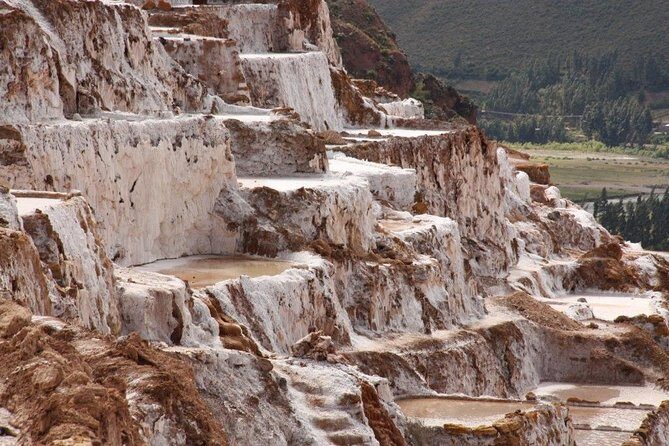
- Maras salt mines at 3,200 m: a working salt landscape that’s easy to understand once you see the rows firsthand.
- Pisac ruins plus Pisac Indian Market: ruins on a hill, plus shopping for local crafts.
- Ollantaytambo fortress climb: more than 200 steps to reach the top, with that dramatic fortress feel.
- Chinchero’s 3,765 m altitude: a high Andean craft stop tied to textiles.
- Moray terraces: the mysterious terrace site near Maras that gives you a different angle on Inca farming.
How the Sacred Valley day runs from Cusco
This is a private full-day tour, meaning it’s just your group, guided from start to finish. Plan on about 12 hours, with hotel pickup and drop-off included, using an air-conditioned vehicle for the driving between sites.
You’re also not left piecing together tickets. The package includes the professional bilingual guide, and it bundles admission fees, taxes, and permits. There’s a mobile ticket, which is handy when you’re juggling cameras, water, and changing weather.
One more practical note: the route is a sequence of stops with a lot of walking at each one, so you’ll want to treat this like an all-day hike with cultural checkpoints. You’ll get brief breaks, but you won’t have the luxury of lingering forever at every viewpoint.
You can also read our reviews of more tours and experiences in Cusco
Maras Salt Mines: what the 3,200 m salt flats are really like
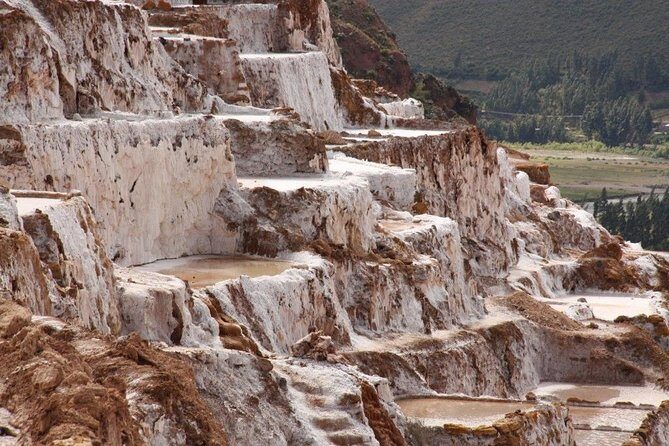
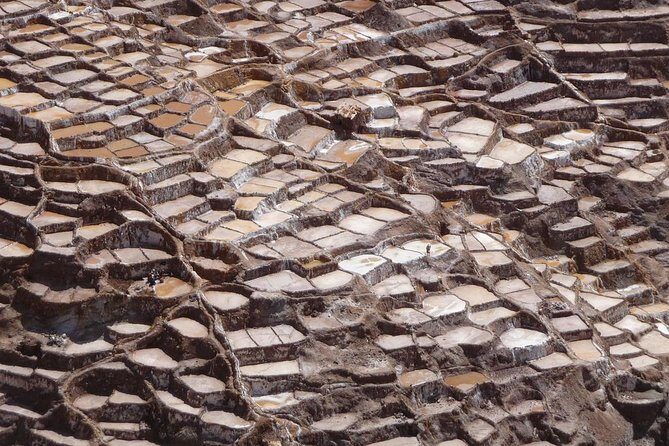
The day starts with the Salt Mines of Maras, about 50 km northeast of Cusco, at roughly 3,200 meters. The main experience is seeing the salt production area up close—those countless small channels and evaporation pools that make the site look almost mathematical.
Why it’s worth it: this isn’t just a monument. It’s a place where people have been working salt using long-established methods. Once you’re standing among the rows, it clicks why the location matters and why the Inca-era and Andean water-and-salt relationship is still relevant today.
Because it’s at altitude, you’ll likely feel the air a bit more. Take it slow at first, drink water, and don’t sprint between photos. The tour includes admission, so you won’t spend time figuring out pricing or where to queue.
Sacred Valley driving and the “big picture” moments
Between stops, you’ll do significant driving. There’s even a segment that’s basically about time and transit back toward Cusco, with a 2-hour drive back mentioned as part of the flow.
This is actually useful, because the Sacred Valley isn’t a single sight. It’s a system of towns, farming areas, and routes. The vehicle time helps you get bearings on where the major sites sit in relation to each other—especially if you’re new to the area.
Tip: use the drive to organize your energy. If you tend to get restless on long rides, bring a snack you can eat quickly, and keep your camera accessible. The best shots often show up between sites when you’re not expecting it.
Awanacancha for llamas and alpacas, then Pisac’s market energy
One of the tour highlights is Awanacancha, where you’ll see llamas and alpacas. This stop is great if you want your Sacred Valley day to feel more human and alive, not only archaeological.
You can also use this time to reset your pace. Animal stops usually mean less stair climbing and more open space, so it’s a good moment to catch your breath.
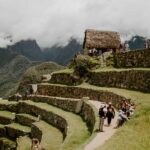
Next, you shift to Pisac, including shopping at the Pisac Indian Market and visiting the Inca site at Parque Arqueologico Pisac. Pisac is known for its ruins on a hill near the entrance to the valley, and the Inca built agricultural terraces on steep slopes—terraces that are still in use today.
What that means for you on the ground: you’ll be able to connect what you’re seeing with what still happens in the area. It’s one thing to read about terraces; it’s another to watch them work as part of the valley’s farming pattern.
Shopping reality check: the market is a place to browse and buy. Keep an eye on what you like, compare basics, and don’t feel pressured to buy instantly. If you’re into textiles, be ready for price differences based on material and finishing—haggling is common in markets, but you’ll still want to shop with a calm plan.
Parque Arqueologico Pisac: terraces that still make sense
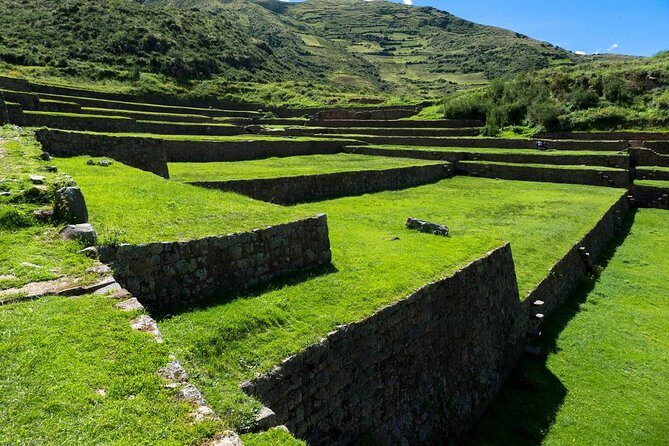
At Parque Arqueologico Pisac, the standout is the combination of dramatic setting and agricultural planning. The Inca constructed terraces on a steep hillside, and they’re still useful, which gives you a direct line from engineering to daily life.
The practical drawback is that ruins mean uneven ground. Wear shoes with grip and keep your attention on footing. Also, this part of the day can get sun-heavy, depending on clouds. Hat and sunglasses are not optional here.
Your guide matters a lot on this stop. A good guide helps you read what you’re seeing: why terraces exist, how they reduce erosion, and how irrigation and farming fit together.






Ollantaytambo Fortress: the 200+ steps and the feeling of a real stronghold
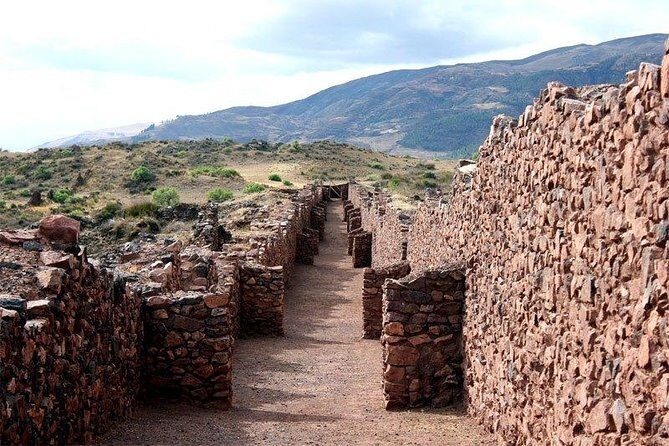
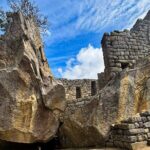
The big climb comes at Ollantaytambo Fortress, described as an Inca fortress inhabited since the 13th century. You’ll ascend more than 200 steps to reach the top, and the view from up there is the reward.
Historically, the area also connects to Inca rebuilding. The site notes that in the 15th century, Inca Pachacutec conquered the area and began to rebuild the town, adding large terraces for farming and an irrigation system. So when you look across the ruins, you’re not only seeing walls. You’re seeing a planned settlement with water and food in mind.
What to expect physically: more than 200 steps is the real headline. Even if you’re in decent shape, the combination of altitude and stairs can make you slow down. Take your time, stop briefly when needed, and keep your breathing steady.
Photo tip: aim for a few quiet minutes near the top before you rush to the next viewpoint. The fortress feels best when you let it land. You’ll see how the design channels movement and controls sightlines—exactly what you’d want from a stronghold.
Chinchero at 3,765 m: crafts, winds, and textile know-how
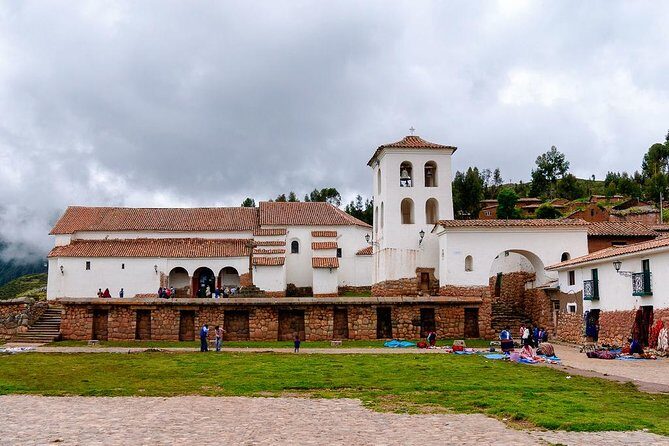
After Ollantaytambo, the tour moves to Chinchero, a small Andean Indian village on high, windswept plains of Anta at about 3,765 m, roughly 30 km from Cusco. This stop gives you a different mood: less fortress, more village life and craft tradition.
Chinchero is also included as part of the tour experience tied to textiles. You’ll also stop at a Mercado de Artesanias, described as a weaving center for textiles.
This is where you should slow down and look at materials and process. If you enjoy handmade goods, you’ll get more out of it when you focus on technique: how patterns are created, what fibers look like, and how different products are finished.
Altitude note: at 3,765 m, you may feel it more strongly. If you get lightheaded, step aside, breathe slowly, and drink water. The goal is comfort, not suffering for photos.
Moray Terraces: the mysterious Inca experiment you can walk around
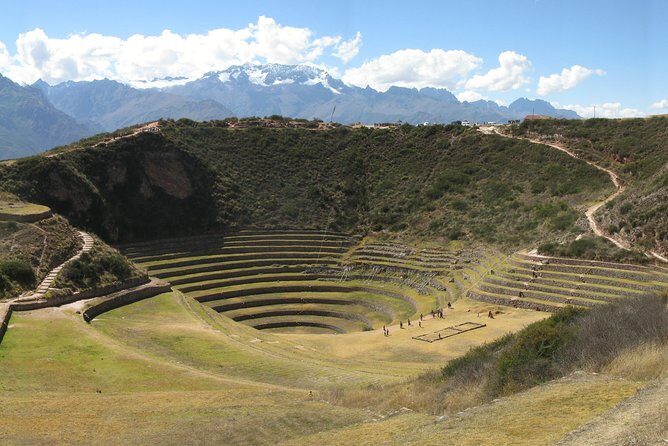
The day also includes Moray, an archaeological site near Maras. It’s described as one of the most fascinating and mysterious sites in the Sacred Valley, and it’s located around 50 kilometers from Cusco.
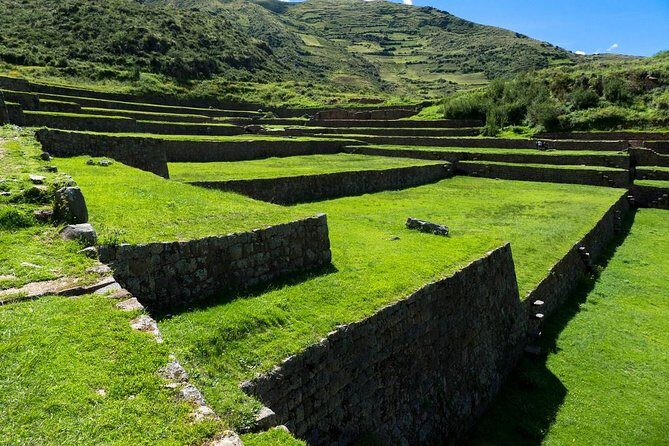
Even without a detailed lecture, the terracing itself is striking. It gives you a sense that the Inca were testing conditions—using different levels of terraces to change temperature and growing behavior. The key word here is experiment. You’ll come away thinking about agriculture as technology, not just planting.
What to watch for: the ground can be uneven, and it’s another walking stop. With terraces, you often get steps and slopes, so good shoes pay off again.
This is also a nice end-of-day stop because it’s visually different from the fortress and the markets. It broadens your sense of what the Inca were doing across the Sacred Valley.
Lunch, pace, and what to bring for a 12-hour day
A buffet lunch is included, which is a big deal for a day like this. Without lunch built into the plan, you’d spend time searching and lose the rhythm of the route. With it included, you can settle in, eat, and keep energy for the later stops.
Still, think of this as a long day with multiple active moments:
- walking through ruins and terraces
- climbing up at Ollantaytambo
- shopping time that still involves standing and browsing
Bring the essentials listed for the tour: comfortable shoes, a hat, sunglasses, a camera, a raincoat, and insect repellent. Those last two are especially worth taking seriously because weather in the Andes can change fast, and insects show up when conditions are right.
If you’re sensitive to altitude, plan slower transitions. Don’t treat the day like a sprint. The best experience comes from steady pacing, not rushing.
Price and value: what $129.99 really buys you
At $129.99 per person, the value depends on what you’re comparing it to. This price includes premium transportation (air-conditioned vehicle), hotel transfers, a professional bilingual guide, all admission fees and permits, and buffet lunch. It also includes priority access as part of the package.
If you tried to build a similar day on your own, you’d likely pay separately for:
- transport out of Cusco
- guide time
- entry fees at each site
- a planned lunch
- coordination that avoids delays
The tradeoff is that you’re paying for structure. If you love flexible timing—wandering off-script, taking long breaks in one place, or lingering at markets—this fixed route might feel a bit tight. Still, for a first trip to Sacred Valley, this kind of organization is exactly what helps you see a lot without wasting time.
What’s not included is also clear: travel insurance and personal expenses like souvenirs.
Who this private Sacred Valley tour is best for
This tour is ideal if you:
- want a single-day route through several core Sacred Valley stops
- care about Inca-era engineering—terraces, water systems, and fortifications
- like having a guide who can connect the dots as you move
- appreciate a day that includes both history and real-day craft shopping
It’s also a good fit if you want privacy. Since it’s private for your group, you’re not sharing the experience with strangers, which usually makes it easier to move at your pace and ask questions.
You should consider skipping or choosing a lighter plan if stair climbing and long walking are hard for you. The Ollantaytambo climb is the biggest “activity test” in the itinerary.
Should you book this Sacred Valley tour?
I think you should book this if you want a well-paced day that mixes Maras salt mines, Pisac ruins and market time, and the big anchor stop at Ollantaytambo Fortress, then rounds out the story with Chinchero and Moray. The inclusion of guide, admissions, transport, and lunch turns it into good value for people who don’t want to juggle logistics.
If you know you’ll struggle with long walking or the 200+ steps at Ollantaytambo, then it’s worth weighing your comfort level first. A different day plan might suit you better.
If you do book, aim to request your guide ahead of time if possible. One guide name I’ve seen praised is Richard, and having a strong guide really changes how much you get from terraces and fortress walls.
FAQ
How long is the Sacred Valley full-day tour?
It’s listed as approximately 12 hours.
Does the tour include hotel pickup and drop-off in Cusco?
Yes. Hotel transfers are included.
Is this tour private?
Yes. It’s a private tour, and only your group participates.
Are admissions and lunch included?
Yes. The package includes a buffet lunch and all admission fees, taxes, and permits.
Does the tour include llamas and alpacas?
Yes. You’ll visit Awanacancha to see llamas and alpacas.
What should I bring for the day?
Wear comfortable shoes and bring a hat, sunglasses, a camera, a raincoat, and insect repellent.
What is the cancellation policy for a full refund?
You can cancel up to 3 days in advance for a full refund. If you cancel less than 3 days before the start time, the amount paid is not refunded.