REVIEW · CUSCO
Salkantay Trek Standard 5D/4N
Book on Viator →Operated by Conde Travel · Bookable on Viator
Five days, one big Andean goal.
This Salkantay Trek Standard 5D/4N is a tightly run route through the Peruvian Andes, finishing with sunrise at Machu Picchu. I like that it’s a small group (max 15), and you’re not stuck in a huge herd at the most important moments. Most of the heavy logistics are handled for you, including transfers, meals, camping support, and entrance fees for Machu Picchu.
I also like the smart planning on the hiking days: in Soraypampa you meet the horsemen and horses that carry the camping equipment, so you’re hiking with a far more reasonable load. One thing to think about: the itinerary is serious early-and-high. You start at 4:00 am, and you’ll reach the Salkantay pass (4600 m), so this is best for people who know they can handle altitude and long walking days.
If you want the classic route without doing the logistics homework yourself, this tour is built for that. Just be clear-eyed about the schedule: sunrise at Machu Picchu is the point, and everything else bends around it.
In This Review
- Key Things I’d Pay Attention To
- Why This Salkantay Trek Hits the Sweet Spot for Most People
- Day 1: Mollepata Breakfast, Soraypampa Basecamp, and Humantay Lake at 4200 m
- Day 2: Salkantay Pass (4600 m), Wayrac Machaq Lunch, and the High-Jungle Descent
- Day 3: Cloud Forest Walking, Lucmabamba Nights, and Optional Coffee or Hot Springs
- Day 4: Llactapata Views of Machu Picchu, Hydroelectric Lunch, and Aguas Calientes Hotel Night
- Day 5: Machu Picchu Sunrise by Early Bus, Private Guide Tour, Then Back to Cusco
- What’s Included (So You Can Actually Relax)
- Group Size, Pace, and Altitude Reality Check
- Value vs. DIY: Why This Standard Option Can Be a Smart Buy
- Should You Book This Salkantay Trek Standard 5D/4N?
- FAQ
- Where is the trek start point in Cusco?
- What time does the experience begin?
- How many nights of camping are included?
- Are meals included?
- Is Machu Picchu admission included?
- Is the bus between Aguas Calientes and Machu Picchu included?
- Do I need to bring a sleeping bag and walking poles?
- Can I add ziplining or hot springs?
- Is there a limit on group size?
Key Things I’d Pay Attention To
- Small-group cap (15 people): you’ll feel the route more personally, especially in the Machu Picchu portion.
- Horse support for camping gear: less hauling on your back during the trek.
- Hard altitude day at the Salkantay pass: plan for the 4600 m effort and pace yourself.
- Built-in flexibility for optional add-ons: ziplining and hot springs are possible, but not included.
- Machu Picchu entry is included, but extra viewpoints are not: Huayna Picchu and Machu Picchu Mountain require an add-on.
Why This Salkantay Trek Hits the Sweet Spot for Most People
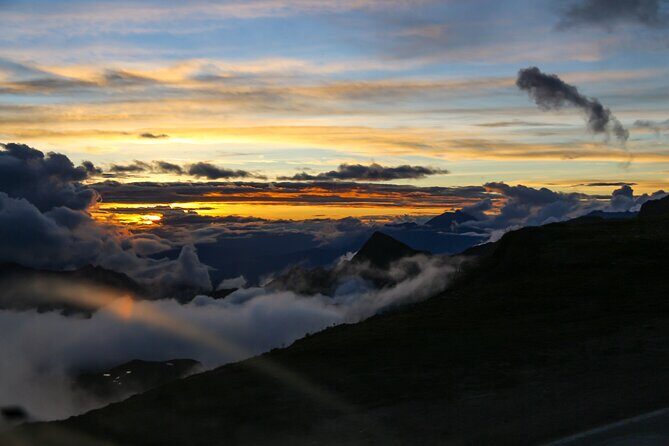
This isn’t just a hike that ends at Machu Picchu. It’s a five-day walk that feeds you the Andes in chapters—glacier views, cloud-forest vibes, coffee country, and then that staircase-of-history feeling at Machu Picchu.
The practical win is that the tour is run like a system. Transfers are included (Cusco to Mollepata, and later back from Ollantaytambo to Cusco). Meals are covered each full trekking day (4 breakfasts, 4 lunches, 4 dinners). There’s a cook and assistants, plus a dining tent and kitchen setup. You’re not trying to coordinate food and camping while you’re also trying to stay above breathless altitude.
You also get a guide experience that’s focused on what you’ll actually see. On Day 5, you have a private tour guide for Machu Picchu, which makes the visit feel less like a photo stop and more like you’re learning your way through the site while you’re there.
The main trade-off is that it’s a structured schedule. If you prefer totally free timing, this won’t feel very flexible. And because departures and services are time-sensitive, you’ll want to commit once you’re booked.
You can also read our reviews of more hiking tours in Cusco
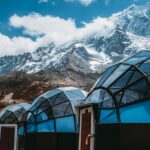
Day 1: Mollepata Breakfast, Soraypampa Basecamp, and Humantay Lake at 4200 m
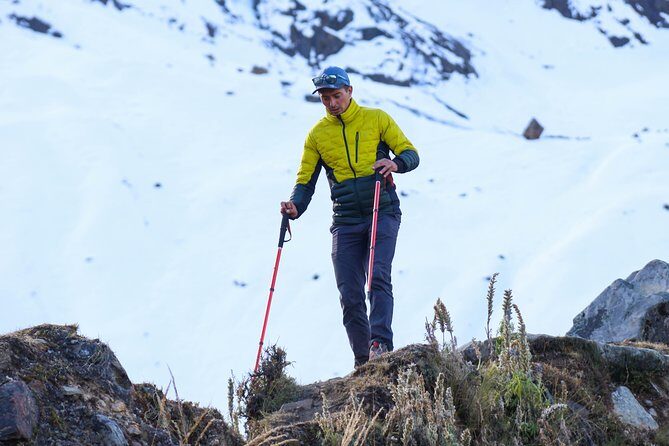
Day 1 starts early. You’re picked up from your Cusco hotel, then you get breakfast in Mollepata before heading to Soraypampa (3900 m). The altitude is already in the air, but this is also a “get oriented” day before things ramp up.
One of the most useful details is that you meet the horsemen and horses in Soraypampa, and they carry the camping equipment. That matters. Camping treks can turn into a pack-carry endurance test. Here, you’re hiking with less to manage, and that helps you enjoy the trail.
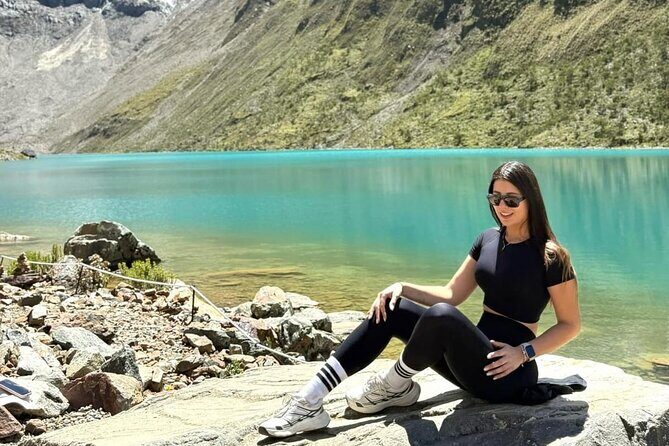
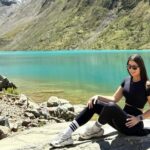
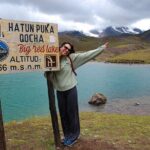
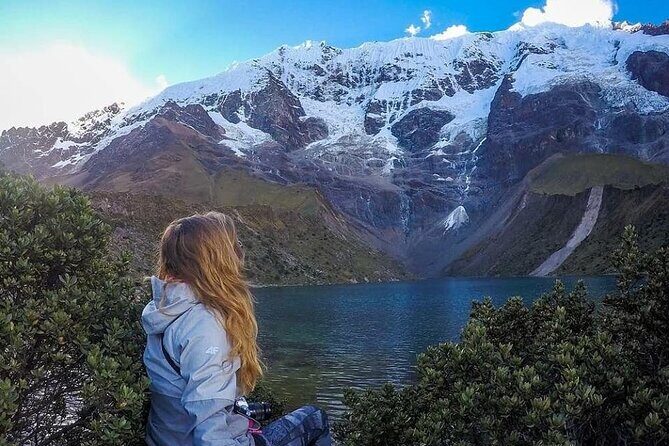
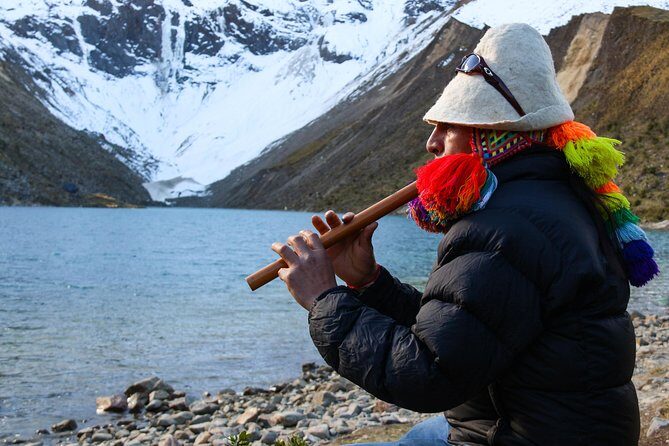
Then comes the climb to Humantay Lake (4200 m). Even if you’ve seen photos, being up there changes how the scene feels—bright light, thin air, and that glacier-fed stillness. After your visit, you hike back to Soraypampa. Your cook is waiting for lunch, which keeps the day from stretching into an unplanned scramble.
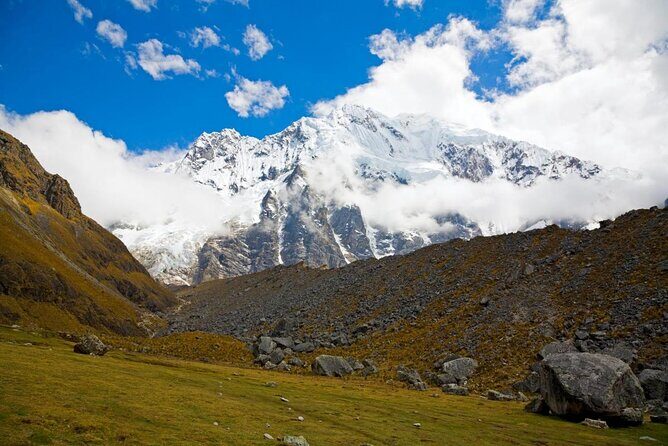
Next you transition to the Salkantaypampa basecamp, where you can take in views of Salkantay’s snowcapped peak, plus afternoon tea and dinner. Day 1 is basically your first taste of the route: altitude, big views, and a night set up for you.
Good to know: you sleep during a night in the camping sequence, so expect a true outdoors rhythm rather than a resort schedule.
Day 2: Salkantay Pass (4600 m), Wayrac Machaq Lunch, and the High-Jungle Descent
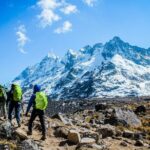
If Day 1 is acclimation and setup, Day 2 is the headline. You wake up with coca tea, then breakfast with mountain views. Then you tackle the climb to the Salkantay pass (4600 m)—about 3 hours to the high point, according to the itinerary.
At that altitude, pace isn’t about speed. It’s about staying steady. This is the kind of day where you’ll be grateful you have a small group and a guide pacing with the group’s reality.
Once you crest the pass, you walk toward Wayrac Machaq for lunch. Then the trail shifts into what the itinerary calls the high jungle. You’ll pass large trees with arms extended over streams, with bromeliads and orchids along the way. That’s a big change in feel from the pass. The air may still be thin, but the vegetation tells a different story.
After the lunch stretch and the jungle walking, you continue downhill to your second campsite. The day is long—about 8 hours.
Potential drawback: Day 2 is the day most people feel hardest. If you’re not ready for high altitude effort and a long walking window, this is where you’ll notice it. The good news is the itinerary is built to get you through it in a planned sequence, not a guess.
Day 3: Cloud Forest Walking, Lucmabamba Nights, and Optional Coffee or Hot Springs
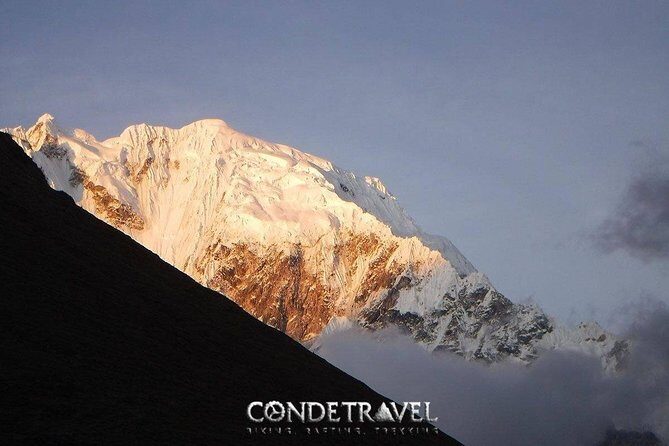
Day 3 begins with an early start and breakfast, then you move into cloud forest for about 3 hours. This is the day for “watch your footing, but also look up.” The itinerary specifically calls out rivers and waterfalls, which tends to mean wetter, livelier trail conditions and a different kind of scenery payoff.
After lunch, you hike another 3 hours to Lucmabamba campsite. This is also where the tour offers fun add-ons without requiring you to buy them as part of the base plan.
If you book ahead, you can do ziplining from the area near the campsite. It’s explicitly listed as not included, so treat it as an optional splurge.
Even if you skip ziplining, the itinerary mentions activities in coffee plantations and process. That’s a neat way to shift your brain from altitude to everyday regional life. For a trek, it’s also a break from only hiking and viewpoints.
There’s another optional choice: Cocalmayo hot springs, about 30 minutes from the campsite. The hot springs themselves aren’t included, and the extra transport and entrance fees are not included either. Still, it’s a smart recovery option if your legs need a reset.
Tip for planning: treat these optional add-ons as extras, not the core plan. Lucmabamba is still part of a full trek day, so you’ll want to keep energy for tomorrow.
Day 4: Llactapata Views of Machu Picchu, Hydroelectric Lunch, and Aguas Calientes Hotel Night
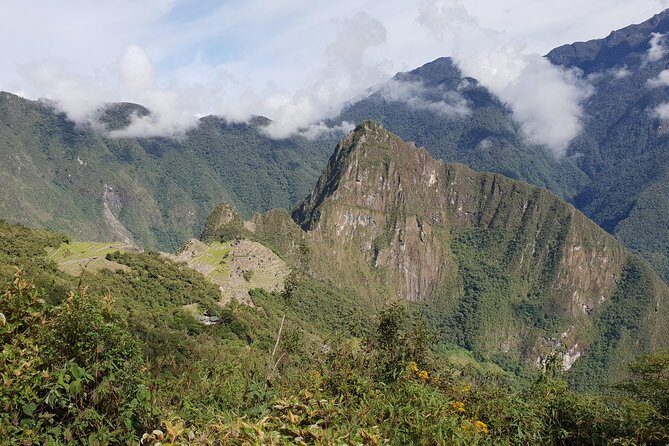
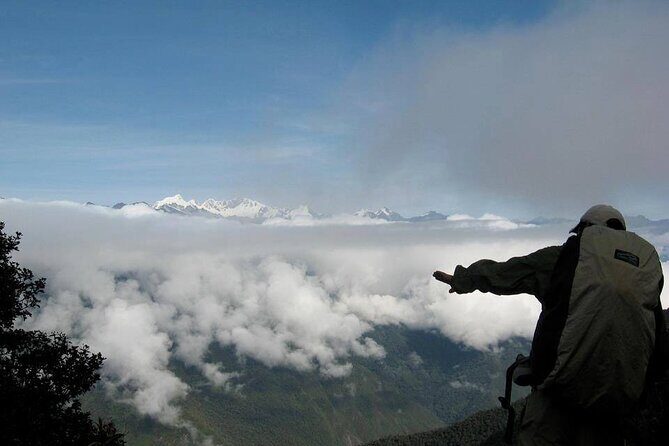
Day 4 is a changing of gears. You start with breakfast and begin hiking toward Llactapata. The itinerary is clear: you’ll get great views of the surrounding area, including Machu Picchu from the higher vantage.
This is a big moment. It’s one thing to imagine the site. It’s another to see it from above while you’re still on foot, still moving, and still wearing your trek day reality.
After the Llactapata section, you hike downhill to Hydroelectric for lunch. Then it’s another 3 hours continuing onward to Aguas Calientes.
Tonight is a break from camping: you’ll spend the night in a hotel in Aguas Calientes. That alone can feel like a gift after a few nights under canvas.
Why this day matters: it’s the bridge between trek and temple. The hiking-to-hotel transition helps you arrive for the big Machu Picchu morning with enough energy to enjoy it.
Day 5: Machu Picchu Sunrise by Early Bus, Private Guide Tour, Then Back to Cusco
The morning you’ve been working for starts early again. After breakfast, you take early buses up to Machu Picchu for sunrise. The catch: the up or down bus from Aguas Calientes to Machu Picchu is not included, so you’ll want to budget for that transport as an extra.
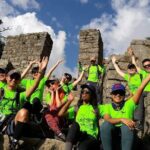
Once you arrive, you explore Machu Picchu with your private tour guide. The guide portion is included, and having that guidance is a real value. You can focus on understanding what you’re seeing instead of wandering around the site wondering where to look next.
After you finish at Machu Picchu, you go back to Cusco by train and bus. The tour includes the train back from Aguas Calientes to Ollantaytambo, plus transportation from Ollantaytambo to Cusco.
One more important detail: the itinerary includes Machu Picchu entrance fees, but extra entries like Huayna Picchu or Machu Picchu Mountain are not included. If you’re thinking about those viewpoints, plan on adding them separately.
What’s Included (So You Can Actually Relax)
This tour covers the stuff that usually blows up planning:
- Transfers: Cusco to Mollepata, and later Ollantaytambo back to Cusco
- Entrance fees to Machu Picchu
- Camping support: roomy dining tent and kitchen, chairs and dining tables, plus a cook and assistants
- Safety basics: a first aid kit
- Food: 4 breakfasts, 4 lunches, 4 dinners are included
- Sleeping: 3 nights camping plus 1 night lodging in Aguas Calientes (hotel)
- Guiding: a professional bilingual guide
- Train: Aguas Calientes to Ollantaytambo
What’s not included is also clearly stated, so you can avoid surprises:
- Up/down bus between Aguas Calientes and Machu Picchu
- Sleeping bag
- Walking poles
- Ziplining activity
- Huayna Picchu or Machu Picchu Mountain entrance
If you’re choosing this style of trek because you want less decision-making, the included list is doing its job. You’re buying structure, food, guidance, and logistics, then bringing only a few essentials.
Group Size, Pace, and Altitude Reality Check
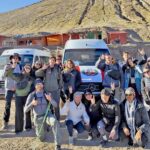
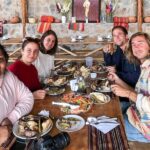
With a cap of 15 travelers, you should get a more human rhythm than large trekking groups. That matters when you’re moving along narrow parts of the trail, or when you’re waiting for photo moments with the guide keeping everything flowing.
The trek does involve significant altitude. You’ll start around 3900 m, reach Humantay Lake at 4200 m, and hit the high point at 4600 m. Even if you’re fit, those numbers make the pace slower than on a lowland hike.
Also, your day structure includes early starts, including 4:00 am at the start of the tour. That’s not just a schedule detail—it’s a core part of how you reach Machu Picchu at sunrise and get enough daylight for the trekking blocks.
If you’re the type who hates waiting, you might feel it sometimes. But if you accept that high-altitude travel runs on slower, steadier time, the schedule makes sense.
Value vs. DIY: Why This Standard Option Can Be a Smart Buy
I think this kind of “Standard” trek is strongest when you want the route and the experience, without managing all the behind-the-scenes work.
The value isn’t only in the fact that meals and tents are included. It’s also the fact that your guide handles the sequence of transitions—from Mollepata and Soraypampa, to campsites, to the Lucmabamba day choices, to Aguas Calientes logistics, and finally the Machu Picchu morning timing.
You’re paying for reliability: a bilingual guide, a cook and assistants, a first aid kit, and a setup that keeps the trek moving forward instead of stalling because someone forgot equipment or food.
You still have to be an adult about planning. This is not a casual change-of-mind vacation. The experience is non-refundable and can’t be changed for any reason once booked. So if your dates are shaky, it’s worth thinking twice before committing.
Also, one practical risk to acknowledge: this route depends on transport working on schedule, and Peru can experience disruptions. If your trip timing is tied to other flights or events, add buffer time in Cusco so you’re not racing the clock.
Should You Book This Salkantay Trek Standard 5D/4N?
Book it if you want:
- A classic Salkantay-to-Machu Picchu itinerary with the big moves handled
- A small-group feel (max 15) and a private guide at Machu Picchu
- The convenience of horse support for camping gear
- A trek that mixes altitude days with calmer breaks like coffee-region activities
Skip or reconsider if:
- You can’t commit firmly to dates (because it’s non-refundable)
- You’re not comfortable with long hiking days and a 4600 m pass
- You don’t want any extra costs (the Aguas Calientes bus and add-on viewpoints like Huayna Picchu are not included)
- You’re expecting everything to be fully included all the way up to the Machu Picchu entrance doors (the bus isn’t)
If you fit the first list, this is a strong way to do the route. It’s demanding, but it’s also organized. And when you’re staring at Machu Picchu at sunrise, you’ll be glad you didn’t spend your week micromanaging logistics.
FAQ
Where is the trek start point in Cusco?
The tour starts at Portal de Comercio 145, Cusco 08002, Peru.
What time does the experience begin?
It starts at 4:00 am.
How many nights of camping are included?
You get 3 nights camping plus 1 night lodging in Aguas Calientes.
Are meals included?
Yes. The tour includes 4 breakfasts, 4 lunches, and 4 dinners.
Is Machu Picchu admission included?
Entrance fees to Machu Picchu are included.
Is the bus between Aguas Calientes and Machu Picchu included?
No. The up or down bus from Aguas Calientes to Machu Picchu is not included.
Do I need to bring a sleeping bag and walking poles?
Yes. A sleeping bag and walking poles are not included.
Can I add ziplining or hot springs?
Ziplining at the Lucmabamba campsite can be booked in advance but is not included. Cocalmayo hot springs are also optional and require extra transportation and entrance fees.
Is there a limit on group size?
Yes. The tour is capped at a maximum of 15 travelers.