REVIEW · CUSCO
7- Days Cusco|| Sacred Valley || MachuPicchu || Rainbow Mountain || Humantay||
Book on Viator →Operated by MachuPicchu Journey · Bookable on Viator
Cusco, then Machu Picchu, then the wow factor keeps coming. This 7-day itinerary strings together the big Peru hits with a small group of up to 15, so you get real guide time instead of wandering with a crowd. I especially like the way the schedule mixes major sites with high-altitude day hikes, like Humantay Lagoon and Rainbow Mountain. The one drawback to plan for is the early starts and altitude: you’ll want moderate fitness and to take the oxygen help seriously.
What makes this tour practical is that it’s built around smooth transfers and actual structure: airport pickup, hotels (3 stars), train tickets, and guided visits at each major stop. You also get a lot of what normally turns into a separate headache—entrance fees and transport—so you can focus on the trip. My only real caution is that Machu Picchu entry is listed as subject to availability, so the day-of pace matters even if it’s usually handled well.
In This Review
- Key highlights to notice before you go
- The basic idea: why this 7-day route works
- Price and value: what $759.29 buys you (and what you still plan)
- Day 1 in Cusco: airport pickup, Koricancha, and the stone-craft sweep
- Sacred Valley day: Pisaq, Urubamba lunch, and Ollantaytambo before the train
- Machu Picchu day: early bus, 2.5-hour guide, and free time that matters
- Humantay Lagoon: the 4 a.m. start and the altitude reality
- Rainbow Mountain (Vinicunca): why the early timing is worth it
- Qeswachaka Inca Bridge: ichu fiber, four lagoons, and courage on the crossing
- Hotels, oxygen help, and the small-group advantage you’ll feel
- What your days feel like on the ground: early starts and recovery built in
- Who this tour is best for (and who should reconsider)
- Should you book this Cusco–Sacred Valley–Machu Picchu–Rainbow Mountain–Humantay tour?
- FAQ
- What is the duration of the tour?
- Where does the tour start, and how is day 7 handled?
- Is airport pickup included?
- Are entrance fees included for major sites?
- Is Machu Picchu guided?
- How big is the group?
- How physically demanding is the tour?
- What meals are included?
Key highlights to notice before you go
- Small group (max 15) means more attention and less waiting around.
- Guided Machu Picchu for 2.5 hours gives you the story, then you get free time.
- Humantay Lagoon at 4,250 m is the hike that defines this whole trip.
- Rainbow Mountain early timing helps you beat crowds and manage the climb.
- Qeswachaka Inca Bridge includes the annual ichu-fiber tradition and a chance to cross.
- Oxygen assistance + walk sticks are included, which matters at altitude.
The basic idea: why this 7-day route works
This tour is built for travelers who want a greatest-hits Peru circuit without turning the days into chaos. You’re based around Cusco and the surrounding Sacred Valley, then you branch out to Machu Picchu, the two big viewpoint hikes (Humantay and Vinicunca), and the cultural Inca Bridge day at Qeswachaka. The result is a tight arc of experiences that still feels guided, not rushed.
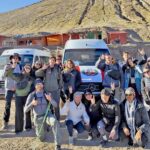
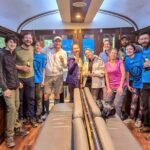
The small-group size (up to 15) is the quiet superpower. It usually means fewer coordination problems with buses, trains, and entrance lines. It also tends to make a difference if you’re not feeling 100% on an altitude day, because someone can actually notice and help you adjust.
You can also read our reviews of more tours and experiences in Cusco.
Price and value: what $759.29 buys you (and what you still plan)
At $759.29 per person for about 7 days, the value here comes from bundling the expensive parts. This price includes hotels (3 stars), train tickets, entrance fees, and transport, plus a guide and an air-conditioned vehicle. It also includes oxygen assistance, walk sticks, and a chunk of meals (breakfast x6 and lunch x5).
That matters because Machu Picchu alone can be a budgeting headache once you count train timing, entrance tickets, and the day’s logistics. Here, the trip is packaged so you’re not piecing it together in a panic. Also, the tour offers pickup from the airport and return transport to the airport, which you’ll feel on day 1 and day 7.
What to keep in mind: meals that aren’t listed (beyond breakfast and lunch counts) are not included. Dinner planning becomes your job. You’ll also want to budget for any extra personal costs you choose during free time.
Day 1 in Cusco: airport pickup, Koricancha, and the stone-craft sweep
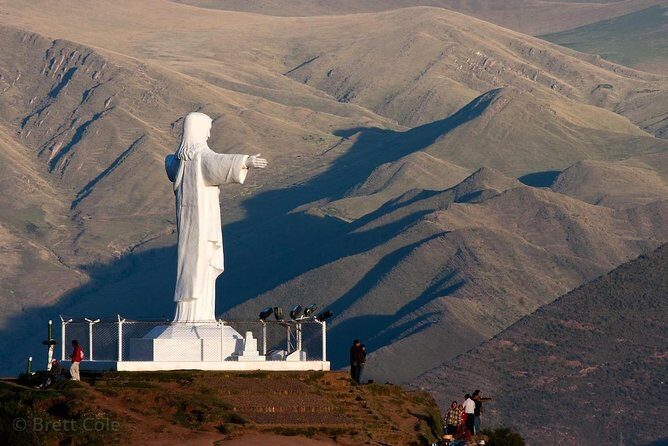
Day 1 is a classic Cusco setup: you land, you get picked up, then you get some time to rest and acclimatize. You’re not thrown into a 7 a.m. hike right away. That morning cushion is practical because Cusco altitude can hit fast.
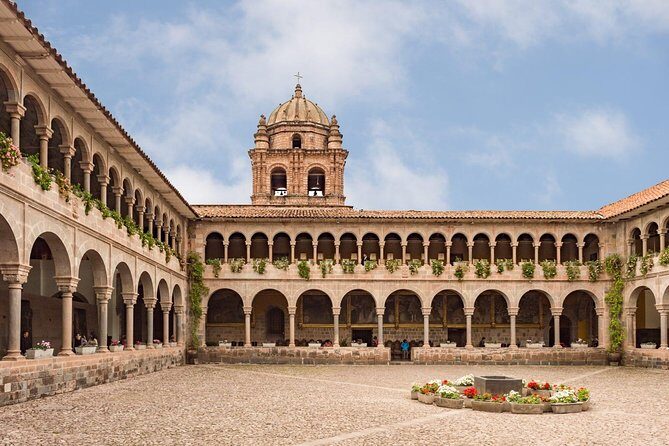
Then the afternoon city tour starts around 2:00 PM. You begin with Koricancha (Temple of the Sun) for about 45 minutes with a guided visit. It’s a good choice early in the trip because it helps you read the rest of the ruins and fortress sites later. After that, you move by mobility (vehicle) to the main stone stops:
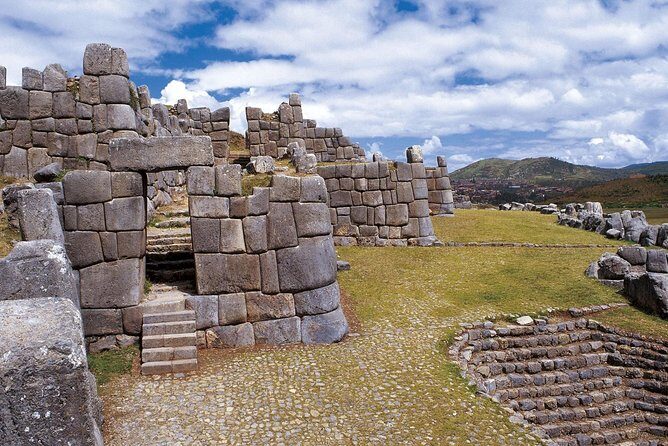
- Sacsayhuaman with about a 1-hour guided tour. This is the big fortress site where you can really spot the Inca approach to massive stonework.
- Qenqo, described as a ritual center in a rocky outcrop, where the guide’s explanations can make the weird shapes feel intentional.
- PucaPucara (the Red Fort), a military-style construction.
- Tambomachay (Baño del Inca), tied to water-cult traditions. You’ll see why water and stone engineering mattered to the Inca.
If you’re the type who likes your first day to help you understand the rest, this schedule makes sense. The only “gotcha” is that by the time the tour ends, it’s about 6:00 PM return to Cusco, so you won’t have a lot of energy left for long wandering.
Sacred Valley day: Pisaq, Urubamba lunch, and Ollantaytambo before the train
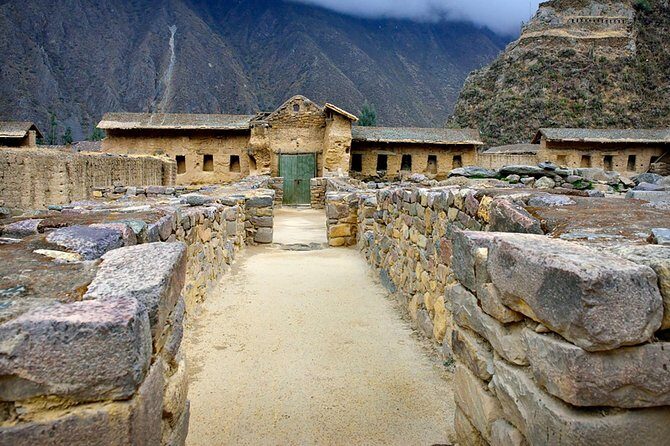
Day 2 shifts you from Cusco to the Sacred Valley rhythm. You start in the morning around 8:00 AM, travel about 1.5 hours, and head for Pisac. Expect about a 1-hour guided tour at the ruins. Pisaq is often the kind of place where the views and the layout click only after you get a short explanation—so the guidance matters.
Next is the break that keeps the day enjoyable: a buffet lunch in Urubamba with typical Andean food. It’s a good pause before the afternoon ruins and the evening transition.
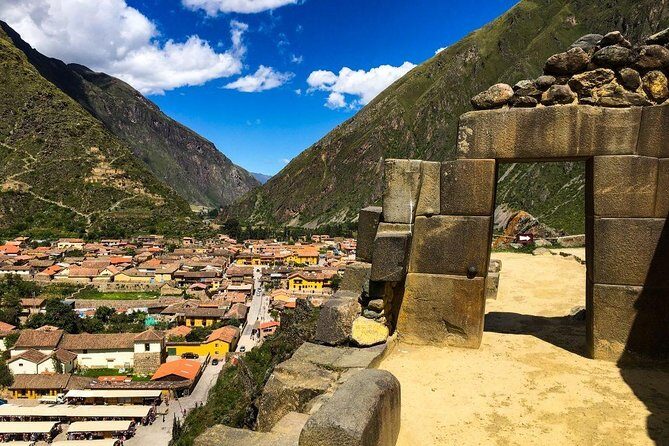
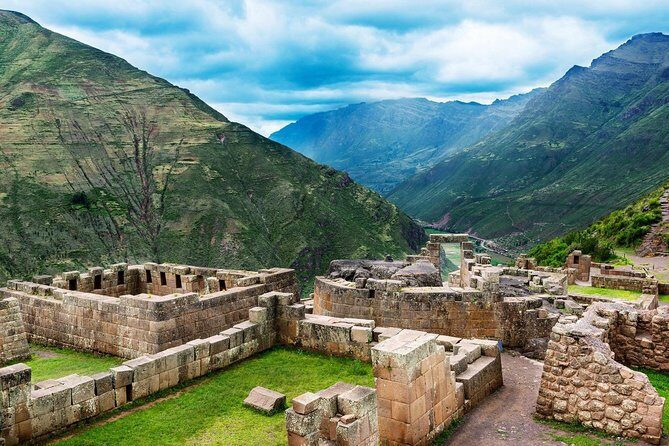
After lunch, you head to Ollantaytambo for about 1 hour of guided archaeology. This stop is packed with recognizable anchors: the Temple of the Sun, the Intihuatana, and the Princess Baths, plus the terraces that show how agriculture and architecture worked together.
Then comes the big logistics moment that makes the whole trip flow: you go to the train station and ride to Aguas Calientes, where you’ll sleep so Machu Picchu day starts early.
The tradeoff: it’s a long day. But it’s also a smart one, because you’re not trying to do Sacred Valley and Machu Picchu on the same exhausted timeline.
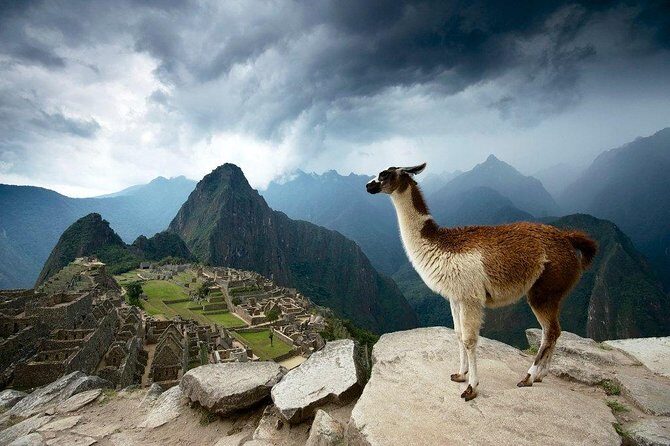
Machu Picchu day: early bus, 2.5-hour guide, and free time that matters
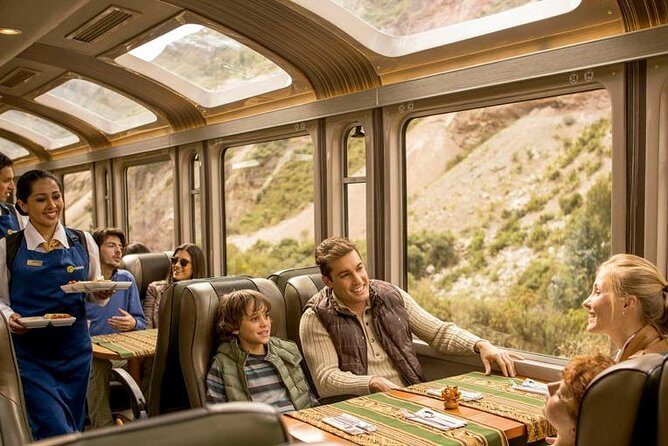
Day 3 is the day everyone talks about. You leave very early by bus (about 30 minutes). The guide meets you at Machu Picchu, and you’ll go in with your entry ticket and start a guided tour of 2 hours and 30 minutes.
That guided portion is the difference between seeing ruins and understanding them. With the extra time, you get a guided walk that can explain key alignments and building logic. Then you get free time afterward, which is crucial. You’re not forced into nonstop movement. You can slow down, take photos, and linger where you want.
After your time at the citadel, you head back to Aguas Calientes for lunch, then return by train to Ollantaytambo. A representative meets you with a sign, and you transfer back to Cusco for your hotel.
The main consideration here is timing. If you want photos at the right angles or want a slower pace, you should treat the morning guide as your anchor and use your free time strategically. You’ll get the best experience by staying present instead of trying to see everything at Machu Picchu in one sprint.


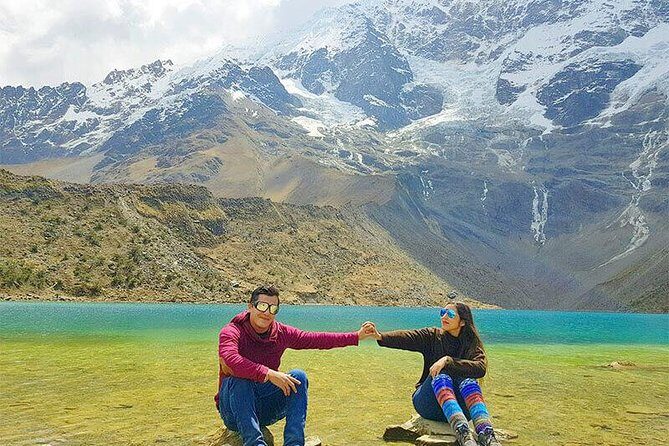
Humantay Lagoon: the 4 a.m. start and the altitude reality
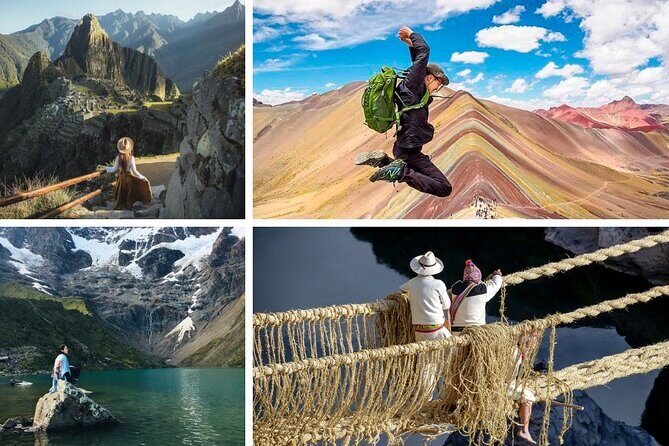
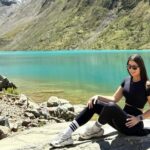
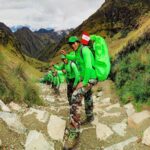
Day 4 is the hike day. Pickup is at 4:00 AM from your hotel. You drive to the town of Mollepata for breakfast, then continue to Soraypampa. From there it’s a 1 hour 30 minute walk up to Humantay Lagoon, at 4,250 m.
This is where pace and preparation matter. You’re at altitude while you’re hiking, so even if the distance doesn’t look huge on paper, your body will feel it. The tour includes the structure—walk up, descend, then you’re fed and returned to Cusco around 6:00 PM—so you’re not left to guess your day.
On the trail, you’ll appreciate the mix of fauna and flora along the way. The guide’s role here is also about keeping you moving at a safe rhythm. One guest emphasized that Humantay can be more difficult than expected, and that a horseback option helped them manage when walking all the way wasn’t realistic due to fatigue. If you’re planning to hike, you should still bring shoes with grip and expect that “plan B” might help.
Back in Mollepata you get lunch, then you head home. This day is long, but it’s also the kind of payoff that makes people remember the trip for years.
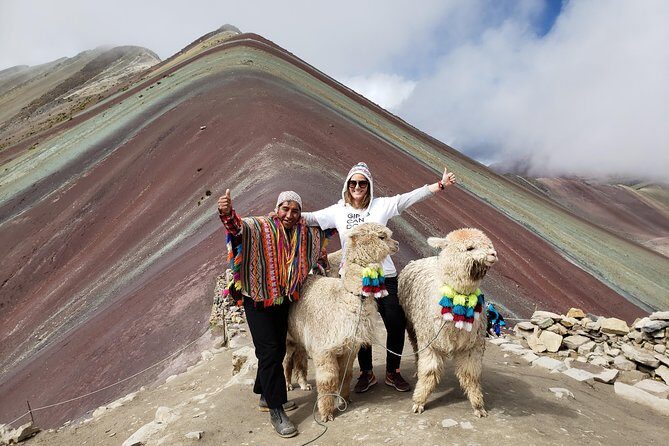
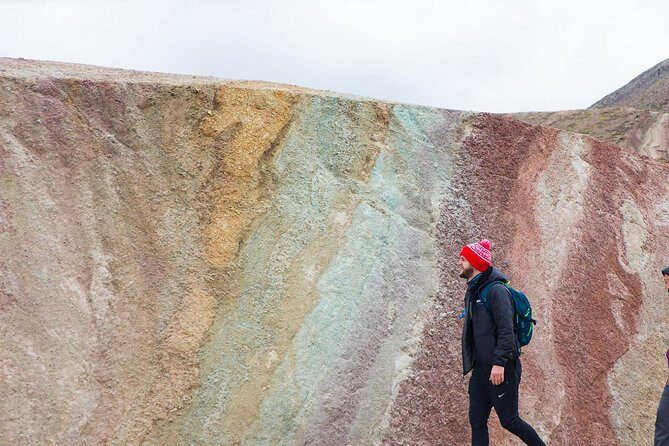
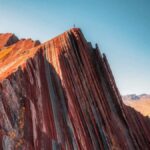
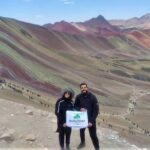
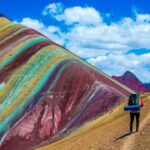
Rainbow Mountain (Vinicunca): why the early timing is worth it
Day 5 is the other defining hike. It starts with pickups around 4:00 AM, and then everyone meets up and heads toward Cusipata. You’ll have breakfast in Cusipata after arriving (around 6:30 AM), then you drive onward to the Wasipata area.
The walk starts after the drive and is about 1 hour 30 minutes one way to the mountain area, followed by about 40 minutes at the viewpoint, then about 1 hour 15 minutes back. After that, lunch is served at the restaurant, and you return to Cusco around 3:30 PM.
What I like about this schedule is that it respects how quickly altitude fatigue builds. You’re not just waking up early for a photo; you’re using the early part of the day to make the climb feasible for more people.
Also, Rainbow Mountain is the day where support and encouragement can matter a lot. One review noted that with the help of a guide named John, they could reach the top. That matches what you should expect: this is a physical challenge, and good guidance can keep you steady.
Bring sunscreen. One guest called it out specifically. Add layers you can handle because you might be warm one moment and chilled the next, especially when you’re walking up and the wind finds you on the way back.
Qeswachaka Inca Bridge: ichu fiber, four lagoons, and courage on the crossing
Day 6 is a different kind of Peru. It’s not a big ruin day or a view-chasing day only. It’s a cultural tradition day tied to the Inca Bridge of Q’éswachaka.
Pickup is at 7:00 AM, and you travel for almost two hours through the south of Cusco. You stop at the four lagoons, then take a quiet moment nearby. After that, you visit the small Pabellones volcano near Yanaoca, and then you arrive at the bridge.
Here’s what makes Qeswachaka special: the bridge is made with vegetable fiber (ichu) and is maintained through an annual renovation by local communities. Before the renovation begins, an offering is given as a sign of respect and thanks to Pachamama.
Then you get to cross. You can cross the Inca suspension bridge from both sides. And the tour description doesn’t sugarcoat it: it looks easy, but you need courage.
This day is a great balance to the harder hiking days. It still involves effort, but it’s more grounded in place and tradition than in a checklist of photo spots. If you’re someone who likes Peru beyond the famous postcard scenes, this is your day.
Hotels, oxygen help, and the small-group advantage you’ll feel
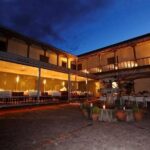
This tour includes hotels (3 stars), and it’s set up as a 7-day / 6-night style trip, with Aguas Calientes included as your overnight base for Machu Picchu. You also get walk sticks and oxygen assistance, which you’ll be glad you have if altitude affects you.
A practical note: oxygen assistance is included, and that isn’t a “nice to have.” Altitude can bring headaches, nausea, and fatigue fast. One guest highlighted that Herbert was very attentive during altitude sickness and made safety a priority. That’s the kind of care you want on a trip like this.
The small group (max 15) matters again here. When there are fewer people, it’s easier to manage slower walkers, late arrivals, and moments when someone needs extra attention. You’ll spend less time waiting and more time moving through the day with a steady rhythm.
What your days feel like on the ground: early starts and recovery built in
If you’re used to slow travel, this might feel intense at first. Day 4 starts at 4:00 AM, Day 5 pickups are also around 4:00 AM, and Day 3 is very early bus timing. These early departures aren’t random; they’re tied to altitude, daylight, and the logistics of getting into the right places.
The good news is that the trip also builds in recovery points:
- Day 1 begins with time to acclimatize.
- Day 2 includes a buffet lunch and structured breaks.
- Days 4 and 5 include meals and return travel time back to Cusco.
- Machu Picchu has guide time plus free time, so you can breathe.
Packing wise, you should treat this like a hiking-and-ruins trip. Comfortable layers, good traction shoes, and sunscreen are not optional. One guest specifically said to bundle up and bring trekking shoes and sunscreen, and that matches how the weather and elevation can work day to day in the Andes.
Who this tour is best for (and who should reconsider)
This is best for you if you want a big Peru highlight package with guided structure, and you’re okay with early mornings. You’ll also appreciate it if you like small-group attention and want guides who can explain what you’re seeing, not just point at ruins.
It’s also a solid fit if you’re trying to manage altitude smartly. The included oxygen assistance, the tour’s moderate fitness requirement, and the way the itinerary uses guided pacing can help you stay safer and more comfortable.
It may not be the right fit if you want lots of free time in each city. This schedule is packed, and your days are planned. Also, if hiking at high altitude isn’t realistic for you, you should think carefully, since Humantay and Rainbow Mountain both involve significant walking time.
Should you book this Cusco–Sacred Valley–Machu Picchu–Rainbow Mountain–Humantay tour?
If your goal is to see Machu Picchu, Sacred Valley, Humantay Lagoon, Rainbow Mountain, and Qeswachaka in one organized 7-day package, this tour is strong. The big reason to book is the way it bundles logistics you’d otherwise have to manage yourself: hotels, trains, entrance fees, transfers, and guides, with a small-group cap that keeps it from feeling like a cattle drive.
Book it if:
- You’re comfortable with early mornings and mountain hikes.
- You want a structured route with guided time at the major ruins.
- You value built-in altitude support like oxygen assistance and walk sticks.
Pass or compare if:
- You want a slower pace with more downtime.
- You’re unsure you can handle high-altitude walking even with support.
FAQ
What is the duration of the tour?
The tour is listed as 7 days (approx.).
Where does the tour start, and how is day 7 handled?
It starts in Cusco, Peru. On day 7, you get transport to the airport.
Is airport pickup included?
Yes. Airport pickup to the hotel is included, and transport from the hotel to the airport is also included.
Are entrance fees included for major sites?
Yes. Entrance fees are included, and Machu Picchu entrance is subject to availability.
Is Machu Picchu guided?
Yes. The Machu Picchu day includes a guided tour of about 2 hours and 30 minutes, plus time for lunch and later return transport.
How big is the group?
The maximum group size is 15 travelers.
How physically demanding is the tour?
The tour notes a moderate physical fitness level. Some days involve early starts and walking/hiking at altitude.
What meals are included?
Breakfast is included 6 times, and lunch is included 5 times. Meals not mentioned are not included.