REVIEW · CUSCO
Full Day in the Sacred Valley – The Pantry of Cusco
Book on Viator →Operated by Peru Sightseeing - Day Tours · Bookable on Viator
Sacred Valley hits fast when your day is planned. This full-day run from Cusco strings together textile culture, Inca-era sights, and a souvenir stop where you can practice your bargaining. You get a tight route, lots of small “chapter stops,” and a guide who keeps the flow moving.
Two things I like a lot: the small group size (max 16) keeps it feelable instead of chaotic, and you travel with an English- or Spanish-language guide plus audio guides for back-up. It’s built for people who want value and clarity, not a long series of wandering.
One drawback to consider: major admissions aren’t covered. You’ll need the Cusco Tourist Ticket (BTC), and Ollantaytambo is marked as ticket not included, so budget for that before you go.
In This Review
- Key highlights you’ll feel in the day
- A 7:30 am start that sets the pace for the Sacred Valley
- Awana Kancha: textiles first, camelids up close
- Pisac archaeological complex: agriculture and a pre-Hispanic cemetery
- Pisac Market: bargaining practice for real souvenirs
- Ollantaytambo: canals, cobblestones, and the fortress above
- What you pay for (and what you don’t): BTC and lunch drinks
- Guide quality is the difference between seeing and understanding
- Timing tips so you don’t feel rushed
- Shopping without getting talked into bad deals
- Who this Sacred Valley tour is perfect for
- Who should skip or adjust expectations
- Should you book Full Day in the Sacred Valley – The Pantry of Cusco?
- FAQ
- How long is the Sacred Valley full-day tour?
- What time does the tour start in Cusco?
- How many people are in the group?
- What languages are the guide and audio guides available in?
- Are admissions included for all stops?
- Is the Pisac Market a shopping stop?
- Is the Ollantaytambo admission included?
- What’s included in the price?
- Is lunch included, and are drinks covered?
- What if the weather is bad?
- Does the tour end back where it starts?
Key highlights you’ll feel in the day

- Awana Kancha textiles + camelids in one focused stop (25 minutes)
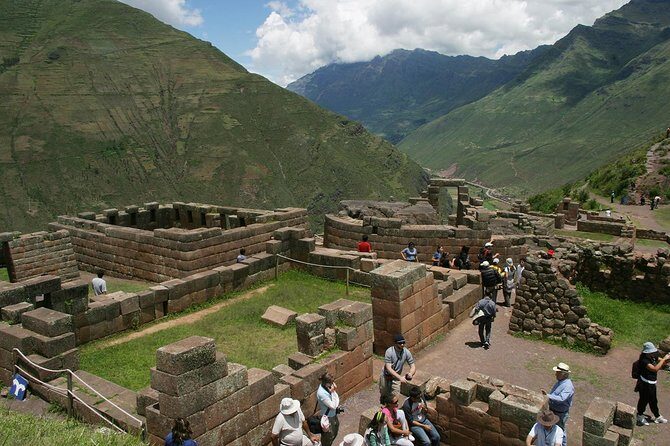
- Pisac ruins with agricultural terraces and a pre-Hispanic cemetery (45 minutes)
- Pisac Market shopping practice with a full hour to negotiate (and hunt for the best finds)
- Ollantaytambo’s canals and cobbled streets—plus the ceremonial/fortress area above
- Guide-led pacing with audio support, in English or Spanish (not bilingual)
A 7:30 am start that sets the pace for the Sacred Valley
This is a 10-hour day that starts at 7:30 am. Expect a lot of “see, learn, move” rather than lounging—because you’re covering multiple stops in one go. The payoff is you can check the big names without spending your whole day hopping between them.
You’re riding in an air-conditioned vehicle, and the group stays capped at 16 people. That matters in Cusco, where “personal space” can disappear quickly on popular routes. Here, you’ll likely get more direct attention when you need it.
The day does ask for moderate physical fitness. You won’t be tackling anything described as extreme here, but you are moving through archaeological areas, walking, and spending time outdoors.
You can also read our reviews of more tours and experiences in Cusco

Awana Kancha: textiles first, camelids up close
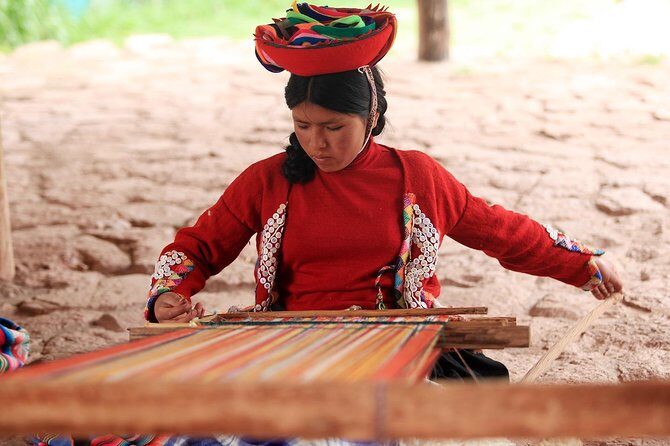
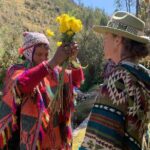
Your first stop is Awana Kancha, a textile center designed to teach ancestral techniques. It’s a short visit (about 25 minutes), so it works best if you pay attention and ask a couple of questions early.
This is also where the focus on South American camelids comes in. Even if you’re not deep into textile history, the animal connection helps make the whole weaving tradition feel more grounded than a museum lecture.
Admission is listed as free for this stop, which is nice early in the day. It’s a clean way to start: you get cultural context before you step into Inca-era stonework later.
Pisac archaeological complex: agriculture and a pre-Hispanic cemetery
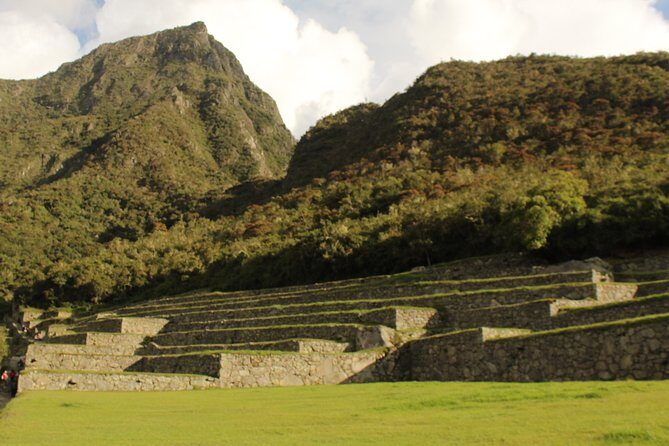
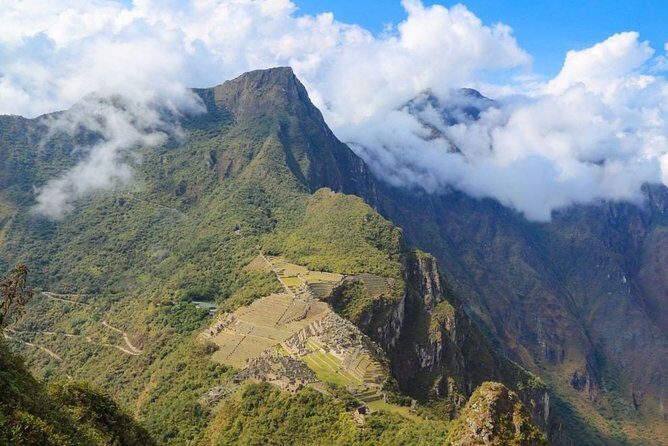
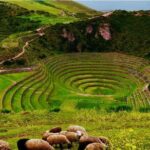
Next comes Pisac, where you visit the archaeological complex with two distinct elements: the agricultural area and a pre-Hispanic cemetery. You’ll have about 45 minutes here, which is enough time to grasp the big features without feeling rushed.
What I like about this stop is the mix. Many ruins tours only point at structures, but Pisac also includes the human-use side—how the land was farmed and organized. When you then see a cemetery component in the same area, the site reads less like random rocks and more like a whole lived place.
Admission here is also free in the way it’s scheduled. That makes Pisac a strong value stop: you’re paying for the guide and transport, not entry fees layered on top.
Pisac Market: bargaining practice for real souvenirs
After the ruins, you switch gears at the Pisac Market. You get around 1 hour—long enough to compare, not long enough to lose track of time. The idea is to use the moment to put your negotiation skills into practice, then bring home souvenirs you actually want.
This is also the stop where you can steer the day a bit. If you love crafts, go earlier with a quick plan: what you’re looking for, and what you’re willing to spend. If you’re more cautious, treat it like a scouting run—learn prices first, then buy only if it feels right.
Because this stop is built around shopping behavior, it’s worth keeping your expectations flexible. You might find great items, and you might also spot overpriced stuff. Your best tool is patience plus a budget.
Ollantaytambo: canals, cobblestones, and the fortress above

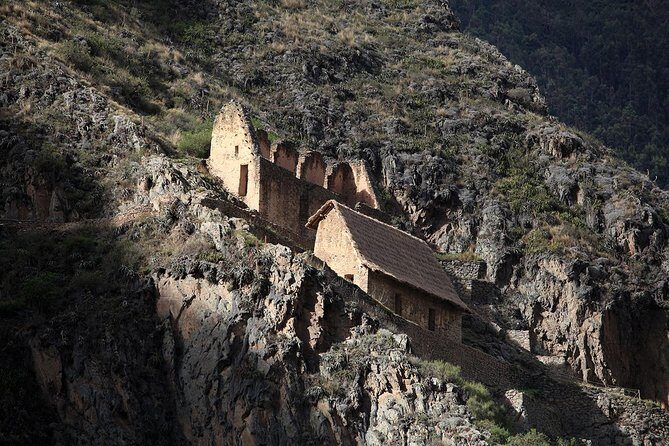
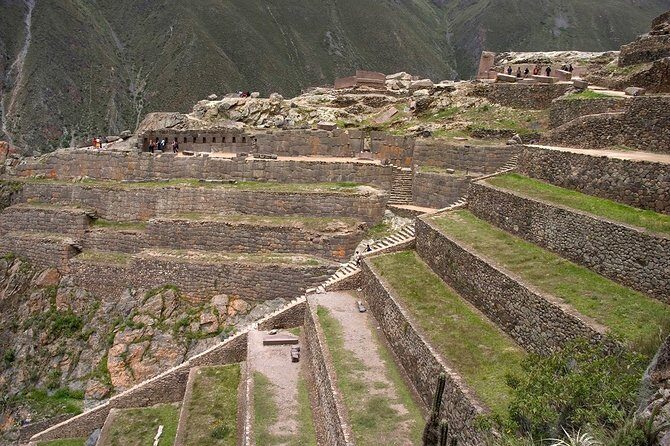
The final major stop is Archaeological Park Ollantaytambo, a village of Inca origin with canals and cobbled streets that are still in use. That “still in use” detail is important. It means you’re not only viewing ruins—you’re seeing a living urban pattern shaped by the past.
In the higher section, you reach an impressive ceremonial center and fortress area that guarded access to the lower valley. Even if your time here is short on the schedule, the layout tells a story: control and movement, framed by stone and elevation.
One practical note: admission is not included for this stop. Also, the tour doesn’t include the Cusco Tourist Ticket (BTC). So plan ahead—having the right ticket matters more at the final stop than at the earlier free-admission points.


What you pay for (and what you don’t): BTC and lunch drinks
Let’s talk value in plain terms. The tour is $68 per person for a 10-hour day with a professional guide, an air-conditioned vehicle, audio guides, and service on board. That’s a solid package if you’d otherwise be spending time coordinating transport and entry questions on your own.
But admissions and extras are where costs can pop up. The tour lists Cusco Tourist Ticket (BTC) as not included, and Ollantaytambo is also marked as ticket not included. So your real total depends on what you already have covered.
Lunch is a similar story. The only lunch-related item clearly called out is that drinks during lunch aren’t included. In other words, plan to handle beverages (and possibly the lunch itself) on your own terms once you’re in the flow of the day.
Guide quality is the difference between seeing and understanding
This tour lives or dies on the guide. The route is packed, so if explanations are vague, the day feels like checkboxes. If the guide is strong, the day feels like a story with momentum.
In particular, guides like Ricardo and Ricardo Yana Curi are praised for clear explanations of Inca history and for staying on schedule. There’s also a pattern of guides helping with practical needs beyond the official stops—like assisting with luggage at the end of the day or helping people navigate to their next place.
That kind of “calm competence” matters in a place like Cusco, where timing and altitude fatigue can make even small issues feel bigger. If your guide keeps things organized, you’ll enjoy the sites more and stress less.
Timing tips so you don’t feel rushed
This is not a slow tour. You’re moving from textiles to ruins to market to a final fortress stop, all under one day’s clock. If you hate crowds, go in ready to work with a group rhythm.
A smart approach: keep your day bag light. The market stop is great, but the more stuff you carry, the more annoying it becomes to browse and compare. Also, wear something comfortable for walking and steps—your day includes archaeological areas and you’ll be on your feet.
Because the day requires moderate physical fitness, don’t assume you can power through with flip-flops and hope. Bring shoes you trust for uneven surfaces.
Shopping without getting talked into bad deals
The Pisac Market is your negotiation arena, but negotiation is easier when you know what you’re buying. You’ll get the chance to practice, but you’ll also want to avoid impulse purchases.
Here’s how I’d play it:
- Set a rough target before you enter: one or two items max.
- Keep checking the price as you walk; don’t buy the first thing that catches your eye.
- If something feels like a stretch financially, step away and come back later.
The market time is capped at 1 hour, so decisions have to happen fast. That can work in your favor if you treat it like a curated sprint instead of a casual wander.
Who this Sacred Valley tour is perfect for
This works best if you:
- Want a one-day Sacred Valley overview with guided context
- Like structured sightseeing instead of DIY chaos
- Appreciate a small-group vibe and clear pacing
- Plan to do souvenir shopping in a dedicated market stop
It’s also a good choice if you’re traveling with mixed interests—culture, archaeology, and shopping all get airtime. A first-timer to the region will likely find the route easy to follow.
Who should skip or adjust expectations
Skip this if you want lots of free time at each site. The stops are short by design, especially the final Ollantaytambo portion. You’ll see the highlights, but you won’t linger for deep-only photo sessions.
Also, if ticket costs or planning admissions feels like a headache, make sure you know what you’ll bring for the BTC and the Ollantaytambo admission. This isn’t a fully “everything included” day.
Should you book Full Day in the Sacred Valley – The Pantry of Cusco?
I’d book it if you want a well-paced Sacred Valley sampler that doesn’t waste your day. For most people, $68 buys a lot: transport, a professional guide, audio support, and a route that covers textiles, Pisac, a shopping stop, and Ollantaytambo.
You should book with eyes open if you don’t want any planning around admissions. The day isn’t fully ticketed, and Ollantaytambo costs extra on top of the BTC requirement.
If that’s fine, you’re set up for a fun, practical day that teaches as it moves.
FAQ
How long is the Sacred Valley full-day tour?
It runs for about 10 hours.
What time does the tour start in Cusco?
The start time is 7:30 am.
How many people are in the group?
The tour has a maximum of 16 travelers.
What languages are the guide and audio guides available in?
You’ll get a guided tour in English or Spanish (not bilingual). The tour also includes audio guides.
Are admissions included for all stops?
Not all admissions are included. Cusco Tourist Ticket (BTC) is listed as not included, and Archaeological Park Ollantaytambo is marked as ticket not included.
Is the Pisac Market a shopping stop?
Yes. You’ll spend about 1 hour at the Pisac Market, which is intended for handicraft shopping and negotiation practice.
Is the Ollantaytambo admission included?
No, the Ollantaytambo stop is marked as admission ticket not included.
What’s included in the price?
Included: audio guides, a professional guide, service on board, and an air-conditioned vehicle.
Is lunch included, and are drinks covered?
The tour info specifies that drinks during lunch are not included. Lunch itself isn’t clearly listed as included, so plan to handle meals and drinks as needed.
What if the weather is bad?
This experience requires good weather. If it’s canceled due to poor weather, you’ll be offered a different date or a full refund.
Does the tour end back where it starts?
Yes, it ends back at the meeting point.