REVIEW · CUSCO
From Cusco: 2-Night Lake Titicaca Excursion
Book on GetYourGuide →Operated by Peru Hop · Bookable on GetYourGuide
Two nights on the road make the lake feel close. From Cusco, this trip pairs overnight Peru Hop buses with guided time at Uros floating reed islands and the more remote island life of Amantani on Lake Titicaca.
I like how the schedule includes real lake travel, not just quick photo stops. You get a guided, bilingual experience and a set midday break with lunch on the Llachon Peninsula, so you’re not living on snacks the whole day.
The main thing to consider is that the Uros portion can feel shorter or more staged than you expect, and conditions can shift the day’s flow (rain, mudslides, overflows, and similar disruptions). It’s still a strong cultural stop, just go in with reasonable expectations.
In This Review
- Key points to know before you go
- Cusco to Puno: why the overnight bus is part of the deal
- Uros Floating Islands: what you’ll likely see (and what to expect)
- Amantani Island: the remote community moment
- Llachon Peninsula lunch: eating with the lake-side rhythm
- Puno’s free time: use it well after you return
- Price and value: is $86 fair for this mix?
- The weather reality: when the lake day changes
- What’s in the headlines: the Paracas and Huacachina confusion
- Practical tips so the trip runs smoother
- Who this tour fits best (and who should skip it)
- Should you book the Lake Titicaca 2-night excursion?
- FAQ
- What time does the bus leave Cusco?
- Where do I meet for the tour in Cusco?
- How do I get from Plaza de Armas to the terminal?
- What’s included in the price?
- Is breakfast or dinner included in Puno?
- Is there luggage storage when we arrive in Puno?
- What should I bring?
- Is this tour suitable for everyone?
Key points to know before you go

- Overnight Peru Hop buses: you trade daytime transit for more time on the lake
- Bilingual guidance: English and Spanish explanations throughout the main stops
- Uros floating reed islands: entry ticket included, with a guided visit
- Amantani Island: time with a remote community plus guided cultural context
- Llachon Peninsula lunch: lunch included right in a shore-side village
- Cash will help: there can be extra costs once you’re out on the water and in villages
Cusco to Puno: why the overnight bus is part of the deal

This is a 3-day experience that effectively uses two overnight bus rides to move you from Cusco to Puno and back again. The departure from Cusco is at 9:30 pm from the Hop/Peru Hop pickup point area at Alameda Pachacutec 499B, and the morning arrival is around 5:30 am. That means you’re traveling while most people are sleeping, then you do the sightseeing during daylight.
Your meeting point is the Hop private bus terminal at Industrial 252. Plan for roughly 10 to 15 minutes from Plaza de Armas to the terminal, so you’re not sprinting with a backpack at dusk.
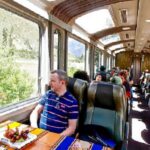
One practical upside: the Peru Hop bus includes high-speed onboard Wi-Fi, but the info says it’s only available through Peru Hop. So if you rely on messaging, maps, or syncing work, you’ll want to use it there and not count on it once you’re off the bus.
You can also read our reviews of more evening experiences in Cusco



Uros Floating Islands: what you’ll likely see (and what to expect)

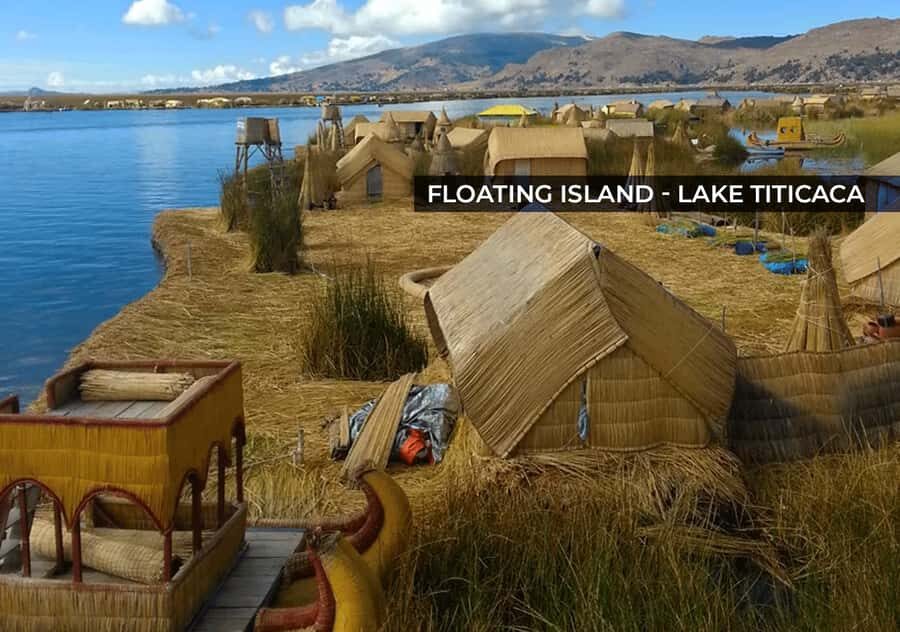
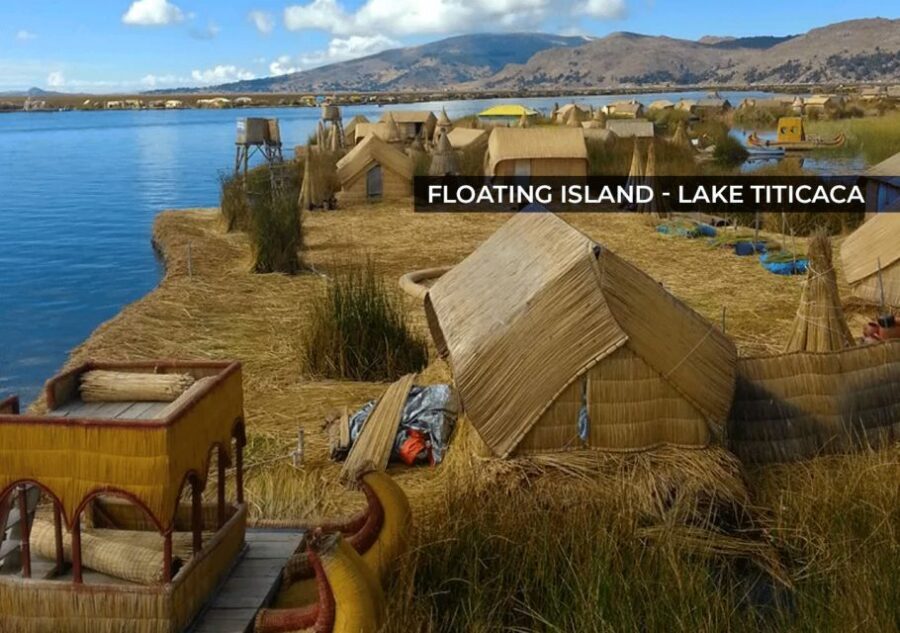
The big headline here is the visit to the Uros floating reed islands with an included entry ticket and a guided tour. You’ll take a boat out from Puno and get a history-and-lifestyle style explanation as you move through the island area.
I like that this is structured. You’re not left guessing where to stand, what’s being explained, or how the reed structures work. With a bilingual guide (English and Spanish), you also get context beyond the quick look from the water.
Still, this is where I’d dial expectations carefully. One negative experience described a situation where the group didn’t feel like it was meeting many Uros residents directly, and the stop felt more like a quick mini-island visit followed by another area with limited community interaction. That doesn’t mean the whole experience will be like that every time, but it does point to the reality of how tourism can shape the flow.
So here’s the “healthy skepticism” approach: you’re going for the reed-island concept and the guided explanation. If you’re hoping for a long, intimate, everyday-life visit, go in knowing tours can be time-boxed and staged.
Amantani Island: the remote community moment

After the Uros stop, the day transitions to the remote Island of Amantani. You’ll cruise out on the lake to get there, then enjoy a guided tour of the island with a focus on traditional history, lifestyle, and community culture.
This is the part of the trip that tends to feel most grounded. Uros is a recognizable landmark, but Amantani is about getting beyond the first postcard layer. You’re not just watching from a distance; you’re spending time where daily routines are central to what you see and hear.
One useful note: your schedule around Amantani includes a boat transfer later in the day to the Llachon Peninsula for lunch. That helps keep the day moving, but it also means Amantani time is meaningful rather than endless. If you’re the type who loves to ask lots of questions, keep your questions ready—this kind of guided cultural visit rewards active listening.
Llachon Peninsula lunch: eating with the lake-side rhythm
Around 12:30 pm, you switch boats again to the Llachon Peninsula. Lunch is included here, in a shore-side village setting.
I like that this isn’t positioned as a formal show. It’s simply part of the rural flow of the day: boat travel, guided island time, then food and some breathing space in a scenic village area. Even if you’re not a super “foodie,” the fact that lunch is included helps you control your budget.
Also, the plan includes some free time after lunch. That’s valuable. It gives you room to wander at your own pace, process what you learned, and take a few photos without feeling like the guide is constantly moving you along.
Puno’s free time: use it well after you return
After the lake side portion, you’re back in Puno and you get free time to explore the city or grab dinner on your own. Then you return to the overnight bus at 9:30 pm from the partner hostel.
This is where planning matters. Breakfast and dinner in Puno aren’t included, so you’ll need to decide where to eat twice: once before your outbound day starts and once after you return. The good news is that Puno has plenty of restaurant options, and you’re not stuck hunting for something specific with no idea where to go.
One practical detail: when you arrive in Puno at around 5:30 am, you transfer to a partner hostel where you can store your luggage for free while you do the tour. It also says you can pay to shower. That’s a nice setup for people traveling overnight and trying to function like a normal human before noon.
Still, there can be waiting time built into hostel-based schedules. One experience mentioned being at the hostel for long stretches (several hours), so treat this as a “bring snacks and be patient” moment. If you rely on phone battery, also keep in mind you may not have the same comfort level as the bus Wi-Fi.






Price and value: is $86 fair for this mix?

At $86 per person for a 3-day format, the value depends on what you want out of it. You’re paying for two overnight bus rides plus a guided cultural route on Lake Titicaca.
Included basics that matter:
- Boat transportation
- Bilingual guide (English and Spanish)
- Entry ticket to Uros
- Entry ticket to Amantani
- Lunch in Llachon Peninsula
- Wi-Fi on the Peru Hop bus (only through Peru Hop)
- Free luggage storage at the partner hostel
Not included basics:
- Breakfast and dinner in Puno
- Hotel pickup
- The data doesn’t include hostel shower cost (it says you can pay to shower)
In other words, the “meat” is covered: transport + guiding + tickets + lunch. Where extra money can creep in is at stops where you choose to buy things, pay for upgrades, or handle small in-between needs. One strongly practical piece of feedback was to bring extra cash because additional costs show up along the way.
If you like structured day travel, guided explanations, and you don’t want to stitch together boats and tickets yourself, this price is plausible. If you want maximum unscripted time with local families, you may feel the tour format is too controlled for the money.
The weather reality: when the lake day changes
The tour notes that the itinerary can vary due to weather issues like rain, mudslides, overflows, strikes, demonstrations, and other events that disrupt normal operations. That’s not a small footnote. On lakes and rural routes, the day can flex.
So your best move is to be adaptable. Pack the mindset that you might move slightly slower, swap order, or experience a different pacing than you hoped. This doesn’t mean you’ll lose the whole trip, but it does mean you shouldn’t plan critical connections or super tight follow-on travel right after your return.
What’s in the headlines: the Paracas and Huacachina confusion

One part of the experience highlights other Peru favorites like Huacachina buggy rides and Paracas Reserve. But the day-by-day flow described here is clearly centered on Cusco–Puno–Uros–Amantani–Llachon, with no mention of Paracas or Huacachina in the operational day plan you’ll follow.
So here’s the practical advice: confirm what’s actually included for your exact departure. Don’t rely on the highlights line alone. If your goal is Lake Titicaca, you’re solid. If you also came specifically for desert-meets-ocean stops and dune buggy time, double-check before you finalize.
Practical tips so the trip runs smoother
A few basics from the info you’re given:
- Bring a passport or ID card
- Bring snacks and water
- Bring cash
- Expect to travel with a backpack, since hotel pickup isn’t included
I also recommend you treat this as a phone-and-energy day. You’ll be transferring between transport and boats, plus you’ll likely spend time waiting at hostels. Download offline maps and save what you’ll need for restaurants in Puno.
For the Uros portion specifically, keep your camera ready, but don’t forget the goal is guided understanding. If you’re the type who likes to ask smart questions, you’ll get more out of the time spent there.
And for hostel comfort: one note mentioned that bathroom cleanliness at the hostel could be better and not fully ready when visitors arrive. That’s not a dealbreaker, but it’s a reason to carry small hygiene essentials so you’re not thrown off.
Who this tour fits best (and who should skip it)
This experience fits you best if:
- You want Lake Titicaca culture in a guided, efficient format
- You’re okay with overnight buses as part of the plan
- You want included boat transport, entry tickets, and lunch without DIY planning
- You value explanations in English and Spanish
It’s not suitable for children under 4, pregnant women, or wheelchair users based on the provided info. Also, if you’re very sensitive to long waiting stretches or you dislike structured timing, you may find the pacing a bit rigid.
Should you book the Lake Titicaca 2-night excursion?
I’d book this if your top priorities are Uros floating reed islands, Amantani community time, and a guided lake circuit that’s already handled for you. The included tickets, lunch, and bilingual guiding make it a straightforward way to experience more than just a quick look at the lake.
I wouldn’t book it if you’re expecting lots of unfiltered, unscheduled time with residents, or if you need a perfectly seamless day with zero waiting. The format is designed for movement and coverage, and weather can adjust how the day flows.
If you’re the adaptable type and you want a value-packed cultural route with minimal logistics stress, this is a solid choice from Cusco.
FAQ
What time does the bus leave Cusco?
The Peru Hop overnight bus departs Cusco at 9:30 pm.
Where do I meet for the tour in Cusco?
You meet at the Hop private bus terminal at Industrial 252.
How do I get from Plaza de Armas to the terminal?
It takes about 10 to 15 minutes on average.
What’s included in the price?
Included are guided transportation from Cusco to Puno, boat transportation, bilingual English/Spanish guide, entry tickets to Uros and Amantani, lunch on the Llachon Peninsula, and high-speed onboard Wi-Fi on the Peru Hop bus.
Is breakfast or dinner included in Puno?
No. Breakfast and dinner in Puno are not included.
Is there luggage storage when we arrive in Puno?
Yes. There’s a hostel where you can store your luggage for free, and you can pay to shower.
What should I bring?
Bring a passport or ID card, snacks, water, and cash.
Is this tour suitable for everyone?
It’s not suitable for children under 4, pregnant women, or wheelchair users.