REVIEW · CUSCO
Excursion to the Planetarium of Cusco | New experience
Book on GetYourGuide →Operated by Chullos Travel Cusco · Bookable on GetYourGuide
Cusco’s sky lesson happens after dark. This Planetarium of Cusco excursion mixes an Inca astronomy talk, a planetarium dome show with Inca constellations, and real telescope viewing. I also like the small-group vibe, capped at 10 people, which makes it easier to ask questions instead of just watching quietly.
The potential drawback is timing and depth. The published duration is 4 hours, but the actual time on-site can feel shorter if the schedule moves fast or telescope conditions aren’t great.
In This Review
- Key things to know before you go
- Cusco Planetarium at night: what you’re paying for
- Pickup near Plaza Regocijo and the trip out of town
- The Inca astronomy talk in the interpretation rooms
- The planetarium dome show: Inca constellations, not just stars
- Telescope time and the night walk: where the real magic happens
- Small-group pacing with a guide in English or Spanish
- Price check: is $39 good value in Cusco?
- What to expect from weather and telescope viewing
- Practical tips to get the most out of your Cusco stargazing night
- Who should book this (and who might want a different plan)
- Should you book the Planetarium of Cusco excursion?
- FAQ
- Where is the pickup for the Planetarium of Cusco excursion?
- How long is the tour?
- What’s included in the ticket price?
- Do you get telescope time?
- What group size should I expect?
- Is it family-friendly and what rules apply?
Key things to know before you go
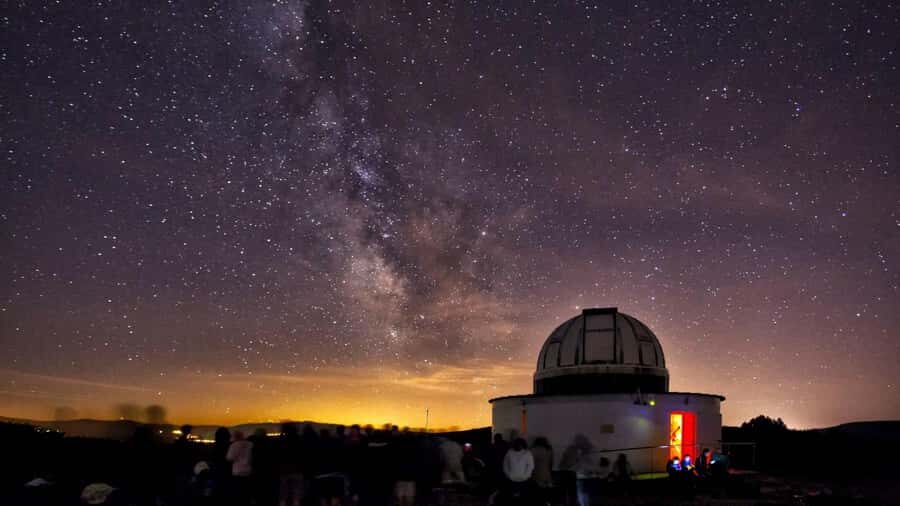
- Inca astronomy talk first, then dome projection, then (weather permitting) telescope viewing
- Planetarium dome show focuses on Inca constellations rather than only Western sky charts
- Professional telescopes are the payoff, but they depend on the night and clouds
- Night walk included, so plan for chilly air and slower walking pace
- Small group limited to 10 participants helps you connect with the guide
- Pickup near Plaza Regocijo and return to Cusco’s Plaza de Armas around 8:00 PM
Cusco Planetarium at night: what you’re paying for
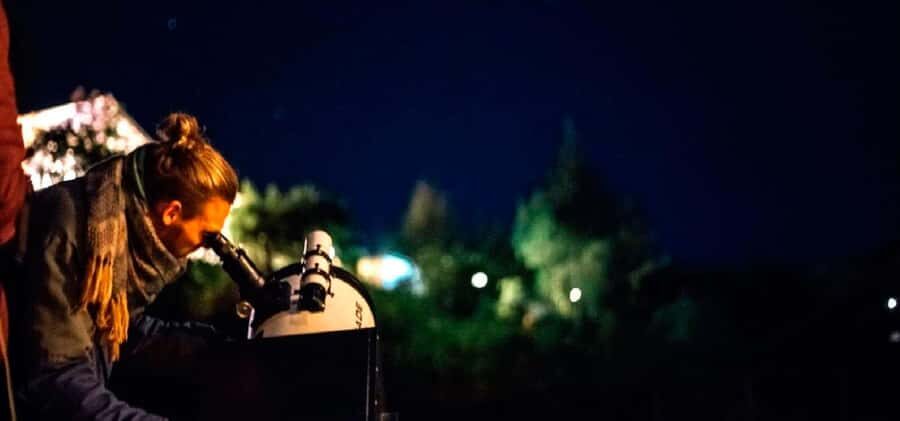
This excursion is built around one big idea: you go from stories about the sky to seeing the sky for real. You’ll start with a guided explanation of how the Inca understood the stars, then move into a virtual planetarium projection where constellations come alive on the dome. The final step is the hands-on part—looking through telescopes—so you’re not just watching a show.
For value, I’d frame it like this: at $39 per person, you’re paying for access to a curated night program (talk + dome show + guided stargazing) plus transport. If you’re the type who loves astronomy and wants a visual experience, it’s a good deal. If you’re expecting a long, deep lecture about Inca astronomy with lots of detail, you may feel underfed.
You can also read our reviews of more tours and experiences in Cusco.



Pickup near Plaza Regocijo and the trip out of town
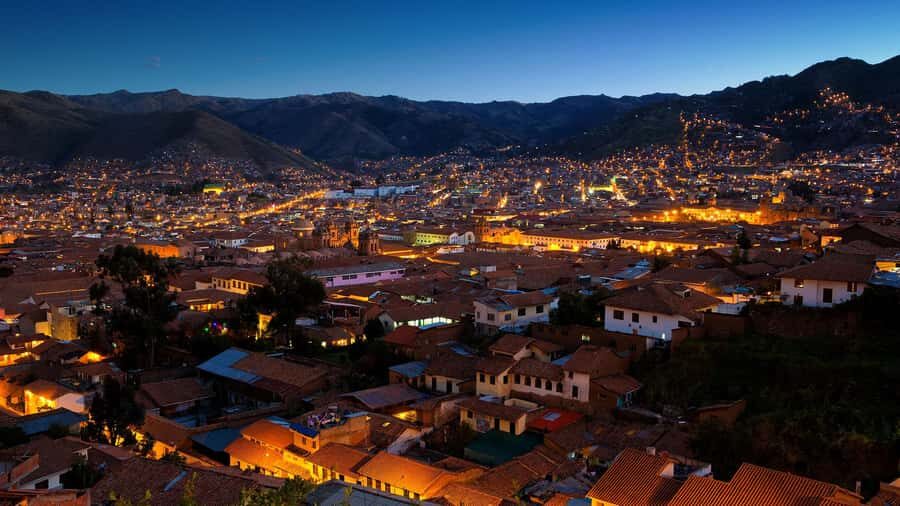
The experience starts with pickup around 5:30 to 6:00 PM at Plaza Regocijo. You’ll board a shuttle for the ride to the Cusco Planetarium, which is less than 20 minutes from the city. That’s helpful because you’re not sacrificing half your evening on transport.
Why this matters: Cusco evenings get busy, and you’ll want your timing to feel predictable. A couple of people have flagged some mismatch between what they expected from the 4-hour label and how long they felt they spent at the site, which makes it extra important to plan for a realistic evening window.
Tip: If pickup is a deal-breaker for you, confirm exactly where the shuttle meets you. The tour data says pickup from your hotel is included, yet the program description also calls out meeting at Plaza Regocijo. In real life, operators sometimes run different pickup patterns depending on your area and the day.
The Inca astronomy talk in the interpretation rooms
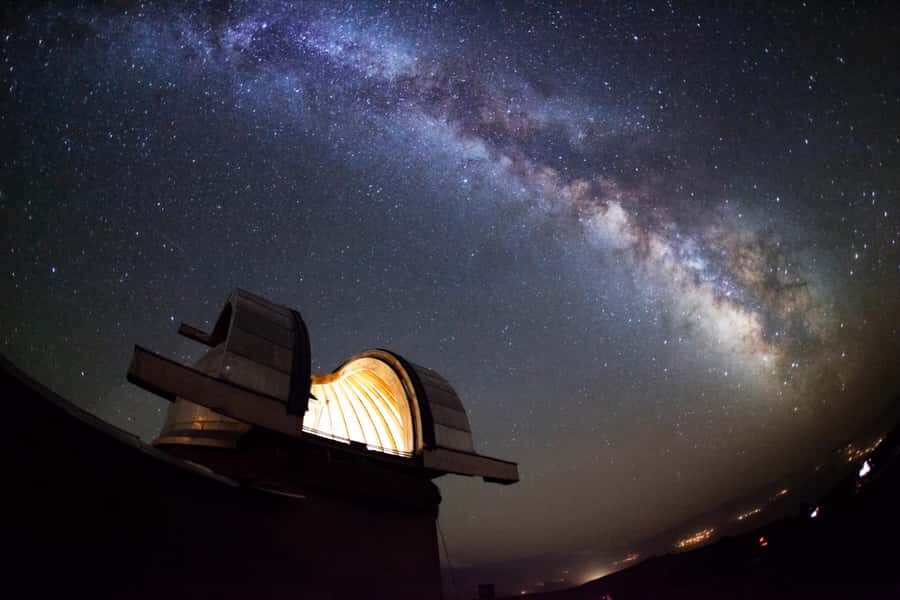
Once you arrive at the observatory, you get an introduction in the interpretation rooms. This is where the guide sets the foundation: Inca astronomy, how the sky was read, and what you should look for later in the planetarium dome and through the telescope.
I like this sequence because it gives your eyes something to do. Without a framework, constellations can feel like random patterns. With context, the same dots of light become a story—one the guide can connect to how the Inca interpreted the heavens.
Language is covered too: the guide speaks English and Spanish, and the group is small. That usually means you get a better chance to ask a quick question rather than relying on passive listening.
The planetarium dome show: Inca constellations, not just stars
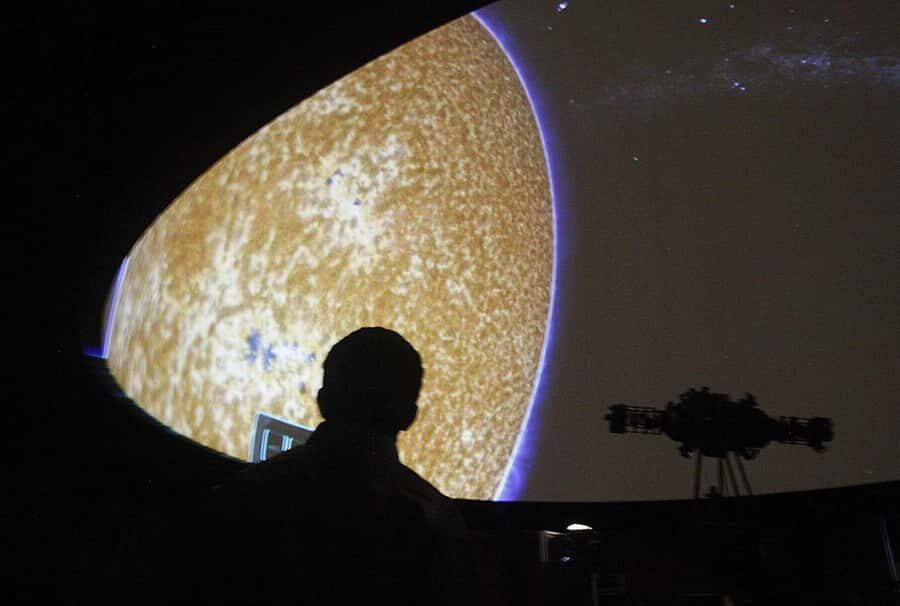
After the talk, you’ll step into the planetarium dome for a virtual sky projection. This is where you learn the Inca constellations with visuals that are easier to track than trying to map the night sky on your own in Cusco.
What makes this part useful is that it bridges the gap between knowledge and observation. You’re basically rehearsing the night sky: the dome helps you recognize patterns, then the telescope time tests what you can actually see with your own eyes.
One watch-out: the program is designed as a short evening activity. So if you’re hoping for a super technical explanation of how specific constellations were used by the Inca, you might find the level more general than you expected. The best approach is to treat the dome show as orientation, then ask follow-up questions during the guide-led sections.
Telescope time and the night walk: where the real magic happens
Next comes the payoff: observing through the professional telescopes at the Cusco Planetarium. This part is subject to weather conditions, so the sky may be clear or it may be a cloudy night where viewing is limited.
That uncertainty is normal for stargazing anywhere, but in Cusco it’s even more relevant because altitude and clouds can shift quickly. The upside is that the activity is still structured—you get the talk and dome show whether or not the telescope view is perfect.
You’ll also do a night walk as part of the experience. This is your “slow down” moment. Even if your telescope view is brief, walking and looking up in a guided setting helps you notice what you might otherwise miss.
Practical note from real experiences: one person specifically mentioned blankets were provided for outdoor star gazing with the giant telescopes. I can’t promise you’ll get them every night, but it’s a strong hint that temperatures can feel cold enough to plan for it. Bring a warm layer, even if the afternoon felt mild.




Small-group pacing with a guide in English or Spanish
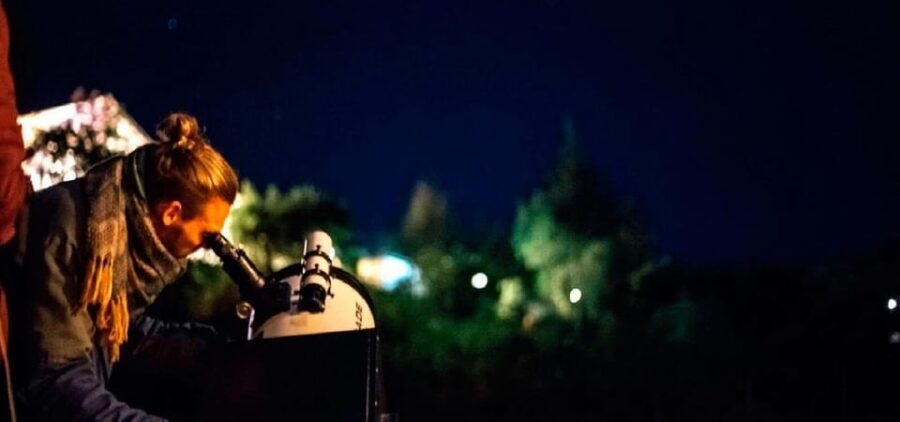
This excursion runs with a small group (limited to 10 participants), which changes the vibe. You’re less likely to get lost in the shuffle, and the guide has a better chance to keep everyone together and answer questions.
The guide is scheduled for English and Spanish, and the group size helps with both languages because people aren’t constantly jumping in and interrupting each other. If you’re traveling with family or you want a calmer experience than big group tours, this format is a plus.
That said, the pacing may still feel fast. A couple of experiences have described the event feeling shorter than the listed 4 hours, particularly when including transportation. If you’re the type who plans your evening tightly, keep a bit of buffer time for the whole day—not just the official start and end.
Price check: is $39 good value in Cusco?
At $39 per person for a 4-hour program (with starting times based on availability), you’re buying more than a quick ticket. You’re getting transport, guide interpretation in English/Spanish, a dome projection show, and planned telescope viewing plus a night walk.
Whether it’s good value depends on what you want most:
- If your priority is Inca constellations shown visually and then reinforced by actual viewing, $39 is reasonable.
- If your priority is a long, detailed lecture or if you expect to spend most of the evening at the telescopes, you may feel the price is steep for the time you get.
The mixed ratings reflect that. Some people describe the history-and-science angle as impressive and mention conveniences like blankets. Others felt it was pricey for a short viewing window and wanted more practical depth about how the Inca used these observations.
My practical take: go in expecting a guided night program, not a full academic seminar.
What to expect from weather and telescope viewing
The telescope portion is the variable. The tour specifically states it depends on weather conditions, so your night sky experience can range from clearly visible to more limited.
Here’s how to protect your enjoyment:
- Focus on the dome show and talk as your “sure thing.”
- Treat telescope time as the bonus.
- Dress like it’s colder than you think—Cusco nights can feel sharp quickly.
Even if telescope viewing is limited, you’ll still have the guided framework for the constellations. And that dome projection can still be the most informative part if the sky is cloudy.
Practical tips to get the most out of your Cusco stargazing night
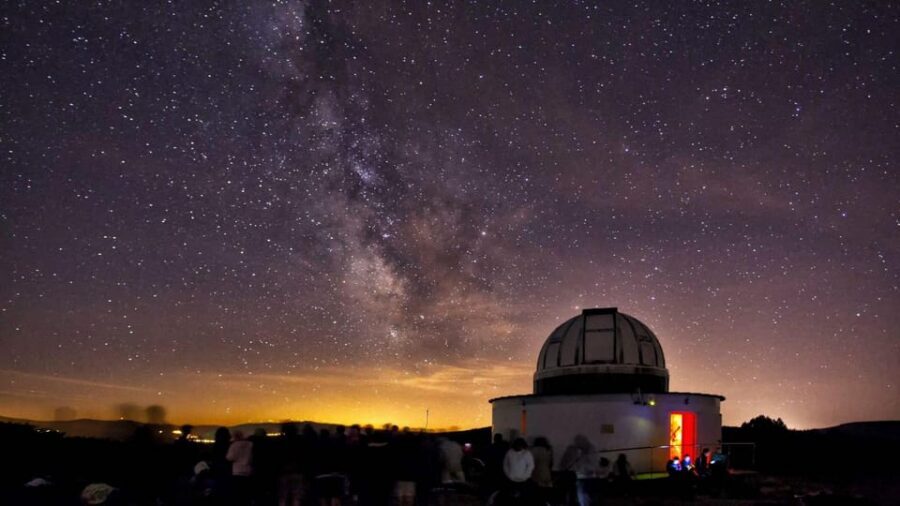
Cusco can surprise you after dark, so a few simple moves help a lot.
- Wear warm layers. Even if there are blankets offered, you’ll feel better if you’re already bundled up.
- Bring a phone, but don’t expect perfect star photos. The guide experience matters more than the picture.
- Arrive on time for the Plaza Regocijo pickup window (5:30 to 6:00 PM) so you don’t lose part of the talk.
- If you care about Inca astronomy details, come with one question. This kind of night show works best when you can turn curiosity into dialogue.
Also, the tour doesn’t include meals. Plan to eat beforehand so you’re not hungry during the talk and dome show.
Who should book this (and who might want a different plan)
This excursion is a great fit if you:
- love astronomy and stargazing, even if you’re a beginner
- want an introduction to Inca constellations in a guided, visual way
- enjoy smaller groups with a guide who speaks English and Spanish
- want a planned evening activity that gets you outside at night
You might think twice if you:
- are looking for a long evening with extensive telescope time
- expect a deeply technical breakdown of Inca astronomy and how it was applied
- need an exact schedule down to the minute, since night viewing can change based on weather and pacing
Should you book the Planetarium of Cusco excursion?
Yes—if you want a guided Cusco night experience that combines Inca astronomy stories, a planetarium dome projection, and a chance at telescope stargazing. I’d book it especially if you’re the kind of person who enjoys learning first and looking second.
If your goal is maximum time at the telescopes or very detailed academic content, keep your expectations realistic. This is a compact night program. It’s most satisfying when you treat it like a “guided guided sky evening,” not a long lecture.
FAQ
Where is the pickup for the Planetarium of Cusco excursion?
Pickup is at Plaza Regocijo between 5:30 and 6:00 PM. The tour then uses a shuttle to reach the planetarium, which is less than 20 minutes from Cusco.
How long is the tour?
The duration is listed as 4 hours. Exact starting times depend on availability.
What’s included in the ticket price?
Included are hotel pickup, tourist transportation, an on-site guide who speaks English and Spanish, and entrance to the Planetarium of Cusco.
Do you get telescope time?
You use professional telescopes, but the activity is subject to weather conditions.
What group size should I expect?
It’s a small group, limited to 10 participants.
Is it family-friendly and what rules apply?
Alcohol and drugs are not allowed. The tour is guided and includes a night walk, so comfortable footwear and warm clothing will help.