REVIEW · CUSCO
Try Gourmet Peruvian cuisine with a Local in the Sacred Valley of Urubamba
Book on Viator →Operated by Traveling Spoon · Bookable on Viator
A ceviche lesson can taste like vacation. In Urubamba’s Sacred Valley, this private 2-hour class with Diego and host Anilu has you cooking familiar favorites like ceviche and lomo saltado, then sharing the meal right afterward. I like that it’s truly personal, not a big commercial show, and I also like the focus on real technique like cutting fish and balancing flavors. One thing to consider: there’s no hotel pickup, so you’ll want to plan an easy way to reach Urubamba 08661 on time.
You’ll start at the meeting point in Urubamba and head to the hosts’ place, where the lesson happens in an outdoor kitchen setting. The experience is geared for English speakers, and you can choose whether you want a more hands-on role or a mostly demo-style class. Either way, you’ll leave with a better sense of how Peruvian cooking tastes when it’s fresh, seasonal, and made in someone’s home.
Because the menu can shift with the season, you might not cook every single dish listed. That’s normal for this kind of local setup, but it’s worth double-checking your dietary needs or preferences when you book.
In This Review
- Key things to know before you go
- A Sacred Valley cooking class that feels like a real home dinner
- Meet Diego and Anilu in an outdoor kitchen setting
- What you’ll cook: Peruvian classics with real technique behind them
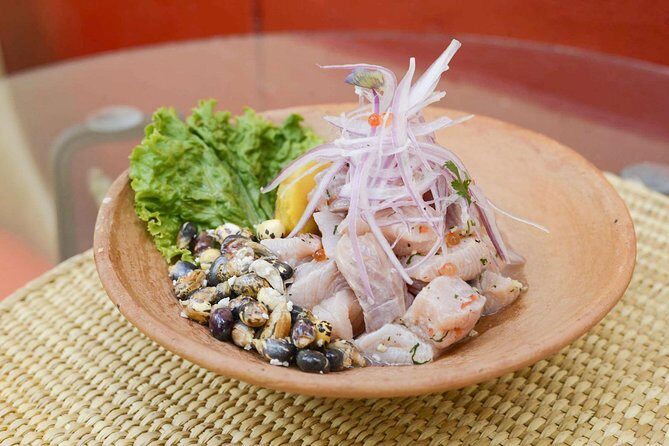
- Ceviche: citrus-cured fish and the knife work that matters
- Papa a la huancaína / papa la huancaína: creamy, spicy, savory potato comfort
- Causa rellena: potato puree, yellow ají, and a stuffing you actually want to eat
- Lomo saltado: beef, onions, peppers, and fried potatoes
- Tacu tacu and arroz chaufa: rice-and-beans and Chinese-Peruvian influence
- How the 2-hour lesson flows without feeling rushed
- Where you eat: your meal served with the hosts, not a restaurant script
- Price and value: what $114 per person really buys
- Practical tips so you enjoy the full 2 hours
- Who should book this Urubamba private class
- Should you book this Urubamba cooking class?
- FAQ
- FAQ
- What dishes will I learn to make?
- How long is the cooking class?
- Is this a private experience?
- Is the class offered in English?
- Can I choose whether I cook or watch?
- Does the price include the meal?
- Are vegetarian options available?
- Do I need to arrange my own transportation?
- Are allergies handled?
- Is cancellation flexible?
Key things to know before you go
- A private class with your own group means more time asking questions and less waiting around
- Diego teaches classic techniques, including how to cut fish for ceviche and how to balance flavors
- A host meal right after cooking turns your work into a relaxed, shared dinner with music in the background
- You can choose hands-on vs mostly watching during booking, so the class fits your comfort level
- Seasonal menu changes keep the food tied to what’s available locally
- Vegetarian option available if you request it ahead of time
A Sacred Valley cooking class that feels like a real home dinner
The Sacred Valley can feel like a highlight parade. This experience slows things down. Instead of racing between ruins and viewpoints, you get a chance to spend time in a local home setting and learn why Peruvian staples taste the way they do.
What I like most is how the class is built around a few strong, recognizable dishes. You’re not trying to memorize 12 sauces in 10 minutes. You’re learning core ideas through classics like ceviche and lomo saltado, then turning that knowledge into something you can eat while it’s fresh.
You also get the human side of it: you’re there with Diego, who cooks and explains, and with Anilu as your host. The meal is served as part of the experience, not as a separate add-on. And if you enjoy conversation and culture more than performance, this format tends to hit the right note.
You can also read our reviews of more tours and experiences in Cusco.

Meet Diego and Anilu in an outdoor kitchen setting
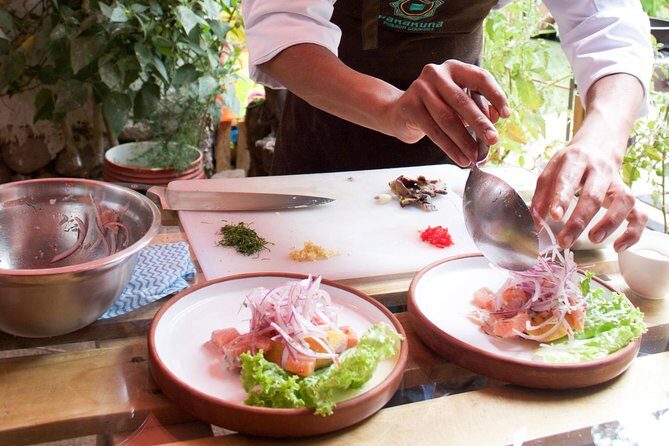
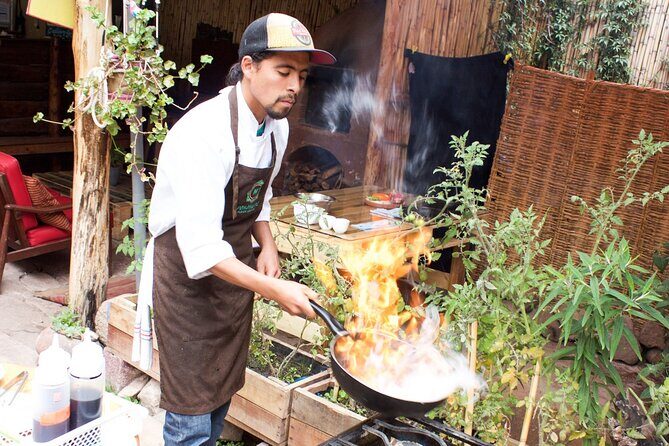
This is hosted out of a local home in Urubamba. Diego leads the cooking instruction, and your meal is shared with Anilu and the household rhythm. The class takes place in their outdoor kitchen, which matters more than it sounds. Outdoor cooking in this region often means the space feels lived-in and practical, not staged for tourists.
You’ll also get a clear sense of what matters in Peruvian home cooking: careful prep, timing, and tasting as you go. The experience description specifically calls out two technique areas you’ll learn through ceviche: proper fish cutting and flavor balance. Even if you never cook ceviche again, that kind of practical guidance helps you understand what makes the dish work.
One more point: the experience is in English, and you can specify your preference for hands-on work. If you’re the type who likes to jump in, you can. If you’d rather watch first and then do a few steps, you can. Either way, you’re not stuck in a one-size-fits-all group lesson.
What you’ll cook: Peruvian classics with real technique behind them
The menu centers on well-known Peruvian flavors, and you’ll likely see a mix of citrus, peppers, potatoes, rice, and meat. Based on what’s described, you may cook from items like ceviche, lomo saltado, tacu tacu, papa la huancaína, causa rellena, or arroz chaufa. The sample menu for this experience includes ceviche and papa a la huancaina as starters, causa rellena and lomo saltado as mains.
Here’s what those dishes mean, and why they’re smart picks for a cooking class:
Ceviche: citrus-cured fish and the knife work that matters
Ceviche is fresh fish cured in citrus juice. The key lesson is not just mixing ingredients. You’ll learn how to cut the fish properly and how to balance flavors while Diego explains his tips. That balance is what separates bland citrus from ceviche that tastes bright and clean.
If you’re used to ceviche served as a ready dish, cooking it helps you notice how ingredient proportions and cutting size affect the final result. It’s also a great gateway into Peruvian flavor building, because citrus plays a central role without overpowering everything.
Papa a la huancaína / papa la huancaína: creamy, spicy, savory potato comfort
This one starts with potatoes and a spicy, savory sauce. It’s often described as a comfort dish, but it’s not heavy in the way some potato dishes can be. The sauce does the work, and you’ll get to see how peppers and savory elements combine into something that feels bold but still cohesive.
If you like sauces, this is a good dish for learning how Peruvian cooking can use spice with structure, not chaos.


Causa rellena: potato puree, yellow ají, and a stuffing you actually want to eat
Causa rellena uses potato puree garnished with yellow ají sauce and lemon. It’s then stuffed with onion, avocado, and tuna. In a cooking class, it’s a fun dish because it teaches texture contrast: creamy potato base, tangy sauce, and a filling with its own character.
This is also a great example of how Peruvian cuisine balances ingredients that sound simple on paper into a layered bite.
Lomo saltado: beef, onions, peppers, and fried potatoes
Lomo saltado is marinated beef sirloin sautéed with onions and peppers, typically finished with fried potatoes. The class gives you the chance to see what makes it work: the meat marinade, the quick sauté rhythm, and how fried potatoes fit into the mix.
If you’ve never cooked stir-fry style before, you’ll likely come away with a better feel for timing and heat control.
Tacu tacu and arroz chaufa: rice-and-beans and Chinese-Peruvian influence
The experience description also mentions tacu tacu (rice and roasted beans) and arroz chaufa, which is a chifa dish, meaning Chinese-Peruvian cuisine. These choices matter because they show the wider story of Peruvian food beyond just one style.
Even if you don’t get every extra dish listed, knowing they’re part of the broader menu signals that the cooks aren’t stuck in one template. It’s Peru’s mixing-and-matching energy, translated into food.
How the 2-hour lesson flows without feeling rushed
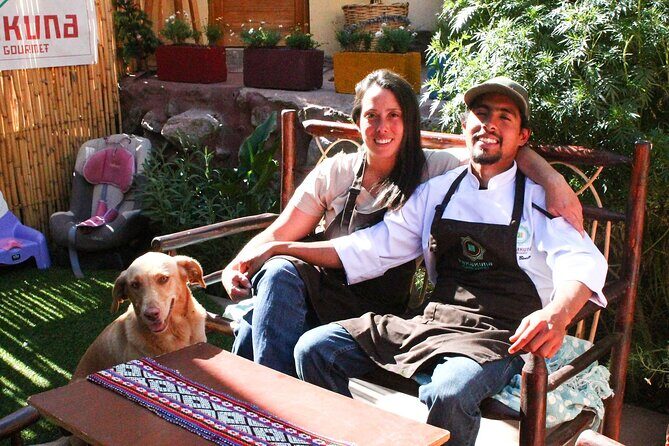
The class is about 2 hours, give or take, and it’s built for a smooth pace. Your time is split between cooking instruction and eating together afterward.
Here’s the flow you should expect:
First, you’ll be welcomed to the hosts’ kitchen space. Then Diego will guide the cooking. The description notes that Diego can demonstrate the dishes or you can have a hands-on lesson, based on what you note during booking. During the process, you’ll learn steps that usually get overlooked when you only eat the dish later—like how the fish should be cut for ceviche or how to balance flavors as you go.
After the cooking, you sit down together to savor the meal you prepared. Music plays in the background, which makes a big difference in atmosphere. It shifts the class from a workshop feel into something closer to a family dinner.
One practical drawback: since this is a cooking class centered on food, it’s not the right choice if you hate getting involved at least a little. Even in a mostly-watch option, you’ll still be in the middle of the food prep environment.
Where you eat: your meal served with the hosts, not a restaurant script
After cooking, the experience turns into a shared meal. That matters because it changes how you remember the food. You’re not just eating; you’re connecting each bite to the steps you watched or helped with.
The description is clear that you’ll sit down together to enjoy fresh, authentic Peruvian dishes, with music playing. That format also tends to make the experience feel less like a transaction and more like you joined in for an evening.
And since the class is private, you’re not competing for attention. If you have questions about ingredients, technique, or substitutions for your tastes, you’re more likely to get real answers.
Price and value: what $114 per person really buys
At $114 per person for about 2 hours, this sits in the middle of the “worth it” range for Peru food experiences. Here’s how I see the value:
You’re paying for private instruction plus the meal itself. The experience includes the private cooking class + meal with your host, all taxes and handling charges, and gratuities. Those inclusions matter because food-focused experiences can add surprise costs at the end, especially when you’re tipping separately.
You also get hands-on learning focused on technique, not just tasting. Learning how to cut fish for ceviche and balance flavors takes effort from the host side. That effort is part of what you’re funding when you book.
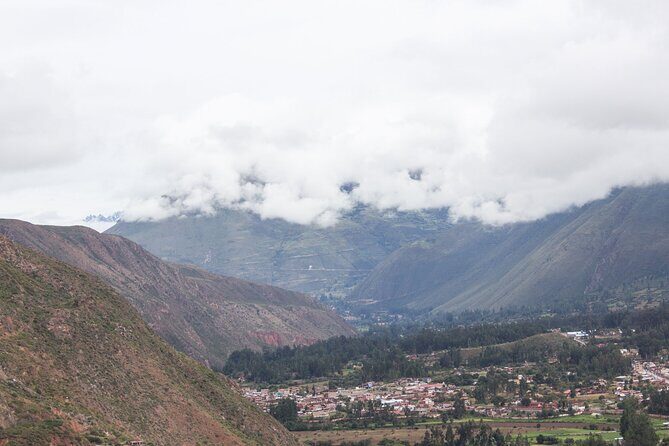
What’s not included is the one thing you’ll definitely want to plan: hotel pickup and drop-off. Since the meeting point is in Urubamba (08661), your overall value improves if you’re already staying nearby or can get there with low stress.
If you’re on a tight budget, this isn’t a street-food crawl. But if you care about real cooking knowledge and an actual local meal, the price aligns with what you’re receiving: time with Diego and Anilu, plus food you helped create.
Practical tips so you enjoy the full 2 hours
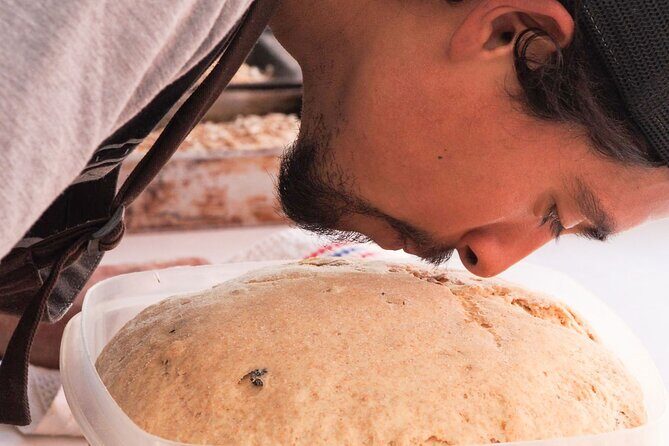
This experience works best when you go in prepared and communicative. Here are the practical moves I’d make if it were my evening:
- Tell them your dietary restrictions early. The booking info specifically asks you to advise allergies, dietary restrictions, and cooking preferences.
- Request the vegetarian option if you need it. It’s available, but you should flag it during booking so the menu can be adjusted.
- Choose your hands-on level in advance. If you prefer watching first, note it. If you like cooking, note that too.
- Plan your transport to the meeting point. Hotel pickup is not included, so know how you’ll reach Urubamba 08661 and return afterward.
- Expect seasonal menu changes. That’s not a problem; it’s part of the logic of home cooking.
Also, bring the mindset of a learner. This isn’t framed as a commercial cooking class. The description says it’s about meeting a local expert cook to share Peruvian culture and cuisine together. That tends to go better when you’re ready for the slower, more personal pace of home cooking.
Who should book this Urubamba private class
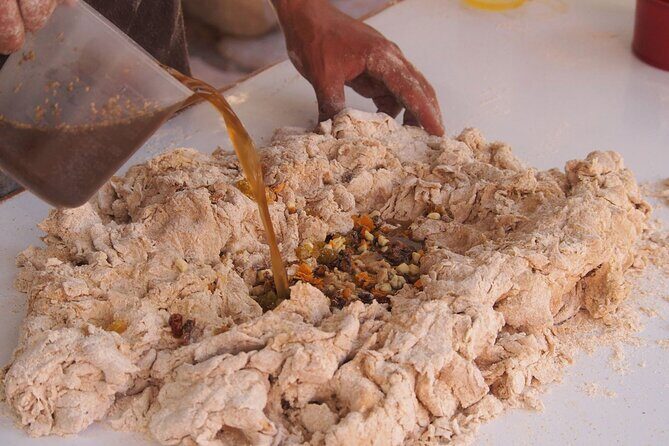
This is a strong fit if you:
- Want a private food experience rather than a crowded group
- Prefer learning through doing (hands-on) or through close observation (demo)
- Enjoy Peruvian classics and want to understand the cooking logic behind them
- Are visiting the Sacred Valley and want something beyond museums and ruins
It may not be the best fit if you:
- Need a fully hands-off experience with zero cooking involvement
- Are relying on hotel pickup and don’t want to figure out local transport
- Have very specific dietary needs without flexibility, since the menu can vary seasonally (even though vegetarian is available with advance notice)
Should you book this Urubamba cooking class?
If your goal is to feel what Peruvian cooking tastes like at the source, I think it’s a smart booking. You get a private class, a meal included, and instruction tied to real technique. The fact that Diego teaches ceviche fish-cutting and flavor balance is a practical hook. And then you eat what you made, with music playing, in the same home setting. That combination is hard to beat.
The main caution is logistics: no pickup. If you’re willing to handle your own ride to Urubamba 08661 and plan your timing, you’ll likely end the experience happy that you traded one more sightseeing stop for a hands-on evening.
FAQ
FAQ
What dishes will I learn to make?
The experience focuses on classic Peruvian dishes like ceviche and lomo saltado. It may also include items such as tacu tacu, papa la huancaína, causa rellena, and arroz chaufa, and the sample menu includes ceviche, papa a la huancaina, causa rellena, and lomo saltado.
How long is the cooking class?
It runs for about 2 hours.
Is this a private experience?
Yes. It’s private, and only your group participates.
Is the class offered in English?
Yes, the experience is offered in English.
Can I choose whether I cook or watch?
You can. Diego can demonstrate, or you can have a hands-on lesson, and you should note your preference during booking.
Does the price include the meal?
Yes. The private cooking class and meal with your host are included.
Are vegetarian options available?
Yes. A vegetarian option is available if you request it during booking.
Do I need to arrange my own transportation?
Hotel pickup and drop-off are not included. The activity starts at Urubamba 08661, Peru, and ends back at the meeting point.
Are allergies handled?
You should advise the provider at booking about any allergies, dietary restrictions, or cooking preferences so they can plan accordingly. Confirmation is received at booking time.
Is cancellation flexible?
Yes. Free cancellation is available up to 24 hours in advance for a full refund.