REVIEW · CUSCO
Lima Machupicchu and Lake Titicaca Tour 9 days
Book on Viator →Operated by Machu Picchu Sacred · Bookable on Viator
First-time altitude + Inca icons, done smart. What makes this trip work is the clear rhythm: Cusco acclimatization first, then Sacred Valley into Machu Picchu, and finally the slower, scenic pull of Lake Titicaca. I also like that you get real on-the-ground guiding on the big-ticket days, plus built-in time to decompress in Aguas Calientes. The main drawback to plan for is the pace: you’ll face early starts and moderate hiking (including Vinicunca), while your body adjusts to Peru’s elevation.
A nice added touch: the trip has a reputation for responsive coordination. In past experiences, people singled out coordinators and guides like Rossy, Scott Diaz, and Helida, plus guides Jack, Yusmer, and Elvis—the kind of team that keeps the day-to-day details from turning into stress. If you don’t like tight schedules or you’re sensitive to heights, you’ll want to take the acclimatization time seriously and go easy on the first Cusco days.
In This Review
- Key highlights worth your attention
- Lima to Miraflores: a gentle landing before Cusco
- Paracas to Huacachina: boats, wildlife, wine, then dunes
- Cusco acclimatization: Plaza de Armas, catacombs, and the 12-angle Stone
- Sacred Valley to Machu Picchu train: markets, salt terraces, and Ollantaytambo
- Machu Picchu with a private guided focus: what you’ll actually notice
- Aguas Calientes downtime: hot springs and small-town pacing
- Vinicunca Seven Colors Mountain: early start, guided hike, set meals
- Puno via Route of the Sun: Andahuaylillas and Raqchi focus
- Lake Titicaca by boat: Uros floating islands and Taquile culture
- Back to Lima: Juliaca Airport handoff and the trip’s final pacing
- Price and value: what $1,647 buys you in real terms
- Who should book this, and who should be cautious?
- Should you book Machu Picchu Sacred’s Lima, Machu Picchu and Lake Titicaca tour?
- FAQ
- How long is the tour?
- Which cities and regions are included?
- Are international flights included?
- What hotels are included?
- Are meals included?
- How does the tour handle Machu Picchu?
- What do you do on Lake Titicaca?
- How active is the Vinicunca Seven Colors Mountain day?
- Is this tour private?
- Is the tour refundable or changeable after booking?
Key highlights worth your attention
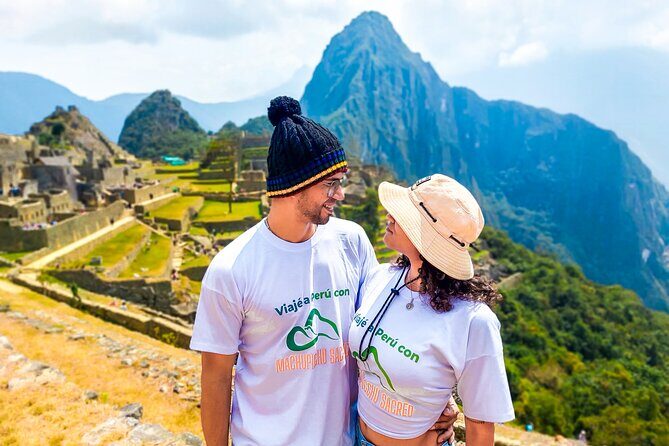
- Guided Machu Picchu with a focused route through temples, terraces, and streets
- Train + bus logistics handled so you’re not scrambling for timed tickets
- Paracas and Ballestas Islands by boat, with the rich wildlife and the El Candelabra geoglyph
- Vinicunca Seven Colors Mountain with an organized early start, plus set meal stops
- Lake Titicaca by boat: Uros floating islands and Taquile textiles (UNESCO-recognized)
- Private tour feel with shared services on activities, keeping your group supported without feeling chaotic
Lima to Miraflores: a gentle landing before Cusco
You start in Lima, and that matters. Landing and then going straight to high altitude is rough; here, you get a buffer day in Miraflores to reset your sleep and breathing. The driver meets you at Jorge Chávez International Airport and takes you to your hotel in Miraflores.
Miraflores itself is a solid “first Peru” base. You’ll stroll the seawall areas and the parks around Kennedy Park, then get that Pacific-view sense of Lima’s personality—easy, modern, and visitor-friendly. If you’re the type who likes first-day pacing, you’ll appreciate this setup: it’s mostly low-key walking and orientation.
One thing to plan around: Lima can be lively at night, and the area is built for tourists. If you want calm, aim for an early dinner and treat your first night like a warm-up for Cusco.
You can also read our reviews of more tours and experiences in Cusco.


Paracas to Huacachina: boats, wildlife, wine, then dunes
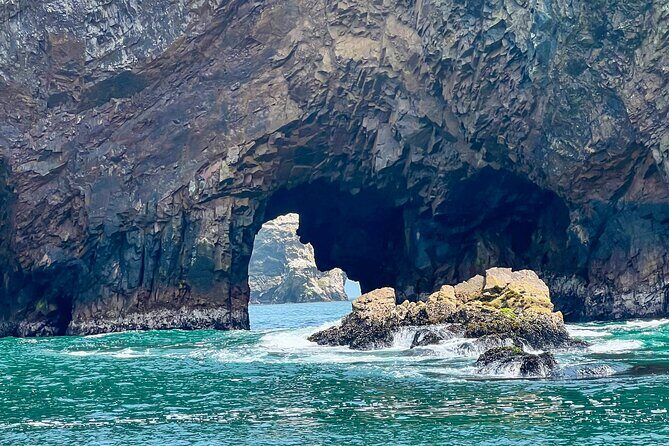
Day 2 is where the trip gets fun fast. You’ll head to Paracas for the Ballestas Islands boat excursion, often called the Peruvian Galápagos. You can expect sea lions, Humboldt penguins, and lots of seabirds in their natural habitat, plus the El Candelabra geoglyph that shows up from the water.
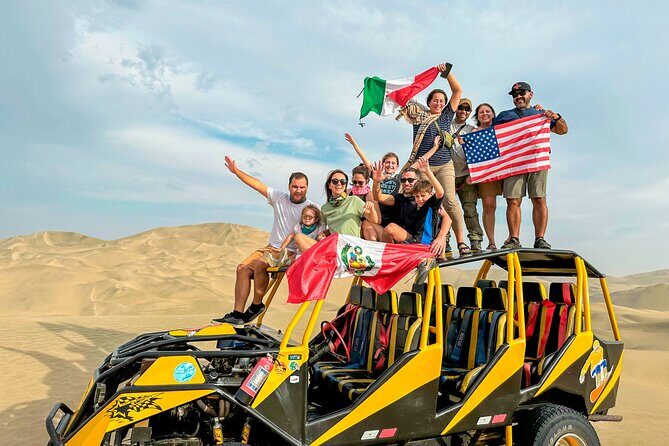
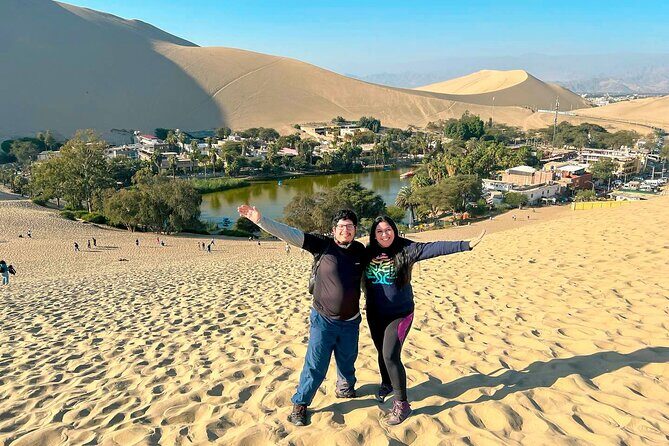
After that, the route shifts inland toward Ica, with a wine tasting stop before your sand adventure. Then comes Huacachina, where you’ll ride buggies and do a sandboarding tour in the dunes.
This combination is a good value play. One day gives you coastal wildlife, a cultural food-and-drink moment (the wine tasting), and then pure action in the desert. It also spreads your “wow” moments: you’re not stacking only one kind of scenery.
Possible drawback: it’s an active day and you return around 21:00. If you’re the type who hates travel-fatigue days, keep your expectations realistic and don’t plan any serious shopping right before bed.
Cusco acclimatization: Plaza de Armas, catacombs, and the 12-angle Stone
Once you fly to Cusco, the trip leans into altitude smartness. You get a Cusco walking tour designed to help you find your bearings fast: the Plaza de Armas and the colonial streets around it, plus neighborhoods like San Blas and San Cristóbal. You’ll also stop by Hatun Rumiyoc Street, home to the famous 12-angle Stone.
On the Lima side before that flight, you also get a taste of the city’s layers: the Love Park on the seawall, then a visit to the Historic Center. The big storytelling moment there is walking through Plaza Mayor and seeing a church linked with viceregal catacombs—an unusual detail that makes Lima feel more than just a gateway.
Why this matters for you: Cusco days go much smoother when you already know where the main sights are and how your body reacts. A guided start helps because you’re not guessing what to do on your first day at 3,000+ meters.
Consideration: the pace is still a walking pace. You don’t need to sprint between stops—slow it down, hydrate, and give yourself time to feel normal.
Sacred Valley to Machu Picchu train: markets, salt terraces, and Ollantaytambo
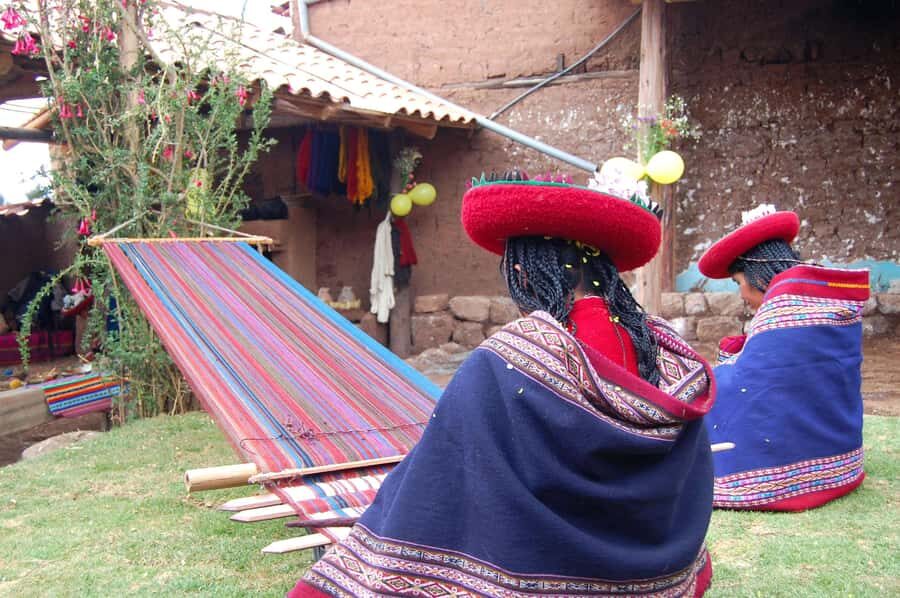
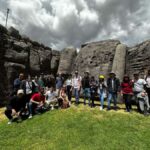
Sacred Valley day is built around three classic Inca-region highlights plus one very important “logistics win.” It starts in Chinchero with a traditional market, then moves to Salineras de Maras (the salt pools) and Moray, known for its circular terraces. After lunch in the Urubamba area, you finish with the fortress of Ollantaytambo.
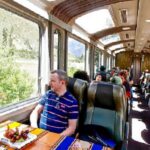
Then the day turns into the Machu Picchu approach. You board the tourist train to the village used as the access base for the citadel, where you’ll sleep overnight. That extra night is the difference between rushing in and having a real chance to reset.
For many people, this is the most satisfying part of the trip because it ties together the Inca story. Chinchero gives you daily-life textures. Maras and Moray connect you to Inca experimentation with land and resources. Ollantaytambo brings it back to defense and architecture.
Possible drawback: the day runs long (about 8 hours), and you’ll be moving between several viewpoints and archaeological stops. Wear comfortable shoes and plan to take breaks when you can.
Machu Picchu with a private guided focus: what you’ll actually notice
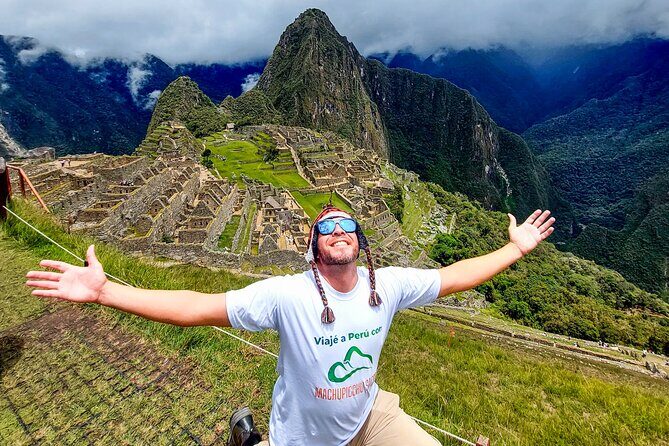
Machu Picchu is the headline, but the way this trip handles it is the key detail. You’ll take the bus up in the morning for a three-hour guided tour of the citadel, walking through temples, terraces, and the internal streets that make the site feel alive even after centuries.
A good guide changes everything here. They’ll help you connect what you’re seeing to how the place worked, instead of treating it like a photo checklist. It also helps with timing, since Machu Picchu visits can be chaotic when people arrive late or don’t know where to stand.
After the guided time, you head back down by train toward Cusco, and your team meets you for hotel transfer.
Consideration: the bus schedule means you’ll want an early start energy level. If you’re easily frustrated by crowds or waiting, come with patience and a plan to enjoy the slow moments too—Machu Picchu rewards quiet attention.




Aguas Calientes downtime: hot springs and small-town pacing
Back at the access town, you get a block of free time. This matters because Machu Picchu days can drain you. You can relax in the hot springs, check out the Site Museum, or visit the Machu Picchu Butterfly area (if it’s running during your dates). There’s also time to walk the streets or head toward Alcamayo Falls.
Why I think this stop is smart: it stops the trip from feeling like a nonstop conveyor belt. You’ve earned a breather, and Aguas Calientes gives you that short-term reset before Vinicunca and Lake Titicaca bring fresh altitude and long travel days.
Possible drawback: free time can be tempting for extra tours you haven’t budgeted. If you want value, stick to what’s included and keep your spending predictable.
Vinicunca Seven Colors Mountain: early start, guided hike, set meals
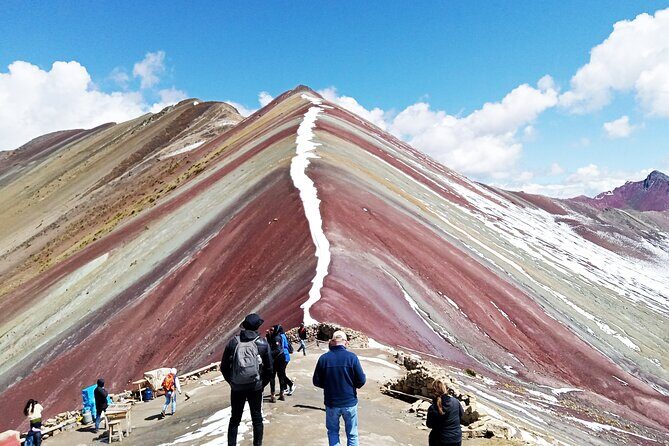
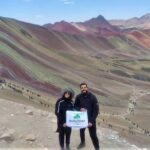
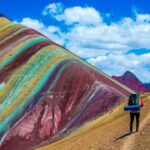
Vinicunca is another big “Peru bucket list” moment, and this tour keeps it structured. You start very early with a first stop in Cusipata for a buffet breakfast, then travel onward to reach the mountain. The hike is about 1.5 hours, with time at the top for photos and views.
Afterward, you return to Cusipata for buffet lunch, then head back toward Cusco, arriving around 17:30.
This day is a good match for you if you like a clear plan: early meal, guided hike segment, and recovery food already scheduled. It’s also efficient—you’re not stuck figuring out transport or timing on your own.
Consideration: the physical effort is real. Even though the hike time isn’t extremely long, altitude and steep paths can slow you down. The tour is listed for moderate physical fitness, so if you’re on the cautious side, pace yourself early rather than forcing speed.
Puno via Route of the Sun: Andahuaylillas and Raqchi focus
Day 7 is a long travel day, but it’s not wasted time. You head to Puno by tourist bus, stopping at major points along the way. You’ll visit Andahuaylillas, including the church often called the Sistine Chapel of America. Then you continue to Raqchi, an ancient Inca shrine honoring Wiracocha.
You enjoy a buffet lunch before continuing to Puno and transferring you to your hotel.
What I like about this day: it respects the reality that Cusco to Lake Titicaca is a big change in environment and altitude rhythm. Instead of a straight ride, you get Inca-era context and a strong cultural stop. It also gives you something to look forward to during bus time.
Possible drawback: it’s about 12 hours total. If you’re sensitive to long road days, bring ways to stay comfortable (water, layers, and a relaxed mindset).
Lake Titicaca by boat: Uros floating islands and Taquile culture
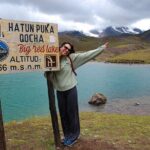
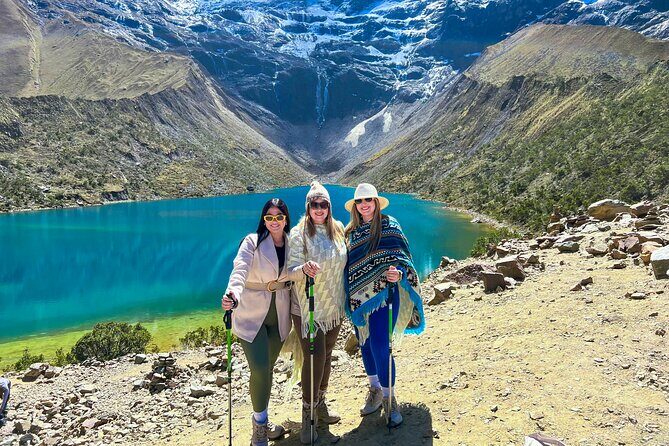
Lake Titicaca is where the trip slows slightly and turns scenic. You’ll explore the lake, which sits high (about 3,812 meters) and is the highest navigable lake in the world, with fresh water.
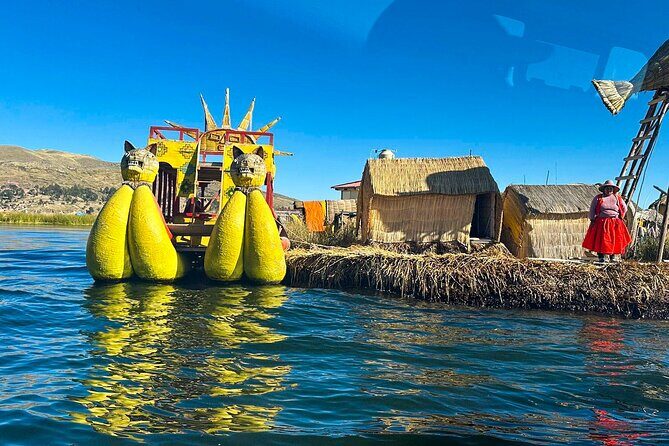
The main activities are two-part. First, you visit the Uros floating islands, where a community has preserved ancestral traditions. Then you head to Taquile Island, known for its culture and textile art recognized by UNESCO.
This is a good place to be respectful and curious. The Uros experience is direct contact with a living tradition, and Taquile adds the cultural angle—craft, identity, and daily rhythms. It’s also a nice contrast after the sharp architecture of Inca ruins.
Consideration: Lake days can involve boat time and changing weather. Keep expectations flexible and dress in layers if you can, but the tour description mainly emphasizes the activities rather than specific clothing guidance.
Back to Lima: Juliaca Airport handoff and the trip’s final pacing
On the last day, the route returns to the coast. You’re picked up from your Puno hotel and transferred to Juliaca Airport, about an hour away, then fly to Lima to end the adventure.
This final step is straightforward, and it’s one of those quiet details that keeps the end of the trip from feeling messy. When your itinerary is handled end-to-end like this, you spend less time worrying and more time enjoying the last moments in Peru.
Price and value: what $1,647 buys you in real terms
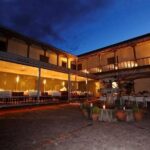
At $1,647 per person for about 9 days, the value comes from what’s bundled—not just where you go. Your package includes 3-star hotel stays (2 nights Lima, 4 nights Cusco, 1 night Machu Picchu access town, 2 nights Puno), plus private airport transfers, train and tourist bus for Machu Picchu, and boat tours for Ballestas Islands and Lake Titicaca.
You also get guided support on major days. The trip includes a private guided Machu Picchu experience, plus a tourist guide on the rest of the program, and entrance tickets for places visited. Meals are partially included too: 8 breakfasts and 4 lunches.
In plain terms, you’re paying to reduce decision fatigue. You don’t have to piece together train schedules, timed entrances, and daily transport on your own. That’s often worth real money when you want a smooth trip rather than a DIY puzzle.
One drawback to keep in mind: domestic flights aren’t included, and the program assumes your flights inside Peru are handled separately. Also, some days include “shared service,” so even though the tour is private to your group, certain activities may run like group tours in practice.
Who should book this, and who should be cautious?
This tour is a strong fit if you want classic Peru highlights without doing logistics math every day. It’s especially good for first-timers because you get Cusco acclimatization support, an organized path to Machu Picchu, and a guided introduction to Lake Titicaca culture.
I’d be more cautious if:
- you struggle with moderate physical fitness or altitude sensitivity
- you hate early mornings (Vinicunca is very early, and Machu Picchu mornings move fast)
- you prefer slow travel and lots of downtime without transfers
It’s also a decent choice for families and groups, based on how people describe communication and support, including help when schedules shift.
Should you book Machu Picchu Sacred’s Lima, Machu Picchu and Lake Titicaca tour?
If you want a trip that moves efficiently between Peru’s top regions—Lima, Cusco, Machu Picchu, and Lake Titicaca—this is a solid plan. The biggest reason to book is that the big moving parts are handled for you: transfers, train + bus routing, boat tours, and guided time at Machu Picchu.
My advice: if this is your first Peru trip, don’t overplan the “free time” days. Use the included downtime in Aguas Calientes and keep your energy for the early days. If altitude is your concern, take the first Cusco walking days calmly and listen to your body.
FAQ
How long is the tour?
It’s approximately 9 days.
Which cities and regions are included?
You’ll visit Lima, Cusco, the Sacred Valley area, the Machu Picchu access town of Aguas Calientes, Puno, and Lake Titicaca.
Are international flights included?
No. International flights are not included.
What hotels are included?
The tour includes 3-star hotels: 2 nights in Lima, 4 nights in Cusco, 1 night near Machu Picchu (Aguas Calientes), and 2 nights in Puno.
Are meals included?
Yes. Breakfast is included 8 times, and lunch is included 4 times. Other food isn’t listed as included.
How does the tour handle Machu Picchu?
You take the bus to Machu Picchu, enjoy a three-hour guided tour of the citadel, then return by train back toward Cusco with transfers to your hotel. The train and tourist bus are included.
What do you do on Lake Titicaca?
You visit the Uros floating islands and Taquile Island. Lake Titicaca includes a boat trip.
How active is the Vinicunca Seven Colors Mountain day?
The hike is about 1.5 hours, and the day includes an early start with buffet breakfast and lunch stops.
Is this tour private?
It’s described as private for your group only. Some activities may be shared service, but you won’t be joined into a random large group for everything.
Is the tour refundable or changeable after booking?
No. The experience is non-refundable and can’t be changed for any reason, and the paid amount isn’t refunded.