REVIEW · CUSCO
Explore 7 Lagoons of Auzangate from Cusco.
Book on Viator →Operated by Zarate Adventours · Bookable on Viator
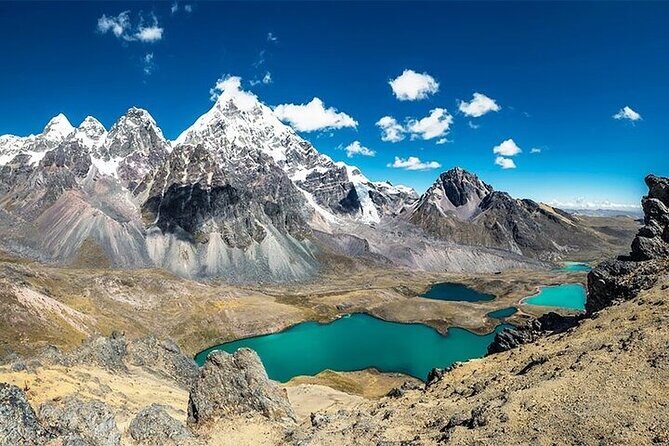
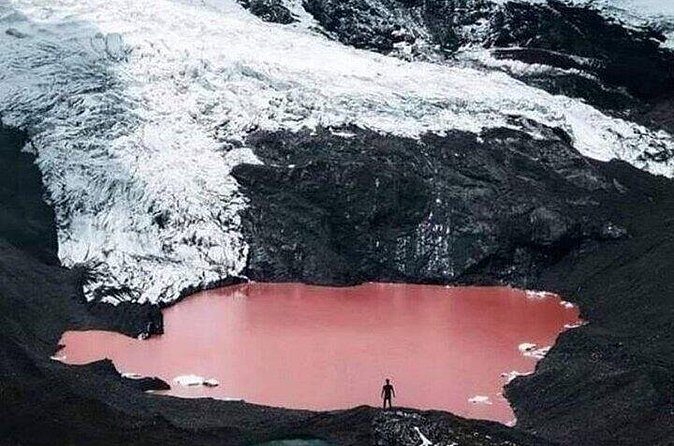
Wake up early, then watch the colors change. This is a long day trip that sends you from Cusco to the Auzangate lagoons before the light is even fully up, and then cools you off with a hot springs dip after the hike. You’ll walk between seven high-altitude lakes known for blue, turquoise, and green water, with some lagoons that can look like natural mirrors.
The big plus for me is how the day is built around real payoff: solid food early (breakfast) and again after (lunch), plus a short, clear hike plan. One possible drawback is the altitude and the start time—this isn’t a slow stroll, and you’ll be thinking about your breathing from the first steep moments.
In This Review
- Quick hits you can plan around
- Wake up for Auzangate: what this day trip really delivers
- Cusco to Pacchanta: the 3-hour ride that sets your energy
- The hike to the 7 lagoons: timing, altitude, and pacing
- What the trail is like in plain terms
- Lagoon-by-lagoon: the colors you’ll be chasing
- Wildlife sightings: it’s not just water
- After the trek: lunch in Pacchanta and 45 minutes in hot springs
- Price and value: is $30.40 a bargain or a trap?
- Who should go, and how to prepare for real altitude effort
- Good fit if you:
- Proceed with care if you:
- What to pack (practical, not fancy)
- Should you book the 7 Lagoons of Auzangate from Cusco?
- FAQ
- What time do you get picked up in Cusco?
- How long is the tour, and when do I get back to Cusco?
- How long is the hike?
- Which lagoons are included on the route?
- What’s included in the price?
- What isn’t included?
- How does the tour handle altitude-related safety?
- Is there a limit on group size, and is it offered in English?
Quick hits you can plan around
- 4:30 a.m. start from the historic center so you’re at Pacchanta while it’s still cool and quiet
- 7 lagoons in one hike with a mix of colors and mirror-like water you can compare side by side
- Fuel included twice with breakfast and lunch, plus 45 minutes in hot springs after you return
- Altitude support is part of the package with oxygen and a first aid box on hand
- Small group (max 15) keeps the pace manageable and the guide easier to hear
- Entrance PEN 20.00 per person isn’t included, so budget that extra day cost
Wake up for Auzangate: what this day trip really delivers
This tour is designed for one thing: getting you high enough to see the Auzangate lagoons clearly, without wasting your whole day on planning. The schedule is tight, but it’s straightforward. You leave Cusco very early, ride out to Pacchanta, hike for about four hours round trip visiting multiple lagoons, then come back for lunch and hot springs.
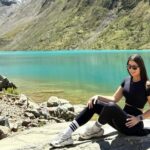
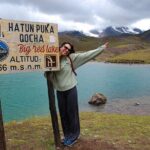
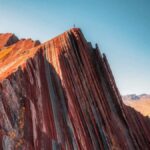
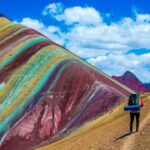
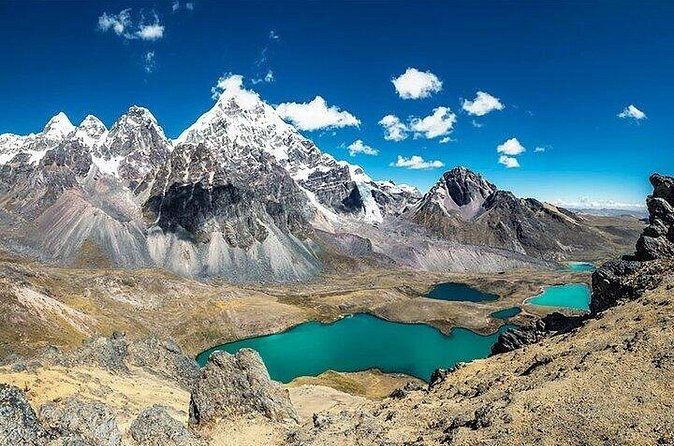
What makes it feel special is the way the lagoons “change your eyes” as you move. Even if you’ve seen mountain lakes before, you’ll likely notice the shifts between blue, turquoise, and green water. Some basins sit still enough to act like mirrors, so reflections can be part of what you’re photographing, not just the actual shoreline.
I also like that the tour is honest about effort. It’s listed for travelers with at least moderate physical fitness, and the timing matches that. You can’t fake altitude or skip pacing on this one.
You can also read our reviews of more tours and experiences in Cusco.
Cusco to Pacchanta: the 3-hour ride that sets your energy
Pick-up runs early—between 4:30 a.m. and 5:00 a.m.—from hotels in Cusco’s historic center. The guide contacts you about 10 minutes before arrival, which helps you avoid that last-minute “are they here yet?” scramble.
Once you’re loaded into the vehicle, you’ve got roughly three hours of travel to Pacchanta. This matters more than it sounds. Those first hours buy you altitude time and hiking time later, and they also give you a window to eat breakfast before the climb starts.
The vehicle is air-conditioned, which is a small comfort that helps when you’re heading out in cooler morning temps. You’ll arrive ready to work, not still half-zombied from Cusco sleep.
One more practical detail: English is offered, and the group is capped at 15 travelers. On a day that long, that cap can make a difference in how quickly the guide can check on everyone and keep the pace even.
The hike to the 7 lagoons: timing, altitude, and pacing
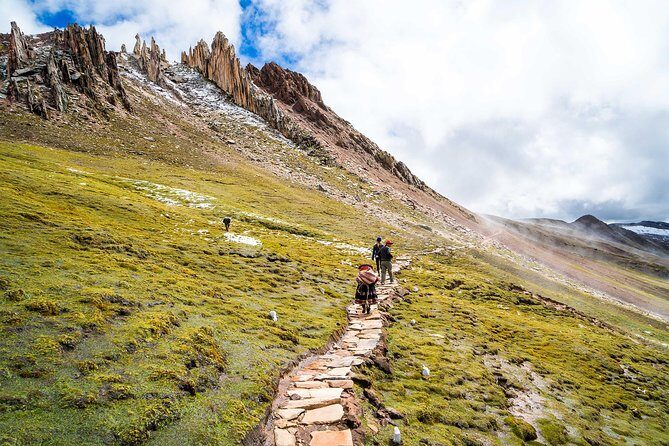
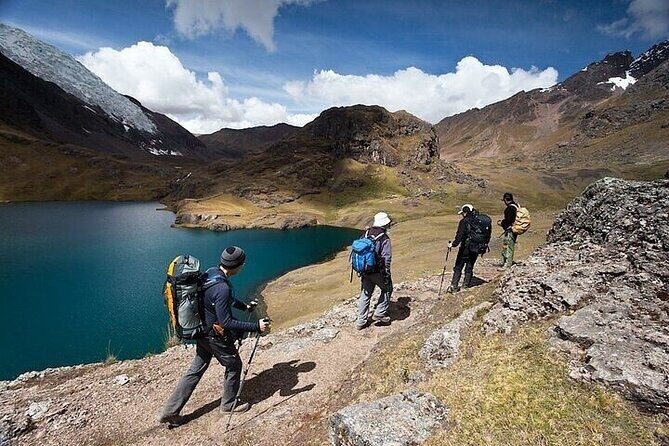
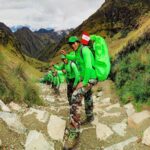
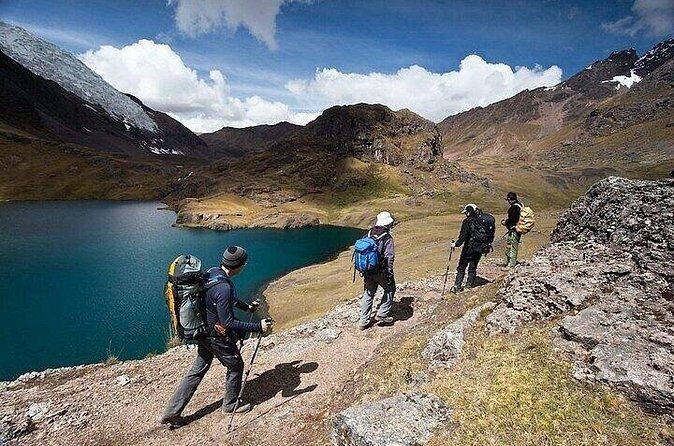
The hike portion is about four hours round trip, after breakfast in Pacchanta. The climb is described as ascending little by little, which is exactly what you want at this elevation. It’s not a flat walk, but it’s also not a constant wall of steepness the whole time.
Still, altitude is real. In one of the accounts I read, people noticed the effects more on the descent than the ascent. Nothing was described as debilitating, but the message was clear: take it slow, use steady breathing, and don’t treat this like a casual neighborhood hike.
A safety briefing happens before the trek. One guide name that came up is Alex, described as informative and focused on keeping everyone motivated and safe. Even if your guide isn’t Alex, the key idea holds: you should expect guidance on how to move, when to pause, and how to handle breathlessness.
Also keep in mind the optional help you might find along the trail. One account mentioned that horseback riding may be available through portions of the route. That can be useful if legs are tired early, but it’s still worth going prepared to hike most of it.
What the trail is like in plain terms
- You start with breakfast and then begin climbing gradually
- You reach lagoon stops as you gain elevation
- You spend time seeing color shifts, reflections, and the high-mountain wildlife around you
- You hike back down on the return window, often when altitude feels stronger
If you like clear cause-and-effect hiking—walk, stop, look, repeat—this fits.
Lagoon-by-lagoon: the colors you’ll be chasing
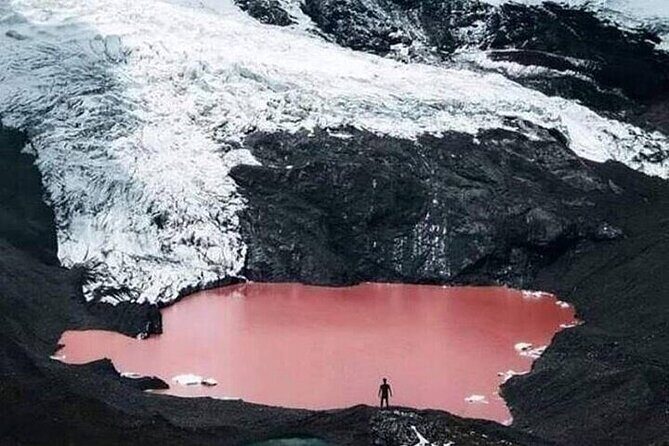
You’ll visit seven lagoons on this route, listed as:
- Azulcocha
- Otorongo
- Pucacocha
- Alqacocha
- Q’omercocha
- Orqo Otorongo
- China Otorongo
The tour’s whole hook is the water colors. Expect blue, turquoise, and green tones that don’t look identical from one stop to the next. Part of that is lighting at different angles in the morning. Part of it is the mineral mix and how the wind hits each basin. And part of it is simple human perception: once you’re high up, your brain treats every hue as a new surprise.
Some lagoons look large and can resemble natural mirrors, especially when the surface is calm. That’s where you’ll get the best “reflection moments” for photos, but it’s also where you’ll want to slow down and just watch.


Wildlife sightings: it’s not just water
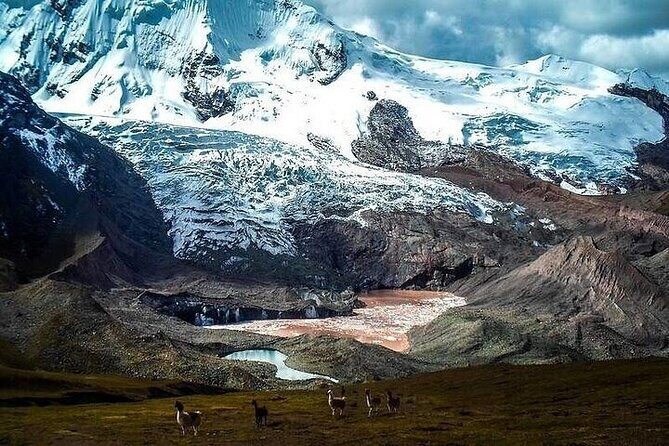
This isn’t a sterile “look at the lake and move on” hike. Along the way, you may spot Andean birds, alpacas, llamas, and vizcachas. Those sightings are small, quick, and often on the edges of your focus, so I recommend keeping one eye up for movement and one eye down for footing. The guide can help you notice what you might otherwise miss.
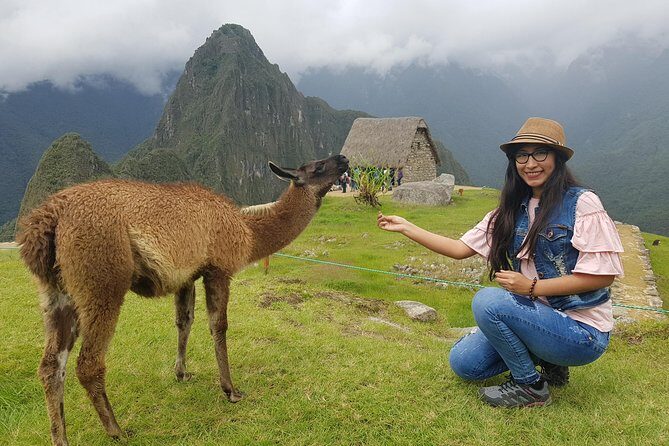
Seeing alpacas and llamas at this altitude hits different than seeing them near Cusco town streets. You’re in their world up here—high, cold, and quietly moving.
After the trek: lunch in Pacchanta and 45 minutes in hot springs
When you return to Pacchanta, the day turns from “work mode” to “recover mode.” Lunch is served there, and it’s a proper meal rather than a sad snack. One account specifically praised how the food was cooked and how the trout option was flavorful—described as harvested from mountain rivers right from the area.
That lunch break is your reset button. If you’ve been low on calories from altitude and early hours, this is where your body catches up.
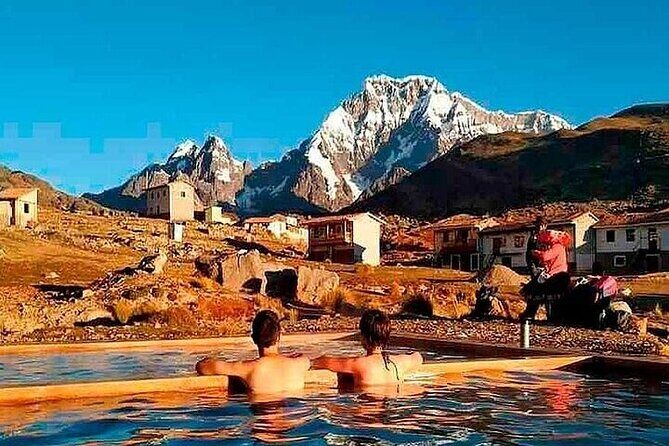
After lunch, you get about 45 minutes in hot springs. This is short enough that you still feel “on schedule,” but long enough to notice the difference in tired legs. Don’t plan on a full spa day here; think of it as a recovery soak you fit into an active day.
There’s also time for the local market atmosphere after you’ve eaten and cooled off. One traveler mentioned browsing local market stands, which is a nice add-on because it gives you something to do without turning the day into a shopping mission.
Finally, you ride back toward Cusco and typically arrive around 7:00 p.m. That’s late enough to feel like a real day trip, but it’s not the kind of 10 p.m. arrival that ruins dinner plans.
Price and value: is $30.40 a bargain or a trap?
Let’s talk value honestly. The listed price is $30.40 per person, and that sounds extremely low for a full day in the mountains—especially when you factor in meals and transport.
Here’s what you’re getting at that price:
- Breakfast and lunch
- Air-conditioned vehicle
- Hotel pickup in the historic center
- Professional guide
- First aid box and oxygen
- Mobile ticket
- Group size capped at 15 travelers
- English offered
What you should plan for as the possible extra cost:
- Entrance PEN 20.00 per person (not included)
- Extra personal spending
So no, it doesn’t feel like a bare-bones tour. It’s more like a “you pay for the structure and the essentials” type of day trip, not a luxury experience.
One more value signal: it’s often booked about 26 days in advance on average. That doesn’t guarantee quality, but it suggests the timing works for many people and the departure is popular enough that you shouldn’t leave it to the last minute.
Who should go, and how to prepare for real altitude effort
This is not a tough climb, but it is high. The tour is described as requiring moderate physical fitness, and the early start can be the hardest part if you’re visiting Cusco for the first time.
Good fit if you:
- Want a high-altitude hike with clear timing and a defined route
- Like guided stops where you’re meant to compare views at different lagoons
- Want included meals instead of scrambling for food in the countryside
- Prefer small group travel (max 15)
Proceed with care if you:
- Know you get altitude headaches easily
- Hate early wake-ups (4:30–5:00 a.m. is non-negotiable)
- Prefer low-effort hikes only
Also, hot springs plus lunch make a difference if you’re nervous about “will I be okay?” The tour includes oxygen and a first aid box, which matters when you’re at elevation and you’re moving for hours.
What to pack (practical, not fancy)
Even without a long list from the tour, you’ll want the basics for cold mornings and a windy high trail:
- Layers for warmth early, then easy removal as you climb
- Good footwear you trust on uneven ground
- A water bottle (and a small snack just in case you get hungry between stops)
- Sunscreen and sunglasses, because high altitude sun is strong
- A light rain layer if the weather turns
If you take the hike at a steady pace and use the breaks you’re given, you’ll get more out of it.
Should you book the 7 Lagoons of Auzangate from Cusco?
Book it if you want a full-value day trip that mixes seven lagoon viewing stops, an organized hike window, included meals, and a recovery finish with hot springs. The early start is the price you pay for those quiet morning lagoon views and the chance to see the colors when conditions are best.
I’d skip it (or choose a gentler alternative) if your main goal is a relaxed, no-pressure afternoon. This tour is structured and physical, and altitude is part of the experience whether you’re ready for it or not.
If you do book, plan for one thing: arrive rested enough to handle a 4:30 a.m. pickup. Then let the day move at the pace your guide sets. This trip rewards people who hike calmly, look long, and don’t rush the colors.
FAQ
What time do you get picked up in Cusco?
Pickup starts between 4:30 a.m. and 5:00 a.m. Your guide will contact you about 10 minutes before arriving at your hotel in the historic center.
How long is the tour, and when do I get back to Cusco?
The full day is about 12 hours. You typically arrive back in Cusco at around 7:00 p.m.
How long is the hike?
The hike is about 4 hours round trip.
Which lagoons are included on the route?
You’ll visit Azulcocha, Otorongo, Pucacocha, Alqacocha, Q’omercocha, Orqo Otorongo, and China Otorongo.
What’s included in the price?
Included are breakfast and lunch, an air-conditioned vehicle, hotel pickup (historic center), a professional guide, a first aid box, and oxygen.
What isn’t included?
Extra expenses are not included, and there is an entrance fee of PEN 20.00 per person.
How does the tour handle altitude-related safety?
The tour includes a first aid box and oxygen for support during the day.
Is there a limit on group size, and is it offered in English?
Yes. The maximum group size is 15 travelers, and the tour is offered in English.