REVIEW · CUSCO
Cusco City Tour And Ruins Around (group Tour – Economical Option)
Book on Viator →Operated by LIBERTREK PERU TRAVEL · Bookable on Viator
Inca stonework starts right from Cusco’s main square. This affordable 5 to 6 hour circuit feels like a smart orientation to the city’s big themes, with included entrance tickets and English-speaking guidance. The trade-off is simple: there’s no lunch, so you’ll want to plan your meal timing around the mid- to afternoon start.
The stops are spaced for “see it, understand it, move on,” not for lingering all day. I like that the group is kept small (up to 10), and the transport is set up so you’re not constantly figuring out rides. In one guest account, Paola stood out for being kind and clear, and Juan Carlos Lima also got a nod for attentive service.
One more thing to watch: the day’s start time can look different depending on the confirmation you receive. Some schedules mention pickup around 13:15, while the start time shown is 10:00, so double-check the exact pickup window so you’re not sitting around at altitude. If you’re flexible, it’s a smooth way to get your bearings fast.
In This Review
- Key highlights that make this tour worth your time
- Why this Cusco city-and-ruins tour is a smart first move
- Price and value: what $70 buys you in Cusco
- Pickup, group size, and language (the logistics that make or break ruins days)
- Stop 1: Cusco Cathedral in the main square
- Stop 2: Qorikancha (Coricancha) and the Golden Temple connection
- Stop 3: Sacsayhuamán and the megaliths you can’t ignore
- Stop 4: Q’enqo, Puka Pukara, and the religious logic of the route
- Q’enqo (Kenko): zigzags, mummification beliefs, and a puma-shaped monolith
- Puka Pukara: red fortress, protection role, and tambo-style functions
- Stop 5: Tambomachay (Inca Baths) and the worship of water
- How to get more from short stops (without rushing yourself)
- Guides and service quality: what has worked well on the ground
- Who this tour suits best (and who may want a different plan)
- Should you book Cusco City Tour And Ruins Around for the economical option?
- FAQ
- How long is the Cusco City Tour And Ruins Around?
- Does this tour include hotel pickup?
- Are entrance tickets included?
- Is lunch included?
- What language is the tour guide?
- Can I get a refund if I cancel?
Key highlights that make this tour worth your time
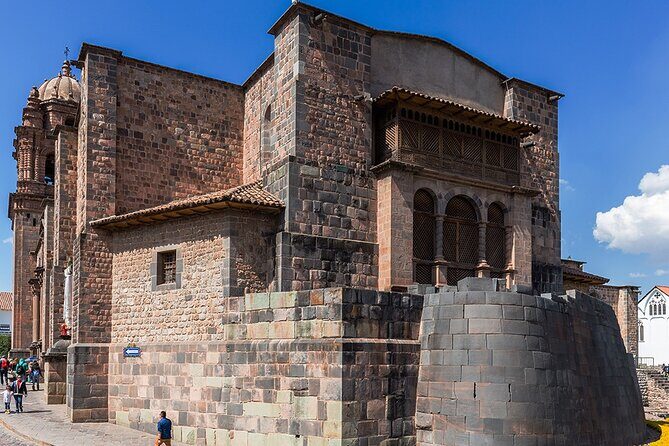
- Tickets included for Cusco Cathedral and Coricancha, plus partial entry for the surrounding ruins
- Small group size (maximum 10) for easier pacing and questions
- Full Inca-to-colonial mix, from Coricancha’s Inca temple roots to the Santo Domingo convent built on top
- Big-view stop at Sacsayhuamán, with a clear Cusco panorama from the hillside fortress
- Short, focused ruins visits that help you compare sites without burning the whole day
- Service that stays on time, with guide support and helpful coordination noted by previous guests
Why this Cusco city-and-ruins tour is a smart first move
Cusco can hit you all at once: Andean streets, altitude, and a stack of ruins that all look impressive from the road. This tour helps you sort it out. You get a quick sweep through the religious center of the city and a ring of major nearby sites, so the next day’s exploring feels less random.
I also like that the focus is practical understanding. You’ll hear why each place mattered, not just what to photograph. That matters in Cusco because the details—who built what, and what changed later—are part of the point.
You can also read our reviews of more city tours in Cusco
Price and value: what $70 buys you in Cusco
At $70 per person, the headline value is that the tour isn’t only “a guide and a bus.” You’re also covering key entrances: Cusco Cathedral & Coricancha are included outright, and you get partial tickets for Sacsayhuamán, Q’enqo, Puka Pukara, and Tambomachay.
That can be a big deal in Peru, where admission adds up fast if you’re paying separately at every stop. This package approach is also easier on your planning—fewer payment stops, fewer decisions, less time wasted. If you’re trying to balance cost with not missing the big names, this fits the bill.
Pickup, group size, and language (the logistics that make or break ruins days)
The tour offers pickup, and it runs as a group experience in English (with Spanish also used in the guide team). That’s useful if you want explanations in a language you can follow, but still feel comfortable asking questions.
Transport is included, and the tour runs roughly 5 to 6 hours with a return to Cusco around 18:30 to 19:00. The route is designed so you’re not spending the day stuck in transit. Plus, with a maximum group size of 10 travelers, you’re more likely to have a guide who can keep track of the whole pace instead of racing everyone through.
Just keep an eye on timing. The day’s schedule mentions a pickup around 13:15, while the start time shows 10:00. Your confirmation should clarify what applies to you, but it’s worth verifying once you book.
Stop 1: Cusco Cathedral in the main square
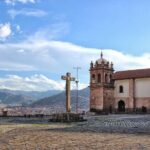
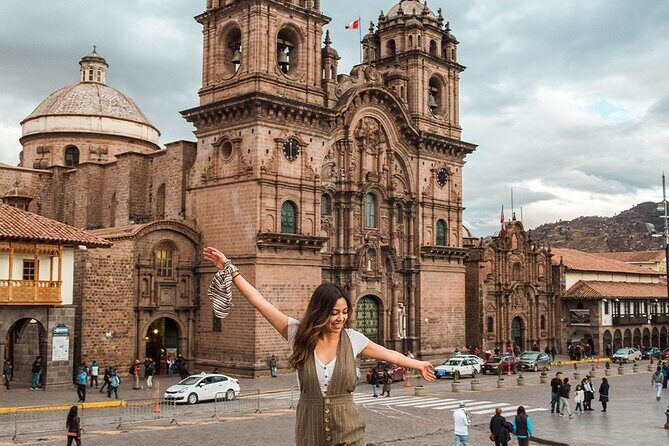
You start with Cusco Cathedral, right where the city’s story is easiest to grasp: the main square. The cathedral is known for its paintings, and that makes it more than a quick façade photo stop. You’re visiting a place where colonial-era art and Cusco’s identity overlap.
This first stop is about getting your bearings. Cathedral visits can feel “same-y” in other cities, but in Cusco the setting matters. You’re anchoring the day in the city center, then moving outward to see the older layers.
Duration here is listed at about 40 minutes, and for a cathedral that’s a good amount of time. Long enough to look closely, short enough to keep the day from slipping too slow.
Stop 2: Qorikancha (Coricancha) and the Golden Temple connection
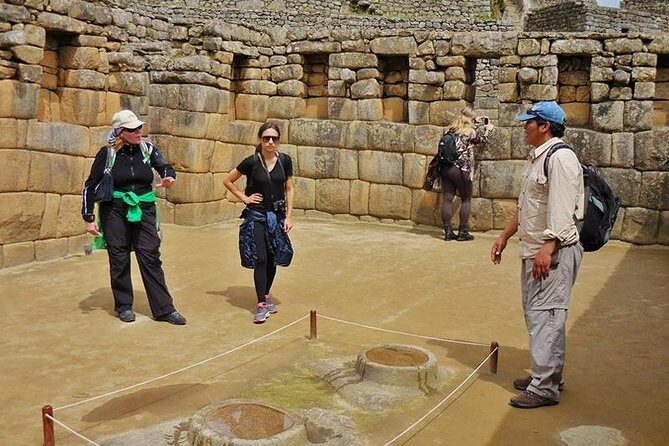
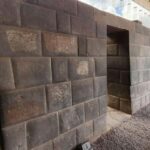
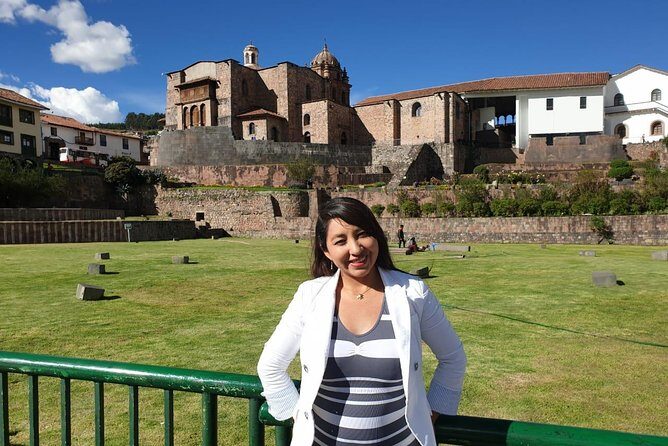
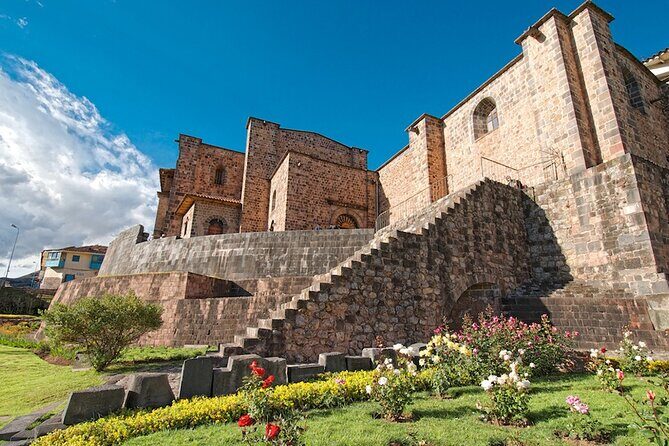
Next up is Qorikancha, also called the Temple of the Sun God or the Golden Temple. This site is important because it was the most important Inca temple, and it gives you the clearest contrast on the tour: Inca sacred architecture first, then a colonial convent built on top.
You’ll also visit the Convent of Santo Domingo, which helps explain what happened after the Spanish arrived. Seeing the Inca temple concept and then the colonial layer is a shortcut to understanding Cusco’s “stacked” past.
This stop is paired with a visit to nearby ruins close to Cusco, and the time stays around 40 minutes. If you love details, you’ll want to listen closely to the guide’s story here. Coricancha is the kind of place where a few good explanations change how the stones and structures make sense.






Stop 3: Sacsayhuamán and the megaliths you can’t ignore
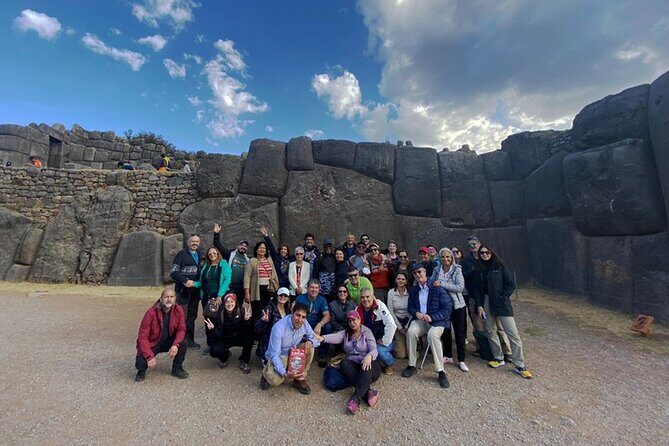
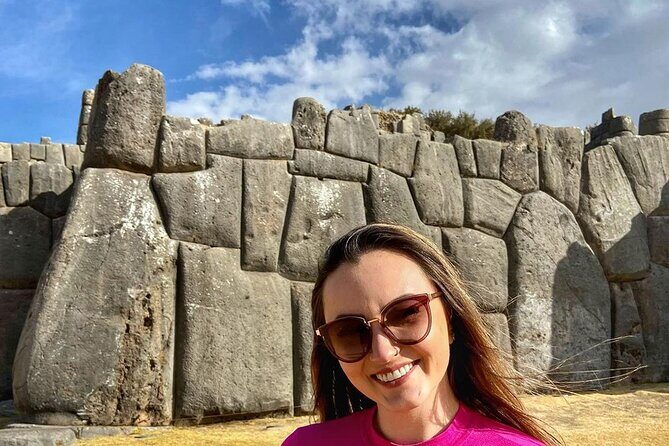
Sacsayhuamán is built on a mountain above Cusco, which means you get a view that frames the city. But the real wow factor is the stonework: enormous carved blocks, with some stones described as around 9 meters (30 feet) and weighing over 350 tons.
This is one of those stops where the scale does the storytelling. You might not catch every technical detail, but you’ll understand why this site feels powerful. You’re looking at a fortress-like complex and seeing how strategy and craftsmanship fit together.
The tour notes it’s also associated with the Inti Raymi festival (Festival of the Sun). Even if you’re not there during the celebration, hearing that connection helps you visualize the site as more than ruins on a hill.
Time is about 30 minutes here. Short, yes, but enough to take in the scale and the panorama without rushing so hard you miss the point.
Stop 4: Q’enqo, Puka Pukara, and the religious logic of the route
From Sacsayhuamán, you move into smaller-but-meaningful ruins: Q’enqo (Kenko) and Puka Pukara (the red fortress), then toward Tambomachay.
Q’enqo (Kenko): zigzags, mummification beliefs, and a puma-shaped monolith
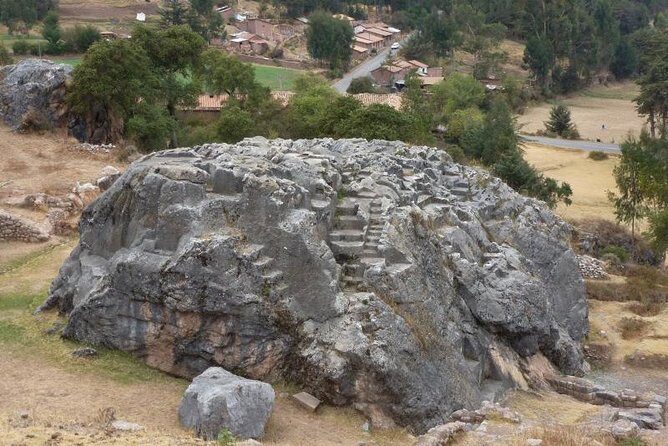
Q’enqo means labyrinth or zigzag, and the site has a religious function. It’s also linked to the belief that the Incas mummified their dead there. That turns the place from “interesting stones” into a setting tied to Inca ritual.
The amphitheater shape is described as semicircular, with trapezoidal niches and a monolith that simulates a puma shape, about six meters. If you like symbolic architecture, this is a standout stop. It’s also the kind of place where your experience depends on how well you follow the guide’s explanation.
This segment flows with additional ruins nearby, so expect short viewing time rather than a slow museum pace. It’s still enough if you keep your questions ready.
Puka Pukara: red fortress, protection role, and tambo-style functions
Then comes Puka Pukara, literally described as the red fortress. The name makes sense because calcareous stones take on a reddish color from the ground. That’s a neat reminder that nature also plays a role in how you read these sites.
This area is described as protecting Tambomachay, and it also has “tambo” connections—think collective lodge functions for an entourage that accompanied Inka leadership. The tour description points to architectural layout, sources, aqueducts, and multiple enclosures, which makes it feel practical, not just ceremonial.
If you want the day to feel less like checkboxes, Q’enqo and Puka Pukara help connect the dots between worship and daily structure.
Stop 5: Tambomachay (Inca Baths) and the worship of water
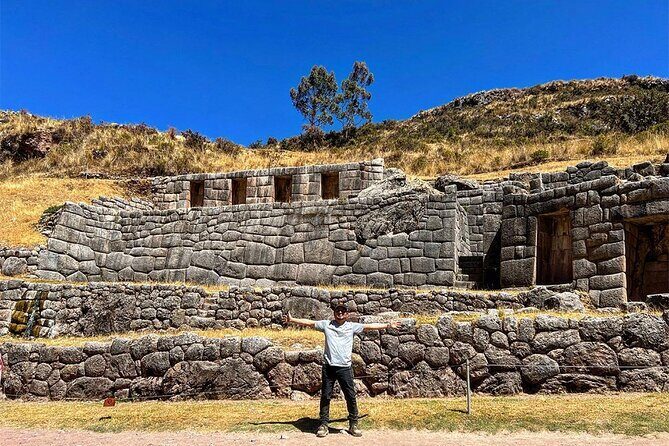
Tambomachay is about 8 kilometers north of Cusco, and it’s close to Puka Pukara. This stop is centered on water, and the tour frames it as a place dedicated to worship of water and rest for Inca leadership.
You’ll hear it called the Inca Baths, and the site is described as a series of aqueducts, canals, and waterfalls running through the rocks. Even on a short visit, that water focus changes the mood of the day. It’s less “fortress on the hill” and more “engineered ritual landscape.”
Time here is around 40 minutes, which feels right for a site where you’ll probably want to look at how water channels behave. Then you’ll take the bus back to Cusco, with return timing typically 18:30 to 19:00.
How to get more from short stops (without rushing yourself)
These stops are packed but not exhausting. Each major site is timed around 30 to 40 minutes, which is great if you want coverage and context without spending your whole vacation glued to a single viewpoint.
Here’s how to make it work:
- Listen for the “why it mattered” piece early, then look for it in the architecture.
- Take fewer photos but better ones, especially at Coricancha and Sacsayhuamán where the story changes what you notice.
- If you’re sensitive to altitude or getting tired, keep your pacing calm and focus on the big visual cues the guide points out.
Also, remember the tour has no lunch. That’s not a dealbreaker, but it does mean you’ll want food handled before you’re picked up and snacks planned for the time gap. Staying hydrated is a smart move in Cusco, even if the day is mostly guided.
Guides and service quality: what has worked well on the ground
Service quality shows up in the details: punctuality, explanation quality, and whether staff can help when plans go sideways. One guest praised Paola for being kind and for conveying knowledge in a way that actually made sense. Another highlighted attentive care from Juan Carlos Lima and a comfortable vehicle.
There’s also an example of real support behind the scenes. Katheryn Vargas was mentioned for helping resolve an inconvenience with another provider so the excursion could happen as planned. That kind of backup doesn’t change the ruins, but it does change how stressful your trip feels.
And Christian Perez was also named in connection with helping with a day trip around Cusco. That suggests the team doesn’t only run tours; they try to help you piece together the best use of your time.
Who this tour suits best (and who may want a different plan)
This tour is ideal if you:
- Want a first taste of Cusco and the surrounding Inca sites
- Prefer a small-group experience rather than a huge bus-and-rush crowd
- Like your ruins explained with context, not just signage
It may not fit if you:
- Want a slow, deep visit at one site (this plan moves through many stops)
- Need lunch included or prefer to minimize meal planning
- Are hoping for a flexible day of stops on the fly (the schedule is structured)
Should you book Cusco City Tour And Ruins Around for the economical option?
I’d book it if your goal is straightforward: get strong orientation to Cusco and hit the headline ruins without having to design the day yourself. The value comes from bundling transport, professional guidance, and multiple admissions—especially when you’re trying to keep costs under control.
Before you go, do two quick checks:
- Confirm the exact pickup time from your confirmation (the day’s schedule references 10:00 and pickup around 13:15).
- Plan your meal timing since lunch isn’t included.
If you get those lined up, this is a solid, no-drama way to spend one organized afternoon learning how Cusco’s layers connect.
FAQ
How long is the Cusco City Tour And Ruins Around?
It runs about 5 to 6 hours.
Does this tour include hotel pickup?
Yes. Pickup is offered, and you need to send the hotel or address details where they should pick you up.
Are entrance tickets included?
Yes for Cusco Cathedral and Koricancha, and there is also a partial ticket included for Sacsayhuaman, Q’enqo, Puka Pukara, and Tambomachay.
Is lunch included?
No. Lunch is not included, and you’ll also want to budget for tips, snacks, and drinks.
What language is the tour guide?
The tour is offered with an English-speaking guide (and it notes English–Spanish group format).
Can I get a refund if I cancel?
No. The experience is non-refundable and can’t be changed for any reason.