REVIEW · CUSCO
Cusco: ATV Tour at Maras & Moray – Off Road Trip
Book on Viator →Operated by IZI PERU · Bookable on Viator
First lesson: high altitude plus adrenaline. This Cusco ATV tour sends you from Plaza de Armas out to the Moray terraces and Maras salt mines, with a guided practice before you hit the dirt. I love that you start with real instruction and a clear safety commitment, and I also love the mix of ancient Inca agriculture at Moray and the salt-mining landscape at Sala de Maras. One thing to consider: the salt mines involve an abyss-risk area, so you won’t drive all the way on the quads and there are extra paid entries you should plan for.
The day runs about 6 hours total, with a chunk of it spent actually riding. You’ll be in a small group (up to 15), you’ll get a helmet and gloves, and you’ll end back near the main square in Cusco. If you’re comfortable following instructions and you like motion, dust, wind, and views, this is a fun, high-value way to see these sites beyond the bus-and-wait style.
In This Review
- Key things you should know before you go
- From Plaza de Armas to Cruzpata: how the day really starts
- The 15-minute practice and the Honda TRX 250: what you’re signing up for
- Moray: the Inca crop experiment you ride toward first
- Sala de Maras salt mines: where the quads stop and the system takes over
- Timing and flow: the ride length that matters
- Price and value: what $55 covers, and what you still pay for
- Who should book this ATV trip (and who should skip)
- Realistic expectations from the reviews: safety and one logistics snag
- Should you book the Cusco ATV Tour to Maras & Moray?
- FAQ
- Where does the ATV tour start in Cusco?
- How long is the tour?
- What ATVs are included?
- Is helmet and gloves provided?
- Is food included?
- What extra tickets do I need to budget for?
- Do I get any practice before riding?
- How big is the group?
- Can I cancel and get a full refund?
Key things you should know before you go
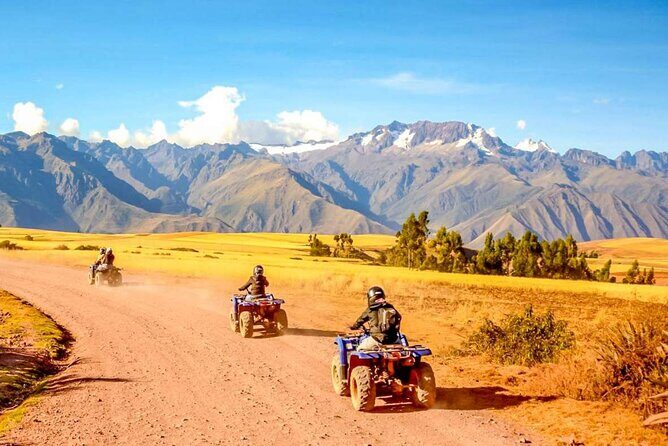
- Safety practice first: You get about 15 minutes of guided practice before heading to Moray.
- Semi-automatic ATVs: You’ll ride Honda TRX 250 (semi-automatic), plus helmet and gloves included.
- Moray’s circular stone rings: You’ll see the four concentric circles used for Inca crop experimentation.
- Quads don’t go everywhere at Maras: You drive partway, then switch to transport because a dangerous drop-off makes some sections off-limits.
- Budget extra tickets: The ATV price covers the ride and guide, but you still need a tourist ticket and the Salinas entrance.
- Ends back in Cusco: After the off-road portion, you return by vehicle and get dropped near the main square.
From Plaza de Armas to Cruzpata: how the day really starts
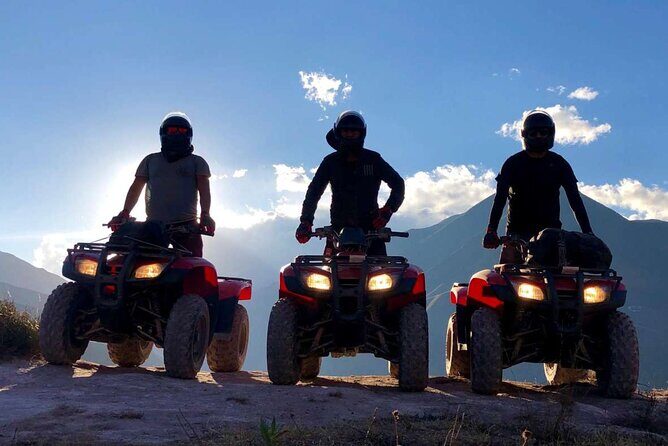
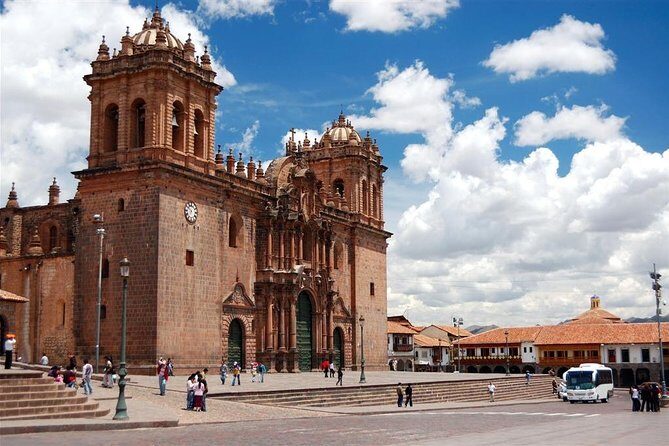
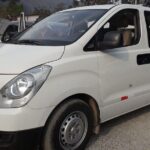
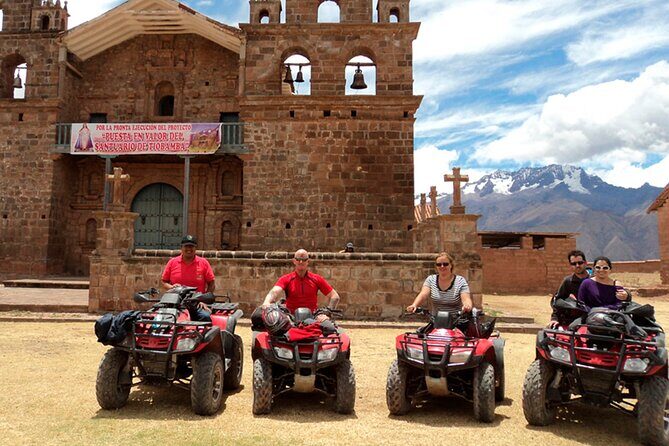
You begin in Cusco at Plaza de Armas. Then it’s about a 50-minute minivan ride out to the base in Cruzpata, near Chinchero. For me, that transit matters because it sets the tone: you arrive at a working ATV base, not some random parking lot. You’re not thrown straight onto the machine; you’re guided into the day.
At the base, you start with a short guided practice. That early step is a big deal in Cusco, because altitude + uneven ground + unfamiliar controls can get weird fast. The tour builds in that buffer so you can get your bearings before you start moving toward the first main stop.
You also learn the rules before you ride. There’s a commitment to not drive recklessly and to take care of the equipment and your own life. It sounds basic, but for an ATV day, clear boundaries are the difference between a fun scramble and an unsafe one.
You can also read our reviews of more tours and experiences in Cusco
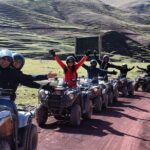
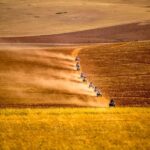
The 15-minute practice and the Honda TRX 250: what you’re signing up for
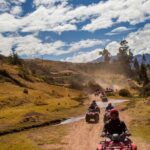
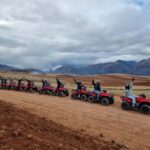
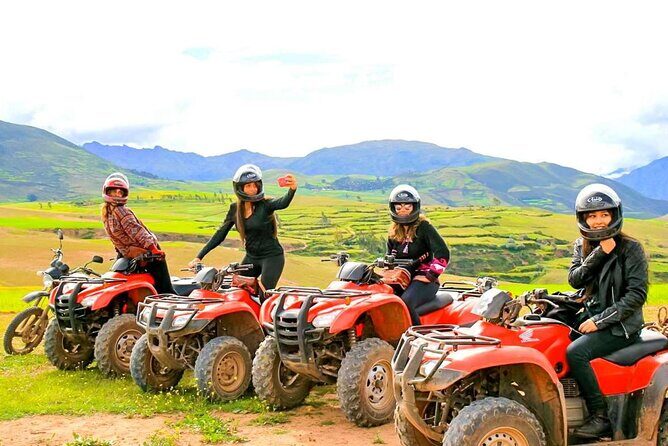
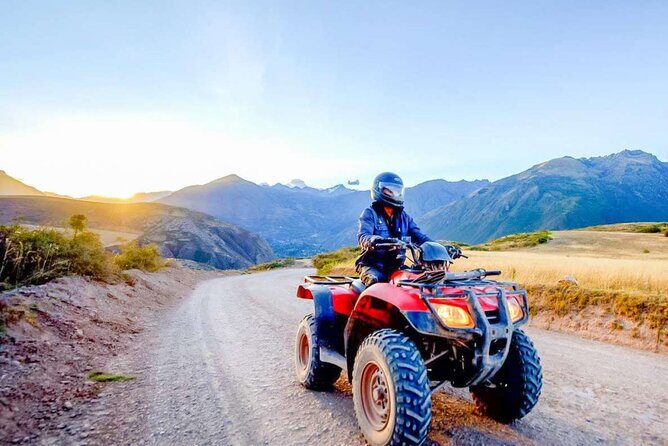
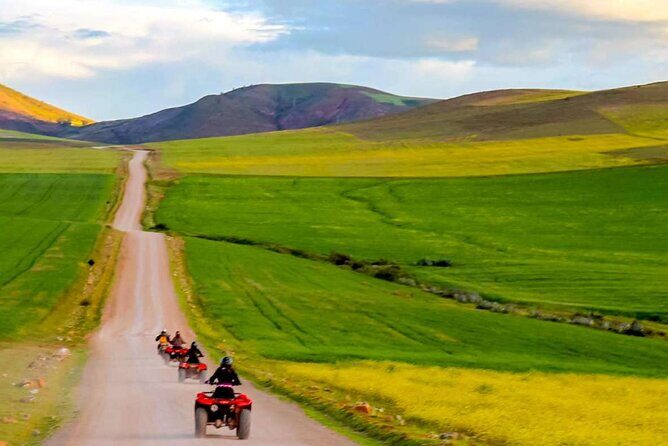
This is not a sit-down sightseeing tour. It’s an off-road ride, using Honda TRX 250 ATVs that are semi-automatic. Semi-automatic helps a lot if you’re not used to manual gears, but you still need to focus on throttle control and balance.
Here’s what you can expect right after the practice:
- equipment fitted and explained (helmet and gloves are included)
- a quick understanding of how the group moves
- reminders to avoid reckless driving
In the reviews, people specifically called out how guides set things up safely and handed over the gear so the ride didn’t feel like a free-for-all. One review also mentioned a very patient approach, including helping someone in the group stay steady when they had a bumpy moment. That’s the kind of vibe that makes you relax faster and enjoy the day instead of worrying the whole time.
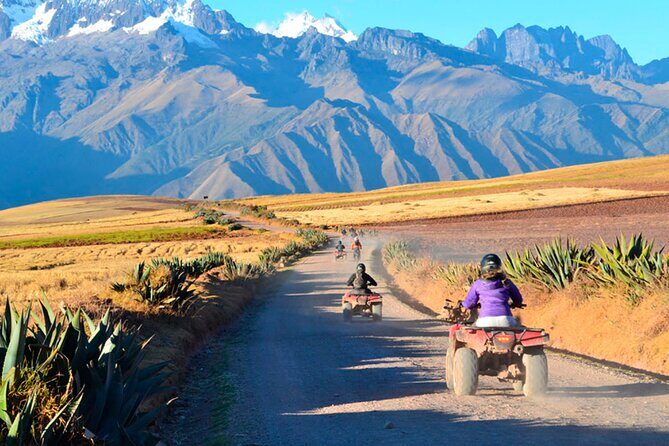
Also, plan for the sensory reality of quad touring in this area: dust, wind, and adrenaline come with the ride. That’s not a downside. It’s the point. Just don’t show up expecting a clean, tidy afternoon.
Moray: the Inca crop experiment you ride toward first
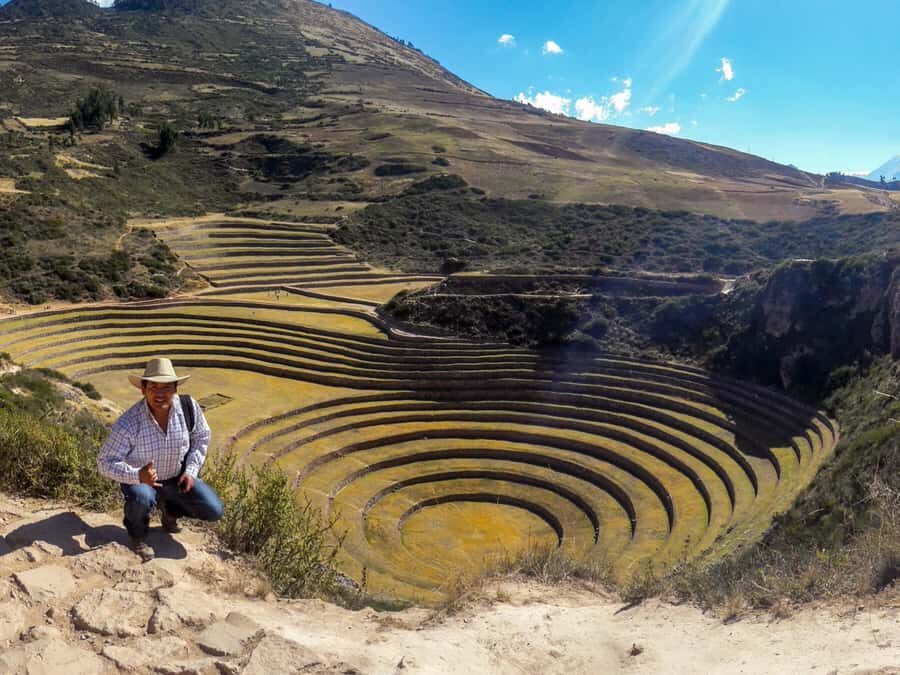
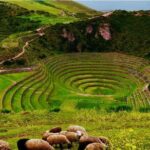
Moray is where the day shifts from pure adventure into actual discovery. You head from the base toward Moray, a site tied to Inca experimentation. In plain terms: this was an agricultural research area, used to acclimatize products brought from other regions.
What you’re looking at is striking. Moray features four concentric circular stone constructions. They form ring-like structures that widen as they ascend. Even if you’ve seen photos, it’s different in person because your brain reads it as both architecture and farming logic at the same time.
Why this stop works well on an ATV itinerary:
- You get to combine motion with meaning. You’re not only riding; you’re arriving somewhere the Incas designed for very practical agricultural purposes.
- The circular terracing gives you natural layers to notice while you’re there. It’s easier to understand the space because the geometry does the teaching.
Possible drawback: Moray is a structured site, so your time there may feel more “photo-and-look” than “ride-for-hours.” That’s normal. The ATV part is the longer event, and Moray is the moment where the tour pays off historically.
Sala de Maras salt mines: where the quads stop and the system takes over
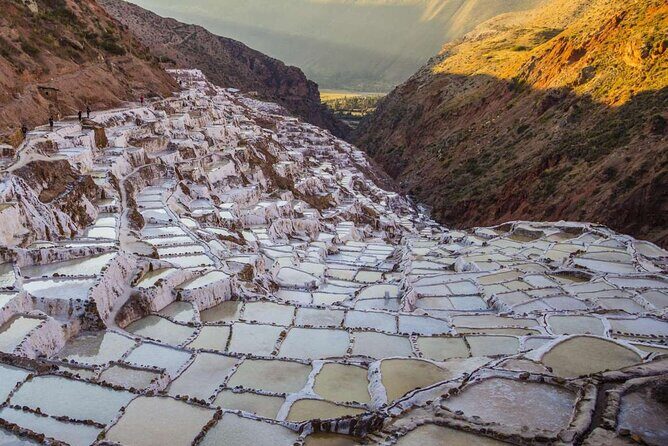
Next comes Sala de Maras, famous for salt extraction. The tour description is clear that salt extraction has been important since Inca times and continued during the colonial period. That continuity is part of what makes this place compelling: you’re not just seeing a viewpoint, you’re seeing a process that has mattered for centuries.
Here’s the practical twist: you won’t drive the entire salt-mine approach on the ATVs. The tour says you advance for a certain portion on the quads, then you switch to transport for the rest because there’s an abyss and the area is dangerous.
That’s worth respecting. It means:
- you get some of the off-road thrill up close
- but you also get a safer, controlled approach where the risk is higher
From a value standpoint, it’s still a good trade. You’re not paying for a full quad route into the most hazardous edges—you’re paying for safe driving where it makes sense, plus access to see the salt mining area.
And because salt mining involves so many small plots, the visual effect tends to build as you move around. So even if your quad time is limited here, the stop can still feel like a major highlight of the day.
Timing and flow: the ride length that matters
The total experience is about 6 hours. You’ll travel to the base, do the practice, ride out, visit Moray and Maras, and then return to board the minivan back to Cusco.
The off-road portion is around 5 hours, with the rest taken up by transport and the return trip. That structure is pretty efficient. You’re not spending half the day waiting. You’re also not rushing like a speed-run where you barely catch your breath.
If you’re sensitive to fatigue, keep your expectations practical. ATVs are physically active even when you’re not working hard, because your body is constantly stabilizing. Add dust and wind and you’ll feel it more than you think.
A small group size helps with this. With a maximum of 15 travelers, you’re less likely to feel like you’re on a long conveyor belt where everyone waits forever.

Price and value: what $55 covers, and what you still pay for
At $55 per person, this is priced to feel like real activity, not just a guided lecture plus a short ride. The price includes:
- the ATVs (Honda TRX 250 brand)
- tourist transportation (to and from the base)
- a professional guide accredited by the Peruvian Government
- helmet and gloves
- fuel
- drop-off back near the center of Cusco
That’s a lot bundled. A lot of ATV-style tours elsewhere charge extra for the machine, guide, or gear, so this bundling is part of the value.
Now the add-ons you must budget:
- Food is not included
- A tourist ticket is not included (listed as S/70 to S/.120 per person)
- Salinas entrance is not included (S/.10 per person)
The key move for good planning: treat the $55 as your ATV-and-guide base fare, then add the entrance fees to estimate your real total.
Also note a common confusion: some sites in Peru require tickets on top of your tour price. Here, the tour explicitly calls out those tickets, so you can avoid surprise costs by budgeting early.
Who should book this ATV trip (and who should skip)
This is best for you if:
- you want action, not just walking
- you’re okay following safety rules closely
- you like pairing adventure with real site viewing at Moray and Maras
- you prefer a smaller group (up to 15) over giant bus tours
It may not be ideal if:
- you hate dust and wind
- you want a fully low-impact, sit-and-go day
- you’re hoping the quads will stay involved all the way into the salt mines (they don’t; part of that area is handled via transport due to safety)
Also, the tour description says most travelers can participate. That’s a broad statement, but it doesn’t mean it’s a fit for everyone. If you have balance issues, a high risk tolerance, or strong mobility limitations, you should think twice because quad touring involves constant stabilization and uneven ground.
Realistic expectations from the reviews: safety and one logistics snag
The overall rating is modest (3.7 from 3 reviews), but the tone of the positive notes is consistent. People praised how guides handled safety, gave out the equipment, and kept the experience fun without feeling reckless. One person highlighted the guides’ patience, even in a moment that could have turned stressful. That’s what you want from this kind of activity.
There’s also one warning you should treat seriously: one review described a meeting point mix-up where the tour started without them. The response from the provider emphasized that they send detailed meeting information by email and WhatsApp. In other words, don’t assume your general knowledge of Cusco meeting spots will be enough.
If you book, I’d do this: read the meeting instructions carefully and confirm you have the right pickup point the day-of. Then check again right before you leave. It’s the easiest way to protect your day.
Should you book the Cusco ATV Tour to Maras & Moray?
I think you should book this if you want a guided off-road day that still pays attention to Moray and the salt mines, without making you guess how the day will run. The combination of a safety-first practice, helmet and gloves included, and a small group size makes the risk feel managed.
If you’re on a tight schedule and you want motion plus meaning, this fits well. If you’re budgeting, remember the main extra costs are the tourist ticket and the Salinas entrance, plus food.
And if you’re the type who gets annoyed by meeting-point confusion, then handle communication early and double-check the pickup spot. That one logistics issue is avoidable with a little attention on your side.
Overall: for many visitors, this is one of those rare activities where the ride is the headline, but Moray and Maras still matter once you’re there.
FAQ
Where does the ATV tour start in Cusco?
The tour starts at Plaza de Armas in Cusco. The activity ends back near the main meeting area in the center of the city.
How long is the tour?
It’s listed at about 6 hours total, with an off-road portion described as roughly 5 hours.
What ATVs are included?
The tour includes Honda TRX 250 ATVs, described as semi-automatic.
Is helmet and gloves provided?
Yes. Helmet and gloves are included in the price.
Is food included?
No. Food is not included.
What extra tickets do I need to budget for?
You’ll need a tourist ticket (S/70 to S/120 per person) and the Salinas entrance (S/10 per person), since both are not included.
Do I get any practice before riding?
Yes. You get about 15 minutes of guided practice before the tour starts.
How big is the group?
This tour has a maximum of 15 travelers.
Can I cancel and get a full refund?
Yes. You can cancel up to 24 hours in advance for a full refund.