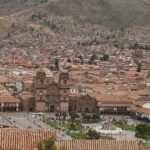
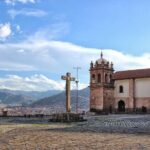
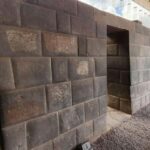
Cusco’s Inca hits in one afternoon. I like how this Cusco city tour group format packs major sites into a neat route, and I also like the English-speaking guide and hotel pickup that get you moving without stress. One thing to plan for: key entrances are not included, so budget extra for Qorikancha and think about the BTP ticket.
You’ll ride in a sprinter with a small maximum group size (up to 18), which keeps the tour from feeling chaotic while still giving you the energy of a shared day. You’ll also finish back in the historic center near Plaza de Armas, so you can continue exploring on your own right after.
The biggest “consideration” is pacing. With several stops and short time blocks, you’ll need to be okay with quick looks, good photos, and a solid overview instead of slow, deep wandering.
In This Review
- Key highlights and practical takeaways
- The Value: $20 for a focused Cusco “greatest hits”
- Price and logistics you should know before you go
- First Stop: Qorikancha and the Sun Temple vibe
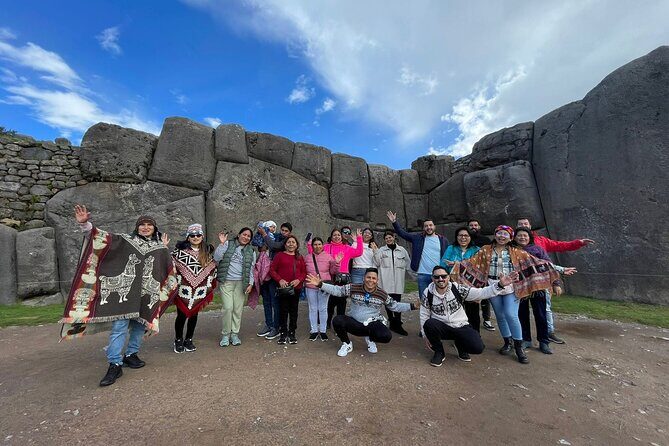
- Sacsayhuaman: giant stones and big city views
- Q’enqo: ceremonial spaces carved into rock
- Puka Pukara: a checkpoint story between major sites
- Tambomachay: ceremonial baths and water still doing its job
- Wrapping up back near Plaza de Armas
- What the guide and group setup really means for you
- How to decide if this is the right Cusco tour for you
- Should you book the City Tour Cusco Group?
- FAQ
- What sites are included in the City Tour Cusco group?
- How long is the tour?
- Is hotel pickup included?
- Is the entrance to Qorikancha included?
- Is the partial tourist ticket (BTP) included?
- What is the cancellation policy?
Key highlights and practical takeaways
- Hotel pickup and group sprinter: makes getting to the first site easy, even if you’re new to Cusco.
- Small group limit (18 max): better odds of hearing the guide clearly and moving at a human pace.
- Sun-temple to stone fortress: you’ll go from Qorikancha’s Inca sacred space to Sacsayhuaman’s massive walls in the same morning.
- Scenic Cusco viewpoint stop: Sacsayhuaman gives you panoramic city views, not just ruins.
- Multiple Inca ceremonial sites: Q’enqo, Puka Pukara, and Tambomachay cover different roles—ritual, observation, and water worship.
- Finish in the historic center: you end near Plaza de Armas/Plaza Regocijo, so your afternoon plans stay flexible.
The Value: $20 for a focused Cusco “greatest hits”
For $20 per person, this tour is aimed at one thing: getting you oriented fast and showing you the major Inca sites around Cusco without you needing to map everything yourself. Four to five hours is a sweet spot. Long enough to feel like you had a real Cusco day, short enough that you’re not stuck on the bus all afternoon.
The trade-off is that your money is going mainly to planning, guiding, and transport, not to entrance fees. The tour includes your official bilingual guide (English and Spanish) plus pickup and a group sprinter, but you’ll pay for some admissions separately—most notably Qorikancha.
If you’re visiting Cusco for the first time and you want a smart overview, this is good value. If you’re the type who loves lingering and reading every stone like it’s a novel, you may feel rushed at the shorter stops.
You can also read our reviews of more city tours in Cusco
Price and logistics you should know before you go
Here’s the practical budget picture. Qorikancha has an entrance cost of 25 soles, and the tour also mentions the Partial Tourist Ticket (BTP) for 70 soles as not included. Since the tour listing doesn’t clearly say which sites are covered by which ticket, you should treat it as: plan to pay at least the Qorikancha entrance on your own, and ask your guide what makes sense for your broader schedule.
Also note:
- Start time is 9:00 am.
- Pickup is offered from your hotel or at Plaza de Armas, depending on your preference.
- The group size can be up to 18 travelers, which usually makes for easier movement and better guide attention.
- You use a mobile ticket and an official bilingual tourism guide is on the schedule.
A small but helpful detail: the tour ends back in Cusco’s historic area near Plaza Regocijo and close to Plaza de Armas. That’s ideal if you want lunch, a market wander, or a museum visit without needing another ride.
First Stop: Qorikancha and the Sun Temple vibe
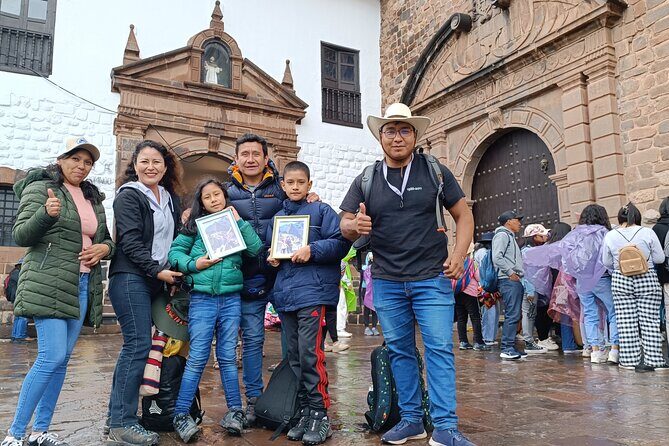
Qorikancha is the kind of site that makes you look twice. It was an Inca temple dedicated to the worship of the sun, and later it was partially destroyed. Today, you’ll see how the spiritual focus changed as the Convent of Santo Domingo was built over part of the original complex.
Expect about 1 hour here. That sounds short, but it’s enough time to:
- understand what Qorikancha used to mean for the Inca,
- see the relationship between Inca foundations and later religious construction,
- and appreciate why it remains such a key starting point for Cusco’s “Inca core.”
One practical tip: because the entrance isn’t included, make sure you’re ready to pay the 25 soles entry fee when you arrive. If you also plan other ticketed Inca sites, you might want to compare options (including the BTP) before your day gets busy.
Sacsayhuaman: giant stones and big city views
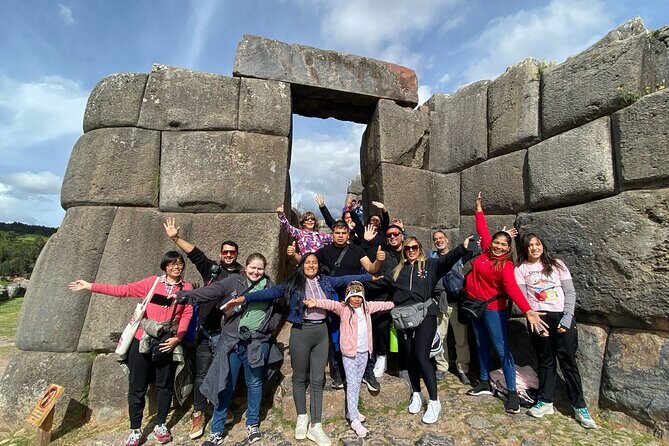
Then the tour heads to Sacsayhuaman, an impressive Inca fortress just outside Cusco. This is the stop where most people start understanding why Inca stonework still stops conversations mid-sentence.
You get about 1 hour, and the main payoff is twofold:
- Enormous stones and the fortress layout.
- Panoramic views back toward Cusco.
Even if you’re not the type who studies archaeology, the scale here lands fast. The massive walls give you a sense of how the Inca controlled space—defending, organizing, and commanding the surrounding area.
Potential drawback: Sacsayhuaman is a “look and walk” place. With only an hour, you’ll do enough to get the story and enjoy the views, but you won’t do a long, quiet photo session at every angle. If you love sunrise light or want perfect crowd-free photos, you’d save those for a return visit later.
Q’enqo: ceremonial spaces carved into rock
Next comes Q’enqo, an archaeological complex tied to ceremony. Here you’ll see ceremonial plazas and carved channels in the rock—features that help you understand how Inca design used stone not just as structure, but as part of ritual space.
Plan for around 30 minutes. That’s a quick hit, and it’s best if you go in with the right mindset: treat this stop like an interpretive walk. The guide’s job is important here, because the site’s meaning comes through faster with context than by staring at rocks alone.
A practical note: since there’s no entrance fee included for this stop either, be ready for the fact that some sites on the route will have their own ticket requirements or checks. The tour won’t wait while everyone sorts payments, so keep your ticket plan organized early.






Puka Pukara: a checkpoint story between major sites
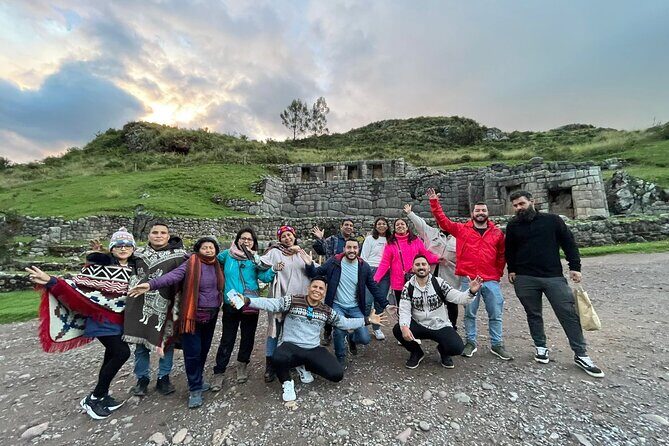
Puka Pukara is where the tour shifts from big spectacle to smart function. This archaeological complex served as a checkpoint and a surveillance post along Inca roads.
You’ll have about 30 minutes here, which is enough time to get a sense of the role it played. The interesting angle is that it connects the sites around Cusco into a system. You start to think less about isolated ruins and more about movement, messaging, and control—how the Inca kept far-flung areas connected.
Because it’s shorter and more low-key, this can be the stop where you either love the “why it mattered” explanation or you wish it went longer. If you enjoy the practical side of archaeology—how places worked—you’ll likely find this one satisfying.
Tambomachay: ceremonial baths and water still doing its job
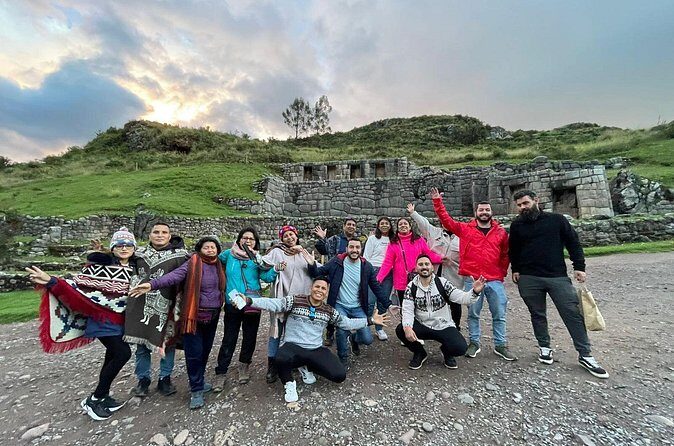
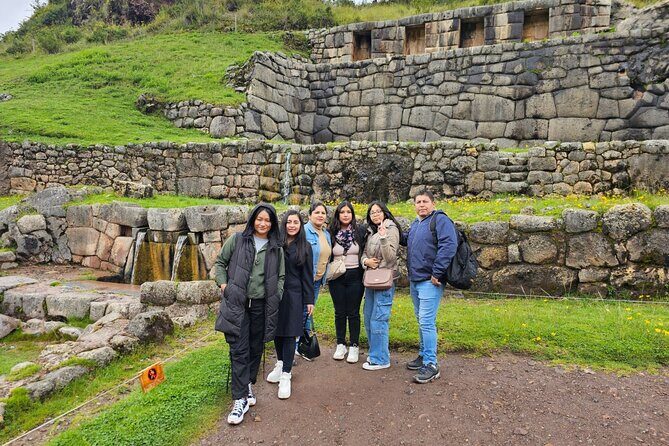
The last archaeological stop is Tambomachay, known for Inca ceremonial baths and water fountains. The description emphasizes that you can still see water flowing in the fountains, which is a great reminder that these sites weren’t just built for views. Water management and ritual use were tied together.
You’ll have about 30 minutes. This stop works best when you pause and watch how the water moves. Even without extra time, you can still get the feel of why a site like this would matter: it’s sensory, not just visual.
Possible drawback: because it’s one of the later stops, it can also feel a little rushed if you’re already tired from earlier walking. Bring water, take a few slower steps, and don’t let it pass as just another quick stop.
Wrapping up back near Plaza de Armas
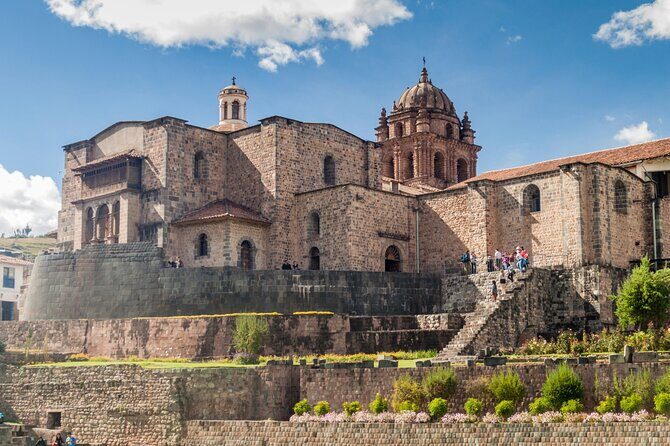
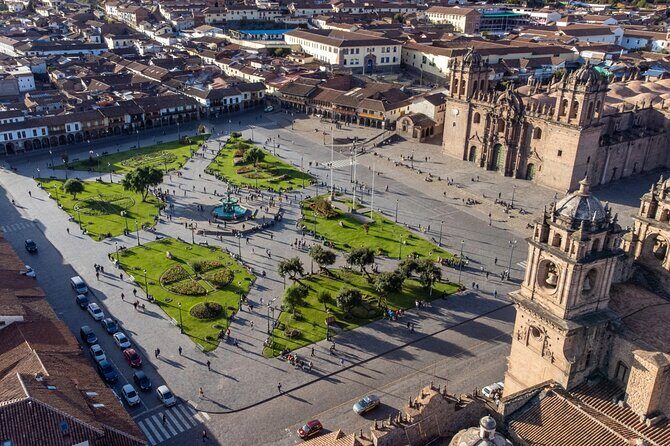
At the end, you return to Cusco and finish near the Plaza de Armas area, with the tour’s end point noted by Plaza Regocijo nearby. You’ll have about 20 minutes of transition time, which is usually enough to re-orient and decide what you want to do next.
This is a big plus for the value of the tour. You don’t end on the outskirts where you need to hunt for a ride. You end inside the historic center, where your food and wandering options are right there.
What the guide and group setup really means for you
This tour includes an official bilingual tourism guide, English and Spanish, plus hotel pickup and group transport by sprinter. The guide format matters because you’re hitting multiple sites in a row. Without explanation, you’d mostly see stone. With explanation, you see purpose.
The guide also keeps the day moving. Short stop times can feel limiting, but they’re also how you manage six stops in one morning-to-midday window. A strong guide helps you prioritize what to notice at each location so you don’t waste time wondering what you’re looking at.
Group size (up to 18) is another detail with real impact. It helps reduce the classic “tour bottleneck” effect where everyone crowds one doorway, then the guide loses the thread. With a smaller group, it’s easier to hear instructions and move as a unit.
And based on the feedback patterns for this experience, the service style seems to be a strong point—reliability, attention during the day, and confidence that pickup and timing will work out.
How to decide if this is the right Cusco tour for you
You’ll probably love this tour if:
- You’re visiting Cusco for the first time and want an efficient introduction.
- You want major Inca sites in one route without planning transport or sequencing.
- You like a guided overview that sets you up to explore on your own later.
You might want to skip or pair it differently if:
- You prefer slow travel and long time at each site.
- You hate the idea of separate entrance fees showing up during the day.
- You plan to spend lots of time shopping or resting and can’t handle a structured 4–5 hour block.
My practical advice: treat this like a foundation. Use it to build context, then pick one or two sites to revisit longer based on what you found most meaningful.
Should you book the City Tour Cusco Group?
Yes, if your goal is a smart first-day overview and you’re okay paying separate entrances along the way. At $20, it’s hard to beat for guided coverage of Qorikancha, Sacsayhuaman, and the other major archaeological stops near Cusco, with pickup and a convenient finish in the historic center.
Before you book, do two quick things:
- Check your ticket plan for Qorikancha and the BTP mention so you don’t get surprised.
- Go in expecting short, efficient visits, not long lingering.
If that matches your style, this tour is a solid use of your limited time in Cusco—and it helps you start seeing the city as more than streets and plazas.
FAQ
What sites are included in the City Tour Cusco group?
The tour stops at Qorikancha, Sacsayhuaman, Q’enqo, Puka Pukara, and Tambomachay, then returns to Cusco near the Plaza de Armas area.
How long is the tour?
It runs about 4 to 5 hours.
Is hotel pickup included?
Yes. Pickup from your hotel is offered, or you can meet at Plaza de Armas depending on your preference.
Is the entrance to Qorikancha included?
No. Qorikancha entrance is listed as not included, with a cost of 25 soles.
Is the partial tourist ticket (BTP) included?
No. The BTP (70 soles) is listed as not included.
What is the cancellation policy?
You can cancel up to 24 hours in advance for a full refund.