REVIEW · CUSCO
Best Authentic Cultural Experience in the Sacred Valley
Book on Viator →Operated by Exclusive Inka Tour · Bookable on Viator
It starts with food, then turns into family stories. This 8-hour Sacred Valley day takes you from Cusco to Urubamba’s market, on to Ollantaytambo, and finally up to a Patacancha community for cooking pachamanka with a local family. I really like the way the day mixes hands-on eating with real people time, not just photo stops. One thing to keep in mind: you’ll gain altitude fast, hitting about 9,400 ft and then 12,000 ft, so you should take it easy and dress for cooler mountain air.
I also love that it’s set up as a private tour for your group with hotel pickup, English guidance, and snacks built in. It’s not the usual checklist tour where you rush through a market and move on; you’re there long enough to taste, ask questions, and understand what locals actually buy. The possible drawback is simple: the day is scheduled tight, so if you hate early drives or you need extra time to acclimate, plan for a slower pace.
In This Review
- Key Things I’d Be Excited About
- From Cusco Hotel to Urubamba Market: Start With Real Bites
- Ollantaytambo’s Old Streets: Inca-Era Town-Feel Without Overkill
- Patacancha Valley at 12,000 Feet: Cook Pachamanka With a Local Family
- What You’ll Actually Eat: Market Foods to Pachamanka Lunch
- Private Tour Vibe: Hotel Pickup, English Guidance, and Your Group Only
- Price and Value: Getting More Than a Scenic Ride for $115
- Practical Tips for a Smooth Sacred Valley Day
- Should You Book This Sacred Valley Cultural Day?
- FAQ
- How long is the Sacred Valley cultural experience?
- Does the tour include hotel pickup in Cusco?
- What’s included in the price?
- Is this a private tour or shared group?
- What language is the tour offered in?
- What food will I try during the day?
- Do I need to tip?
- Is there free cancellation?
- Is the tour available every day?
Key Things I’d Be Excited About
- Urubamba market tastings you can actually savor, with multiple local foods included
- Ollantaytambo old-town walking, giving you an Inca-era feel without big crowds
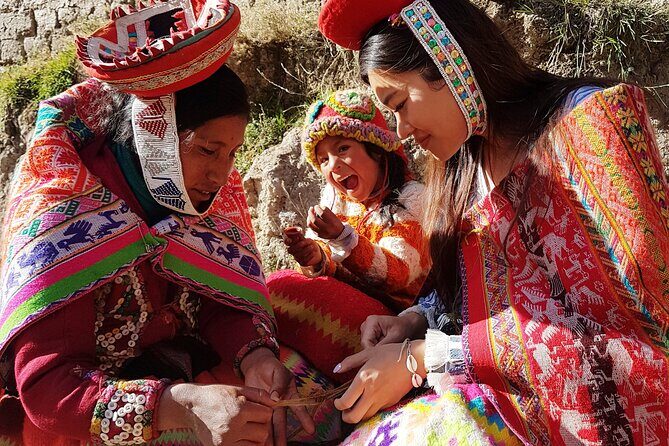
- Patacancha pachamanka with a native family, plus conversation and cultural sharing
- Altitude-driven views and cooler air, so layers matter even if you start sunny
- A local guide experience shaped by real people contact, with guides such as Oscar, Miguel, Raul, and Gorki showing up in past bookings
- Optional-style add-ons like chicha pauses may happen depending on your guide and timing, based on past experiences
From Cusco Hotel to Urubamba Market: Start With Real Bites
Your day starts with pickup from your Cusco hotel, then a drive down into the Sacred Valley area toward Urubamba, around 9,400 ft. The best part of this opening stretch is that you’re not immediately herded into ruins or viewpoints. You land in a working town and head straight for the market, which sets the tone for the rest of the day.
Urubamba’s market is famous for produce, and it’s even been highlighted in mainstream media for its variety. On this stop, you’ll get a chance to see how local shoppers move through the stalls, talk to vendors, and choose fruits, potatoes, peppers, and herbs the way you’d do it at home. You’re not just looking. You’re tasting.
Your guide helps you connect what you see to what people eat every day. That matters because markets can feel chaotic if you don’t know what to look for. Here, you’re building a food vocabulary fast, so later on in the day, the meal at Patacancha lands with more meaning.
A practical note: the market time is a big reason this works well as an authentic day. If you skip snacks or you’re not hungry, you’ll miss half the point.
You can also read our reviews of more tours and experiences in Cusco.
Ollantaytambo’s Old Streets: Inca-Era Town-Feel Without Overkill
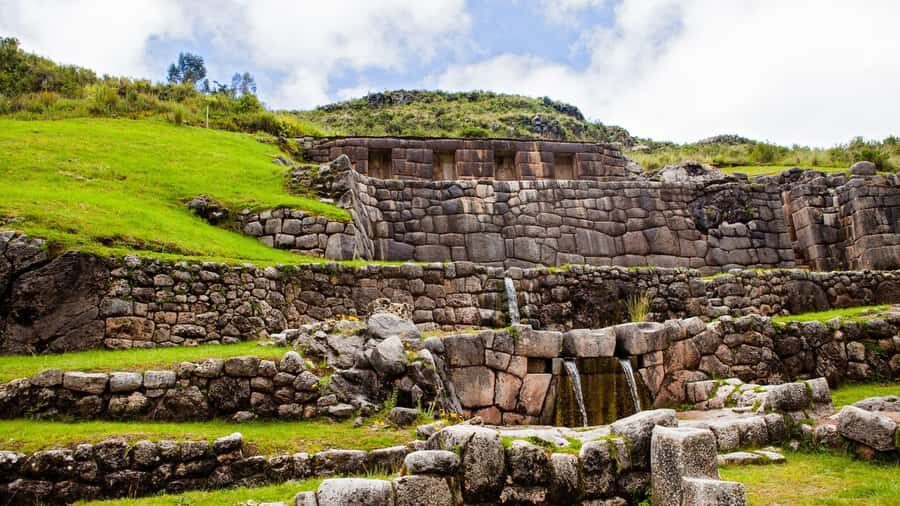
After the market, you drive to Ollantaytambo. This is where the day shifts from food into place. You’ll walk through the town’s old streets that trace back to Inca times, and your guide will help you make sense of what you’re seeing.
Ollantaytambo is one of those towns where the stonework and the street grid feel tied together. You don’t just see a monument from a distance. You move through it at human speed. That’s a nice change from the “stand-and-stare” mode that can dominate other Sacred Valley stops.
The value here is pacing. By the time you arrive, you’ve already eaten and acclimated a bit in the valley. That means the walk feels less like another chore and more like a real strolling hour.
One consideration: Ollantaytambo is still an older town, so you might encounter uneven pavement. If you have mobility issues, tell your guide at pickup so they can adjust your walking pace.
Patacancha Valley at 12,000 Feet: Cook Pachamanka With a Local Family
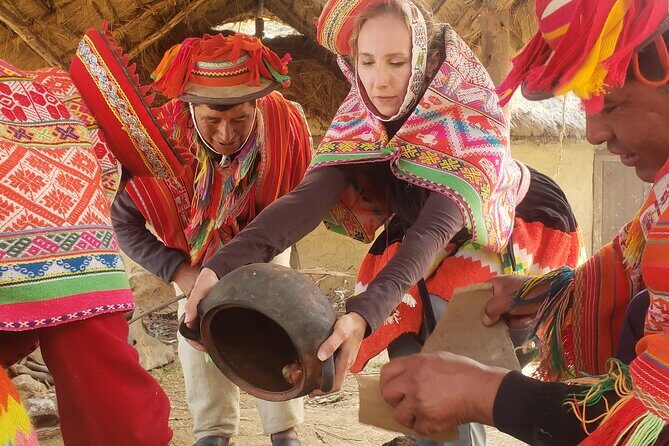
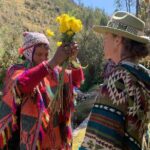
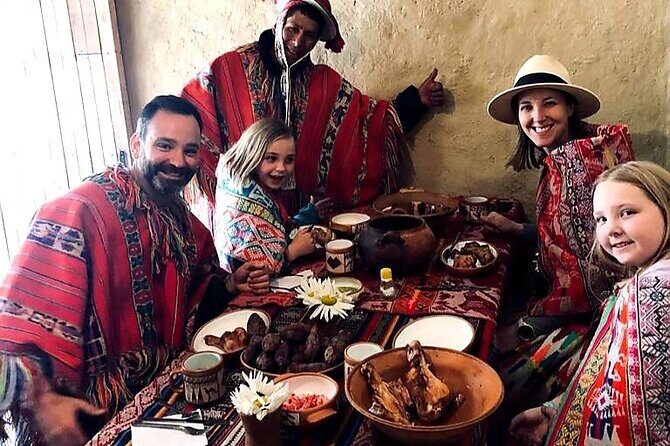
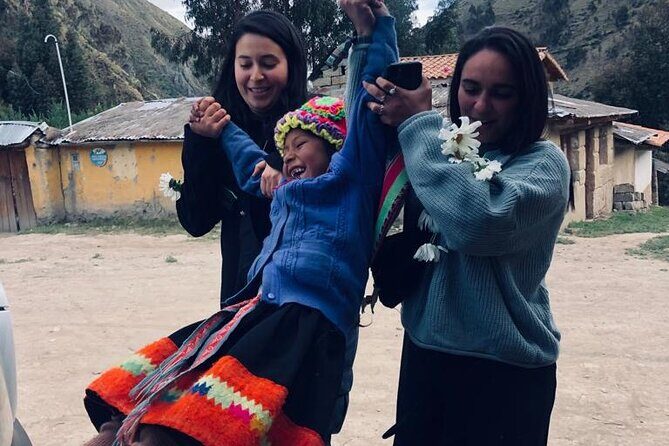
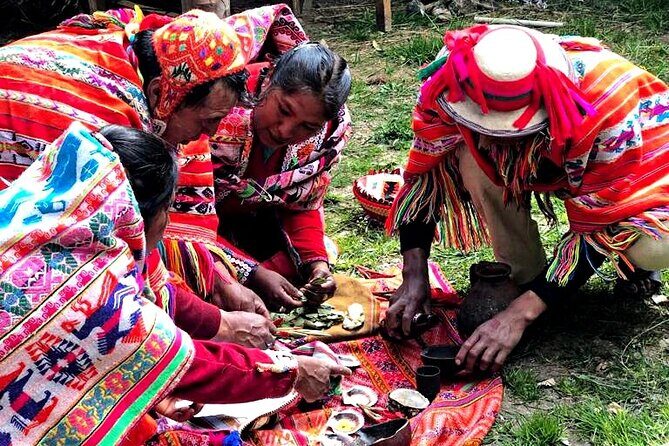
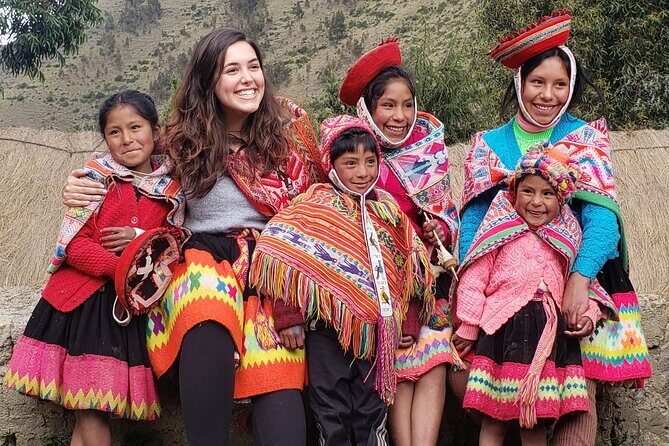
Then comes the standout moment for most people: a visit to a native family in the Patacancha Andean community, around 12,000 ft. You’re going higher, which gives you a different feel right away. The air is thinner, the day slows down in a good way, and you shift from watching culture to doing it alongside someone who lives it.
This is where you cook pachamanka. The word matters, but the experience matters more. Pachamanka is a traditional Andean dish associated with community cooking and earth-based preparation. You’re not getting a museum explanation. You’re helping with the process, then sharing the meal in the family home.
What I like about this kind of stop is the conversation. You get to interact with the family and learn the “how we live” details that don’t fit on a postcard. Past guests have also described learning basics like weaving during the visit, which adds another layer beyond food if your timing aligns.
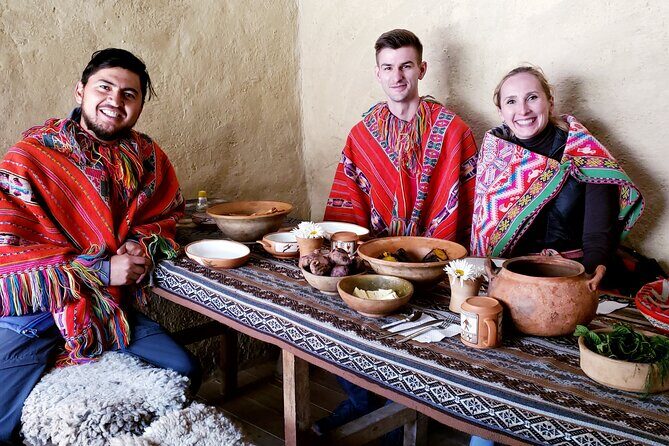
The lunch itself is part of the deal, served at their home. That changes the whole tone of the day. Instead of eating in a restaurant line, you’re eating in a place where people are cooking and living their routine.
Altitude warning, but keep it practical: at 12,000 ft, move slower than you think you should. Sip water. Take breaks. Dress in layers so you don’t overheat while walking, then get chilled when you stop.
What You’ll Actually Eat: Market Foods to Pachamanka Lunch
This day is built around food. Not just one dish, not just a drink. You’ll sample several items at the Urubamba market and then eat pachamanka as the main event.
From the included market tastings, expect a mix like:
- Tamal
- Jugo de frutas (fruit juice)
- Papa rellena
- Quail eggs
- Stuffed potato
- Stuffed hot pepper
And for the main meal: pachamanka.
Here’s the best way to think about it. Market food can be hit-or-miss if you’re picky or you’re not sure what you’re ordering. This tour reduces that stress because snacks are included and your guide helps you pick through what looks good versus what’s unfamiliar in a way that you might regret later.
Also, this food list helps you connect the dots. When you taste peppers and potatoes at the market, then later help cook pachamanka, you’re not switching topics randomly. You’re seeing how ingredients travel from local stalls to a communal meal.
If you have allergies, you should flag them before you book. The tour data confirms included food items, but it doesn’t describe allergen accommodations, so better to ask early.
Private Tour Vibe: Hotel Pickup, English Guidance, and Your Group Only
This is set up as a private tour/activity, meaning only your group participates. That’s a big deal for a day built on interaction with a family. In a larger group, you often get rushed. With a smaller group, you’re more likely to ask questions and get real answers.
Hotel pickup is included, which also matters in Cusco. Getting to trailheads and market areas on your own can turn into a time tax. Here, you start the day already arranged.
English is offered. That reduces the risk of “translation drift,” especially at the market and during family cooking, where the explanations are part of the value.
You may also use a mobile ticket, which is convenient if you don’t want to juggle paper. The tour is designed for most travelers to participate, and service animals are allowed.
One small reality check: private tours can mean your schedule depends more on your guide’s pace and your group’s energy. If your group is fast, the day feels smoother. If your group needs frequent stops, it’s worth building in that flexibility mentally.
Price and Value: Getting More Than a Scenic Ride for $115
At $115 per person for about 8 hours, this isn’t the cheapest way to tour the Sacred Valley. But it’s also not trying to be. The best value is that your money goes to three expensive-feeling parts: transport, a guided food market experience, and a lunch experience inside a local home.
Private transportation for a day out of Cusco is one of the biggest cost drivers in this region. Then you add market snacks (multiple foods) and the pachamanka lunch at Patacancha. That combination is why the price can feel fair even if you’ve done other cheaper bus-style tours.
Also, booking is typically made about 45 days in advance on average. That tells me there’s steady demand for this exact style of experience, not just the classic ruins circuit. If you’re traveling in peak season, earlier planning is smart.
The value equation changes depending on your travel style:
- If you want ruins only, you might feel this is overpriced.
- If you want food and people time, it often feels like a bargain.
Practical Tips for a Smooth Sacred Valley Day
Here are the things that make this kind of day go smoothly, especially with the altitude shifts.
Dress for temperature swings. You’ll start in the Cusco area and end higher near 12,000 ft. Layers beat one outfit. Bring something you can add or remove without a full stop.
Move slowly after you gain altitude. The route includes major elevation points (Urubamba and then Patacancha). If you’re prone to altitude headaches or nausea, take breaks early, not after you feel bad.
Go in with an open food mindset. You’ll sample several items at the market, including stuffed potato and peppers, plus juice and tamal. Even if you’re not a huge street-food person, the guide’s explanations help you choose confidently.
Budget for tips. Tips aren’t included, and this day involves more than just guiding. You’re also eating with a family and receiving help throughout the day.
Bring cash if you like flexibility. The tour includes snacks and lunch items, but your own purchases at the market aren’t mentioned. Having a little cash helps for small extras.
Should You Book This Sacred Valley Cultural Day?
If you want the Sacred Valley story told through food and real local interaction, I’d book it. This is the kind of day where pachamanka isn’t just dinner, it’s the center of the cultural lesson. I also think the market start is a smart move, because it helps you understand what you’ll later eat and why those ingredients matter.
Skip it if your idea of a perfect day is only big ruins and nonstop sightseeing. Also skip it if altitude is a major issue for you and you don’t want a higher stop around 12,000 ft.
If you’re traveling as a family or a small group and you want a calmer, more human Sacred Valley day, this fits well. The private setup, English guidance, and home-style lunch are exactly the combo that makes this experience feel worth the effort.
FAQ
How long is the Sacred Valley cultural experience?
It runs about 8 hours, approximately.
Does the tour include hotel pickup in Cusco?
Yes. Pickup from your hotel is offered.
What’s included in the price?
You get private transportation and snacks, including the different foods you’ll try in the Urubamba market.
Is this a private tour or shared group?
It’s private. Only your group will participate.
What language is the tour offered in?
The tour is offered in English.
What food will I try during the day?
At the Urubamba market, the included sample foods include tamal, fruit juice, papa rellena, quail eggs, stuffed potato, and stuffed hot pepper. The main meal is pachamanka.
Do I need to tip?
Tips are not included.
Is there free cancellation?
Yes, you can cancel for a full refund up to 24 hours in advance of the experience’s start time.
Is the tour available every day?
Yes. It runs Monday through Sunday, based on the stated opening hours window.
If you tell me your travel month and whether anyone in your group has altitude sensitivity, I can suggest how to pace the day so you enjoy Urubamba and still feel good at Patacancha.