REVIEW · CUSCO
4-Day Lares Trek to Machu Picchu
Book on Viator →Operated by Action Peru Treks · Bookable on Viator
A trek to Machu Picchu, minus the crowds. This 4-day Lares Trek route takes you through river valleys, high mountain passes, and small Andean communities before you finish at Machu Picchu for a guided walk. What makes it especially interesting is the mix of daily hiking and village life, then the switch to train-and-citadel rhythm in Aguas Calientes.
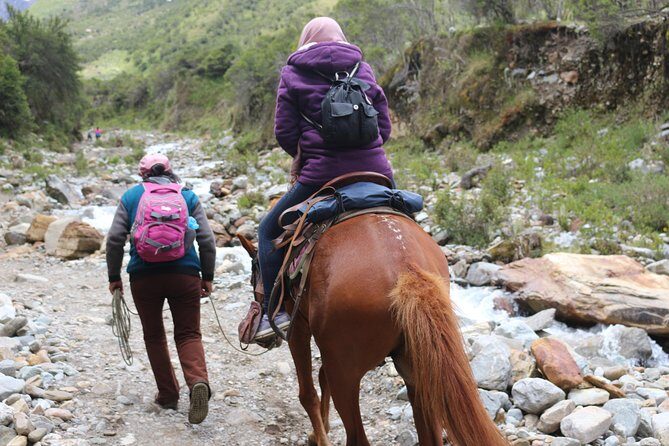
I really like the practical comfort baked into the operation. You get a guide, chef, wranglers, tents with mattresses and pillows, and horses to carry gear (plus an emergency horse if needed). I also love the human scale of the trip: it’s a private tour/activity, so you only share the experience with your group.
One thing to think about: nights can get seriously cold at altitude, especially around the higher passes. The tour includes sleeping comfort gear, but a quality sleeping bag still matters, and one reviewer noted their sleeping bag wasn’t warm enough for them, so I’d treat that rental option seriously.
In This Review
- Quick highlights you’ll care about
- Huaran to Acopata: River hikes, Polylepis forests, and an early Camp Day
- Pachacutec Pass and Quishuarani: Day 2’s big altitude moment plus wildlife
- Willcaccasa pass, turquoise lakes, then Lares hot springs
- Ollantaytambo and Aguas Calientes: where the trip switches from boots to trains
- Machu Picchu Day: Bus ride, 2-hour guided walk, then time to explore
- Price and value for $690: what you’re paying for (and what to plan on)
- What to bring for Lares: cold nights, thin air, and small gear choices that matter
- Who should book this Lares-to-Machu Picchu trek (and who should pause)
- Should you book Action Peru Treks? My decision guide
- FAQ
- What time does the trek start?
- Is a sleeping bag included?
- How do you handle meals during the trek?
- What’s included for camping and comfort?
- How long is the Machu Picchu guided visit?
- Can I cancel for a full refund?
Quick highlights you’ll care about

- Huaran river start at 9,840 ft: gentle climb, Polylepis forest, and birds along the Cancha Cancha river
- Pachacutec Pass (15,678 ft) on Day 2: big views of Pitusiray and Sahuasiray with downhill scenery afterward
- Wildlife and lake spotting: alpacas, llamas, vicuñas-type herds vibes, plus chances for Andean condors and rarer birds
- Lares Valley hot springs on Day 3: soak time after the second mountain pass
- Machu Picchu with a guided 2-hour walk: bus up, structured visit, then free exploration before returning
- Built-in safety layer: medical kit and emergency oxygen bottle included
Huaran to Acopata: River hikes, Polylepis forests, and an early Camp Day

Day 1 starts early with pickup from your Cusco hotel and a private bus ride (about 1.5 hours) to Huaran in the Sacred Valley (9,840 ft). Then the trek really begins: you’ll pack horses with supplies and head northward along the Cancha Cancha river.
What I like here is that Day 1 isn’t just suffering-for-suffering’s-sake. The trail climbs gently and you’re walking through a lived-in agricultural valley. Expect cultivated fields, village life passing by in the distance, and those cool Polylepis forests. Polylepis trees cling to high ground, and the area can support lots of bird life. If you bring binoculars, this is a good day to use them.
Lunch is planned about halfway through your hike, and you’ll finish the day after around 6 hours of walking at camp in Acopata. You’ll also pass through the community area near Cancha Cancha, which helps break up the day so it doesn’t feel like endless single-file trekking.
A practical consideration: Day 1 is still altitude trekking. Even though it’s a “gentle” climb, you’re starting above 9,000 feet. If you pace yourself and don’t race the group, you’ll feel much better by the time you reach camp.
You can also read our reviews of more hiking tours in Cusco



Pachacutec Pass and Quishuarani: Day 2’s big altitude moment plus wildlife
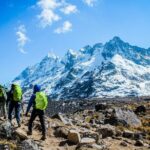
After breakfast, Day 2 asks for the highest point of the trek: Pachacutec Pass at 15,678 ft. You’ll climb for about 2.5 hours, then the view is the payoff. The mountains Pitusiray and Sahuasiray are right in front of you, and from that height you really understand why this route is so famous.
Then you shift gears. You hike downhill for about 2 hours to your lunch spot beside a lake. After lunch, another 1.5 hours takes you further down through glacial lake areas and into the valley.
This is also a day where nature can be part of your plan. You might see herds of alpacas, llamas, and sheep, and there are real chances to spot wildlife such as gray brocket deer, viscachas (those rabbit-ish Andean rodents), and birds including Andean geese. There’s even mention of a chance to see the giant coot and sightings of puna hawks and Andean condors. That’s not a promise, but it’s a strong “bring your patience and eyes” kind of day.
You end in Quishuarani, a village with typical stone houses. It’s a different feel from the Sacred Valley towns you might have seen earlier in your trip—less tourism, more everyday life.
Day 2 drawback to consider: you’re going up high, then down again. Steep descents can feel tough on knees and calves. Trekking poles are recommended, and if your knees are sensitive, renting poles can be worth it.
Willcaccasa pass, turquoise lakes, then Lares hot springs
Day 3 combines one more climb with the kind of reward that makes the legs forgive you. You follow a valley and climb for about 2 to 3 hours toward the second pass near Willcaccasa mountain. You’ll get views of the Andes plus those turquoise-toned lakes and valleys that people come to this region for.
After the pass, it’s downhill again for about 1.5 to 2 hours, and the route passes many beautiful lakes. Then you reach Cuncani village, and the walking continues downhill for another 2 to 3 hours toward the Lares Valley.
And then: hot springs. The hot soak is both a physical recovery and a mental reset. You’ll also have lunch at the hot springs area, which is a smart pairing because you don’t want to be juggling meals right after a long walk.
After lunch, you’re not trekking onward. Instead, your group loads into a private van for the drive to Ollantaytambo (about 3 hours). Dinner happens in Ollantaytambo, and then the rhythm changes again: you take the train to Aguas Calientes, check into your bed and breakfast, and get real downtime.
One important tip: plan to hydrate and take it slow at the pass. That climb comes after you’ve already done two hiking days, so your body will appreciate calm pacing.
Ollantaytambo and Aguas Calientes: where the trip switches from boots to trains

This trek isn’t just hiking to Machu Picchu. It’s also a logistics-smart way of getting there without turning every day into a wall of walking.
On Day 3, you’ll travel by van to Ollantaytambo, eat dinner, and then take the train to Aguas Calientes. You’ll spend the night at a bed and breakfast (double occupancy is included). That overnight base matters because you’ll start Day 4 early with a bus ride to the citadel.
Why I think this is a value: you go from remote camp life to a town with services. Even if you don’t do much extra shopping or sightseeing, the ability to sleep indoors after a cold night is a big deal.
In Aguas Calientes, keep expectations realistic. This town is built around the Machu Picchu day, and it can feel busy compared to the quiet trekking valleys. Still, it’s a practical staging point.
If you’re someone who wants photos, pack your camera charging plan and extra batteries. High altitude and long days can drain batteries faster than you expect.
Machu Picchu Day: Bus ride, 2-hour guided walk, then time to explore

Day 4 starts with breakfast at your hotel. Then you’ll ride up by bus along winding roads to Machu Picchu.
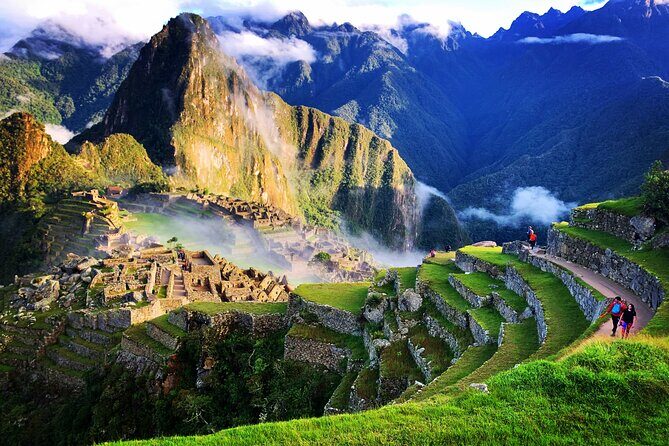
Once you’re at the site, you get a 2-hour walking tour. A guided visit is often the difference between seeing “cool ruins” and actually understanding what you’re looking at—especially at Machu Picchu, where every terrace and building has a reason. The guide is there to connect geography, history, and how the place works.
After the guided walk, you’ll have time to explore on your own in the remaining window before heading back to Aguas Calientes by bus.
Then you return to the “travel muscle memory” part of the trip: you board the expedition train back to Ollantaytambo, then take a private van from Ollantaytambo to Cusco to get dropped at your hotel.
Practical focus for your self-guided time: don’t try to speed-run the whole site. Use the guided portion to learn the main layout, then choose 1 or 2 viewpoints you care about. If you’re bringing binoculars, this is also a good day for spotting details from higher areas, where accessible angles help.
You can also read our reviews of more tours and experiences in Cusco

Price and value for $690: what you’re paying for (and what to plan on)

At $690 per person, this trek sits in the “serious trip” category. The big question is what you get for that money, and here the value is pretty clear.
You’re paying for a full-supported trekking setup: guide, briefing at your hotel, chef, wranglers and horses, plus tents, mattress, pillow, kitchen and dining tents with tables and chairs. That means you’re not carrying cooking systems or wrestling gear while trying to acclimate.
You’re also paying for safety and medical prep, including a medical kit and emergency oxygen bottle. That doesn’t remove risk, but it helps you feel better about the altitude.
Food is another major piece of value. You get breakfasts, lunches, and dinners through the trek (Day 4 lunch in Aguas Calientes is not included). Chef-prepared meals in remote areas are a comfort you really notice on day two and day three when your appetite is high and cooking becomes hard.
One more “hidden value” item: your personal gear gets help. You’ll have a horse to transport 8 kg of personal gear, plus a duffle bag for that load, and they even plan an emergency horse if it’s needed.
What’s not included is also part of planning: sleeping bag rental is extra ($30), and tips for the crew are not included. If you know you’ll need poles, trekking poles are recommended and can be rented.
If you’re comparing options, look beyond the headline price. Here, the included crew and camp infrastructure are what make the trek feel manageable.
What to bring for Lares: cold nights, thin air, and small gear choices that matter
The packing list is detailed, and I agree with the logic behind it. This is a trek where weather can surprise you, especially after you gain altitude.
Your clothing should handle layers:
- trekking boots
- warm fleece jacket
- thermal underwear
- light long pants
- gloves
- poncho or rain jacket
- sun hat and sunglasses
For night comfort, prioritize sleep gear:
- you’ll want a down or synthetic feather sleeping bag (rental is available for $30)
- the goal is warmth at altitude, not just “thin but packable”
One reviewer noted that a sleeping bag felt not warm enough for their cold night experience. I can’t promise what your rental will feel like on your exact date, but cold is real up high, so don’t under-pack.
Small items that make a difference:
- head lamp for camp and early mornings
- factor 35+ sunblock (altitude sun is strong)
- toiletries like wet wipes and personal towel
- toilet paper is called out, so bring only what you need and don’t assume everything will be provided
- binoculars and a camera with spare batteries (battery drain can be faster at altitude)
Also think about comfort on descents. Trekking poles are recommended, especially for steep downhills. Even if you’re steady, poles can save your knees when fatigue hits.
Who should book this Lares-to-Machu Picchu trek (and who should pause)
This trek is designed for people with moderate physical fitness. You’ll be hiking multiple days with passes around 15,678 ft at the high point. That’s not a casual walk, but it’s also not a technical climbing route based on the information provided.
I think this is a great match if:
- you want Machu Picchu but prefer a less crowded approach than the big-name Inca Trail day-one crowds
- you like village routes and real Andean valley scenery
- you’d rather have camp setup and cooking handled by a crew than manage it yourself
It might not be the best fit if:
- you get nervous about altitude climbs and descents
- you’re not willing to spend money or time on proper cold-weather sleeping gear
- you need a totally flat, easy walk. This route has climbs and steep sections on the passes and descents.
If you’re traveling as a couple, friends, or solo, this private format can feel especially good because you share the trip with your group, not a random mix of people.
Should you book Action Peru Treks? My decision guide
I’d book this trek if your priorities are clear:
1) a supported trek with chef + horses + camp setup,
2) a route that passes through Andean villages and river valleys,
3) and a structured Machu Picchu visit with a 2-hour guided walk.
From the experience style, you’re also likely to appreciate a guide who can connect what you see—mountain geography, local flora, and how the route fits the Andes. Names like Christian Pena and Ronald show up as experienced guides in past trips, and guides such as Ali and Pancho as chef roles show up too. That’s a good sign for continuity and competence.
The main reason not to book is simple: if cold and altitude are deal-breakers for you, take the sleeping bag part seriously and consider whether you’re ready for a pass day like Pachacutec.
If you’re on the fence, I’d plan to rent the sleeping bag and poles if you don’t already have them. Small gear upgrades can turn a “tough” night into a tolerable one.
FAQ
What time does the trek start?
Start time is 6:30 am, with an early pickup from your Cusco hotel.
Is a sleeping bag included?
No. The sleeping bag is not included, but you can rent one from the company for $30.
How do you handle meals during the trek?
Meals are included. You’ll have breakfasts, lunches, and dinners for the trek days listed, with Day 4 lunch in Aguas Calientes not included.
What’s included for camping and comfort?
You get tents, plus a mattress and pillow, along with kitchen and dining tent setup (tables and chairs). Four-person tents are used for two people.
How long is the Machu Picchu guided visit?
You’ll have a 2-hour walking tour of Machu Picchu with a guide, plus additional time to explore before returning.
Can I cancel for a full refund?
Yes. You can cancel up to 24 hours in advance for a full refund, based on the local time of the experience.